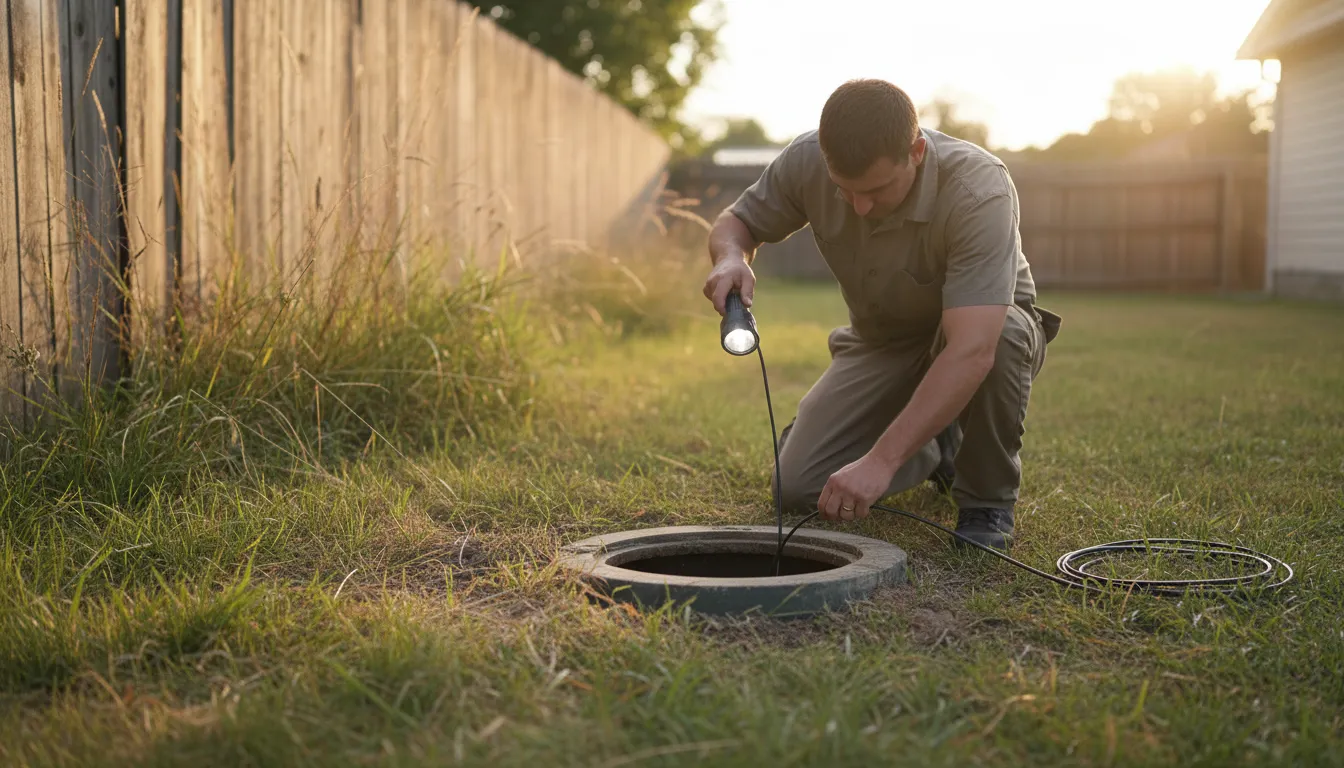
Find the Best Septic Tank Inspection Companies for Your Business
No obligation • Fast responses • Nationwide coverage

Why you can trust Septic Spot
Septic Spot is a leading United States resource for understanding and comparing septic services. Our editors review providers using consistent criteria and verify key business details. Listings and scores are independent, and companies cannot pay to influence our content.
Search providers near you
Top Septic Tank Inspection Companies in West Valley City, Utah Ranked
A septic system inspection is a critical evaluation of your onsite wastewater treatment system's health and functionality. In West Valley City, where many homes rely on these private systems, regular assessments are essential for protecting your property value, ensuring public health, and complying with local regulations. This guide will help you understand the process, local requirements, and what to look for when seeking a qualified professional to evaluate your septic tank and drain field.
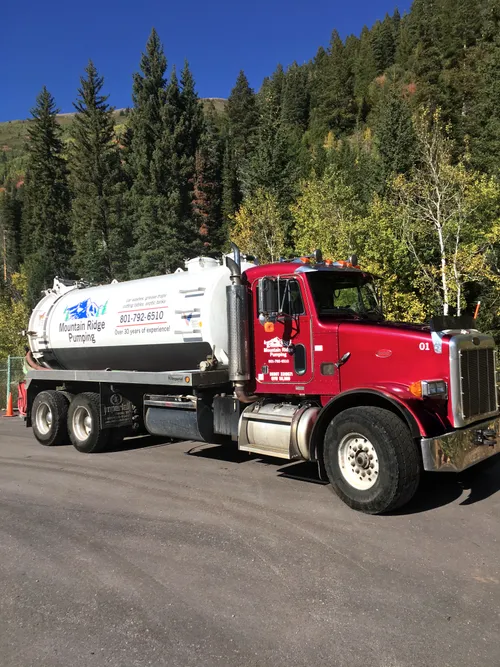
Mountain Ridge Pumping
Salt Lake City, UT
Mountain Ridge Pumping is a licensed and insured company based in Salt Lake City, UT, specializing in septic tank pumping and inspection services for both commercial and residential clients. With over 30 years of experience, they handle non-hazardous liquid waste removal from various sources including septic tanks, car wash pits, storm drains, and lift stations. The company emphasizes proper waste disposal and environmental responsibility by working with reputable waste treatment facilities.
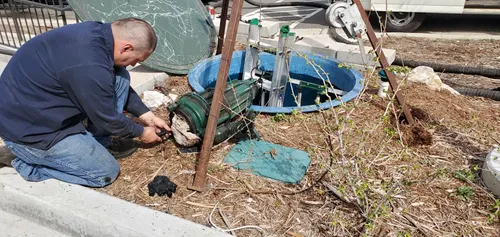
A&B Sewer & Drain Cleaning
1061 Major St, Salt Lake City, UT 84111
A&B Sewer & Drain Cleaning is a licensed, bonded, and insured company based in Salt Lake City, UT. They provide plumbing, sewer, and septic tank services for residential, commercial, and infrastructure clients. Their offerings include septic tank pumping, inspections, drain cleaning, water main replacement, and full video inspection services. The company serves both Utah and Nevada and is available around the clock for emergency plumbing needs.
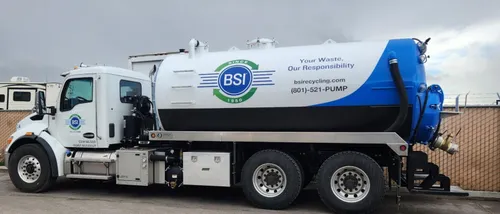
Beck's Sanitation
543 Iron Rose Pl, Salt Lake City, UT 84104
Beck's Sanitation is a family-owned sanitation company serving Salt Lake City, UT, with over 70 years of experience. They provide septic tank pumping and inspection along with grease trap cleaning, cooking oil recycling, storm drain maintenance, and wastewater management. Their services include commercial pumping and eco-friendly waste disposal, ensuring regulatory compliance and environmental safety. Beck's Sanitation also offers emergency clean-outs and routine maintenance to prevent blockages and flooding, supporting local businesses with reliable sanitation solutions.
Why Regular Septic System Evaluations Are Essential
Your septic system is a significant, out-of-sight investment. A routine septic system evaluation is the best way to catch minor issues before they become expensive, disruptive failures. In West Valley City, the soil conditions and climate can impact system performance, making proactive checks even more important. Regular inspections help prevent backups into your home, contamination of groundwater, and costly environmental damage. They are also a key part of responsible homeownership, giving you peace of mind that your wastewater is being treated safely.
Beyond maintenance, a septic tank check is often a mandatory step during major life events. If you are buying or selling a home, most lenders will require a passing inspection report. The Salt Lake County Health Department may also require an inspection and approval for major property additions or renovations to ensure the existing system can handle increased load. Staying ahead of these requirements with periodic reviews can make these transactions smoother and prevent last-minute surprises.
Understanding Local Regulations and Standards
Septic systems in West Valley City are regulated by the Salt Lake County Health Department and must adhere to standards set by the Utah Department of Environmental Quality (DEQ) 1. These rules govern the design, installation, maintenance, and inspection of systems that handle up to 5,000 gallons of wastewater per day. A key regulation is that any inspection, maintenance, or design work must be performed by a certified wastewater professional. This certification ensures the individual has the training to properly assess your system according to state code.
The state administrative rules specify that septic tanks must be structurally sound and watertight 2. Furthermore, components like septic tank effluent filters-which prevent solids from entering the drain field-require frequent inspection and cleaning as part of routine maintenance 3. While the state provides the framework, the local health department is your primary resource for confirming specific requirements, such as inspection frequency for your property type or any area-specific ordinances.
Recommended Inspection Frequency
How often should you schedule a septic system assessment? While the Salt Lake County Health Department provides guidelines, the ideal frequency depends on your household size, tank capacity, and overall usage. General recommendations suggest a professional inspection every 1 to 3 years 4. This regular schedule allows a technician to measure sludge and scum accumulation accurately, which determines the necessary pumping interval-typically every 3 to 5 years 4. Staying on this maintenance cycle is far more cost-effective than dealing with a full system failure.
What Happens During a Professional Inspection?
A comprehensive septic tank inspection in Utah is a multi-step process conducted by a certified professional. It goes beyond just looking at the tank to evaluate the entire system's operation. Here's what you can typically expect:
- Locating the System: The inspector will locate all components, including the septic tank and drain field, using property records, probe rods, or electronic locating equipment. This is a crucial first step, especially if lids are buried.
- Uncovering Access Ports: The inspector will dig down to uncover the tank's manhole or inspection ports. This provides clear access to the interior for a thorough examination.
- Measuring Sludge and Scum: Using specialized tools, the inspector will measure the depth of sludge (solids at the bottom) and scum (floating fats and oils). These measurements determine if the tank needs immediate pumping and help estimate how quickly it fills 5.
- Inspecting Tank Components: The interior and exterior of the tank are checked for cracks, leaks, and structural integrity. Baffles (or tees) and the effluent filter (if present) are inspected for damage or blockages to ensure proper flow and filtration 6.
- Checking the Drain Field: The inspector will evaluate the drain field area for signs of failure. This includes looking for soggy ground, foul odors, or unusually lush grass-all indicators that untreated wastewater may be surfacing 7 8.
Find the perfect septic tank inspection companies for your needs
Get personalized recommendations and expert advice
Cost Considerations for Inspection and Pumping
Understanding the potential costs helps in budgeting for this essential home maintenance. In the West Valley City area, prices can vary based on the provider, tank size, and the complexity of the job.
- Septic Pumping Costs: The most common associated service, pumping, generally ranges from $290 to $700 for a standard residential tank 9. This price can be higher for larger tanks or if the access lids are deeply buried and require extensive digging to locate.
- Inspection Fees: Many companies offer a septic system inspection bundled with a pumping service. If performed separately, inspection fees will vary by provider. It's wise to get detailed quotes that clarify what the inspection includes (e.g., drain field evaluation, camera scoping) 10.
- Additional Potential Costs: Be prepared for possible extra charges. If repairs are needed-such as fixing a cracked baffle, replacing a filter, or sealing a leak-these will be additional. The initial quote should specify if it covers only the inspection or if it includes opening the tank and measuring sludge levels 11.
Always ask for a detailed, written estimate before work begins. A reputable inspector will be transparent about their fees and what each line item covers.
Choosing a Qualified Inspection Professional
Selecting the right professional is critical for a reliable assessment. Always verify that the individual or company holds current wastewater certification from the state of Utah 12. You can ask for their certification number and confirm it with the DEQ. Look for providers with strong local experience in West Valley City and the surrounding Salt Lake Valley, as they will be familiar with common soil types and system designs in the area.
Before hiring, ask about their specific inspection process. Do they evaluate both the tank and the drain field? Do they provide a written report with photos and recommendations? Checking online reviews and asking for references from past clients can also provide insight into their reliability and customer service. Remember, the goal is to find a knowledgeable expert who can give you an accurate picture of your system's health and guide your maintenance decisions.
Preparing for Your Septic Inspection
A little preparation on your part can make the inspection process smoother and more efficient. If you know the location of your tank and drain field, have that information ready for the inspector. Clear any vehicles, storage items, or landscaping debris from the area above the tank and drain field to provide easy access. It's also helpful to have a record of any past maintenance, pumping, or repairs available for the inspector to review.
Ensure that all household drains and toilets are accessible and in working order, as the inspector may need to run water to check system flow. By taking these steps, you help the professional complete a thorough job without delays, ensuring you get the most comprehensive evaluation possible 13.
Frequently asked questions
Sources
Footnotes
-
Septic & Onsite Wastewater Systems - Waste - Salt Lake County - https://www.saltlakecounty.gov/health/waste/septic/ ↩
-
DAR File No. 39821 - Utah Administrative Rules - https://rules.utah.gov/publicat/bulletin/2015/20151101/39821.htm ↩
-
TriCounty Health Department TCHD-WW-0317 Wastewater Regulation - https://www.utah.gov/pmn/files/938461.pdf ↩
-
Frequent Questions on Septic Systems | US EPA - https://www.epa.gov/septic/frequent-questions-septic-systems ↩ ↩2
-
Septic Systems: permitting, re-certifications and how to care for your ... - https://tooelehealth.org/septic-tanks-wastewater/ ↩
-
How Septic Systems Are Inspected - https://bennettinc.ca/blog/how-septic-systems-are-inspected/ ↩
-
Septic Inspection Explained: What Homeowners Can Expect - https://www.townesseptic.com/blog/what-happens-during-a-septic-inspection ↩
-
What to Expect During a Septic System Inspection | Able Plumbing - https://www.ableplumbingsolutions.com/what-to-expect-during-a-septic-system-inspection/ ↩
-
Septic Pumping in West Valley City, UT - WasteDoor - https://wastedoor.com/utah/west-valley-city/septic-pumping ↩
-
A Complete Guide to Septic System Inspections | GAI Inc - https://www.guardianangelinspections.com/complete-guide-septic-system-inspection ↩
-
what is septic inspection? | ProSpect Inspection Services - https://gopro-spect.com/what-is-a-septic-inspection/ ↩
-
Wastewater Certification Permit Guide - https://deq.utah.gov/permits/permit-guide/wastewater-certification-permit-guide ↩
-
Preparing for Septic Tank Inspection: 7 Key Steps | Septic System Professionals - https://septic911.com/preparing-for-septic-tank-inspection/ ↩