Find the Best Septic Tank Inspection Companies for Your Business
No obligation • Fast responses • Nationwide coverage

Why you can trust Septic Spot
Septic Spot is a leading United States resource for understanding and comparing septic services. Our editors review providers using consistent criteria and verify key business details. Listings and scores are independent, and companies cannot pay to influence our content.
Search providers near you
Top Septic Tank Inspection Companies in Wauwatosa, Wisconsin Ranked
A septic tank inspection is a critical evaluation of your Private On-site Wastewater Treatment System (POWTS) to ensure it is functioning safely and legally. In Wisconsin, these inspections are not just recommended-they are required by law to protect public health and the environment. This guide will help you understand the process, requirements, and how to find qualified local professionals to perform your essential system check.

Understanding Wisconsin's Septic System Inspection Law
In Wauwatosa and throughout the state, Wisconsin law mandates that all septic systems be inspected at least once every three years1 2 3. This regulation is designed to catch potential failures before they become environmental hazards or public health risks. The property owner is legally responsible for ensuring this inspection is completed and that the required report is filed with the local authority, which for the Wauwatosa area is typically the Milwaukee County environmental health services1 3 4. Staying compliant with this three-year cycle helps avoid costly fines and protects your property investment.
What Does a Professional Septic Inspection Involve?
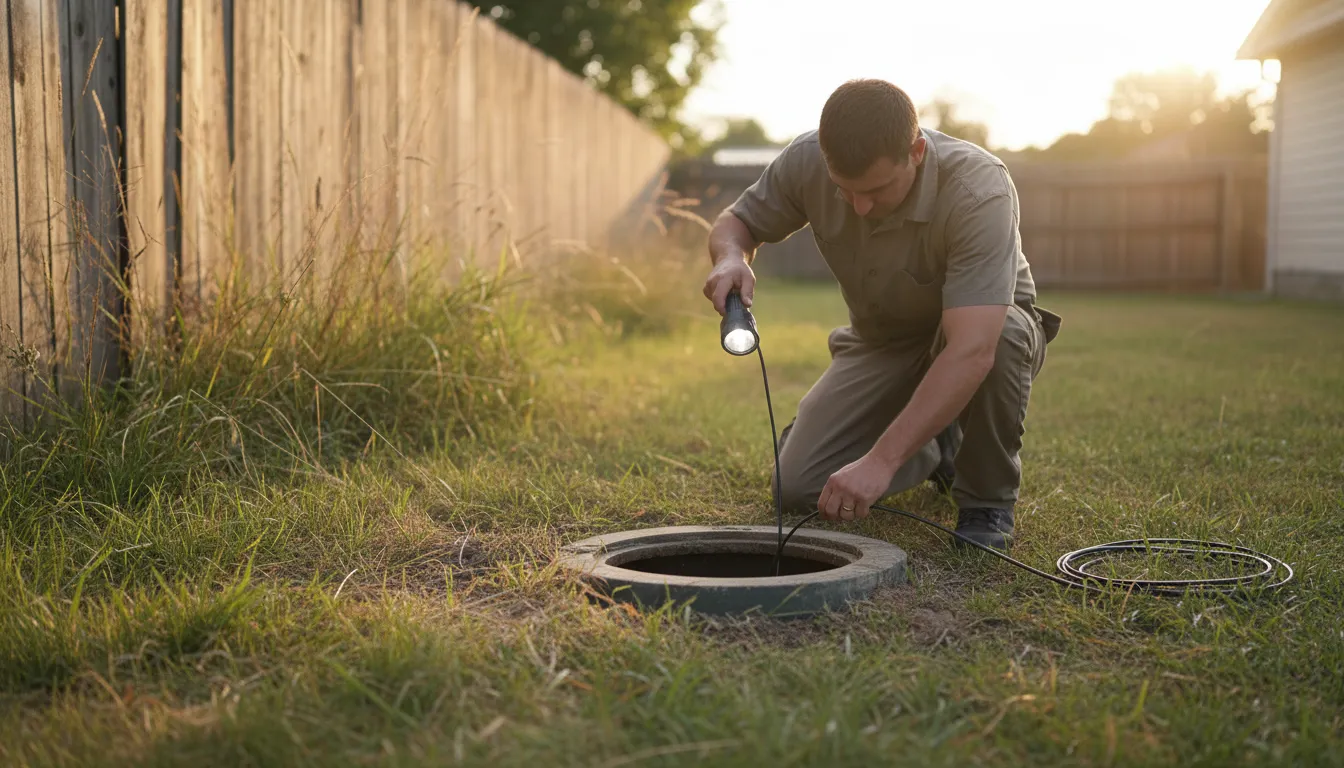
A thorough septic system evaluation is a multi-step process conducted by a licensed professional. It goes far beyond just checking if the tank is full.
Initial System Location and Access The inspector will first locate all system components, including the tank, distribution box, and the soil absorption field (drain field). This may involve probing the ground or referencing property records. Ensuring all tank lids and access ports are uncovered is a crucial first step for a complete assessment.
Internal Tank Assessment This is the core of the inspection. The professional will:
- Measure Sludge and Scum Layers: Using specialized tools, they measure the depth of the sludge layer at the bottom and the scum layer at the top. Wisconsin law triggers a mandatory pumping if the combined layers occupy more than one-third of the tank's liquid depth 5.
- Inspect Tank Integrity: The inspector checks for cracks, leaks, or corrosion in the tank walls, lids, and baffles. Damaged baffles can allow solids to escape into the drain field, causing premature failure.
- Evaluate Components: All mechanical parts are examined. This includes checking effluent filters (which should be cleaned during service), inspecting pumps, and testing electrical float switches and alarms if present.
Drain Field and Final Reporting The inspector will also look for signs of drain field failure, such as soggy ground or effluent surfacing. Finally, they provide a detailed report on the system's condition, noting any issues and required actions, which serves as your official compliance record.
Costs Associated with Inspections and Pumping
Understanding the potential costs helps homeowners budget for this necessary maintenance. A standard septic tank inspection in Wisconsin generally costs between $200 and $4006. If the inspection reveals that pumping is needed-which is common during the three-year check-you can expect to pay an additional $300 to $600 for pumping services6. The total cost can vary based on tank size, accessibility, and whether any components like filters need cleaning or repair. Investing in regular inspection is far less expensive than the cost of repairing a failed drain field or addressing environmental contamination.
Find the perfect septic tank inspection companies for your needs
Get personalized recommendations and expert advice
Special Considerations for Wauwatosa Homeowners
Certain system types and situations require extra attention beyond the standard three-year rule.
High-Risk and Complex Systems If your system includes a pump, an advanced treatment unit, or is located in an environmentally sensitive area, it may be subject to more frequent inspections. These components have a higher risk of malfunction and can lead to rapid system failure if not monitored closely. Always follow the specific maintenance plan provided by your system designer or installer.
The Importance of Record Keeping Always keep copies of your inspection reports, pumping receipts, and any repair invoices. Local health departments can request proof of maintenance at any time, and these records are invaluable if you decide to sell your home7 8. A well-documented maintenance history demonstrates responsible ownership and can smooth the real estate transaction process.
What Happens If You Skip an Inspection? Failing to comply with the state-mandated inspection schedule can result in notices from your local health department and potential fines. More importantly, an unchecked system can fail silently. A failing septic system can contaminate groundwater, create unsanitary conditions on your property, and lead to repair bills in the tens of thousands of dollars. Regular inspection is your first line of defense.
Maintaining Your System Between Inspections
Professional inspections are mandatory, but good daily habits extend the life of your entire wastewater treatment system.
- Conserve Water: Fix leaks and spread out laundry loads to avoid overwhelming the drain field.
- Mind What You Flush: Only human waste and toilet paper should go down the drain. Avoid chemicals, grease, wipes, and feminine hygiene products.
- Protect the Drain Field: Never park vehicles or build structures over the soil absorption area. Keep rainwater drainage systems away from it.
- Know the Signs of Trouble: Be alert for slow drains, gurgling pipes, sewage odors, or unusually lush grass over the drain field.
By combining mandatory professional evaluations with conscientious daily use, you ensure your septic system operates reliably for decades, protecting your home, your health, and Wisconsin's environment.
Frequently asked questions
Sources
Footnotes
-
Wisconsin Septic System Inspections | What You Need to Know - https://sunsetseptic.com/what-are-wisconsin-septic-system-inspections/ ↩ ↩2
-
POWTS Maintenance Information | Douglas County, WI - https://www.douglascountywi.gov/1070/POWTS-Maintenance-Information ↩
-
Private Wells & Septic Systems | Public Health Madison ... - https://publichealthmdc.com/home-environment/private-wells-septic-systems ↩ ↩2
-
SEPTIC SYSTEM GENERAL INFORMATION - https://www.woodcountywi.gov/departments/pz/Doc/Septic%20System%20Information%20for%20Homeowners.pdf ↩
-
Wisconsin's 3-Year Septic Inspection - Toombs Septic Services - https://toombssepticservices.com/septic-services/wisconsins-3-year-septic-inspection/ ↩
-
WI Well & Septic Inspections 2026: Buyer's Complete Guide - https://askdoss.com/how-to-handle-well-and-septic-inspections-in-wisconsin-what-buyers-must-know/ ↩ ↩2
-
Homeowner's Guide to Septic Systems - https://www.co.richland.wi.us/departments/zoning/sanitation/homeowner_guide_long.pdf ↩
-
Wisconsin Maintenance Program - DSPS - https://dsps.wi.gov/Documents/Programs/POWTS/POWTSMaintenanceProgramBrochure.pdf ↩