Find the Best Septic Tank Inspection Companies for Your Business
No obligation • Fast responses • Nationwide coverage

Why you can trust Septic Spot
Septic Spot is a leading United States resource for understanding and comparing septic services. Our editors review providers using consistent criteria and verify key business details. Listings and scores are independent, and companies cannot pay to influence our content.
Search providers near you
Top Septic Tank Inspection Companies in West Allis, Wisconsin Ranked
A septic tank inspection is a professional assessment of your private wastewater system's health and functionality. In West Allis, these evaluations are not just a good idea-they are a legal requirement for protecting public health and the environment. This guide explains the local rules, what happens during an inspection, and how you can find qualified professionals to ensure your system passes with flying colors.

Understanding Wisconsin's 3-Year Inspection Mandate
If you own a home with a septic system, often called a Private Onsite Wastewater Treatment System (POWTS) in Wisconsin, you are subject to a mandatory inspection cycle. State law, specifically enforced through SPS 383/384, requires that these systems be inspected at least once every three years. This 3-year rule is designed to catch minor issues before they become major, expensive failures that can contaminate groundwater or cause backups in your home.
In the West Allis area, this process is typically managed at the county level. You will likely receive a notice from the local health department or county authority when your inspection is due, reminding you to submit a maintenance report completed by a licensed professional 1. Adhering to this schedule is crucial; missing an inspection deadline can result in fines and legal complications.
Who is Qualified to Perform Your Inspection?
Not just anyone can sign off on your septic system's health. To be valid for the state-mandated report, the inspection must be performed by a qualified individual. Acceptable professionals include 2:
- A licensed plumber.
- A certified septic system inspector.
- A licensed sewage system servicer.
Always verify the credentials of any provider you contact. A qualified inspector will have the knowledge to assess all system components-from the tank itself to the pumps, distribution box, and drainfield-against Wisconsin's specific codes.
What Happens During a Professional Septic Inspection?
A thorough septic system evaluation is a multi-step process. Knowing what to expect can help you prepare. A standard inspection in West Allis typically includes 3:
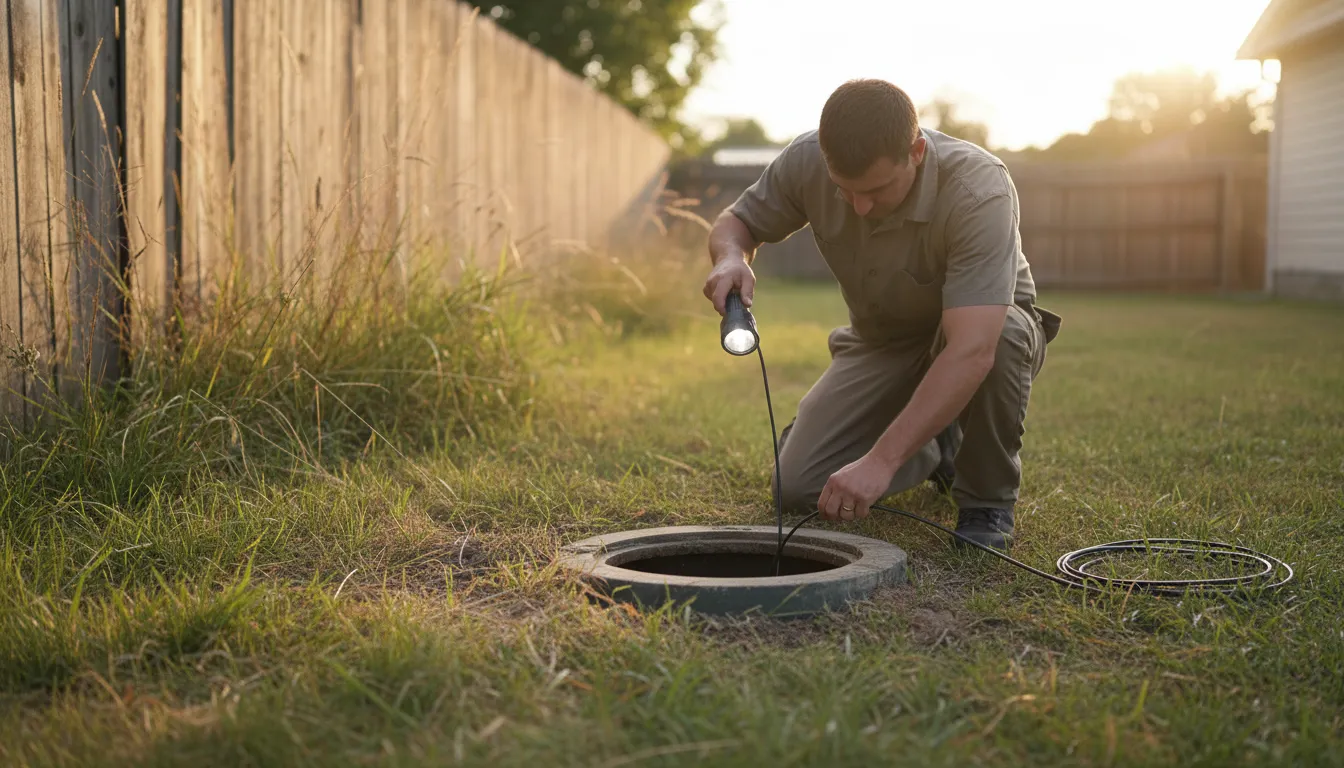
1. Locating and Accessing the System: The inspector will find and safely open the tank's access covers. If the lids are buried, you may need to have them exposed beforehand to avoid additional digging charges.
2. Measuring Sludge and Scum Layers: This is the core of the inspection. Using specialized tools, the inspector measures the depth of the sludge (solid waste at the bottom) and scum (floating fats and grease). Wisconsin code specifies that pumping is required if the scum layer is within 6 inches or if the sludge is within 12 inches of the outlet baffle or tee 4. This measurement determines if your tank needs immediate pumping.
3. Inspecting Tank Components: The inspector checks the tank's structural integrity for cracks, leaks, or corrosion. They also examine critical internal parts like the inlet and outlet baffles or tees, which are essential for preventing solids from flowing into the drainfield.
4. Assessing the Entire System: The inspection goes beyond the tank. For systems with pumps, electrical components, floats, and alarms are tested. The inspector will also check the drainfield area for any signs of surface failure, such as soggy ground, foul odors, or unusually lush grass, which indicate a serious problem.
5. Reporting: Finally, the licensed professional will complete the official maintenance report form, detailing their findings and any necessary actions (like pumping or repairs). You are responsible for submitting this report to your local municipality to fulfill your legal obligation.
Cost of Septic Inspections and Related Services
Understanding the potential costs helps in budgeting for this necessary maintenance. In the West Allis area, pricing generally falls within these ranges5 6 7:
- Routine 3-Year Inspection: A standard inspection to meet the state mandate typically costs between $200 and $400.
- Septic Tank Pumping: If the inspection reveals your tank is full, pumping usually costs between $300 and $600, depending on tank size and accessibility.
- Combined Service: Many homeowners opt to have pumping done at the same time as their 3-year inspection. Some providers may offer a bundled price, which can be more cost-effective than scheduling separate visits.
- Additional Services: Be aware that extra services incur additional fees. These can include camera inspections of lines ($100-$250), excavating to find buried tank lids, or minor repairs like replacing a damaged baffle.
A detailed, buyer-initiated inspection during a real estate transaction may also be at the higher end of the scale, as it often includes a more comprehensive evaluation for liability purposes 8.
Find the perfect septic tank inspection companies for your needs
Get personalized recommendations and expert advice
The Critical Link Between Inspection and Pumping
While inspection and pumping are distinct services, they are intimately connected. The primary goal of the mandatory three-year check is to determine if and when pumping is needed9. Even if your system seems to be draining fine, sludge can accumulate silently, reducing the tank's effective volume and eventually sending solids into the drainfield-the most common cause of costly system failure.
Most experts recommend pumping every 3 to 5 years, but the actual need is based on usage and the inspector's measurements10. Never skip an inspection because your tank was recently pumped; the inspector must still verify the condition of all system components and file the required legal paperwork.
Preparing Your Property for an Inspection
A little preparation can make the inspection process smoother and faster. Here are a few steps to take before the professional arrives11:
- Locate Your System: Know where your tank and access lids are. If they are buried, consider having them dug up and exposed beforehand.
- Clear Access: Ensure the inspector can easily reach the tank with their truck and equipment. Move vehicles, lawn furniture, or other obstacles.
- Provide Records: Have any past inspection reports, pumping receipts, or system diagrams available for the inspector to review.
- Note Any Issues: Point out any concerns you have, such as slow drains, gurgling sounds, or wet spots in your yard.
Consequences of Failing to Inspect
Ignoring the three-year inspection requirement is risky. Beyond the potential for sudden, catastrophic system failure in your yard, there are legal and financial repercussions. Local health departments can issue citations and fines for non-compliance12. Furthermore, if you plan to sell your home, an out-of-compliance septic system will almost certainly be flagged during the transfer of ownership, potentially derailing the sale or requiring emergency, and often more expensive, servicing to bring it up to code.
Regular inspection is a small investment that protects your property value, your family's health, and Wisconsin's groundwater.
Frequently asked questions
Sources
Footnotes
-
Septic Systems | Waukesha County - https://www.waukeshacounty.gov/parks-and-land-use/environmental-health/septic-systems/ ↩
-
Wisconsin Septic System Inspections | What You Need to Know - https://sunsetseptic.com/what-are-wisconsin-septic-system-inspections/ ↩
-
Septic Inspection Process Septic 911: A Comprehensive Guide - https://septic911.com/septic-inspection-process-septic-911/ ↩
-
Wisconsin's 3-Year Septic Inspection - Toombs Septic Services - https://toombssepticservices.com/septic-services/wisconsins-3-year-septic-inspection/ ↩
-
WI Well & Septic Inspections 2026: Buyer's Complete Guide - https://askdoss.com/how-to-handle-well-and-septic-inspections-in-wisconsin-what-buyers-must-know/ ↩
-
How Much Does a Septic Inspection Cost? [2026 Data] - Angie's List - https://www.angi.com/articles/septic-inspection-cost.htm ↩
-
Septic Tank Pumping Cost: Guide & Pricing in 2025 - Splash Plumbing - https://www.splashplumbing.com/how-much-does-it-cost-to-pump-septic-tank-understanding-pricing-and-factors-involved/ ↩
-
What is a Septic Inspection - And Should You Get One? - https://orchard.com/blog/posts/what-is-a-septic-inspection ↩
-
Wisconsin Maintenance Program - DSPS - https://dsps.wi.gov/Documents/Programs/POWTS/POWTSMaintenanceProgramBrochure.pdf ↩
-
Homeowner's Guide to Septic Systems - https://www.co.richland.wi.us/departments/zoning/sanitation/homeowner_guide_long.pdf ↩
-
Preparing for Septic Tank Inspection: 7 Key Steps | Septic System Professionals - https://septic911.com/preparing-for-septic-tank-inspection/ ↩
-
Septic System Inspection Requirements | Don't Miss the Deadline - https://sunsetseptic.com/septic-system-inspection-requirements-wisconsin/ ↩