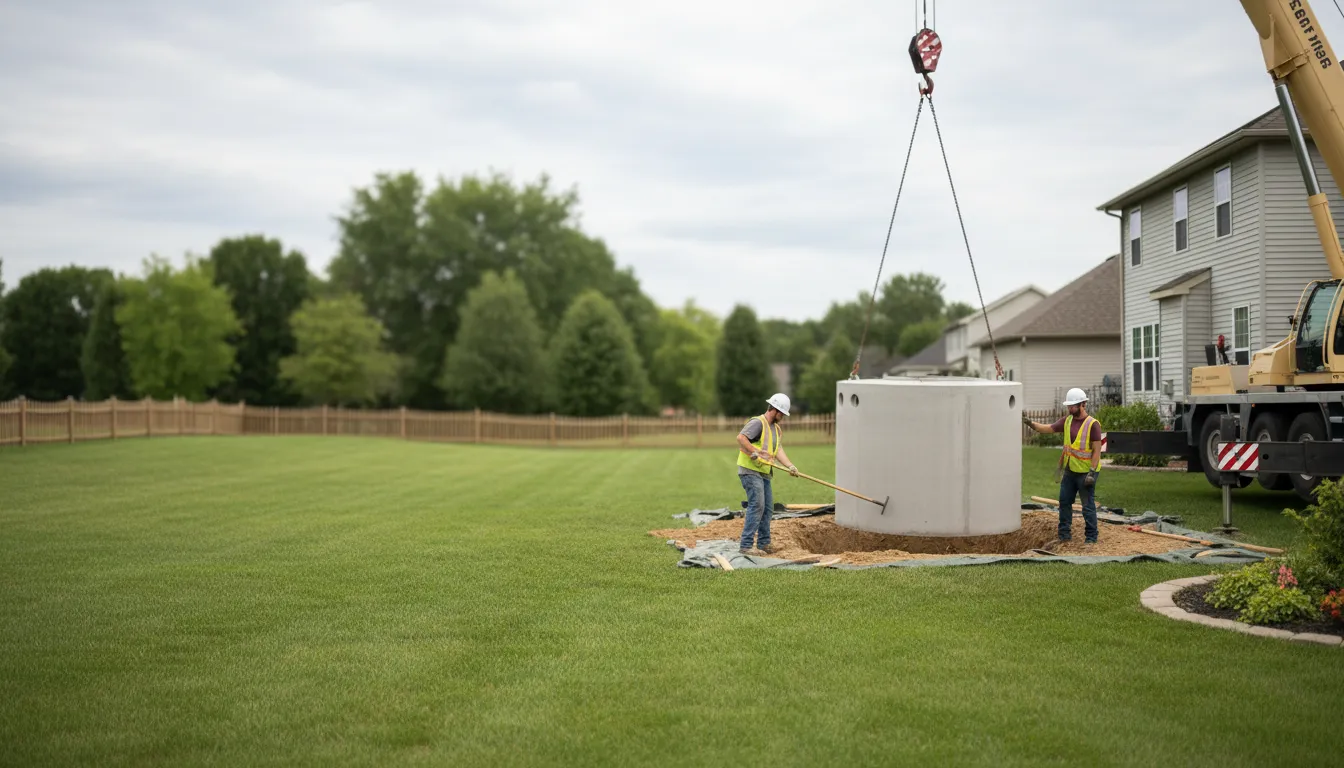
Find the Best Septic Tank Installation & Replacement Contractors for Your Business
No obligation • Fast responses • Nationwide coverage

Why you can trust Septic Spot
Septic Spot is a leading United States resource for understanding and comparing septic services. Our editors review providers using consistent criteria and verify key business details. Listings and scores are independent, and companies cannot pay to influence our content.
Search providers near you
Top Septic Tank Installation & Replacement Contractors in East Honolulu, Hawaii Ranked
Installing or replacing a septic system in East Honolulu is a significant project governed by strict state and local regulations. This process ensures that wastewater is treated safely to protect public health and Hawaii's unique environment. Whether you're building a new home, replacing an old cesspool, or upgrading an existing system, understanding the required steps and working with qualified local professionals is essential. The information here can help you navigate the process, from initial site assessment to final inspection.
First Quality Environmental
41-717 Kakaina St, Waimanalo, HI 96795
First Quality Environmental is a licensed wastewater contracting firm based in Honolulu, HI, specializing in septic tank installation, cesspool closures, grease interceptor installation, and septic tank pumping. Since 1991, they have provided tailored wastewater solutions for homeowners and industrial clients, ensuring systems meet Department of Health standards and protect Hawaii's environment. Their services include design, installation, soil percolation testing, and securing necessary approvals, with a focus on preserving the island's natural beauty.
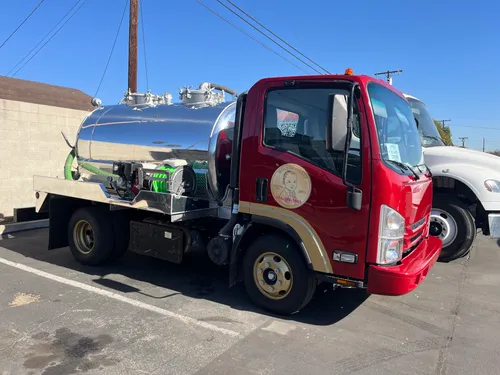
Golden Penny Sanitation Inc
Honolulu, HI
Golden Penny Sanitation Inc is a locally owned company providing sanitation services in Honolulu, HI. They serve residential homes, restaurants, and commercial properties with services including septic tank pumping, septic system installation and replacement, grease trap cleaning, restaurant waste oil recycling, sewer and drain cleaning, and sewer line repair. The company offers licensed, code-compliant septic system installations and uses advanced methods like hydro jetting for drain cleaning. With over 10 years of experience, Golden Penny Sanitation Inc also provides 24/7 sanitation support for emergency needs.
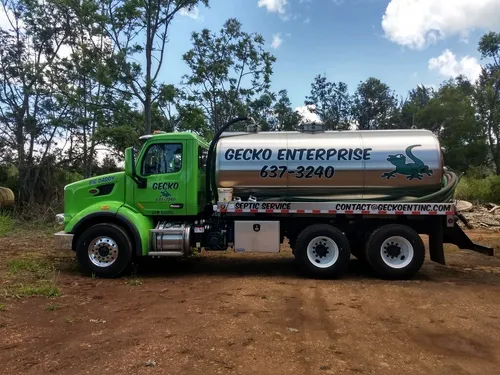
Gecko Enterprises
Honolulu, HI
Gecko Enterprises is a septic services company based in Honolulu, HI, offering a range of services including septic tank pumping, inspections, repairs, and installations. They also handle cesspool cleaning, wastewater hauling, and leach field repair or replacement. The company is licensed, insured, certified, and approved by the Department of Health. Since 1989, Gecko Enterprises has provided wastewater treatment operations and maintenance for both residential and commercial clients, emphasizing education on septic system care.
Understanding Hawaii's Wastewater Mandate
A critical driver for septic system work across the islands is Hawaii's statewide mandate to eliminate all cesspools by January 1, 2050 1. Cesspools, which are essentially holes in the ground that discharge raw sewage, are being phased out due to their negative impact on groundwater and coastal waters. For property owners in East Honolulu, this means planning for a septic system installation or a connection to municipal sewer lines is not just an upgrade-it's a future legal requirement. Starting the process early is advisable, as design, permitting, and construction can take considerable time.
The Role of Licensed Professionals
You cannot legally install a septic system on your own in Hawaii. The state requires a team of licensed experts to ensure the system is designed and built correctly.
- Design Engineer: A Hawaii-licensed civil or professional engineer must design the system. They perform the critical site evaluations and create the plans submitted for approval 2.
- Installing Contractor: The physical installation must be performed by a contractor holding specific licenses, such as an A (General Engineering), C-9 (Structural Steel), C-37 (Masonry), C-37a (Rock Drilling and Boring), or C-43 (Sandblasting) license. Always verify a contractor's license is current with the Hawaii Department of Commerce and Consumer Affairs.
- System Inspector: The Hawaii Department of Health (DOH) Wastewater Branch or an approved third-party inspector must inspect the installation before the tank and drain field are covered.
Step-by-Step: From Soil Test to System Operation
The journey to a new septic system typically follows a structured path that takes 6 to 8 weeks or more from start to finish.
1. Initial Site Assessment and Soil Percolation Test
The foundation of any septic system design is understanding the property's soil. A licensed engineer will conduct a soil percolation test ("perc test") 3. This involves digging test holes to the proposed depth of the leaching field, saturating them with water, and measuring how quickly the water drains 4 5. The percolation rate determines the size and type of absorption system needed. If the soil drains too slowly or too quickly, a specialized alternative system may be required.
2. System Design and Plan Submission
Based on the soil test results and the home's size (typically determined by the number of bedrooms), the engineer designs the system. Standard residential septic tanks in Hawaii are often sized between 1,000 and 1,250 gallons. The complete design package, including the site plan and engineering specifications, is then submitted to the Hawaii DOH Wastewater Branch for review and approval.
3. Permit Acquisition
Once the DOH approves the plans, the installing contractor obtains the necessary local construction permits. This step formalizes the permission to begin excavation and installation on your property.
4. Excavation and Installation
With permits in hand, the contractor excavates the site for the septic tank and drain field. The engineer or an approved representative must be present to monitor critical stages of the installation, such as tank placement, pipe alignment, and gravel bed preparation 6. Proper installation is crucial for long-term performance and preventing costly failures.
5. Final Inspections and Approval
Before backfilling the trenches, a final inspection is mandatory. A DOH inspector checks that the installation matches the approved plans, ensuring the tank is level, pipes have the correct slope, and the drain field is constructed properly 7. After passing inspection, the contractor submits a final report and certification to the DOH to close out the permit.
Find the perfect septic tank installation & replacement contractors for your needs
Get personalized recommendations and expert advice
System Types and Considerations for East Honolulu
While conventional gravity-fed systems are common, East Honolulu's varied topography and soil conditions often necessitate alternative systems.
- Conventional Systems: These rely on gravity to move wastewater from the tank to a subsurface drain field. They are suitable for properties with adequate soil depth and correct percolation rates.
- Alternative Systems: These include mound systems, aerobic treatment units (ATUs), or pressure-dosed drain fields. They are engineered solutions for challenging sites with high groundwater, shallow bedrock, or poor soil absorption 8. Your design engineer will recommend the appropriate system based on the site assessment.
Understanding the Investment
The cost of a complete septic system installation in Hawaii is significant and varies widely based on site-specific challenges. For a standard residential system, homeowners should be prepared for costs that often exceed $10,000 to $20,000 or more 9 10 11. Factors influencing the price include:
- Site Accessibility: Difficult terrain or limited access can increase excavation costs.
- Soil Conditions: Poor percolation may require a more expensive alternative system.
- System Size and Complexity: Larger homes or properties with specific wastewater needs will require a larger, more complex system.
- Engineering and Permitting: Fees for design, soil testing, and permit applications are a substantial part of the budget 12.
Long-Term Maintenance is Key
A properly installed system is only the beginning. Protecting your investment requires regular maintenance.
- Pumping: Septic tanks should be pumped every 3 to 5 years to remove accumulated solids and prevent clogging of the drain field 13 14.
- Inspections: Having a professional inspect the entire system, including the tank, baffles, and drain field, every 3-5 years can catch minor issues before they become major failures.
- Responsible Use: Avoid flushing non-biodegradable items, excessive use of garbage disposals, and pouring harsh chemicals down the drain, as these can disrupt the bacterial balance essential for wastewater treatment.
Frequently asked questions
Sources
Footnotes
-
Haw. Code R. § 11-62-33.1 - Specific requirements for new and ... - https://www.law.cornell.edu/regulations/hawaii/Haw-Code-R-SS-11-62-33-1 ↩
-
Residential Septic Tank Installation Hawaii | Home Septic ... - https://acsihawaii.com/residential-septic-tank-installation-near-honolulu-county-hawaii ↩
-
wastewater branch - Hawaii Department of Health - https://health.hawaii.gov/wastewater/files/2013/06/sef.pdf ↩
-
Perc Testing and Soil Testing - What You Need to Know - https://buildingadvisor.com/buying-land/septic-systems/soil-and-perc-testing/ ↩
-
How To Install A Septic System Correctly - https://smartsepticpros.com/blog/how-to-install-a-septic-system/ ↩
-
The Ultimate Guide to Septic System Installation Process - https://septic911.com/septic-system-installation-process/ ↩
-
Individual Wastewater Systems - Hawaii Department of Health - https://health.hawaii.gov/wastewater/home/iws/ ↩
-
The Complete Guide to Soil Testing for Septic System Design: Ensuring Regulatory Compliance and System Longevity - https://www.mapengineering.net/the-complete-guide-to-soil-testing-for-septic-system-design/ ↩
-
Septic System Design Costs in Kauai: What to Expect - https://kauaiwastewatersolutions.com/blog/cost-of-septic-system-design-kauai/ ↩
-
Septic System Install Timeline | RCI Septic Service - https://www.rciseptic.com/complete-step-by-step-timeline-septic-system-installation-from-permit-to-finish ↩
-
onsite wastewater treatment survey and assessment - https://health.hawaii.gov/wastewater/files/2013/06/onsitesurvey.pdf ↩
-
Septic System Design Costs in Kauai: What to Expect - https://kauaiwastewatersolutions.com/blog/cost-of-septic-system-design-kauai/ ↩
-
Hawaii Septic Tank Requirements | Individual Wastewater Systems - https://www.ntotank.com/blog/hawaii-septic-tank-requirements ↩
-
General Info and FAQ | Wastewater Branch - https://health.hawaii.gov/wastewater/home/general-info-and-faq/ ↩