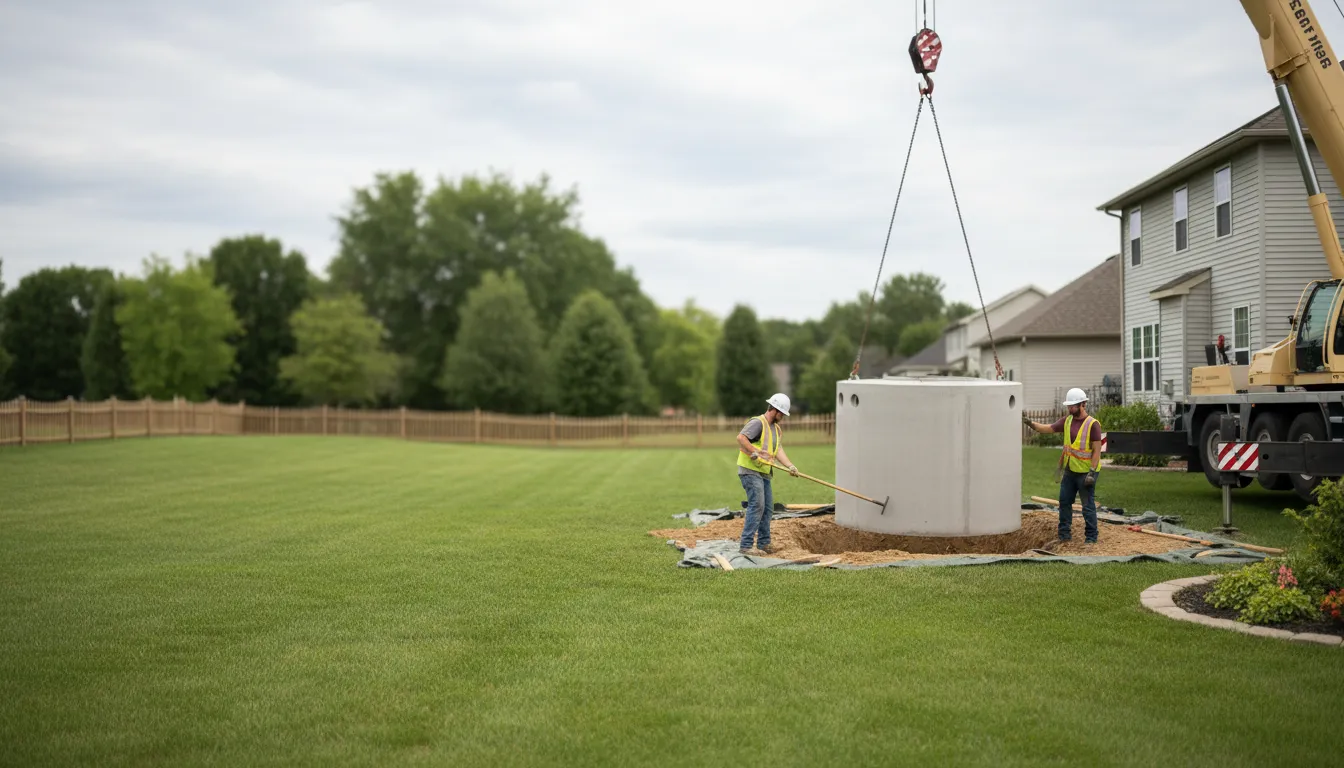
Find the Best Septic Tank Installation & Replacement Contractors for Your Business
No obligation • Fast responses • Nationwide coverage

Why you can trust Septic Spot
Septic Spot is a leading United States resource for understanding and comparing septic services. Our editors review providers using consistent criteria and verify key business details. Listings and scores are independent, and companies cannot pay to influence our content.
Search providers near you
Top Septic Tank Installation & Replacement Contractors in Honolulu, Hawaii Ranked
Installing or replacing a septic system in Honolulu is a significant project governed by strict state and local regulations. This process is essential for safely managing household wastewater, protecting public health, and preserving Oʻahu's delicate environment, especially as Hawaii mandates the conversion of outdated cesspools. For homeowners, navigating the requirements for a new septic tank installation or a full system replacement involves working with licensed professionals and securing approvals from the Hawaii Department of Health. The following guide outlines the key steps, costs, and considerations to help you understand the process of finding qualified local providers for your septic system needs.
First Quality Environmental
41-717 Kakaina St, Waimanalo, HI 96795
First Quality Environmental is a licensed wastewater contracting firm based in Honolulu, HI, specializing in septic tank installation, cesspool closures, grease interceptor installation, and septic tank pumping. Since 1991, they have provided tailored wastewater solutions for homeowners and industrial clients, ensuring systems meet Department of Health standards and protect Hawaii's environment. Their services include design, installation, soil percolation testing, and securing necessary approvals, with a focus on preserving the island's natural beauty.
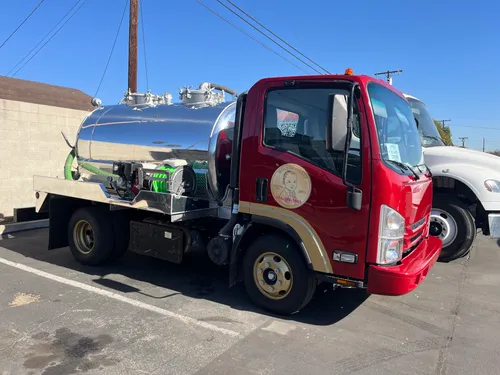
Golden Penny Sanitation Inc
Honolulu, HI
Golden Penny Sanitation Inc is a locally owned company providing sanitation services in Honolulu, HI. They serve residential homes, restaurants, and commercial properties with services including septic tank pumping, septic system installation and replacement, grease trap cleaning, restaurant waste oil recycling, sewer and drain cleaning, and sewer line repair. The company offers licensed, code-compliant septic system installations and uses advanced methods like hydro jetting for drain cleaning. With over 10 years of experience, Golden Penny Sanitation Inc also provides 24/7 sanitation support for emergency needs.
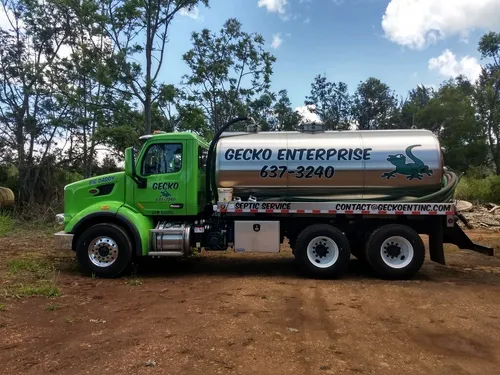
Gecko Enterprises
Honolulu, HI
Gecko Enterprises is a septic services company based in Honolulu, HI, offering a range of services including septic tank pumping, inspections, repairs, and installations. They also handle cesspool cleaning, wastewater hauling, and leach field repair or replacement. The company is licensed, insured, certified, and approved by the Department of Health. Since 1989, Gecko Enterprises has provided wastewater treatment operations and maintenance for both residential and commercial clients, emphasizing education on septic system care.
Understanding the Regulatory Landscape in Honolulu
All septic system installations and replacements on Oʻahu fall under the jurisdiction of the Hawaii Department of Health (DOH) Wastewater Branch. The state has stringent rules, particularly due to the ongoing mandate to convert an estimated 83,000 cesspools statewide. A cesspool is a simple pit that discharges untreated waste directly into the ground, posing a contamination risk to groundwater and coastal waters. Replacing a cesspool with a modern individual wastewater system (IWS) is not just an upgrade-it's often a legal requirement for environmental protection.
The core rule for any new construction or major replacement is that the system must be designed by a licensed professional engineer (PE). This isn't a recommendation; it's a mandatory step for DOH approval. The engineer ensures the system design complies with all codes, including the International Association of Plumbing and Mechanical Officials (IAPMO) standards as adopted by Hawaii. This regulatory framework means your project will involve a team: a civil engineer for design and a licensed contractor for the physical installation.
The Step-by-Step Process for Installation or Replacement
The journey from planning to a functioning septic system involves multiple defined stages. Skipping or rushing any step can lead to failed inspections, costly delays, or a system that doesn't meet code.
1. Site Evaluation and Percolation Testing
Before any design work begins, a licensed civil engineer must evaluate your property. This critical phase includes:
- Soil Percolation ("Perc") Test: This test determines how quickly water drains through your soil. The results dictate the size and type of drain field (leach field) needed.
- Topographical Survey: The engineer maps the slope, elevation, and layout of your property to plan the system's placement in accordance with setback rules.
2. System Design and DOH Plan Submission
Using the site evaluation data, the engineer creates detailed, engineered plans for the entire onsite wastewater treatment system. This design specifies:
- Septic tank size (typically based on the number of bedrooms, with a 1,000-gallon concrete tank being a common starting point).
- Leach field type and dimensions.
- Exact location, meeting all required setbacks from property lines, structures, wells, and coastal zones. The complete plan package is then submitted to the DOH Wastewater Branch for review and approval.
3. Installation by a Licensed Contractor
Once the DOH approves the plans, a licensed septic contractor can begin installation. This phase involves:
- Excavation for the septic tank and leach field.
- Placement and assembly of the concrete septic tank, pipes, and distribution boxes.
- Construction of the leach field according to the engineered specifications. It is crucial to hire a contractor experienced with Honolulu's specific soil conditions and DOH protocols.
4. Final Inspection and Authorization for Use
After installation, the project is not complete until it passes inspection. The licensed engineer who designed the system must conduct a final construction inspection 1. They submit a report to the DOH confirming the installation matches the approved plans. Only after the DOH reviews this report will they issue a formal "written authorization for use" letter to the property owner. This document is your official proof that the system is compliant and legally operational 2.
Find the perfect septic tank installation & replacement contractors for your needs
Get personalized recommendations and expert advice
Key Factors Influencing Your Project
Several variables will shape the scope, timeline, and cost of your septic tank replacement or new installation.
- Cesspool Conversion: If your project involves converting a failing cesspool, it automatically falls under the state's replacement mandate, which may influence available timelines or incentives 3 4.
- System Sizing: Hawaii administrative rules tie system capacity directly to the number of bedrooms and estimated daily wastewater flow, not just the home's square footage 5. Adding a bedroom in the future may require permitting a larger system now.
- Site Constraints: Properties with high water tables, poor soil percolation, limited space, or steep slopes present engineering challenges. These constraints often require more advanced (and more expensive) system designs or alternative technologies.
- Material Choices: While concrete tanks are the standard due to their durability, other components like effluent filters or advanced treatment units can add to the cost but may be necessary for difficult sites.
Cost Breakdown for Honolulu Septic Systems
The total investment for a complete septic system installation in Honolulu is substantial, reflecting the required engineering, materials, labor, and regulatory compliance. As of 2024-2026, homeowners should be prepared for the following financial landscape 6 7:
- Total Project Cost: A full cesspool conversion or new septic tank installation typically ranges from $10,000 to over $20,000+. Complex sites or larger homes can drive costs significantly higher.
- Engineering & Design: Professional engineering services for site evaluation, perc testing, and plan preparation are a major cost component, often ranging several thousand dollars 8.
- Materials: The septic tank itself is a fraction of the total cost. For example, a 1,000-gallon concrete tank may cost between $500 and $900 9. The bulk of material costs lies in the leach field components, gravel, piping, and distribution boxes.
- Labor & Excavation: Contractor labor for excavation, installation, and backfilling constitutes a large portion of the budget, especially if heavy machinery is needed for an extended period or if rock excavation is required.
- Permits & Fees: Include DOH plan review and permit fees in your budget.
Disclaimer: All costs and regulations are subject to change. The figures provided are estimates based on recent data, and actual prices for your specific project may vary. Always obtain detailed quotes from licensed engineers and contractors in Honolulu.
Maintaining Your New Septic System
Once your new system is authorized for use, proper maintenance is key to its longevity and performance. This includes regular septic tank pumping (typically every 3-5 years, depending on usage), avoiding flushing harmful chemicals or non-biodegradable materials, and protecting the drain field from compaction by vehicles or heavy structures. A well-maintained system can last for decades, making the initial investment in a proper installation or replacement worthwhile.
Frequently asked questions
Sources
Footnotes
-
pdf - Hawaii State Department of Health - https://health.hawaii.gov/wastewater/files/2024/01/Pilot_Inspection_Report_Redacted-002.pdf ↩
-
Individual Wastewater Systems - https://health.hawaii.gov/wastewater/home/iws/ ↩
-
Hawaii Septic Tank Requirements | Individual Wastewater ... - https://www.ntotank.com/blog/hawaii-septic-tank-requirements ↩
-
Reliable Septic Installation near Honolulu County, Hawaii for ... - https://acsihawaii.com/septic-installation-near-honolulu-county-hawaii ↩
-
Haw. Code R. § 11-62-33.1 - Specific requirements for new and ... - https://www.law.cornell.edu/regulations/hawaii/Haw-Code-R-SS-11-62-33-1 ↩
-
Cesspool to Septic Conversion in Hawaiʻi - A First Hand Experience - Hawaii Real Estate Market & Trends - https://www.hawaiilife.com/blog/cesspool-to-septic-conversion-in-hawai%CA%BBi-a-first-hand-experience/ ↩
-
General Info and FAQ | Wastewater Branch - https://health.hawaii.gov/wastewater/home/general-info-and-faq/ ↩
-
Septic System Design Costs in Kauai: What to Expect - https://kauaiwastewatersolutions.com/blog/cost-of-septic-system-design-kauai/ ↩
-
Residential Septic Tank Pricing | Homeowner's Guide to Costs - https://www.ntotank.com/blog/residential-septic-tank-pricing ↩