Find the Best Septic Tank Installation & Replacement Contractors for Your Business
No obligation • Fast responses • Nationwide coverage

Why you can trust Septic Spot
Septic Spot is a leading United States resource for understanding and comparing septic services. Our editors review providers using consistent criteria and verify key business details. Listings and scores are independent, and companies cannot pay to influence our content.
Search providers near you
Top Septic Tank Installation & Replacement Contractors in Bolingbrook, Illinois Ranked
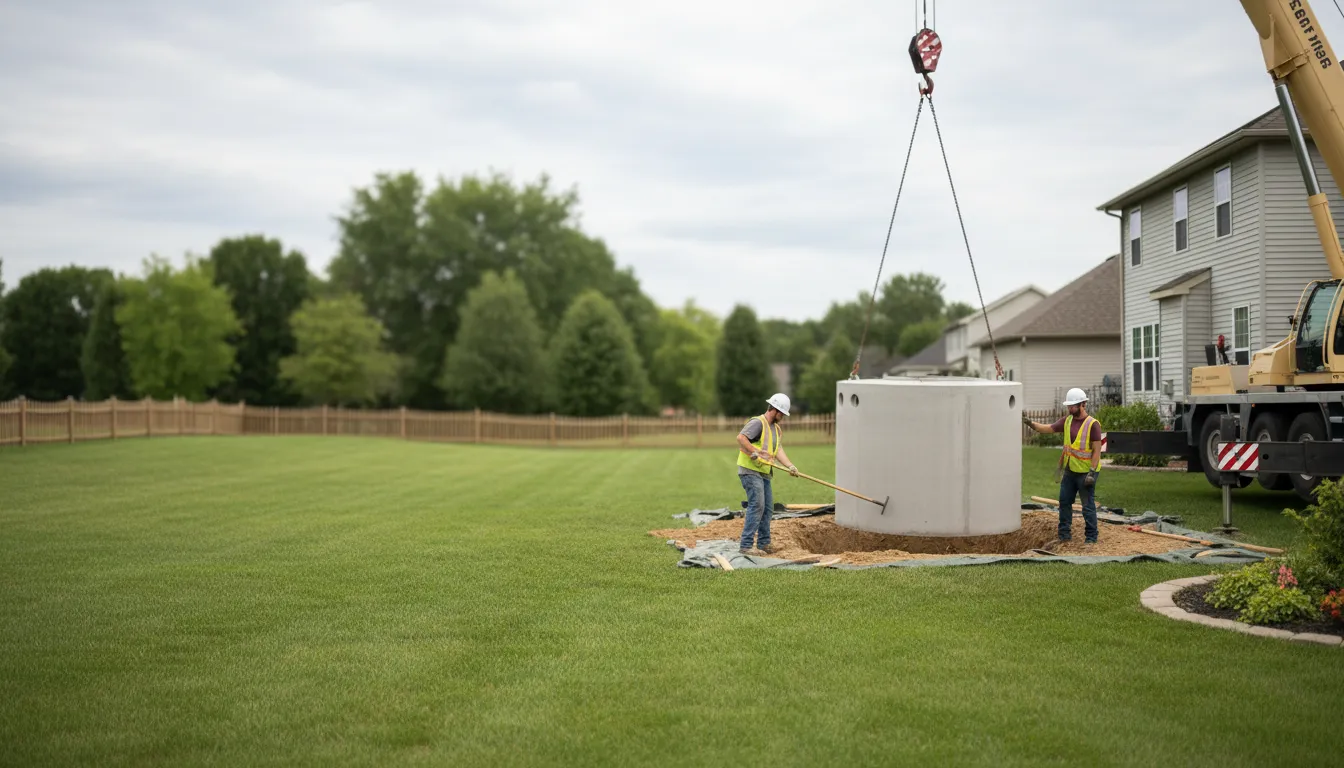
For homeowners in Bolingbrook without access to municipal sewer lines, a properly functioning septic system is essential for managing household wastewater. Septic tank installation and replacement are significant projects that require careful planning, adherence to strict local codes, and the expertise of licensed professionals. This guide explains the key steps, regulations, and considerations for installing or replacing a septic system in Bolingbrook, helping you navigate the process and connect with qualified local specialists.

Suburban Plumbing Sewer Line and Drain Cleaning Experts
9100 Plainfield Rd Suite #9A, Brookfield, IL 60513
Suburban Plumbing Sewer Line and Drain Cleaning Experts is a full-service plumbing company serving Chicago, IL, and the greater Chicagoland area. They provide a wide range of services including septic tank pumping, inspections, repairs, and new system installations, as well as sewer line repairs, drain cleaning, water heater services, and flood control solutions. With over 30 years of experience, their licensed and insured technicians use advanced equipment like hydro jetting and sewer camera inspections to deliver effective plumbing solutions. The company offers 24/7 emergency plumbing services to address urgent issues promptly.
Allied Water Services
Joliet, IL
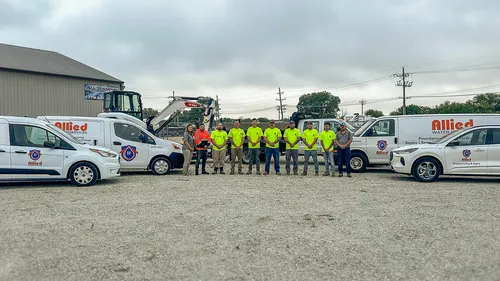
Allied Water Services is a septic system repair and installation company based in Joliet, IL. They specialize in comprehensive underground and water management solutions, including septic system repairs, septic tank installations, drainage system design, and waterproofing. The company is equipped to handle challenging soil and water conditions common in the region. Their services cover a broad area including Kankakee, DuPage, Will, Iroquois, Cook, Livingston, and Grundy counties. Allied Water Services emphasizes code compliance and thorough project planning, providing documentation and warranties for their work.
Midwest Septic and Drain Inc.
503 Davy Ln, Wilmington, IL 60481
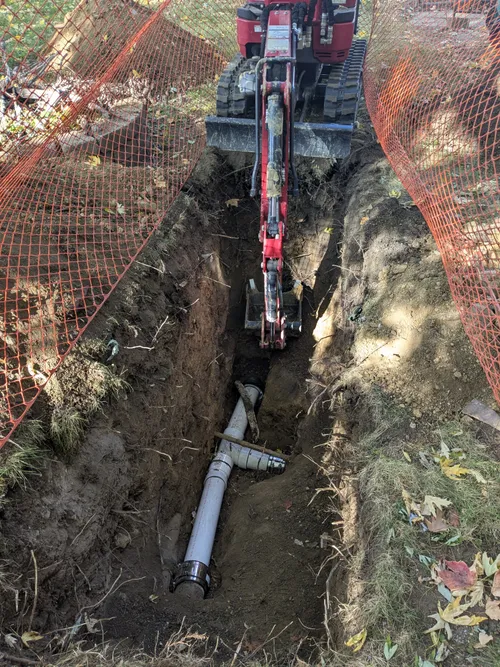
Midwest Septic and Drain Inc. is a septic service provider located near Joliet, IL. They offer septic tank installation, pumping, and repair services. The company serves multiple counties including Will, Cook, Grundy, Kendall, and Kankakee. Midwest Septic and Drain Inc. handles a range of septic system needs, focusing on installation and maintenance to ensure proper function.
Dynamic Septic Service
18600 Rte 59, Shorewood, IL 60404
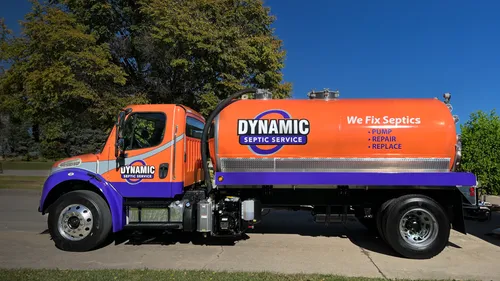
Dynamic Septic Service is a locally owned company based in Shorewood, Illinois, providing septic pumping, inspection, repair, and installation services in Chicago, IL, and surrounding counties including Will, DuPage, Cook, Kendall, Grundy, and Kankakee. With over 30 years of hands-on experience, they specialize in diagnosing septic system issues and offering clear options for repair or replacement. Their expertise includes routine pumping and complex system repairs, ensuring long-term functionality of septic systems.
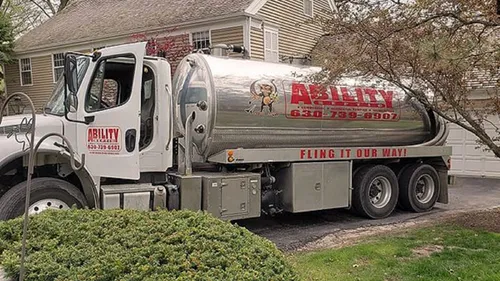
Ability Septic
801 N Raddant Rd, Batavia, IL 60510
Ability Septic is a family-owned septic service provider based near Aurora, IL, serving Batavia and surrounding areas. With over 65 years of experience since 1956, they offer a full range of septic services including pumping, inspection, installation, repair, and drain field maintenance. Their team uses advanced Lenzyme bio-products for eco-friendly septic system solutions and provides 24/7 emergency services to address urgent needs promptly.
Understanding Septic System Basics
A septic system is an on-site wastewater treatment system typically consisting of a septic tank and a soil absorption field, often called a drainfield or leach field. The tank separates solids from liquids, allowing clarified effluent to flow into the drainfield, where it is further treated by the soil. In Bolingbrook, these private sewage disposal systems are governed by the Illinois Department of Public Health (IDPH) Private Sewage Disposal Code and enforced locally by the Will County Health Department. Whether you're building a new home on vacant land or replacing a failing system, understanding this framework is the first critical step.
The Permit Process: A Legal Requirement
No private sewage system in Will County can be constructed, altered, or replaced without first obtaining a permit from the Will County Health Department 1. This is not a mere formality; it's a legal requirement designed to protect public health and groundwater quality. The application process ensures your system is designed correctly for your specific property.
To apply for a permit, a licensed septic contractor or qualified professional must typically submit several key documents on your behalf. These include:
- A detailed plot plan of your property.
- The results of a soil evaluation (commonly called a perc test).
- The engineered design of the proposed septic system.
The permit fee for a new septic system installation in Will County is $425, while a permit for a repair or modification is $225. An additional site inspection fee of $125 also applies. Skipping the permit process can result in costly fines, orders to cease work, and difficulties when selling your home.
Critical First Step: The Soil Evaluation (Perc Test)
Before any system design can be finalized, a certified professional engineer or soil classifier must perform a soil evaluation, known as a percolation or "perc" test. This test determines the soil's absorption rate by measuring how quickly water drains through a test hole. The results are crucial because they dictate:
- System Suitability: Whether the soil can support a conventional trench system or if an alternative system (like a mound or aerobic treatment unit) is required due to slow-draining soil or a high water table.
- System Sizing: The size of the drainfield is directly based on the perc rate and the home's capacity, which is determined by the number of bedrooms.
Investing in a proper soil evaluation is non-negotiable. A system installed in unsuitable soil is almost guaranteed to fail prematurely, leading to backups, soggy yards, and environmental contamination.
Designing and Sizing Your System
The design of your septic system is not one-size-fits-all. It must be tailored to your household's projected wastewater flow and the soil conditions identified in the perc test. In Illinois, system sizing is primarily based on the number of bedrooms in the home, as this indicates the potential number of occupants.
For a standard trench system, the minimum requirement is typically 500 square feet of seepage area per bedroom. Furthermore, local codes often require that a replacement system be designed with a "reserve area"-an additional space on your property set aside for a future drainfield. This ensures there is a suitable location for repairs or a new field if the original one fails, which is a common requirement for properties with older systems.
Choosing a Licensed Installation Contractor
In Illinois, septic system installation must be performed by a contractor licensed by the state 2. Hiring a licensed professional is vital for several reasons:
- Code Compliance: They understand the intricate IDPH and Will County codes.
- Permit Navigation: They handle the permit application and necessary documentation.
- Quality Installation: Proper installation is as important as good design. Mistakes during installation can cause immediate or long-term failure.
- Inspection Coordination: They will schedule and be present for all required county inspections.
When evaluating contractors, ask for proof of their Illinois septic license, references from past projects in the area, and detailed, written estimates. The total cost for a full septic system installation in Bolingbrook can vary widely, often ranging from $10,000 to over $30,000, depending on system type, size, and site complexity 3.
Find the perfect septic tank installation & replacement contractors for your needs
Get personalized recommendations and expert advice
The Installation Process and Mandatory Inspections
Once permits are secured and a contractor is hired, the physical installation begins. This involves excavation, placement of the septic tank (often concrete or plastic), and construction of the drainfield. A critical part of this process is the series of mandatory inspections conducted by the Will County Health Department 4.
- Site Inspection: Occurs before the permit is issued to verify the proposed location.
- Open Trench Inspection: This is perhaps the most important inspection. The inspector must examine the septic tank, distribution box, and the open drainfield trenches before they are backfilled with soil 5. This ensures proper placement, depth, and construction.
- Final Inspection: After the system is covered and the site is restored, a final inspection is conducted for overall compliance and approval 6.
No part of the system should be covered before the required inspection. Your contractor is responsible for scheduling these inspections at the appropriate times.
When Replacement is Necessary: Signs and Considerations
Septic systems have a finite lifespan, typically 20 to 30 years for conventional systems. If you're purchasing an older home in Bolingbrook or experiencing problems, a full system replacement may be needed. Signs of a failing system include:
- Sewage backups in household drains.
- Slow-draining toilets and sinks.
- Soggy ground or standing water over the drainfield.
- Unpleasant odors around the tank or drainfield area.
Replacement follows the same permit and design process as a new installation. A key factor is the "reserve area" mentioned earlier. The health department will need to confirm that your property has enough suitable space not only for the new field but also for a future reserve field. If your property cannot meet these space requirements, you may need to explore advanced alternative treatment systems that have a smaller footprint.
Long-Term Ownership and Maintenance
As a septic system owner in Illinois, you are legally responsible for maintaining your system in accordance with the Private Sewage Disposal Code 7. Proper maintenance is the best way to protect your investment and avoid premature failure. Essential practices include:
- Regular Pumping: Having the septic tank pumped every 3-5 years by a licensed pumper to remove accumulated solids.
- Water Conservation: Reducing excessive water flow to prevent overloading the drainfield.
- Mindful Flushing: Never flushing non-biodegradable items, chemicals, or grease down the drain.
- Protecting the Drainfield: Never driving or building over the drainfield, and keeping rainwater drainage away from it.
Keeping records of all permits, inspections, and maintenance (like pumping receipts) is highly recommended, especially if you plan to sell your home, as buyers will want to see the system's history 8.
Frequently asked questions
Sources
Footnotes
-
5-2-3: PERMIT REQUIREMENTS: - American Legal Publishing - https://codelibrary.amlegal.com/codes/grundycountyil/latest/grundycounty_il/0-0-0-2457 ↩
-
Illinois Septic License & Certification | 2024 Contractor Guide - https://www.servicetitan.com/licensing/septic/illinois ↩
-
APPENDIX A: FEE SCHEDULE - American Legal Publishing - https://codelibrary.amlegal.com/codes/willcounty/latest/willcounty_il/0-0-0-31837 ↩
-
Illinois Septic Tank Requirements - https://www.ntotank.com/blog/illinois-septic-tank-requirements ↩
-
How to Know if You Need a Septic System Permit - Pippin Home Designs - https://www.pippinhomedesigns.com/septic-system-permit/ ↩
-
Septic Tank Installation Process: A Step-by-Step Guide - https://tidytanksepticservice.com/blog/understanding-the-septic-tank-installation-process/ ↩
-
5-2-4: PRIVATE SEWAGE DISPOSAL SYSTEM REQUIREMENTS: - https://codelibrary.amlegal.com/codes/grundycountyil/latest/grundycounty_il/0-0-0-2487 ↩
-
Buying and Selling Homes | Septic Systems - Illinois Extension - https://extension.illinois.edu/septic-systems/buying-and-selling-homes ↩