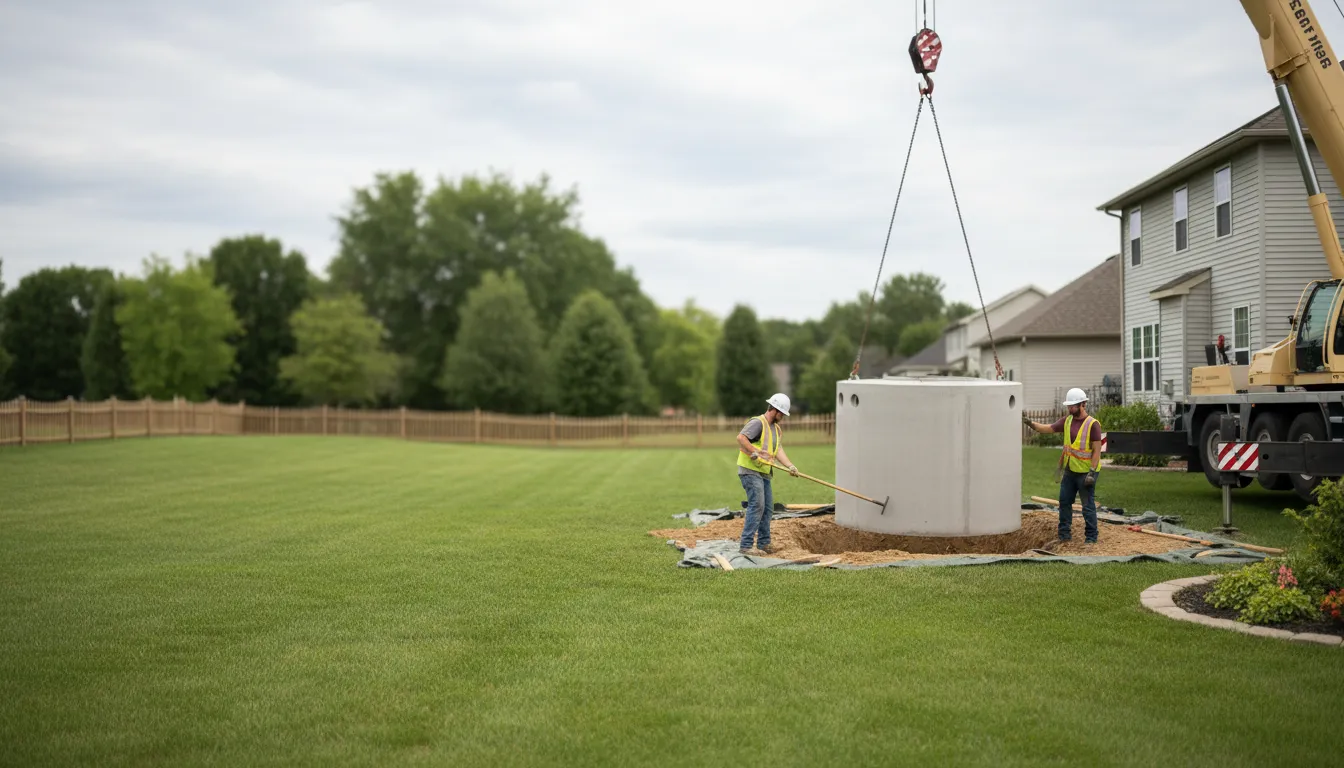
Find the Best Septic Tank Installation & Replacement Contractors for Your Business
No obligation • Fast responses • Nationwide coverage

Why you can trust Septic Spot
Septic Spot is a leading United States resource for understanding and comparing septic services. Our editors review providers using consistent criteria and verify key business details. Listings and scores are independent, and companies cannot pay to influence our content.
Search providers near you
Top Septic Tank Installation & Replacement Contractors in Chicago, Illinois Ranked
Installing or replacing a septic system is a significant investment in your property's long-term functionality and value. For Chicago-area homeowners not connected to municipal sewer lines, a properly designed and permitted septic system is essential for safe wastewater treatment. This guide outlines the critical steps, regulations, and considerations for septic system installation and replacement in Cook County, helping you understand the process and connect with qualified local professionals.

Suburban Plumbing Sewer Line and Drain Cleaning Experts
9100 Plainfield Rd Suite #9A, Brookfield, IL 60513
Suburban Plumbing Sewer Line and Drain Cleaning Experts is a full-service plumbing company serving Chicago, IL, and the greater Chicagoland area. They provide a wide range of services including septic tank pumping, inspections, repairs, and new system installations, as well as sewer line repairs, drain cleaning, water heater services, and flood control solutions. With over 30 years of experience, their licensed and insured technicians use advanced equipment like hydro jetting and sewer camera inspections to deliver effective plumbing solutions. The company offers 24/7 emergency plumbing services to address urgent issues promptly.
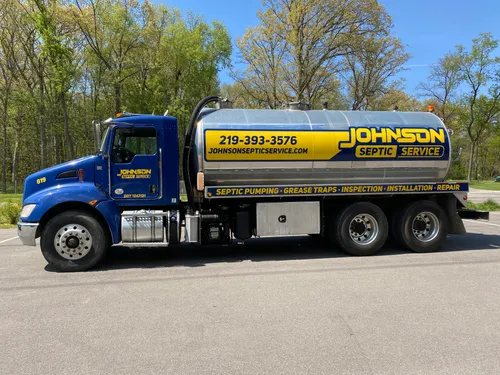
Johnson Septic Service
7523 S 1st Line Rd, Kingsbury, IN 46345
Johnson Septic Service provides septic tank pumping, inspection, repair, and installation services in Chicago, IL. They also offer grease trap pumping and use Bio-Tabs as part of their service options. The company serves the northwest Indiana area with a focus on quality septic system maintenance and repair.
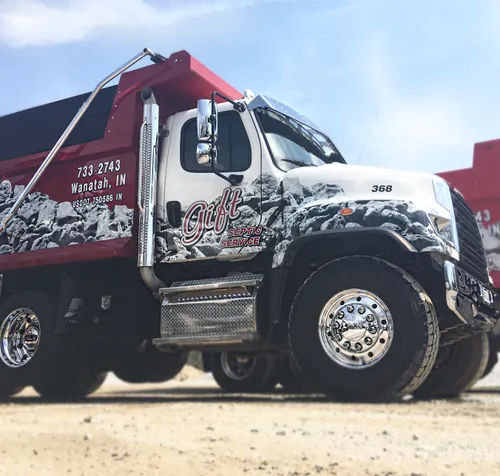
Gift Septic Service
7357 US-30, Wanatah, IN 46390
Gift Septic Service is a septic tank pumping and installation contractor based near Chicago, IL. They serve Porter County, La Porte County, and select areas of Lake and Starke counties. Established in 1968, the company has decades of experience in septic system services. Gift Septic Service is known for its commitment to integrity, honesty, and professionalism in every job.
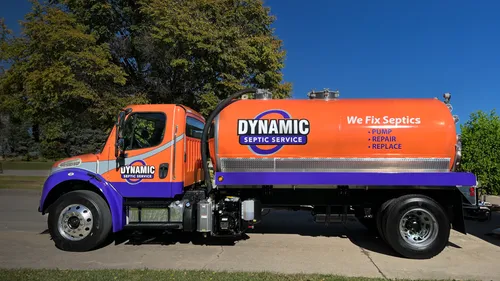
Dynamic Septic Service
18600 Rte 59, Shorewood, IL 60404
Dynamic Septic Service is a locally owned company based in Shorewood, Illinois, providing septic pumping, inspection, repair, and installation services in Chicago, IL, and surrounding counties including Will, DuPage, Cook, Kendall, Grundy, and Kankakee. With over 30 years of hands-on experience, they specialize in diagnosing septic system issues and offering clear options for repair or replacement. Their expertise includes routine pumping and complex system repairs, ensuring long-term functionality of septic systems.
Superior Sewer and Septic
8803 W 800 S, Westville, IN 46391
Superior Sewer and Septic is a septic system repair and installation company based near Chicago, IL, serving Northwest Indiana. They provide services for both residential and commercial sewer and septic systems, including full installations and precise repairs. The company was founded by Shawn, who transitioned from carpentry and home flipping to focus on underground services, building a reputation for dependable and quality work in the local community.
Understanding the Septic System Installation Process
A new septic system installation or a full system replacement is a multi-stage project governed by strict state and county health codes. It begins long before any digging starts. The process is designed to ensure the system will function effectively for decades, protecting both your property and the local groundwater. The key phases include preliminary site and soil evaluation, permit acquisition, the physical installation, and final inspections. Each step requires coordination between the homeowner, a licensed installer, and the Cook County Department of Public Health.
Step 1: Mandatory Site Evaluation and Soil Testing
The foundation of any successful septic system is the soil it's built into. Illinois law requires a professional site evaluation and soil percolation test (often called a "perc test") before a system can be designed or permitted.
- Site Evaluation: A professional assesses the property for constraints like slope, proximity to wells or water bodies, and the presence of high groundwater tables. Installing a system in prohibited areas with excessive water or unsuitable soil is not allowed.
- Percolation Test: This test measures how quickly water drains through the soil. The results determine the size and type of drain field (or lateral field) needed. A licensed engineer or qualified professional must perform this test.
These assessments are not optional; they are required for the permit application and typically cost between $700 and $2,000.
Step 2: Securing Permits and Working with Licensed Contractors
All septic system work in Cook County requires a permit from the Cook County Department of Public Health. You or your contractor must submit an application, including the site evaluation and system design plans, before any construction begins 1.
- Regulatory Compliance: All systems must comply with the Illinois Department of Public Health (IDPH) Private Sewage Disposal Code. This includes strict rules on the separation distances between the septic system, drinking water wells, buildings, and property lines 2.
- Contractor Licensing: It is crucial to hire a septic system installer who is licensed by the state of Illinois. Licensed contractors understand the complex codes and will ensure the installation meets all legal requirements.
Find the perfect septic tank installation & replacement contractors for your needs
Get personalized recommendations and expert advice
Step 3: The Physical Installation and Critical Inspections
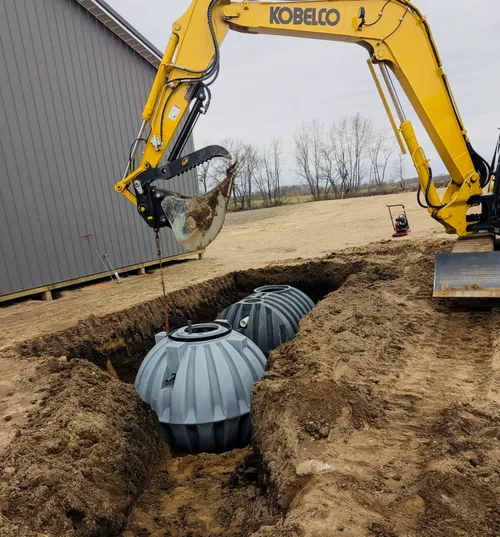
Once permits are secured, the installation of the sewage treatment system can proceed. This involves excavating the site, placing the septic tank and distribution box, and constructing the lateral field.
- Tank Specifications: State code specifies requirements like a minimum liquid depth of 42 inches for septic tanks 3. The tank must be placed on a stable base and carefully leveled.
- Drain Field Construction: The lateral lines are placed in trenches filled with specific gravel and soil. The layout must follow the approved design to ensure even wastewater distribution and absorption.
Inspections are mandatory at two key points: First, a site preparation inspection ensures the ground is ready. Most importantly, an open tank/lateral inspection must be conducted before the tank and drain field are covered. This allows the health department inspector to verify all components are correctly installed 4.
Step 4: Final Backfill and System Care
After passing the final inspection, the system can be backfilled. It's important that heavy machinery does not compact the soil over the drain field, as this can damage its absorption capacity 5. Once operational, proper maintenance, including regular pumping every 3-5 years, is essential for the system's longevity.
Cost Factors for Septic System Installation in Chicago
The total cost for a new residential wastewater system in the Chicago area varies widely based on site-specific conditions. Homeowners can expect a typical range from $7,000 to over $20,000 for a complete installation 6 7.
- System Type and Size: A standard anaerobic system for a 3-4 bedroom home is common, but challenging sites may require more advanced (and expensive) systems like aerobic treatment units or mound systems.
- Soil and Site Conditions: The results of the perc test are a major cost driver. Poorly draining soil requires a much larger drain field or a specialized system, increasing costs significantly. Easy, well-draining soil reduces the field size and expense.
- Tank Material: Concrete tanks are standard and durable. Plastic or fiberglass tanks may have different cost implications.
- Permit Fees: Local jurisdictions charge permit fees. For example, some areas in Illinois have fees around $25.00, but always confirm the current rate with Cook County 8.
- Labor and Excavation: The complexity of the excavation, accessibility of the site, and local labor rates will affect the final price.
When is Septic System Replacement Necessary?
Understanding when to repair versus completely replace your on-site sewage facility is critical. Replacement is a major project but may be unavoidable in certain situations:
- System Failure: Persistent surfacing of sewage, soggy ground over the drain field, foul odors, or backups into the home are clear signs of failure.
- Changes in Water Usage: Adding bedrooms or bathrooms increases wastewater flow beyond what the original system was designed to handle.
- Aging Components: Most conventional septic systems have a lifespan of 20-40 years. If your system is approaching or exceeding this age and experiencing issues, replacement should be considered.
- Property Improvements: If you plan a major addition or pool that would be built over the existing drain field, you may need to relocate and replace the system.
The replacement process follows the same rigorous steps as a new installation: new site evaluation, new permit, and new construction 9.
Choosing the Right Professional for Your Project
Given the technical and regulatory complexity, selecting the right contractor is the most important decision you'll make. Look for a licensed septic installation company with:
- A valid Illinois septic contractor license 10.
- Extensive experience with installations in Cook County.
- Strong knowledge of IDPH and Cook County Health Department regulations.
- Positive references and reviews from past clients.
- Clear, detailed written estimates that outline all phases of work, permitting, and inspections.
Frequently asked questions
Sources
Footnotes
-
Septic - Cook County Department of Public Health - https://cookcountypublichealth.org/environmental-health/water-and-sewage/septic/ ↩
-
Private Sewage Disposal - Illinois Department of Public Health - https://dph.illinois.gov/topics-services/environmental-health-protection/private-sewage-disposal.html ↩
-
Ill. Admin. Code tit. 77, § 905.40 - Septic Tanks | State Regulations - https://www.law.cornell.edu/regulations/illinois/Ill-Admin-Code-tit-77-SS-905.40 ↩
-
Illinois Septic Tank Requirements - https://www.ntotank.com/blog/illinois-septic-tank-requirements ↩
-
Ill. Admin. Code tit. 77, § 906.30 - Soil and Site Requirements - https://www.law.cornell.edu/regulations/illinois/Ill-Admin-Code-tit-77-SS-906.30 ↩
-
How Much Does a Septic System Cost? [2026 Data] | Angi - https://www.angi.com/articles/what-does-it-cost-install-septic-system.htm ↩
-
Septic Systems in Quincy IL | Vinson and Sill, Inc - https://www.vinsonandsill.com/septic-systems-quincy-il ↩
-
CHAPTER 8 SEPTIC SYSTEMS - American Legal Publishing - https://codelibrary.amlegal.com/codes/countrysideil/latest/countryside_il/0-0-0-22472 ↩
-
Septic System Install Timeline | RCI Septic Service - https://www.rciseptic.com/complete-step-by-step-timeline-septic-system-installation-from-permit-to-finish ↩
-
Illinois Septic License & Certification | 2024 Contractor Guide - https://www.servicetitan.com/licensing/septic/illinois ↩