Find the Best Septic Tank Installation & Replacement Contractors for Your Business
No obligation • Fast responses • Nationwide coverage

Why you can trust Septic Spot
Septic Spot is a leading United States resource for understanding and comparing septic services. Our editors review providers using consistent criteria and verify key business details. Listings and scores are independent, and companies cannot pay to influence our content.
Search providers near you
Top Septic Tank Installation & Replacement Contractors in Buffalo Grove, Illinois Ranked
Installing or replacing a septic system is a significant home infrastructure project that requires careful planning and professional expertise. A properly designed and installed onsite wastewater treatment system is crucial for protecting your property value, your family's health, and the local environment. For homeowners in Buffalo Grove, navigating the specific county regulations, soil requirements, and installation process is key to a successful project. This guide provides the essential information you need to understand the steps, costs, and local considerations for septic work in your area, helping you connect with qualified local professionals.

Suburban Plumbing Sewer Line and Drain Cleaning Experts
9100 Plainfield Rd Suite #9A, Brookfield, IL 60513
Suburban Plumbing Sewer Line and Drain Cleaning Experts is a full-service plumbing company serving Chicago, IL, and the greater Chicagoland area. They provide a wide range of services including septic tank pumping, inspections, repairs, and new system installations, as well as sewer line repairs, drain cleaning, water heater services, and flood control solutions. With over 30 years of experience, their licensed and insured technicians use advanced equipment like hydro jetting and sewer camera inspections to deliver effective plumbing solutions. The company offers 24/7 emergency plumbing services to address urgent issues promptly.
Ability Septic
801 N Raddant Rd, Batavia, IL 60510
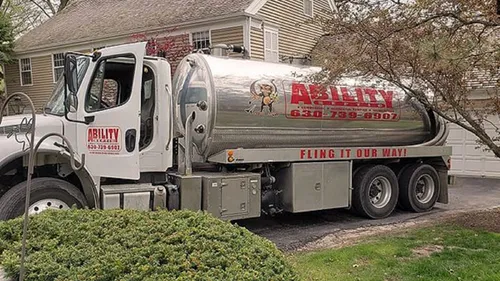
Ability Septic is a family-owned septic service provider based near Aurora, IL, serving Batavia and surrounding areas. With over 65 years of experience since 1956, they offer a full range of septic services including pumping, inspection, installation, repair, and drain field maintenance. Their team uses advanced Lenzyme bio-products for eco-friendly septic system solutions and provides 24/7 emergency services to address urgent needs promptly.

Mikes Plumbing Chicago : 24 Hour Plumber Chicago, Emergency Plumbers In Glenview, Evanston, Glencoe, Niles & Skokie
7214 N Crawford Ave, Lincolnwood, IL 60712
Mikes Plumbing Chicago is a licensed and insured plumbing contractor serving Chicago, IL, and the Greater Chicagoland area. They provide a wide range of residential and commercial plumbing services, including septic tank installation, plumbing repairs, and sewer system maintenance. The company is equipped to handle emergencies with 24/7 availability and an average response time of 45 minutes. Established in 1997, Mikes Plumbing Chicago offers a 10-year labor warranty and manufacturer guarantees on parts, emphasizing quality and reliability in their work.
Suburban Sewer Experts
Chicago, IL
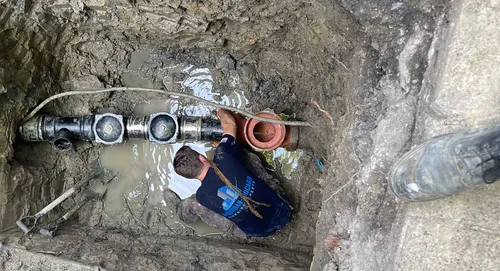
Suburban Sewer Experts provides sewer line repair, septic tank pumping, installation, and maintenance services in Chicago, IL. With over 40 years of experience, they serve both residential and commercial properties, using advanced sewer camera inspections and hydro jetting to diagnose and clear blockages efficiently. Their expertise includes main water line repair and flood control system installation, offering comprehensive solutions to protect properties from sewer and water damage.

Zeilinga Services, Inc.
850 Meadowview Crossing #9, West Chicago, IL 60185
Zeilinga Services, Inc. is a septic system company based in Chicago, IL. They provide septic tank pumping, inspection, repair, and installation services, along with drain field repair and septic pump replacement. Their work includes servicing various septic units such as Aqua 02, AquaKleer, and Norweco systems. They perform thorough maintenance tasks like cleaning pumps, changing filters, checking alarms, and conducting sludge tests to determine pumping needs. Zeilinga Services also offers specialized capabilities including jetting, lift station work, TV camera line inspections, and root control treatments.
Understanding Septic Systems and Local Jurisdiction
A septic system, or onsite wastewater treatment system (OWTS), is a self-contained, underground method for treating household wastewater from bathrooms, kitchens, and laundry. In areas not served by municipal sewer lines, these systems are essential. The process begins with waste settling and partial treatment in a watertight septic tank. The treated liquid effluent then flows into a soil absorption field (drain field), where the soil provides final treatment by filtering out harmful bacteria and nutrients before the water recharges groundwater 1.
A critical first step for any Buffalo Grove resident is determining your local regulatory authority. Buffalo Grove is unique as it spans both Lake County and Cook County. Your property's location dictates which health department's rules you must follow. Most of Buffalo Grove falls under the jurisdiction of the Lake County Health Department and its Onsite Wastewater Treatment System Program. However, you must verify this for your specific address, as regulations and permit processes can differ between counties 2. Always start by contacting the correct local health department to confirm requirements before any planning begins.
The Permit and Planning Process
You cannot legally begin excavation or installation for a new septic tank or drain field without the proper permits. The process is designed to ensure systems are safe, effective, and environmentally sound.
Initial Site Evaluation and Soil Testing: This is the most important phase. A licensed professional, often a certified soil scientist or professional engineer, must conduct a thorough site evaluation. This includes a soil percolation test (perc test) to determine the soil's absorption rate and a detailed analysis of the soil profile, depth to groundwater, and proximity to bedrock 3 4. The results of these tests directly determine the size and type of system your property can support. Soil with poor percolation will require a larger absorption field or an alternative, more advanced treatment system.
System Design and Permit Application: Using the site evaluation data, a licensed designer creates a detailed plan for your septic system. This design must comply with all Illinois state and local county regulations. For a standard household, the minimum septic tank size is typically 1,000 to 1,500 gallons, often featuring dual compartments for better treatment 5. The design package, including the site evaluation report, is then submitted to the health department (Lake County or Cook County) for review and approval. Once the design is approved, you can submit a formal construction permit application and pay the associated fees 6. Only after receiving the construction permit can installation work legally commence.
Stages of Professional Installation & Inspection
A proper septic system installation is a multi-stage process with mandatory inspections at critical points to ensure compliance with the approved plans. Hiring a licensed installer is non-negotiable for both legal compliance and system longevity.
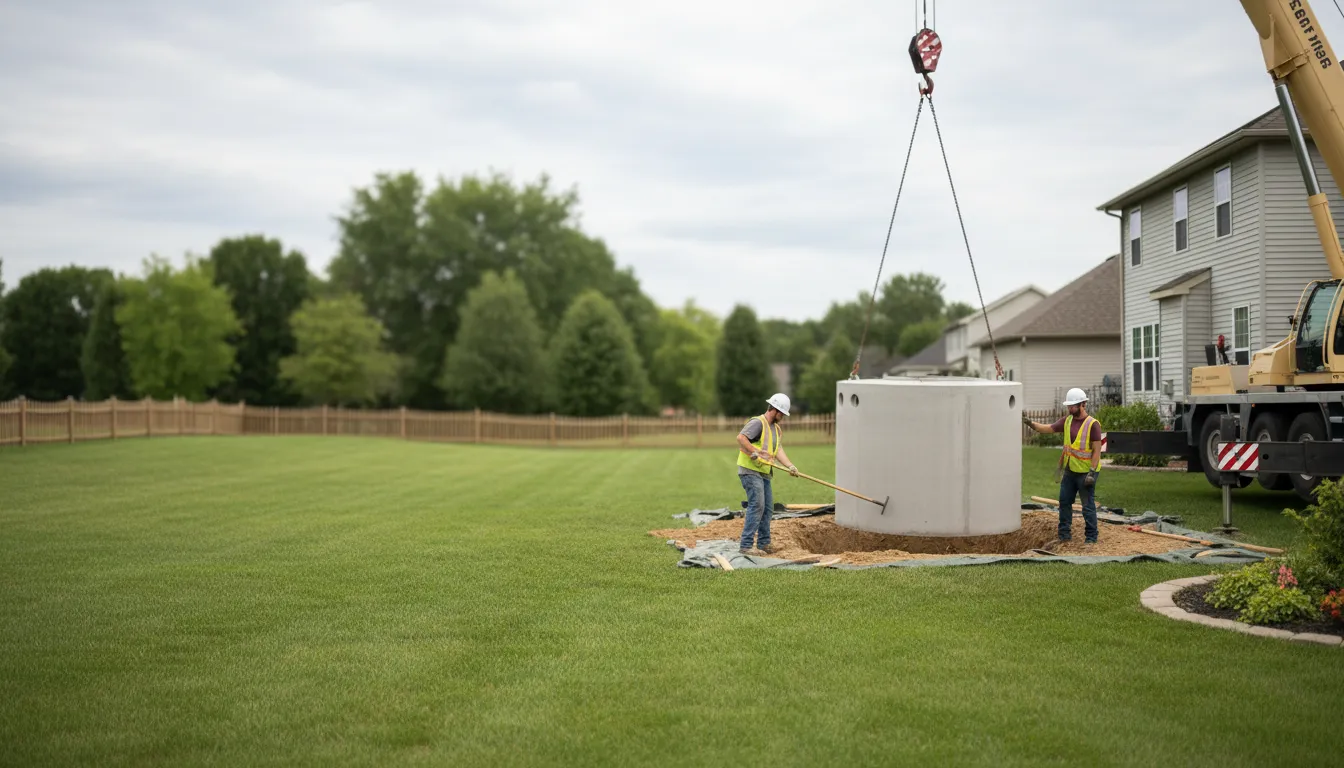
Stage 1: Tank Placement. The installer excavates the hole for the septic tank based on the approved design. Before the tank is lowered in and covered, a health department inspector must visit the site to approve the excavation depth, bed preparation, and the tank's proper placement and level.
Stage 2: Soil Absorption Field Construction. The drain field trenches or bed are excavated. The inspector returns to check the trench dimensions, the placement of distribution pipes, and the gravel bed before the system is covered.
Stage 3: Final Inspection. After the entire system is covered and the site is graded to direct surface water away from the field, a final inspection is conducted. The inspector ensures the site is properly restored, the system is protected from surface water, and that it is ready for use 7 8 9.
Skipping or failing an inspection can result in costly rework, fines, or an improperly functioning system that fails prematurely.
Find the perfect septic tank installation & replacement contractors for your needs
Get personalized recommendations and expert advice
Cost Considerations for Installation and Replacement
The investment for a new septic system or a full replacement varies widely based on system type, soil conditions, and property specifics. For a standard conventional gravity system in the Buffalo Grove area, homeowners can expect total costs typically ranging from $7,000 to over $20,000 10 11 12. This estimate generally includes:
- Professional Services: Soil testing, system design, and engineering.
- Permit Fees: Paid to the county health department.
- Materials: The septic tank (concrete, plastic, or fiberglass), pipes, gravel, and other components.
- Labor: Excavation, installation, and site restoration by a licensed crew.
It's important to budget for the entire project. The permit and design phase alone, including soil testing, can cost several thousand dollars 13 14. More complex systems, such as mound systems or aerobic treatment units (ATUs) required for challenging sites, can push costs significantly higher. Always obtain detailed, written estimates from multiple licensed installers that break down all anticipated costs.
Choosing the Right System and Professional
Not all properties can support a standard gravity-fed system. Based on your soil percolation rate, depth to water table, and lot size, your designer may recommend alternatives:
- Chamber System: Uses plastic chambers instead of gravel in the drain field.
- Mound System: An elevated drain field built with imported sand, used when soil depth is shallow or permeability is low.
- Aerobic Treatment Unit (ATU): An advanced system that uses oxygen to break down waste more thoroughly, often required for environmentally sensitive areas or small lots.
Selecting a qualified professional is paramount. Look for:
- Licensing: Verify the installer holds a current license from the Illinois Department of Public Health and/or the relevant county.
- Experience: Choose a company with extensive experience installing systems in Lake and Cook Counties.
- Insurance: Ensure they carry liability and workers' compensation insurance.
- References: Ask for and contact local references to ask about their experience.
- Detailed Contract: The contract should specify the system design, materials, timeline, total cost, payment schedule, and warranty information.
Maintaining Your New Investment
Once your new septic system is installed, proper maintenance is the key to a long lifespan (often 25-40 years). This includes:
- Regular Pumping: Have the septic tank pumped every 3-5 years by a licensed pumper to remove solids and prevent clogging of the drain field.
- Water Conservation: Spread out water use and fix leaks to avoid overloading the system.
- Mindful Flushing: Only human waste and toilet paper should go down the drain. Avoid chemicals, grease, wipes, and other non-biodegradables.
- Protect the Drain Field: Never drive or park vehicles over it, and keep roof drains and sump pumps directed away from the area.
A well-maintained system protects your property and prevents the headache and major expense of a premature failure.
Frequently asked questions
Sources
Footnotes
-
Frequent Questions on Septic Systems | US EPA - https://www.epa.gov/septic/frequent-questions-septic-systems ↩
-
Permits and inspections | Buffalo Grove, IL - https://www.vbg.org/353/Permits-and-inspections ↩
-
Residential Onsite Wastewater Treatment Systems - https://www.health.ny.gov/environmental/water/drinking/wastewater_treatment_systems/docs/design_handbook.pdf ↩
-
Septic System Requirements - https://www.showmeboone.com/resource-management/On-Site%20Wastewater/Septic-System-Requirements-2022.pdf ↩
-
What Size Septic Tank Do I Need - https://www.ntotank.com/blog/what-size-septic-tank-do-i-need ↩
-
40 CFR Part 122 -- EPA Administered Permit Programs - eCFR - https://www.ecfr.gov/current/title-40/chapter-I/subchapter-D/part-122 ↩
-
Illinois Septic Tank Requirements | Onsite Wastewater Treatment ... - https://www.ntotank.com/blog/illinois-septic-tank-requirements ↩
-
the Village of Buffalo Grove Permit and Building Department - https://cms9files.revize.com/buffalogroveil/Document_center/Community%20Development/Handouts/PERMIT%20ISSUE%20GUIDE%20AUGUST%2023.pdf ↩
-
Septic Tank Installation: A Complete Guide - https://midvalleyseptics.com.au/blog/septic-system-installation-australia/ ↩
-
Onsite Wastewater Treatment System - Lake County, Illinois - https://www.lakecountyil.gov/818/Onsite-Wastewater-Treatment-System ↩
-
Septic Systems in Quincy IL | Vinson and Sill, Inc - https://www.vinsonandsill.com/septic-systems-quincy-il ↩
-
How Much Does a Septic Tank Cost? (Budget Guide) - https://www.bobvila.com/articles/septic-tank-cost/ ↩
-
How to get a new septic system (permit, process and price) - https://www.youtube.com/watch?v=fJjrOfpj--0 ↩
-
Expert New Septic Tank Installation - https://www.scorpionsepticservices.com/blog/septic-tank-installation-what-homeowners-need-to-know ↩