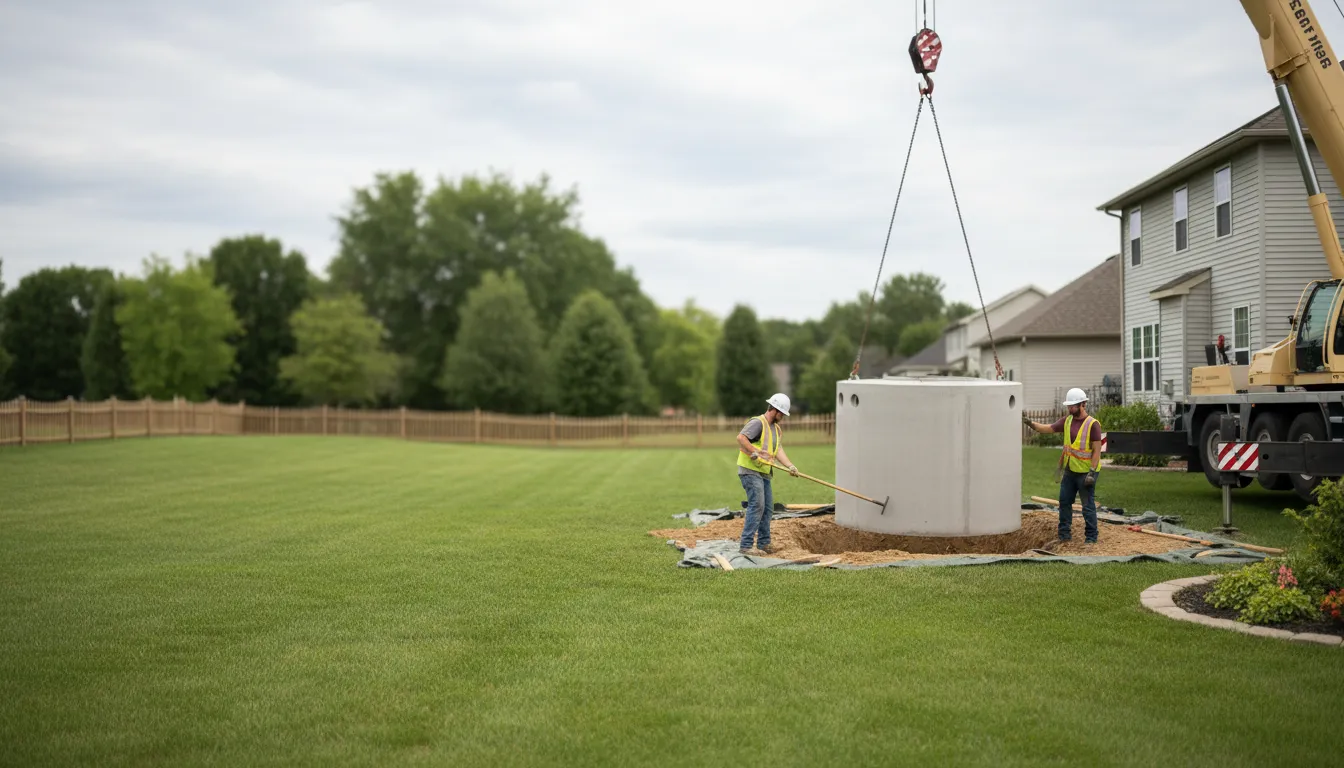
Find the Best Septic Tank Installation & Replacement Contractors for Your Business
No obligation • Fast responses • Nationwide coverage

Why you can trust Septic Spot
Septic Spot is a leading United States resource for understanding and comparing septic services. Our editors review providers using consistent criteria and verify key business details. Listings and scores are independent, and companies cannot pay to influence our content.
Search providers near you
Top Septic Tank Installation & Replacement Contractors in Elmhurst, Illinois Ranked
Installing or replacing a septic system is a significant home infrastructure project that ensures the safe and efficient treatment of household wastewater. In Elmhurst, this process is governed by specific DuPage County and Illinois state regulations to protect public health and the local environment. This guide explains the key steps, requirements, and considerations for septic system installation and replacement, helping you understand what to expect and how to connect with qualified local professionals for your project.
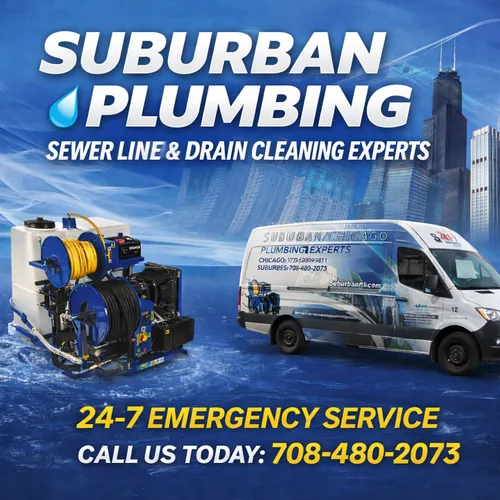
Suburban Plumbing Sewer Line and Drain Cleaning Experts
9100 Plainfield Rd Suite #9A, Brookfield, IL 60513
Suburban Plumbing Sewer Line and Drain Cleaning Experts is a full-service plumbing company serving Chicago, IL, and the greater Chicagoland area. They provide a wide range of services including septic tank pumping, inspections, repairs, and new system installations, as well as sewer line repairs, drain cleaning, water heater services, and flood control solutions. With over 30 years of experience, their licensed and insured technicians use advanced equipment like hydro jetting and sewer camera inspections to deliver effective plumbing solutions. The company offers 24/7 emergency plumbing services to address urgent issues promptly.
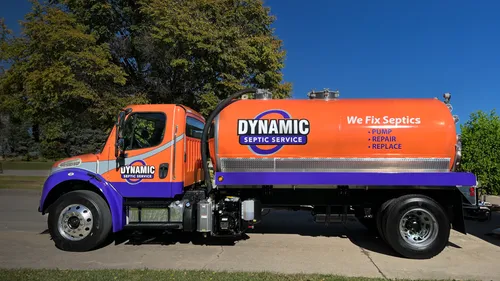
Dynamic Septic Service
18600 Rte 59, Shorewood, IL 60404
Dynamic Septic Service is a locally owned company based in Shorewood, Illinois, providing septic pumping, inspection, repair, and installation services in Chicago, IL, and surrounding counties including Will, DuPage, Cook, Kendall, Grundy, and Kankakee. With over 30 years of hands-on experience, they specialize in diagnosing septic system issues and offering clear options for repair or replacement. Their expertise includes routine pumping and complex system repairs, ensuring long-term functionality of septic systems.
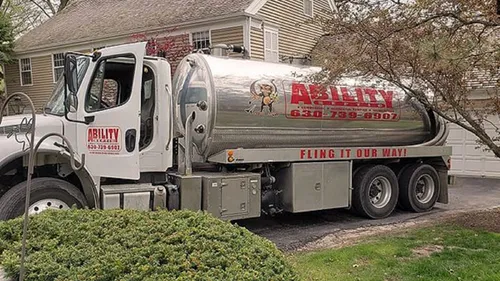
Ability Septic
801 N Raddant Rd, Batavia, IL 60510
Ability Septic is a family-owned septic service provider based near Aurora, IL, serving Batavia and surrounding areas. With over 65 years of experience since 1956, they offer a full range of septic services including pumping, inspection, installation, repair, and drain field maintenance. Their team uses advanced Lenzyme bio-products for eco-friendly septic system solutions and provides 24/7 emergency services to address urgent needs promptly.
Superior Wastewater Systems, Inc.
2100 Mills Rd, Joliet, IL 60433
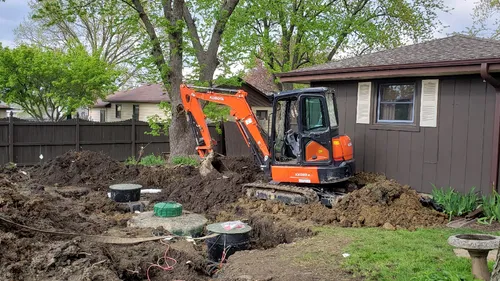
Superior Wastewater Systems, Inc. provides septic system repair and septic tank installation services in Chicago, IL. They serve residential, commercial, and industrial clients, offering installation, repair, and maintenance of septic systems. With over 30 years of experience, the company has developed expertise in handling various wastewater system needs.
Mikes Plumbing Chicago : 24 Hour Plumber Chicago, Emergency Plumbers In Glenview, Evanston, Glencoe, Niles & Skokie
7214 N Crawford Ave, Lincolnwood, IL 60712
Mikes Plumbing Chicago is a licensed and insured plumbing contractor serving Chicago, IL, and the Greater Chicagoland area. They provide a wide range of residential and commercial plumbing services, including septic tank installation, plumbing repairs, and sewer system maintenance. The company is equipped to handle emergencies with 24/7 availability and an average response time of 45 minutes. Established in 1997, Mikes Plumbing Chicago offers a 10-year labor warranty and manufacturer guarantees on parts, emphasizing quality and reliability in their work.
Understanding Septic System Basics
A septic system, or onsite wastewater treatment system, is a self-contained, underground system that treats sewage from homes not connected to a municipal sewer line. The primary components are a septic tank and a soil absorption field, often called a leach field or drain field. The tank separates solids from liquids, allowing partially treated effluent to flow into the drain field, where the soil provides final treatment. Proper design, siting, and installation are critical for long-term functionality and environmental safety 1.
DuPage County Regulations and Permit Process
Before any digging begins, you must secure the proper approvals. In DuPage County, a Private Sewage Disposal System Permit is required from the County Health Department for any new installation or full system replacement 2. This regulatory oversight ensures systems are designed and built to code, minimizing the risk of contamination and system failure.
The permit application process typically involves:
- Submitting a detailed site plan.
- Providing the results of a professional site evaluation and soil analysis.
- Including system design plans from a licensed professional.
- Paying applicable permit fees, which vary based on the project's scope.
The Critical Role of Site Evaluation and Soil Testing
A professional site evaluation is the foundational step in any septic project. This assessment identifies property boundaries, the location of existing structures, wells, and surface water. The most crucial part of this evaluation is the soil percolation test (often called a "perc test").
- Purpose: A perc test measures how quickly water drains through the soil. This rate determines the size and type of leach field needed to handle your home's wastewater flow.
- Process: Test holes are dug in the proposed drain field area and filled with water to measure the absorption rate.
- Cost: Perc test costs can range from $150 to $3,000, depending on your property's size, the number of test holes required, and whether manual digging or excavation equipment is needed 3.
Choosing a Licensed Installation Professional
In Illinois, septic system installers must hold a state license 4. Hiring a licensed contractor is not just a recommendation-it's a legal requirement for obtaining your permit and ensuring the work passes inspection. A qualified installer will:
- Handle the permit application and site plan submission.
- Design a system that meets both your household's needs and local codes.
- Use proper construction techniques and materials.
- Coordinate with the county health inspector for required inspections.
Key Installation Steps and Inspections
A professional septic system installation follows a strict sequence. After the site is evaluated and the design is approved, the installation proceeds with excavation for the tank and drain field. Critical inspections are mandated at specific stages before work can continue:
- Open Trench Inspection: Once the tank, pipes, and leach field trenches are in place but before they are buried, a county health inspector must examine the components and their placement. This ensures everything is installed according to the approved plan.
- Final Inspection: After the system is covered with soil, a final inspection is required to gain official approval for the system to be placed into service.
Find the perfect septic tank installation & replacement contractors for your needs
Get personalized recommendations and expert advice
System Siting and Clearance Requirements
DuPage County enforces strict setback distances to protect water sources. Your septic system must be located a minimum of 50 to 100 feet from any private well and at least 100 feet from lakes, streams, or other surface water. These clearances are non-negotiable and are a primary factor in determining where on your property a system can legally be installed.
Cost Factors for Installation and Replacement
The total investment for a new septic system or a full replacement varies widely. In the Elmhurst area, you can expect a typical range of $7,000 to over $20,000 for a complete conventional system installation 5. Several variables influence the final price:
- System Size and Type: Larger homes require larger tanks and drain fields. If soil conditions are poor, a more advanced (and expensive) treatment system may be necessary.
- Soil and Site Conditions: Difficult terrain, high water tables, or limited space can significantly increase costs.
- Permit and Inspection Fees: These are separate from installation labor and materials.
- Professional Inspection Costs: While not part of installation, budgeting for future inspections is wise. A standard septic system inspection by a professional typically costs between $200 and $900 6.
When is System Replacement Necessary?
Understanding when to repair versus replace your septic system can save significant time and money. Consider replacement if you experience:
- Frequent backups or surfacing sewage in the yard.
- Persistent foul odors around the tank or drain field.
- Soggy, spongy ground or lush grass over the drain field even in dry weather.
- An old system (over 20-30 years) requiring major repairs.
- A change in home use that increases wastewater volume beyond the system's original design.
For properties with severe space constraints or challenging soil, the county may require an advanced treatment system. These systems use additional technology to treat wastewater to a higher standard, allowing for a smaller drain field, but they come at a higher upfront cost.
Maintaining Your New Septic System
Once your new system is installed, proper maintenance is key to a long lifespan. This includes regular pumping of the tank (typically every 3-5 years), conserving water to avoid overloading the system, and avoiding flushing harmful chemicals or non-biodegradable materials. Protecting your drain field from compaction by vehicles or heavy structures is also essential.
Frequently asked questions
Sources
Footnotes
-
septic-systems.pdf - Illinois Environmental Protection Agency - https://epa.illinois.gov/content/dam/soi/en/web/epa/documents/water/conservation/lake-notes/septic-systems.pdf ↩
-
How to Know if You Need a Septic System Permit - Pippin Home Designs - https://www.pippinhomedesigns.com/septic-system-permit/ ↩
-
Illinois Septic Tank Requirements | Onsite Wastewater Treatment ... - https://www.ntotank.com/blog/illinois-septic-tank-requirements ↩
-
Illinois Septic License & Certification | 2024 Contractor Guide - https://www.servicetitan.com/licensing/septic/illinois ↩
-
Septic Systems in Quincy IL | Vinson and Sill, Inc - https://www.vinsonandsill.com/septic-systems-quincy-il ↩
-
How Much Does a Septic System Inspection Cost? [2025 Data] - https://www.homeadvisor.com/cost/plumbing/septic-inspection-cost/ ↩