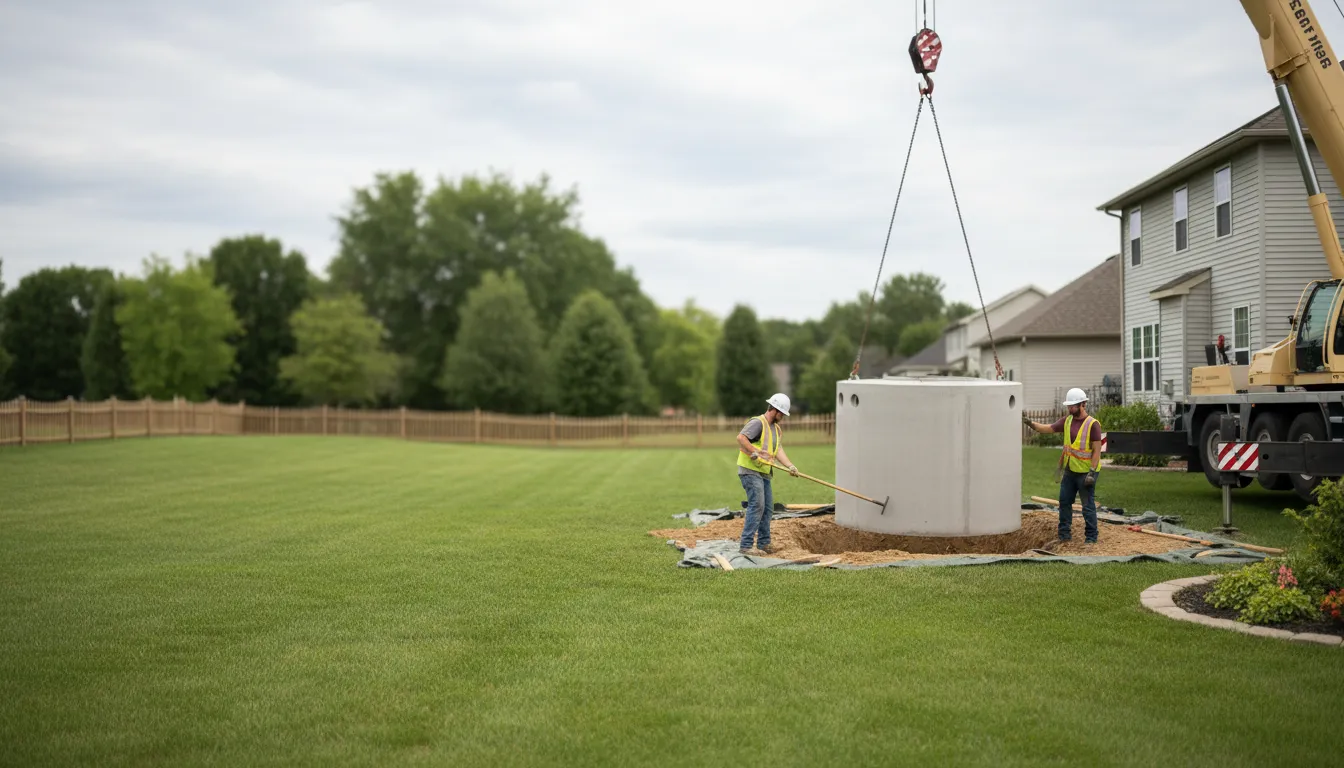
Find the Best Septic Tank Installation & Replacement Contractors for Your Business
No obligation • Fast responses • Nationwide coverage

Why you can trust Septic Spot
Septic Spot is a leading United States resource for understanding and comparing septic services. Our editors review providers using consistent criteria and verify key business details. Listings and scores are independent, and companies cannot pay to influence our content.
Search providers near you
Top Septic Tank Installation & Replacement Contractors in Lombard, Illinois Ranked
Installing or replacing a septic system is a significant home improvement project that ensures the safe and efficient treatment of household wastewater. In Lombard, this process is governed by specific county and state regulations designed to protect public health and the local environment. This guide explains the key steps, requirements, and considerations for septic system installation and replacement, helping you understand what to expect and how to connect with qualified local professionals for your project.

Suburban Plumbing Sewer Line and Drain Cleaning Experts
9100 Plainfield Rd Suite #9A, Brookfield, IL 60513
Suburban Plumbing Sewer Line and Drain Cleaning Experts is a full-service plumbing company serving Chicago, IL, and the greater Chicagoland area. They provide a wide range of services including septic tank pumping, inspections, repairs, and new system installations, as well as sewer line repairs, drain cleaning, water heater services, and flood control solutions. With over 30 years of experience, their licensed and insured technicians use advanced equipment like hydro jetting and sewer camera inspections to deliver effective plumbing solutions. The company offers 24/7 emergency plumbing services to address urgent issues promptly.
Dynamic Septic Service
18600 Rte 59, Shorewood, IL 60404
Dynamic Septic Service is a locally owned company based in Shorewood, Illinois, providing septic pumping, inspection, repair, and installation services in Chicago, IL, and surrounding counties including Will, DuPage, Cook, Kendall, Grundy, and Kankakee. With over 30 years of hands-on experience, they specialize in diagnosing septic system issues and offering clear options for repair or replacement. Their expertise includes routine pumping and complex system repairs, ensuring long-term functionality of septic systems.
Ability Septic
801 N Raddant Rd, Batavia, IL 60510
Ability Septic is a family-owned septic service provider based near Aurora, IL, serving Batavia and surrounding areas. With over 65 years of experience since 1956, they offer a full range of septic services including pumping, inspection, installation, repair, and drain field maintenance. Their team uses advanced Lenzyme bio-products for eco-friendly septic system solutions and provides 24/7 emergency services to address urgent needs promptly.
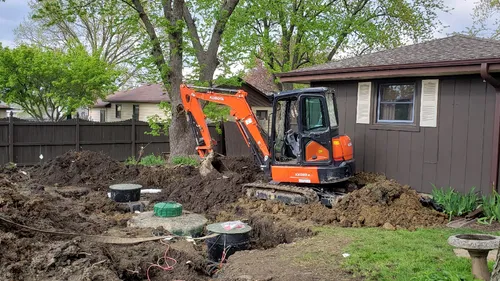
Superior Wastewater Systems, Inc.
2100 Mills Rd, Joliet, IL 60433
Superior Wastewater Systems, Inc. provides septic system repair and septic tank installation services in Chicago, IL. They serve residential, commercial, and industrial clients, offering installation, repair, and maintenance of septic systems. With over 30 years of experience, the company has developed expertise in handling various wastewater system needs.
Mikes Plumbing Chicago : 24 Hour Plumber Chicago, Emergency Plumbers In Glenview, Evanston, Glencoe, Niles & Skokie
7214 N Crawford Ave, Lincolnwood, IL 60712
Mikes Plumbing Chicago is a licensed and insured plumbing contractor serving Chicago, IL, and the Greater Chicagoland area. They provide a wide range of residential and commercial plumbing services, including septic tank installation, plumbing repairs, and sewer system maintenance. The company is equipped to handle emergencies with 24/7 availability and an average response time of 45 minutes. Established in 1997, Mikes Plumbing Chicago offers a 10-year labor warranty and manufacturer guarantees on parts, emphasizing quality and reliability in their work.
Understanding Septic System Basics
A septic system, also known as a private sewage disposal system, is an on-site wastewater treatment structure common in areas not served by municipal sewer lines. It typically consists of a septic tank and a soil absorption field (drainfield). The tank separates solids from liquids, allowing partially treated effluent to flow into the drainfield, where the soil provides final treatment. Proper installation is critical for long-term functionality and environmental safety, preventing contamination of groundwater, which is a source of drinking water for many in DuPage County.
The Lombard and DuPage County Regulatory Framework
All septic system installations and replacements in Lombard must comply with regulations enforced by the DuPage County Health Department and the Illinois Department of Public Health (IDPH) 1. Lombard itself may have additional local ordinances through its Building Division that must be followed. The core of the process is obtaining a Private Sewage Disposal Permit before any construction begins. Working without a permit can result in fines and orders to remove non-compliant work.
Step 1: Site Evaluation and Soil Testing
The first technical step is a professional site evaluation. A licensed engineer, soil classifier, or qualified contractor must assess your property. This evaluation determines the suitability of the soil and identifies the best location for the system. Key factors include:
- Soil Percolation Test: Often called a "perc test," this measures how quickly water drains through the soil. The results determine the size and design of the necessary drainfield 2.
- Soil Boring: Samples are taken to analyze soil composition and depth to bedrock or seasonal high water table.
- Site Topography: The slope of the land affects system design.
- Setback Distances: Regulations specify minimum distances from the system to wells, property lines, buildings, and streams.
Step 2: System Design and Permit Application
Once the site is evaluated, a detailed system design is created. This design, along with a completed permit application, a plat of survey, and contractor information, is submitted to the DuPage County Health Department 3. In Lombard, you will also likely need to engage with the Village of Lombard Building Division as part of the permit process 4. The design must meet all state and county standards for tank capacity, drainfield size, and construction materials.
Tank sizing is a crucial part of the design. A 1,000-gallon tank is often the minimum requirement and may be suitable for a 2-3 bedroom home, with capacity increasing for more bedrooms or larger homes 5. The design will specify whether a conventional system or a more advanced alternative system is needed based on site constraints.
Step 3: Professional Installation
With permit in hand, excavation and installation can begin. This is not a DIY project; it must be performed by a licensed septic system installer. The process involves:
- Excavating the tank and drainfield areas.
- Placing the septic tank (typically concrete, fiberglass, or polyethylene).
- Installing the distribution box and laying the perforated pipes in the drainfield trenches.
- Connecting the house plumbing to the tank and the tank to the drainfield.
Find the perfect septic tank installation & replacement contractors for your needs
Get personalized recommendations and expert advice
Step 4: Mandatory Inspections
Multiple inspections by the health department are required to ensure the work meets code. These are critical checkpoints:
- Open Trench Inspection: Before the drainfield pipes and tank are covered, an inspector must verify the materials, layout, and depth comply with the approved plan 6 7.
- Final Inspection: After installation is complete but before the system is put into use, a final inspection is conducted. Passing this inspection is necessary for the system to be officially approved for operation 8.
Cost Considerations for Installation and Replacement
The total cost for a new septic system or a full system replacement in Lombard varies significantly based on site conditions, system size, and design complexity. Research indicates a typical range of $7,000 to over $20,000 9. Factors that increase cost include poor soil conditions requiring an advanced treatment system, difficult site access, or the need for a larger-capacity tank and field.
It's important to budget for related expenses beyond the physical installation:
- Soil Testing and Site Evaluation: Several hundred dollars.
- Permit Fees: Set by DuPage County.
- Professional Inspections: The average cost for septic inspections in Illinois is around $530 10.
- Landscaping Restoration: After installation, the yard will need to be graded and re-seeded or re-sodded.
Maintaining Your New Septic System
Proper maintenance begins immediately after installation. To protect your investment and avoid premature system failure:
- Pump the Tank Regularly: Have the septic tank pumped by a professional every 3-5 years, depending on household size and usage 11.
- Conserve Water: Reduce strain on the system by fixing leaks and using water-efficient fixtures.
- Mind What You Flush: Only human waste and toilet paper should go down the drain. Avoid chemicals, grease, diapers, and wipes.
- Protect the Drainfield: Never drive or park vehicles over the drainfield. Do not build structures like sheds or patios over it. Plant only grass over the area; tree and shrub roots can damage pipes 12.
When is Replacement Necessary?
Understanding when to repair versus replace an existing system is key. Signs you may need a full septic system replacement include:
- Persistent sewage backups or slow drains despite pumping.
- Soggy ground or standing water over the drainfield, especially with foul odors.
- Failed inspection during a property transfer.
- An old system (30+ years) that is showing signs of failure.
- Changes in household size requiring a larger system capacity.
If you suspect a failure, contact a licensed septic professional immediately for an assessment to prevent environmental contamination and health hazards.
Frequently asked questions
Sources
Footnotes
-
Private Sewage Disposal - Illinois Department of Public Health - https://dph.illinois.gov/topics-services/environmental-health-protection/private-sewage-disposal.html ↩
-
Sewage Disposal System Permit | Bureau, Putnam & Marshall ... - https://bpmhd.org/steps-to-obtain-a-sewage-disposal-system-permit/ ↩
-
Illinois Septic Tank Requirements - https://www.ntotank.com/blog/illinois-septic-tank-requirements ↩
-
BEFORE GETTING STARTED - Lombard, IL - https://www.villageoflombard.org/DocumentCenter/View/135/Before-Getting-Started-Permit-Processing-and-Requirements-PDF ↩
-
What Size Septic Tank Do I Need - https://www.ntotank.com/blog/what-size-septic-tank-do-i-need ↩
-
§ 51.05 SEWAGE TREATMENT OR DISPOSAL SYSTEMS. - https://codelibrary.amlegal.com/codes/willcounty/latest/willcounty_il/0-0-0-31672 ↩
-
Septic Inspections Made Easy: What Every Contractor Needs to Know Before Breaking Ground (2025) - https://flengineeringllc.com/septic-inspections-guide-contractors-2025/ ↩
-
CHAPTER 300 SANITARY SEWER CONSTRUCTION ... - https://www.villageoflombard.org/DocumentCenter/View/1019/Chapter-300-Text ↩
-
Septic Systems in Quincy IL | Vinson and Sill, Inc - https://www.vinsonandsill.com/septic-systems-quincy-il ↩
-
How Much Does a Septic Inspection Cost? [2026 Data] - Angie's List - https://www.angi.com/articles/septic-inspection-cost.htm ↩
-
septic-systems.pdf - Illinois Environmental Protection Agency - https://epa.illinois.gov/content/dam/soi/en/web/epa/documents/water/conservation/lake-notes/septic-systems.pdf ↩
-
Homeowners Guide for Well and Septic Systems - https://www.dupagehealth.org/DocumentCenter/View/9711/Homeowners-Guide-for-Well-and-Septic-Systems---English-PDF ↩