Find the Best Septic Tank Installation & Replacement Contractors for Your Business
No obligation • Fast responses • Nationwide coverage

Why you can trust Septic Spot
Septic Spot is a leading United States resource for understanding and comparing septic services. Our editors review providers using consistent criteria and verify key business details. Listings and scores are independent, and companies cannot pay to influence our content.
Search providers near you
Top Septic Tank Installation & Replacement Contractors in Orland Park, Illinois Ranked
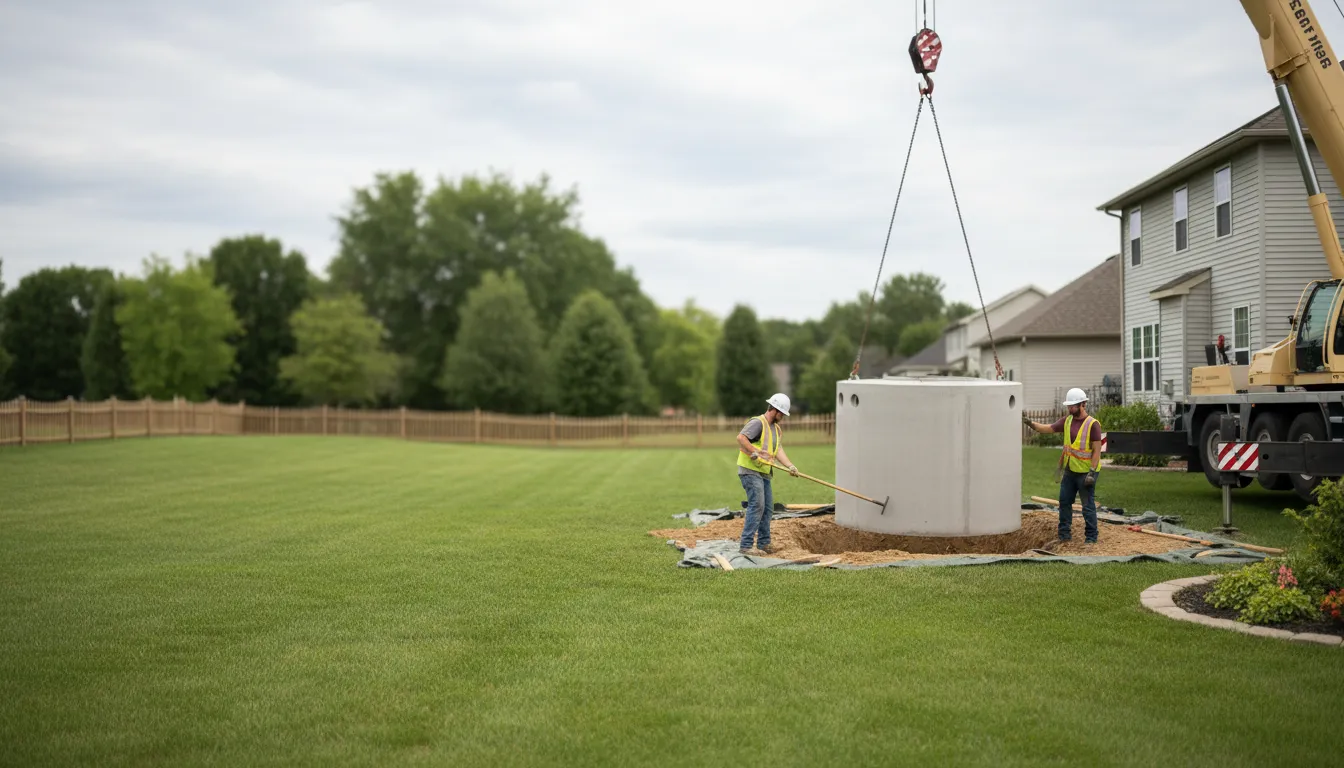
Installing or replacing a septic system is a significant home improvement project that ensures the safe and efficient treatment of household wastewater. For Orland Park residents not connected to municipal sewer lines, a properly designed and permitted septic system is essential for property functionality, environmental protection, and compliance with local health codes. This guide outlines the key steps, regulations, and considerations for septic system work in Orland Park, helping you understand the process and connect with qualified local professionals.

Suburban Plumbing Sewer Line and Drain Cleaning Experts
9100 Plainfield Rd Suite #9A, Brookfield, IL 60513
Suburban Plumbing Sewer Line and Drain Cleaning Experts is a full-service plumbing company serving Chicago, IL, and the greater Chicagoland area. They provide a wide range of services including septic tank pumping, inspections, repairs, and new system installations, as well as sewer line repairs, drain cleaning, water heater services, and flood control solutions. With over 30 years of experience, their licensed and insured technicians use advanced equipment like hydro jetting and sewer camera inspections to deliver effective plumbing solutions. The company offers 24/7 emergency plumbing services to address urgent issues promptly.
Allied Water Services
Joliet, IL
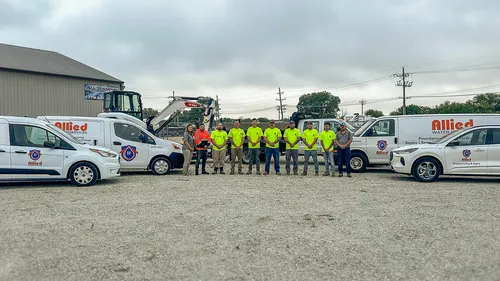
Allied Water Services is a septic system repair and installation company based in Joliet, IL. They specialize in comprehensive underground and water management solutions, including septic system repairs, septic tank installations, drainage system design, and waterproofing. The company is equipped to handle challenging soil and water conditions common in the region. Their services cover a broad area including Kankakee, DuPage, Will, Iroquois, Cook, Livingston, and Grundy counties. Allied Water Services emphasizes code compliance and thorough project planning, providing documentation and warranties for their work.
Midwest Septic and Drain Inc.
503 Davy Ln, Wilmington, IL 60481
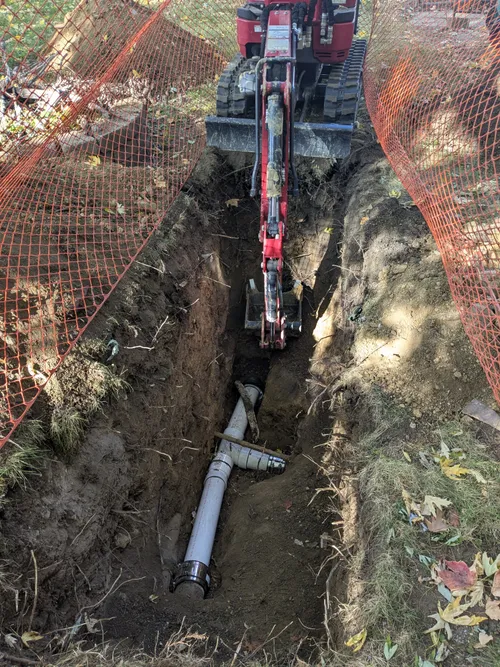
Midwest Septic and Drain Inc. is a septic service provider located near Joliet, IL. They offer septic tank installation, pumping, and repair services. The company serves multiple counties including Will, Cook, Grundy, Kendall, and Kankakee. Midwest Septic and Drain Inc. handles a range of septic system needs, focusing on installation and maintenance to ensure proper function.
Dynamic Septic Service
18600 Rte 59, Shorewood, IL 60404
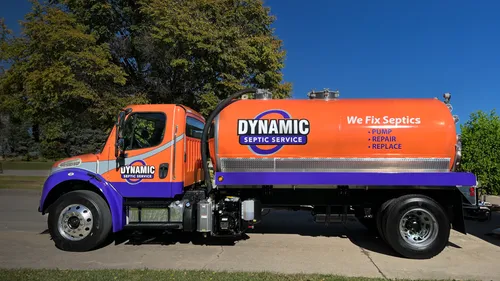
Dynamic Septic Service is a locally owned company based in Shorewood, Illinois, providing septic pumping, inspection, repair, and installation services in Chicago, IL, and surrounding counties including Will, DuPage, Cook, Kendall, Grundy, and Kankakee. With over 30 years of hands-on experience, they specialize in diagnosing septic system issues and offering clear options for repair or replacement. Their expertise includes routine pumping and complex system repairs, ensuring long-term functionality of septic systems.
Ability Septic
801 N Raddant Rd, Batavia, IL 60510
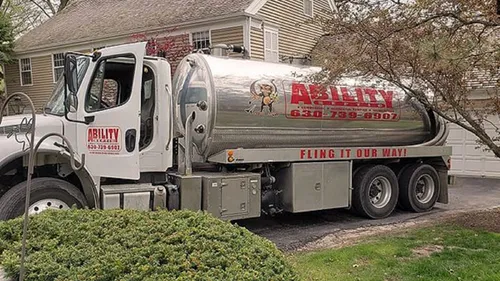
Ability Septic is a family-owned septic service provider based near Aurora, IL, serving Batavia and surrounding areas. With over 65 years of experience since 1956, they offer a full range of septic services including pumping, inspection, installation, repair, and drain field maintenance. Their team uses advanced Lenzyme bio-products for eco-friendly septic system solutions and provides 24/7 emergency services to address urgent needs promptly.
Understanding Local Regulations and Permits
All new septic system installations and major replacements in Orland Park require formal approval and permitting. The process is governed by both the Village of Orland Park Development Services Department and the Cook County Health Department. You cannot begin any excavation or installation work without first securing the necessary permits.
The primary permit required is a Private Sewage Disposal Permit. Applications are typically submitted through the Village's Civic Access portal1. The permit application must include detailed plans and supporting documentation, which leads us to the first critical step: the site evaluation.
The Critical First Step: Site Evaluation and Soil Testing
Before a septic system can be designed, a professional must assess your property's suitability. This is not a mere formality; it's a scientific analysis that determines the entire system's design and longevity.
- Soil Percolation Test ("Perc Test"): A licensed professional, such as a Certified Soil Classifier or Engineer, conducts this test to measure the soil's absorption rate-how quickly water drains through it 2. The results, or "perk rate," directly dictate the size and type of drain field or leaching field needed.
- Soil Classification: The professional will also classify the soil types at various depths. Soil composition (e.g., clay, sand, loam) significantly impacts absorption and influences system design choices3.
- Site Constraints: The evaluation will note setbacks from property lines, wells, waterways, wetlands, and conservation areas as per the local Land Development Code 4. These constraints can affect where the system can legally be placed.
This evaluation report becomes the foundation for your system's engineered design plan, which is submitted with your permit application.
Designing Your Septic System: Tank and Field Considerations
With soil data in hand, a system can be designed. The two main components are the septic tank and the absorption field.
- Septic Tank Sizing: Tank capacity is primarily based on the number of bedrooms in a home, which serves as a proxy for daily wastewater flow. A standard 1,000-gallon tank is often the minimum, typically suitable for a 2-3 bedroom home5. Larger homes require tanks with greater capacity. The tank's job is to separate solids from liquids, allowing partially treated effluent to flow to the drain field.
- Drain Field Design: The size and configuration of the leach field are calculated from the soil percolation test results. Poorly draining soils require a much larger field area than sandy, well-draining soils. In some cases with challenging sites, alternative systems like mound systems or aerobic treatment units (ATUs) may be necessary.
The Installation Process: From Excavation to Inspection
Once permits are approved, installation can begin. This work must be performed by a Licensed Private Sewage Installation Contractor6. The process is methodical and involves multiple mandatory inspections to ensure code compliance.
- Excavation: The contractor excavates holes for the septic tank and the trenches for the drain field according to the approved plan.
- Initial Inspection: A village inspector may visit to check the excavation and the components (tank, pipes) before they are placed.
- System Placement: The septic tank is set, and the network of perforated pipes in the drain field is laid on a bed of gravel.
- Open Inspection: This is a crucial checkpoint. The inspector must see the entire system-tank set, pipes laid, and all connections made-before any backfilling occurs7 8. This ensures everything is correctly installed and accessible for verification.
- Backfilling and Final Grade: After passing the open inspection, the contractor can backfill the excavations with soil and restore the landscape.
- Final Inspection: The inspector returns for a final review to confirm the installation matches the approved plans and that the site has been properly restored9 10.
If any stage does not meet code, the contractor must make corrections, and re-inspections will be required, potentially at an additional cost11.
Find the perfect septic tank installation & replacement contractors for your needs
Get personalized recommendations and expert advice
Understanding Costs for Septic System Projects
The total cost for a septic system installation or full system replacement in Orland Park varies widely based on system type, size, and site conditions. For a typical residential onsite wastewater treatment system, homeowners can expect a range from approximately $7,000 to over $20,00012. Several factors influence this price:
- System Type: A conventional gravity-fed system is generally the most economical. Mound systems, pressurized drain fields, or advanced treatment systems add significant cost due to extra materials, pumps, and technology.
- Tank Size and Material: Larger tanks (1,500-gallon, 2,000-gallon) cost more than standard 1,000-gallon tanks. Tank material (concrete, fiberglass, plastic) also affects price.
- Site Work: Extensive excavation, tree removal, or bringing in special sand/gravel for the drain field increases labor and material costs.
- Permits and Professional Fees: The costs for the soil evaluation, engineering design, and permit fees are separate from the installation contract.
Special Considerations for Existing Systems
If you are purchasing a home with an existing septic system, due diligence is key.
- Septic Inspection: It is highly recommended to have a professional septic inspection conducted during the home buying process 13. This can identify issues like tank integrity, drain field failure, or non-compliant components. For older systems or homes that have been vacant, an inspection is strongly advised prior to occupancy13.
- System Replacement vs. Repair: An inspection will clarify whether a failing system needs a complete septic system replacement or if targeted repairs (like a new drain field) are possible. Local health department officials can provide guidance on what is allowable.
- Routine Maintenance: To maximize the life of any system, regular pumping (typically every 3-5 years) and periodic inspections are essential14. Proper maintenance prevents premature failure and protects your property investment.
Navigating a septic project requires careful planning and adherence to strict local and county health codes. By understanding the steps-from soil testing and permitting to installation inspections-you can make informed decisions and ensure your new or replacement system is built to last, protecting both your home and the local environment.
Frequently asked questions
Sources
Footnotes
-
Permits | Village of Orland Park, IL - https://www.orlandpark.org/departments/development-services/permits-licenses-inspections/permits ↩
-
Septic System Approval: Percolation Test & Expert Guidance - https://smartsepticpros.com/blog/how-to-do-a-percolation-test/ ↩
-
Buying Land? Essential Guide to Septic System Installation - https://septic-masters.com/buying-land-septic-system-installation/ ↩
-
Part 4: Subdivision Standards - Village of Orland Park, IL - https://ecode360.com/37451139 ↩
-
What Size Septic Tank Do I Need - https://www.ntotank.com/blog/what-size-septic-tank-do-i-need ↩
-
Septic Repair/Installation - Lake County, Illinois - https://www.lakecountyil.gov/830/Septic-RepairInstallation ↩
-
Sewage Disposal System Permit | Bureau, Putnam & Marshall ... - https://bpmhd.org/steps-to-obtain-a-sewage-disposal-system-permit/ ↩
-
What to Expect During a Septic System Replacement - Townes Septic Service - https://www.townesseptic.com/blog/what-to-expect-during-a-septic-system-replacement ↩
-
Chapter 5-1: Building Code - Village of Orland Park, IL - https://ecode360.com/37396950 ↩
-
Illinois Septic Tank Requirements - https://www.ntotank.com/blog/illinois-septic-tank-requirements ↩
-
septic-systems.pdf - Illinois Environmental Protection Agency - https://epa.illinois.gov/content/dam/soi/en/web/epa/documents/water/conservation/lake-notes/septic-systems.pdf ↩
-
Septic Systems in Quincy IL | Vinson and Sill, Inc - https://www.vinsonandsill.com/septic-systems-quincy-il ↩
-
Septic Inspection in Orland Park, IL - FreeFlow Environmental - https://freeflowusa.com/septic-inspection-in-orland-park-illinois/ ↩ ↩2
-
Buying and Selling Homes | Septic Systems - Illinois Extension - https://extension.illinois.edu/septic-systems/buying-and-selling-homes ↩