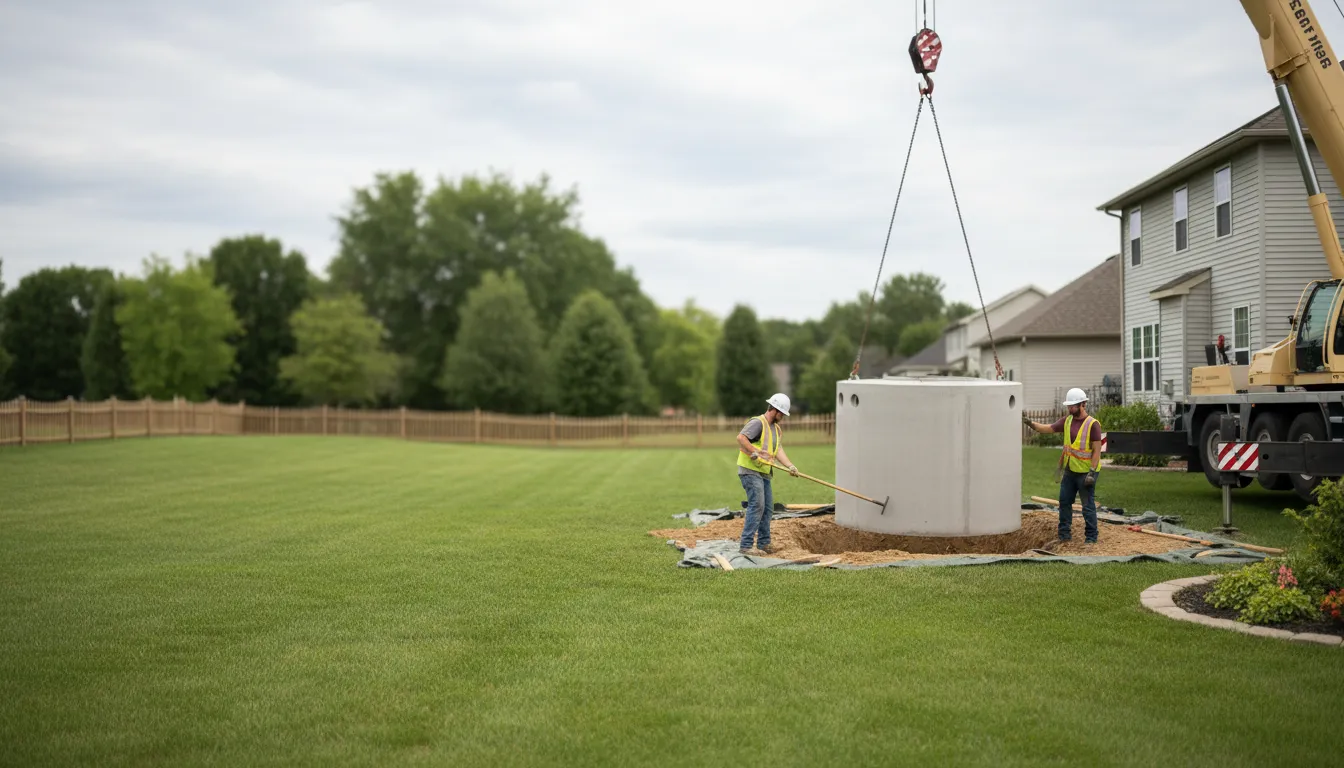
Find the Best Septic Tank Installation & Replacement Contractors for Your Business
No obligation • Fast responses • Nationwide coverage

Why you can trust Septic Spot
Septic Spot is a leading United States resource for understanding and comparing septic services. Our editors review providers using consistent criteria and verify key business details. Listings and scores are independent, and companies cannot pay to influence our content.
Search providers near you
Top Septic Tank Installation & Replacement Contractors in Schaumburg, Illinois Ranked
Installing or replacing a septic system is a significant home improvement project that ensures the safe and effective treatment of household wastewater. For Schaumburg homeowners not connected to municipal sewer lines, a properly functioning septic system is essential for property value, environmental protection, and public health. This guide explains the local process, regulations, and key considerations to help you navigate planning a new septic system installation or a full system replacement with confidence.

Suburban Plumbing Sewer Line and Drain Cleaning Experts
9100 Plainfield Rd Suite #9A, Brookfield, IL 60513
Suburban Plumbing Sewer Line and Drain Cleaning Experts is a full-service plumbing company serving Chicago, IL, and the greater Chicagoland area. They provide a wide range of services including septic tank pumping, inspections, repairs, and new system installations, as well as sewer line repairs, drain cleaning, water heater services, and flood control solutions. With over 30 years of experience, their licensed and insured technicians use advanced equipment like hydro jetting and sewer camera inspections to deliver effective plumbing solutions. The company offers 24/7 emergency plumbing services to address urgent issues promptly.
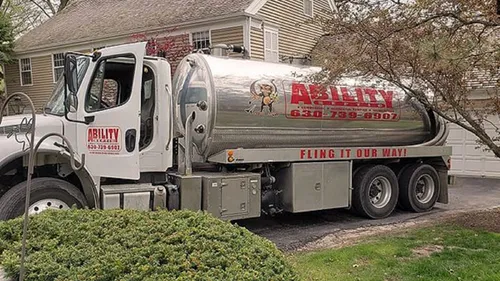
Ability Septic
801 N Raddant Rd, Batavia, IL 60510
Ability Septic is a family-owned septic service provider based near Aurora, IL, serving Batavia and surrounding areas. With over 65 years of experience since 1956, they offer a full range of septic services including pumping, inspection, installation, repair, and drain field maintenance. Their team uses advanced Lenzyme bio-products for eco-friendly septic system solutions and provides 24/7 emergency services to address urgent needs promptly.

Mikes Plumbing Chicago : 24 Hour Plumber Chicago, Emergency Plumbers In Glenview, Evanston, Glencoe, Niles & Skokie
7214 N Crawford Ave, Lincolnwood, IL 60712
Mikes Plumbing Chicago is a licensed and insured plumbing contractor serving Chicago, IL, and the Greater Chicagoland area. They provide a wide range of residential and commercial plumbing services, including septic tank installation, plumbing repairs, and sewer system maintenance. The company is equipped to handle emergencies with 24/7 availability and an average response time of 45 minutes. Established in 1997, Mikes Plumbing Chicago offers a 10-year labor warranty and manufacturer guarantees on parts, emphasizing quality and reliability in their work.
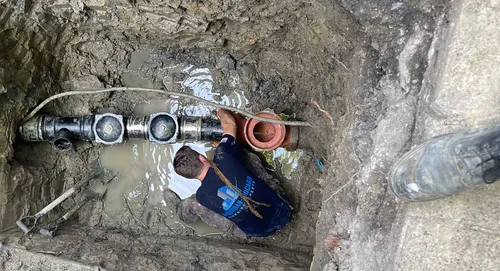
Suburban Sewer Experts
Chicago, IL
Suburban Sewer Experts provides sewer line repair, septic tank pumping, installation, and maintenance services in Chicago, IL. With over 40 years of experience, they serve both residential and commercial properties, using advanced sewer camera inspections and hydro jetting to diagnose and clear blockages efficiently. Their expertise includes main water line repair and flood control system installation, offering comprehensive solutions to protect properties from sewer and water damage.

AMC Septic Design & Testing Services, LLC
Elgin, IL
AMC Septic Design & Testing Services, LLC is a septic system repair and installation company based in Elgin, IL. They offer a full range of services including septic system design, percolation testing, infiltration testing, soil testing, site plans, and permit application assistance. The company serves a broad area covering multiple counties in Illinois as well as parts of Wisconsin, Indiana, and Michigan. AMC specializes in NSF 350 wastewater disposal system designs, which are suitable for properties with limited space or challenging soil conditions. With 30 years of experience as of 2023, AMC integrates the personalized care of a private firm with the resources of a larger company to support residential and commercial projects. They also provide engineering and surveying services through associated professionals.
Understanding the Septic System Installation Process
A septic system installation is a multi-step process governed by strict state and local codes. It begins long before any digging starts. The goal is to create an onsite wastewater treatment system that is safe, efficient, and tailored to your specific property's conditions. In Illinois, this process is regulated under the Illinois Private Sewage Disposal Code (77 IL Admin Code 905), which sets the standards for design, construction, and inspection.
The core components of a conventional system include a septic tank and a soil absorption field, often called a leach field or drain field. Wastewater from your home flows into the septic tank, where solids settle and begin to decompose. The clarified liquid then exits into a distribution box and is evenly dispersed through a network of perforated pipes in the leach field, where it percolates through the soil for final treatment. A successful installation hinges on meticulous planning and adherence to each regulatory step.
Step 1: Site Evaluation and Soil Testing
The first and most critical phase is evaluating your property's suitability for a septic system. This is not a DIY task; it must be performed by a licensed professional, such as a soil scientist or professional engineer.
- Site Assessment: The professional will evaluate the topography, slope, groundwater levels, and proximity to wells, property lines, and water bodies.
- Soil Survey and Percolation Test: A soil survey determines the soil type and depth to limiting layers like bedrock or a high water table. The mandatory soil percolation ("perc") test measures how quickly water drains through the soil. This rate directly dictates the size and design of the required leach field-slower-draining soils require a larger field 1.
- System Design: Based on the site and perc test results, a detailed system design plan is created. This plan specifies the tank size, leach field layout, pipe specifications, and other engineering details required for the permit application.
Step 2: Securing Permits in Cook County
No installation or replacement work can legally begin without the proper permits. In Schaumburg, permits are typically issued by the Cook County Department of Public Health, though you should verify if your local municipality has its own authority.
- Permit Application: You or your licensed contractor will submit the completed system design plans, the soil evaluation report, and the application forms to the health department.
- Review and Approval: The department reviews the submission for compliance with the Illinois Private Sewage Disposal Code. Only after they issue a permit can you proceed. Attempting to install a system without a permit can result in fines and an order to remove the non-compliant system.
Step 3: Working with a Licensed Illinois Contractor
State law is explicit: only a licensed Private Sewage Installation Contractor can install or replace a septic system in Illinois 2. Hiring a licensed professional is non-negotiable for both legality and quality assurance.
- Verification: Always ask for and verify the contractor's state license number. Licensed contractors understand the complex code requirements, know how to properly file for inspections, and carry the necessary insurance.
- Responsibilities: Your chosen contractor will handle the excavation, placement of the septic tank and distribution components, installation of the leach field piping, and coordination with the health department inspector at critical stages.
The Three Required Inspections
The health department must inspect the work at three key points before the system can be approved for use 3 4:
- Pre-installation Inspection: Sometimes required to verify the staked-out location matches the approved plans.
- Open Trench/System Inspection: This is the most crucial inspection. The inspector must examine the excavated hole, the properly leveled and installed septic tank, the watertight pipe connections, and the gravel bed and lateral pipes in the leach field before they are covered with soil.
- Final Inspection: After the system is covered and the site is restored, a final inspection ensures everything is complete. Passing this inspection provides the official approval for you to start using the system.
Find the perfect septic tank installation & replacement contractors for your needs
Get personalized recommendations and expert advice
Key System Components and Illinois Code Requirements
Understanding what goes into your system helps you communicate effectively with your contractor and inspector.
- Septic Tank: Tanks are typically made of concrete, fiberglass, or polyethylene. Illinois code specifies requirements for structural strength, liquid capacity, inlet/outlet baffles, and access risers 5. A standard residential tank must be at least 1,000 gallons, but the required size increases based on the number of bedrooms in the home 6 7.
- Leach Field: This is the most variable part of the system. Its size and configuration are determined entirely by the soil perc test results. It consists of trenches filled with gravel and perforated pipes that distribute the effluent.
- Alternative Systems: If a conventional gravity-fed system is not suitable due to poor soil conditions, high groundwater, or a small lot, alternative systems like mound systems, aerobic treatment units (ATUs), or drip irrigation may be necessary. These are more complex and expensive but can make a challenging site buildable.
Cost Considerations for Installation and Replacement
The total cost for a new septic system installation or a full system replacement in the Schaumburg area is highly variable. While individual septic tanks can range from $500 to $2,500 for the unit itself, the total project cost, including excavation, piping, leach field, permits, and labor, typically ranges from $7,000 to over $20,000 8 9 10.
Several factors influence the final price:
- System Size and Type: A larger home (more bedrooms) requires a larger tank and drain field. Conventional systems are less expensive than alternative mound or aerobic systems.
- Site Conditions: Difficult soil, rocky terrain, high groundwater, or the need for extensive grading can significantly increase excavation and labor costs.
- Permit and Inspection Fees: These are separate line-item costs paid to the county health department.
- System Replacement: Replacing a failed system often includes additional costs for pumping and disposing of the contents of the old tank, demolishing the old leach field, and additional landscaping to restore the yard.
Maintaining Your New Septic System
Once your new system is installed, proper maintenance is key to a long lifespan, which can be 20-40 years or more. The Illinois EPA recommends annual inspections of the tank and having it pumped typically every 3-5 years, depending on usage 11. Protect your investment by conserving water, avoiding flushing harmful chemicals or non-biodegradables, and never driving or building over the tank or leach field area.
Frequently asked questions
Sources
Footnotes
-
Grady Consulting, L.L.C. provides design plans and specifications for the replacement / construction of septic systems. Massachu - http://www.gradyconsulting.com/pdf/Soil%20Eval%20Perc%20Septic%20Design.pdf ↩
-
Illinois Septic License & Certification | 2024 Contractor Guide - https://www.servicetitan.com/licensing/septic/illinois ↩
-
How to Know if You Need a Septic System Permit - Pippin Home Designs - https://www.pippinhomedesigns.com/septic-system-permit/ ↩
-
Buying and Selling Homes | Septic Systems - Illinois Extension - https://extension.illinois.edu/septic-systems/buying-and-selling-homes ↩
-
Ill. Admin. Code tit. 77, § 905.40 - Septic Tanks | State Regulations - https://www.law.cornell.edu/regulations/illinois/Ill-Admin-Code-tit-77-SS-905.40 ↩
-
Illinois Septic Tank Requirements | Onsite Wastewater Treatment ... - https://www.ntotank.com/blog/illinois-septic-tank-requirements ↩
-
What Size Septic Tank Do I Need - https://www.ntotank.com/blog/what-size-septic-tank-do-i-need ↩
-
Septic Systems in Quincy IL | Vinson and Sill, Inc - https://www.vinsonandsill.com/septic-systems-quincy-il ↩
-
How Much Does a Septic Inspection Cost? [2026 Data] - Angie's List - https://www.angi.com/articles/septic-inspection-cost.htm ↩
-
How Much Does a Septic Tank Cost? - NerdWallet - https://www.nerdwallet.com/home-ownership/home-improvement/learn/septic-tank-cost ↩
-
septic-systems.pdf - Illinois Environmental Protection Agency - https://epa.illinois.gov/content/dam/soi/en/web/epa/documents/water/conservation/lake-notes/septic-systems.pdf ↩