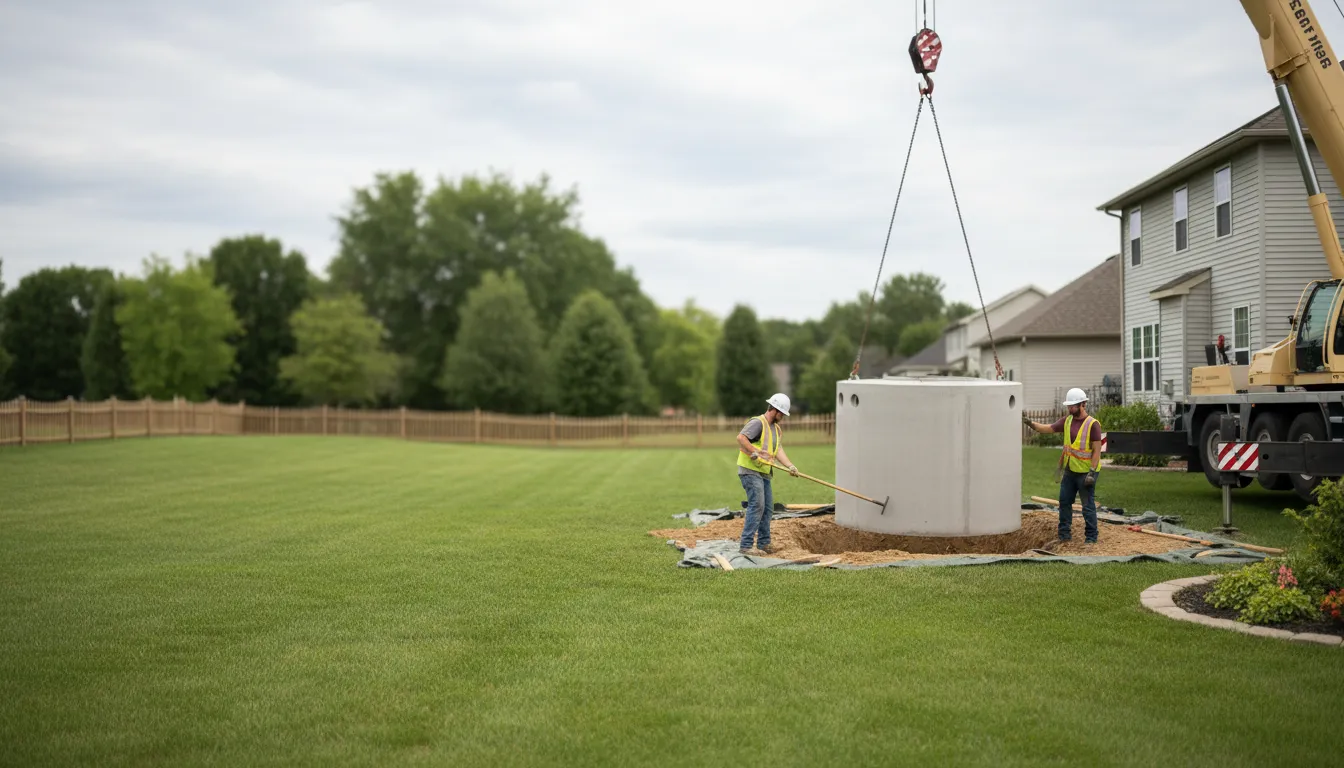
Find the Best Septic Tank Installation & Replacement Contractors for Your Business
No obligation • Fast responses • Nationwide coverage

Why you can trust Septic Spot
Septic Spot is a leading United States resource for understanding and comparing septic services. Our editors review providers using consistent criteria and verify key business details. Listings and scores are independent, and companies cannot pay to influence our content.
Search providers near you
Top Septic Tank Installation & Replacement Contractors in Skokie, Illinois Ranked
Installing or replacing a septic system is a significant home improvement project that requires careful planning and adherence to strict local regulations. A properly designed and permitted septic system is crucial for protecting your property value, your family's health, and the local environment in Skokie. This guide provides essential information on the process, costs, and regulations to help you connect with qualified local professionals for your septic installation or replacement needs.

Suburban Plumbing Sewer Line and Drain Cleaning Experts
9100 Plainfield Rd Suite #9A, Brookfield, IL 60513
Suburban Plumbing Sewer Line and Drain Cleaning Experts is a full-service plumbing company serving Chicago, IL, and the greater Chicagoland area. They provide a wide range of services including septic tank pumping, inspections, repairs, and new system installations, as well as sewer line repairs, drain cleaning, water heater services, and flood control solutions. With over 30 years of experience, their licensed and insured technicians use advanced equipment like hydro jetting and sewer camera inspections to deliver effective plumbing solutions. The company offers 24/7 emergency plumbing services to address urgent issues promptly.
Mikes Plumbing Chicago : 24 Hour Plumber Chicago, Emergency Plumbers In Glenview, Evanston, Glencoe, Niles & Skokie
7214 N Crawford Ave, Lincolnwood, IL 60712
Mikes Plumbing Chicago is a licensed and insured plumbing contractor serving Chicago, IL, and the Greater Chicagoland area. They provide a wide range of residential and commercial plumbing services, including septic tank installation, plumbing repairs, and sewer system maintenance. The company is equipped to handle emergencies with 24/7 availability and an average response time of 45 minutes. Established in 1997, Mikes Plumbing Chicago offers a 10-year labor warranty and manufacturer guarantees on parts, emphasizing quality and reliability in their work.
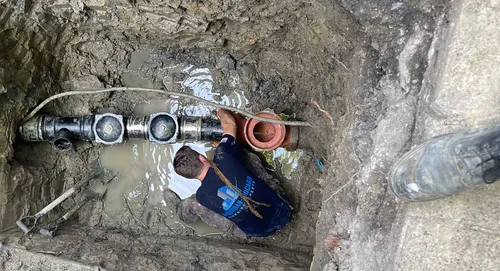
Suburban Sewer Experts
Chicago, IL
Suburban Sewer Experts provides sewer line repair, septic tank pumping, installation, and maintenance services in Chicago, IL. With over 40 years of experience, they serve both residential and commercial properties, using advanced sewer camera inspections and hydro jetting to diagnose and clear blockages efficiently. Their expertise includes main water line repair and flood control system installation, offering comprehensive solutions to protect properties from sewer and water damage.

Zeilinga Services, Inc.
850 Meadowview Crossing #9, West Chicago, IL 60185
Zeilinga Services, Inc. is a septic system company based in Chicago, IL. They provide septic tank pumping, inspection, repair, and installation services, along with drain field repair and septic pump replacement. Their work includes servicing various septic units such as Aqua 02, AquaKleer, and Norweco systems. They perform thorough maintenance tasks like cleaning pumps, changing filters, checking alarms, and conducting sludge tests to determine pumping needs. Zeilinga Services also offers specialized capabilities including jetting, lift station work, TV camera line inspections, and root control treatments.
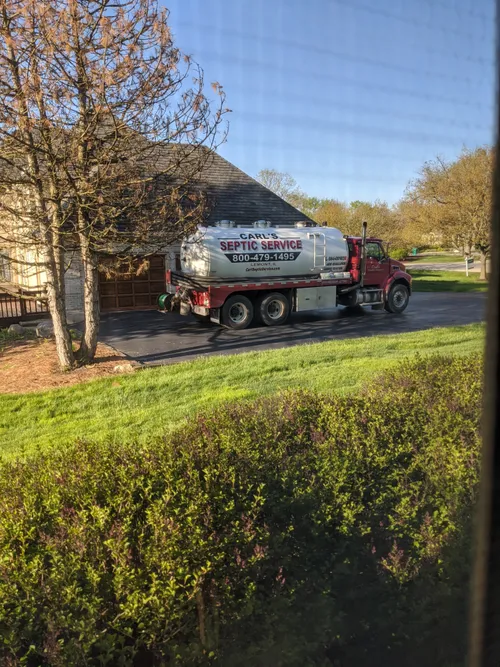
Carl's Septic Services
20W335 S Frontage Rd, Lemont, IL 60439
Carl's Septic Services is a family-owned company based near Chicago, IL, serving DuPage, Will, Kane, Kendall, and Cook counties. Founded in 1962, the company offers a full range of septic system services including pumping, repair, installation, and system design. Their team consists of fully certified and state-licensed technicians who handle everything from routine maintenance to new septic system installations. With over 60 years of experience, Carl's Septic Services brings extensive knowledge to each project.
Understanding Septic System Basics
A septic system, or private sewage disposal system, is an on-site wastewater treatment structure for properties not connected to a municipal sewer line. The most common type is a conventional system, which includes a septic tank and a soil absorption field (often called a drainfield or leach field). The tank separates solids from liquids, and the pre-treated liquid effluent is then distributed into the soil for final treatment. In Skokie, all systems must be designed and installed according to the Illinois Department of Public Health (IDPH) Code.
The Regulatory Landscape in Skokie and Illinois
Before any shovels hit the ground, you must navigate the permit process. Illinois state law requires a Private Sewage Disposal System Permit before construction can begin. This application is typically submitted to the local health department or municipal authority. The regulations are designed to ensure systems are safe and effective, with specific requirements for:
- Location Constraints: Systems must meet minimum separation distances from wells, water bodies, property lines, and buildings 1.
- Licensed Professionals: Only state-licensed contractors, engineers, and soil classifiers are legally permitted to design, install, or repair septic systems in Illinois 2.
- System Specifications: All components, from tank size to pipe materials, must meet IDPH standards.
Critical First Steps: Site Evaluation and Soil Testing
The feasibility and design of your septic system hinge entirely on your property's conditions. Two professional assessments are mandatory:
- Site Evaluation: A licensed professional will assess the topography, groundwater levels, and overall layout of your property to determine the best location for the tank and drainfield.
- Soil Percolation Test (Perc Test): This is a non-negotiable requirement. A certified soil classifier or licensed professional engineer must conduct this test to determine your soil's absorption rate, or how quickly it can accept and treat wastewater 3 4. The results dictate the size and type of system your property can support.
The Installation Process: From Permit to Final Inspection
Once your site is approved and permits are in hand, the installation process follows a structured path with required checkpoints.
- Excavation and Tank Placement: The area for the septic tank and absorption field is excavated. Tank sizes are regulated; for example, a 2-3 bedroom home typically requires a minimum 1,000-gallon tank, with larger homes needing correspondingly larger tanks 5.
- System Assembly: The septic tank is set and connected to the home's main drain line. The distribution field is constructed, which may involve laying gravel and perforated pipe in trenches or installing modern chamber systems 6.
- Pre-Cover Inspection: Before the tank and field are backfilled, a health officer or inspector will often visit the site to verify the installation matches the approved plans and that all components are correctly installed 7.
- Final Inspection and Approval: After the system is covered, a final inspection is conducted. Only after receiving final approval from the health authority can the new septic system be put into use 8 9.
Find the perfect septic tank installation & replacement contractors for your needs
Get personalized recommendations and expert advice
Cost Considerations for Septic System Installation
The total investment for a new septic system in the Skokie area varies widely based on system type, soil conditions, and property size. For a standard conventional system, homeowners can expect costs typically ranging from $7,000 to over $20,000 10 11. Complex systems for challenging soils or larger homes will be at the higher end of this range or beyond. It's important to budget for related expenses as well, such as the soil perc test, permit fees, and professional design plans. For context, a standard professional septic inspection in Illinois averages around $530 12.
Types of Septic Systems
While conventional systems are common, not all properties can support them. Based on the site evaluation, a licensed designer may recommend an alternative system:
- Conventional Gravity System: Relies on gravity to move effluent from the tank to the drainfield.
- Pressure-Dosed System: Uses a pump to evenly distribute effluent across the drainfield, often used for sloping sites.
- Aerobic Treatment Unit (ATU): Adds oxygen to the treatment process, providing a higher level of treatment before effluent enters the soil.
- Sand Filter or Mound System: Used when soil depth or permeability is insufficient, these systems provide additional treatment above ground level.
Planning for Septic System Replacement
If you're replacing a failing system, the process involves additional steps. The old tank must be properly pumped out and either removed or collapsed and filled with sand or gravel. A new site evaluation is almost always required, as regulations and soil conditions may have changed since the original system was installed. Replacement is an opportunity to upgrade to a more efficient, modern system that meets current codes.
Maintaining Your New Investment
A new septic system is a major investment that can last decades with proper care. Key maintenance includes:
- Regular pumping of the tank (typically every 3-5 years).
- Conserving water to avoid overloading the system.
- Avoiding flushing harmful chemicals or non-biodegradable materials.
- Keeping the drainfield area clear of heavy vehicles, structures, and deep-rooted plants.
Frequently asked questions
Sources
Footnotes
-
Chapter Comm 20 - DSPS - https://dsps.wi.gov/Documents/Programs/UDC/CodeArchives/2000CommAprCh20AdminEnforcement.pdf ↩
-
Illinois Septic License & Certification | 2024 Contractor Guide - https://www.servicetitan.com/licensing/septic/illinois ↩
-
Sewage Disposal System Permit | Bureau, Putnam & Marshall ... - https://bpmhd.org/steps-to-obtain-a-sewage-disposal-system-permit/ ↩
-
Perc Test for Septic System: A Complete Guide - https://landperc.com/perc-test-for-septic-system/ ↩
-
What Size Septic Tank Do I Need - https://www.ntotank.com/blog/what-size-septic-tank-do-i-need ↩
-
Septic System Planning Guide: Pre-Building Factors - https://www.lanikseptic.com/how-to-plan-a-septic-system/ ↩
-
Buying and Selling Homes | Septic Systems - Illinois Extension - https://extension.illinois.edu/septic-systems/buying-and-selling-homes ↩
-
Illinois Septic Tank Requirements - https://www.ntotank.com/blog/illinois-septic-tank-requirements ↩
-
Septic Repair/Installation - Lake County, Illinois - https://www.lakecountyil.gov/830/Septic-RepairInstallation ↩
-
Septic Systems in Quincy IL | Vinson and Sill, Inc - https://www.vinsonandsill.com/septic-systems-quincy-il ↩
-
septic-systems.pdf - Illinois Environmental Protection Agency - https://epa.illinois.gov/content/dam/soi/en/web/epa/documents/water/conservation/lake-notes/septic-systems.pdf ↩
-
How Much Does a Septic Inspection Cost? [2026 Data] - Angie's List - https://www.angi.com/articles/septic-inspection-cost.htm ↩