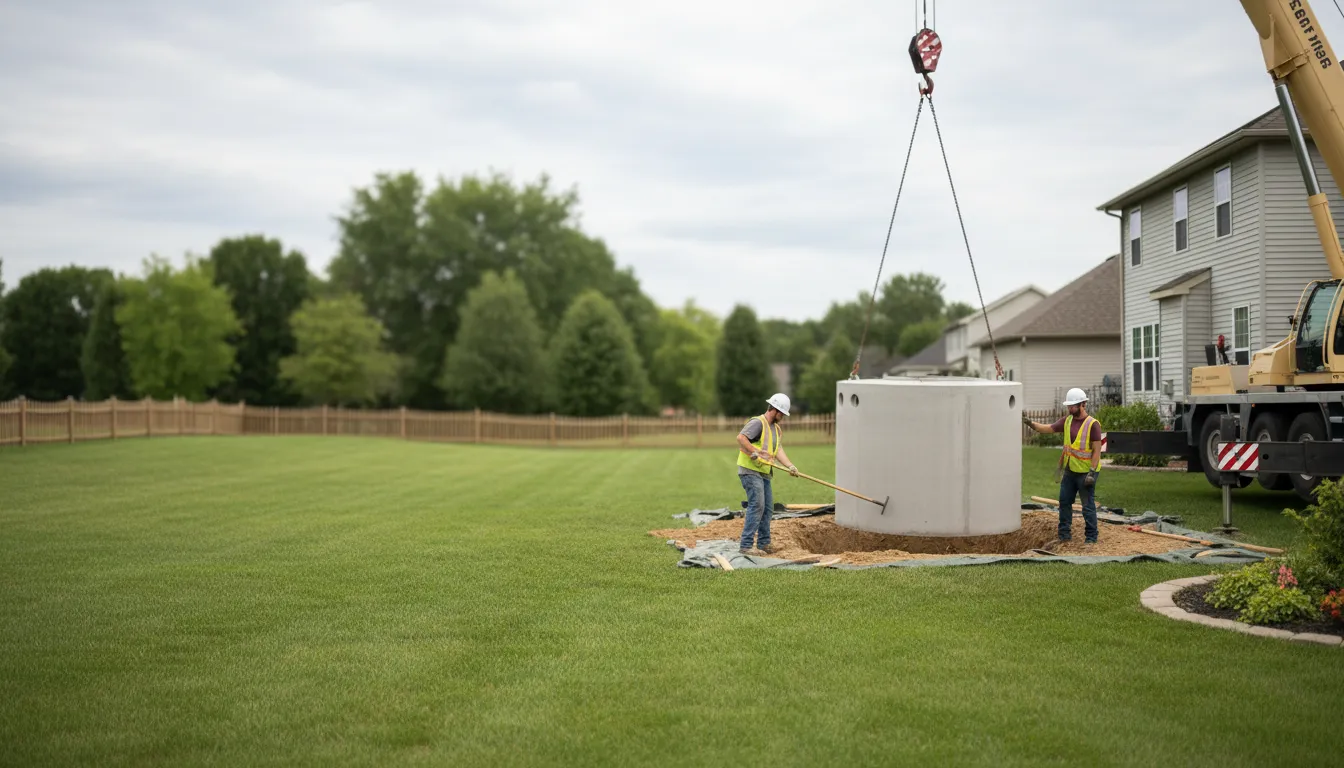
Find the Best Septic Tank Installation & Replacement Contractors for Your Business
No obligation • Fast responses • Nationwide coverage

Why you can trust Septic Spot
Septic Spot is a leading United States resource for understanding and comparing septic services. Our editors review providers using consistent criteria and verify key business details. Listings and scores are independent, and companies cannot pay to influence our content.
Search providers near you
Top Septic Tank Installation & Replacement Contractors in Lawrence, Kansas Ranked
Installing or replacing a septic system is a significant investment in your property's long-term functionality and environmental health. For homeowners in Lawrence and Douglas County, navigating the local regulations, soil testing, and installation process is essential for a compliant and reliable wastewater system. This guide provides a detailed overview of the steps, costs, and requirements for septic tank installation and replacement, helping you understand what to expect and how to connect with qualified local professionals.
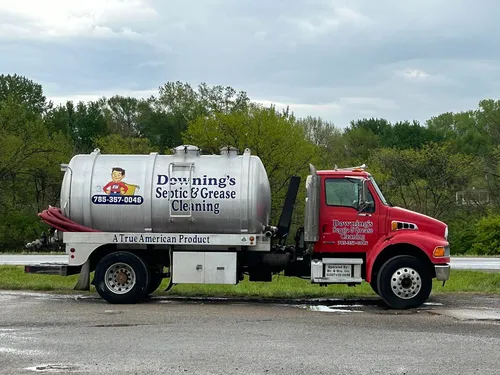
Downing Septic Tank Cleaning
2611 SW 17th St #105, Topeka, KS 66604
Downing Septic Tank Cleaning is a licensed and insured company serving Topeka, KS, and the surrounding northeast Kansas area, including Kansas City and Lawrence. With over 20 years of experience, they provide septic tank installation, pumping, and cleaning services for residential, commercial, and industrial clients. Their expertise includes inspection and repair of lateral fields, grease trap installation and cleaning, and holding tank pumping. The company offers 24/7 service, ensuring support for clients any day of the year.
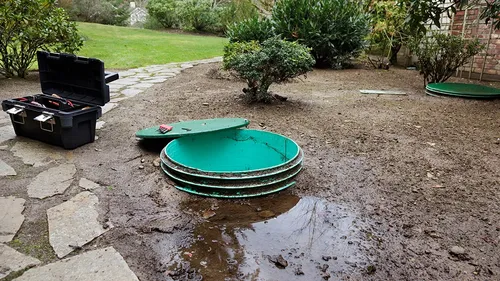
Digger Jim
Kansas City, MO
Digger Jim is a family-owned septic service provider based in Kansas City, MO, serving Leavenworth and Wyandotte counties. With over 35 years of experience, they offer a range of services including septic tank pumping, inspection, repair, installation, and pre-installation evaluations. Their skilled team is fully licensed and insured, focusing on maintaining system efficiency and compliance with local regulations. Digger Jim also provides septic inspections for real estate transactions to support informed decisions.
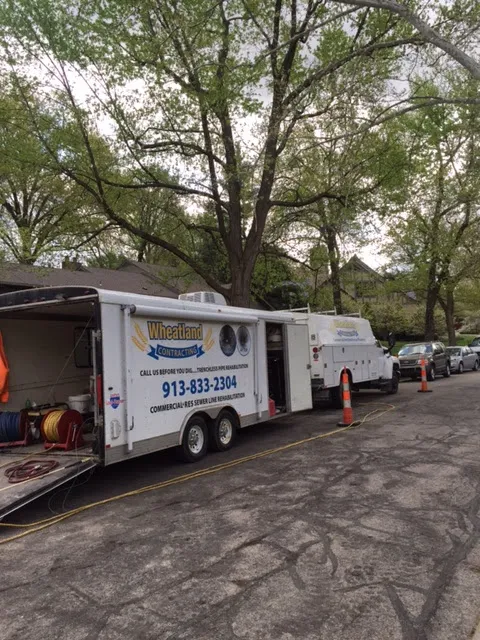
Wheatland Contracting
Topeka, KS
Wheatland Contracting provides a range of plumbing and septic services in Topeka, KS, including septic tank pumping, inspections, repairs, and full system installations. They handle both residential and commercial projects, offering solutions from underground rough-in to final fixture installation. Their capabilities include sewer line repairs through a single access point to minimize disruption and professional drain clearing using camera inspections and hydro-jetting. The company serves both homeowners and contractors with tailored plumbing and septic system services.
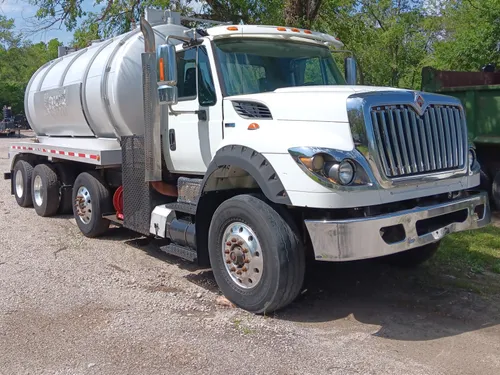
Dailey Septic Services
315 S Pine St, Gardner, KS 66030
Dailey Septic Services is a family-owned company serving Kansas City, MO, with over 40 years of experience in septic tank pumping, inspection, and installation. They offer thorough system inspections and custom-engineered septic system installations tailored to local geological conditions and property needs. Their expertise focuses on maintaining system integrity and preventing backups through precision pumping solutions and high-performance system design.

Flagler Construction LLC
5628 SE Adams St, Topeka, KS 66609
Flagler Construction LLC is a family-owned excavation and septic tank installation contractor serving the Topeka, KS area. They offer a range of services including excavation, septic system installation, trenching, material delivery, and snow removal. The company emphasizes quality by having the owner on-site for every job and employs licensed and insured technicians. With over 34 years of experience, Flagler Construction LLC is known for timely service and on-time material delivery.
Understanding Local Septic System Regulations
In Lawrence and Douglas County, all septic system installations, repairs, and replacements are regulated by the Lawrence-Douglas County Health Department and must comply with Kansas Department of Health and Environment (KDHE) standards. A fundamental rule is that a septic system is generally not permitted if a public sewer line is accessible to the property 1. This makes proper system design and permitting critical for rural and semi-rural homes.
Before any work begins, you must obtain a permit from the Health Department. Construction cannot start until the proposed site and system design have received official approval. The system's design is not one-size-fits-all; it must be based on a professional evaluation of your specific property's soil and its ability to absorb and treat wastewater.
The Critical First Step: Site Evaluation and Percolation Testing
The cornerstone of any new septic system installation is determining your soil's suitability. This is done through a formal site evaluation and a percolation test (often called a "perc test").
What is a Percolation Test? A percolation test measures the rate at which water drains through the soil in a prepared hole. This rate determines the soil's absorption capacity, which directly influences the size and type of drainage field (or lateral field) your system will need.
The Testing Process: The process follows KDHE's Bulletin 4-2 standards 2. A licensed professional will dig test holes in the proposed drain field area. These holes are typically presoaked for several hours (often four or more) to simulate saturated conditions. After presoaking, the water level drop is measured over a set period to calculate the percolation rate. The results of this test are submitted as part of your permit application and are used by the system designer to create a compliant plan 3 4.
Working with a Licensed Installer
Kansas law requires that the physical installation of a septic tank and its associated components be performed by a licensed septic system installer. This is not a DIY project. A licensed professional ensures that the system is built to the approved design, uses proper materials, and meets all state and local health codes.
Key responsibilities of your installer include:
- Adhering to mandatory setback requirements, such as maintaining a minimum distance of 10 feet from buildings and 50 to 100 feet from water wells, streams, and other water sources 5 6.
- Understanding that certain outdated systems, like cesspools and dry wells, are prohibited 7.
- Coordinating with the Health Department for all required inspections.
The Installation Process and Mandatory Inspections
Once permits are secured and the design is finalized, the installation process begins. For a conventional system, this typically involves excavating for the septic tank and the lateral lines of the drain field.
A non-negotiable part of this process is the pre-cover inspection. Before the septic tank or any part of the drainage field is buried, a health officer from the Lawrence-Douglas County Health Department must inspect the work 8 9. This inspection verifies that the components are installed correctly, are of the proper type and size, and match the approved plans. It's important to note that health officers have the authority to inspect the construction at any stage 9. Passing this inspection is required before backfilling can proceed.
Find the perfect septic tank installation & replacement contractors for your needs
Get personalized recommendations and expert advice
Cost Factors for Septic System Installation in Lawrence
The cost of a new septic system in the Lawrence area can vary widely. On average, homeowners might expect to pay around $6,963, but the typical range for a standard system runs from $3,150 to over $11,30010 11. Several key factors influence the final price:
- System Type: A conventional gravity-fed system is usually the most affordable option. If your soil fails a standard perc test, you may require an alternative (or engineered) system, such as a mound, aerobic treatment unit (ATU), or drip irrigation system, which can be significantly more expensive 12 13.
- Soil Conditions: Poor soil percolation rates require a larger drain field or a more complex system, increasing costs.
- Tank Size and Material: Tank size is determined by the number of bedrooms in your home. Larger tanks and different materials (concrete vs. plastic) carry different price points.
- Labor and Site Work: The complexity of excavation, rock removal, landscaping, and the need for heavy equipment all contribute to labor costs.
When is Septic System Replacement Necessary?
Understanding when to replace an existing system is as important as knowing how to install a new one. Common signs that your system may be failing and require replacement include:
- Sewage backups in household drains.
- Damp, soggy ground or standing water over the drain field, especially with a foul odor.
- Bright green, lush grass growing over the drain field compared to the rest of the yard.
- Gurgling sounds in plumbing fixtures.
- Failed system inspections during a property sale.
Replacement follows the same permitting and installation process as a new installation. Often, a new drain field (called a "replacement field") must be installed in a different location from the old one.
Planning for a Successful Installation
A successful septic system project starts with careful planning. Begin by contacting the Lawrence-Douglas County Health Department to understand the specific requirements for your parcel. Hire a qualified site evaluator to conduct the perc test, then work with a licensed designer and installer to create and execute the plan. Always budget for potential contingencies, especially if your initial soil test suggests complex conditions.
By following the regulated process and working with licensed professionals, you can ensure your new or replacement septic system will provide safe, effective wastewater treatment for your home for decades to come, protecting both your property investment and the local environment.
Frequently asked questions
Sources
Footnotes
-
How to Know if You Need a Septic System Permit - Pippin Home Designs - https://www.pippinhomedesigns.com/septic-system-permit/ ↩
-
Septic System Approval: Percolation Test & Expert Guidance - https://smartsepticpros.com/blog/how-to-do-a-percolation-test/ ↩
-
Bulletin No. 4-2 A MANUAL OF RECOMMENDED ... - https://kgi.contentdm.oclc.org/digital/api/collection/p16884coll4/id/1085/download ↩
-
Septic Tank Design Standards in Kansas | PDF - Scribd - https://www.scribd.com/document/250352738/Septic-Tank-Design-Concept ↩
-
Kansas Septic Tank Requirements | Guide to Installation and ... - https://www.ntotank.com/blog/kansas-septic-tank-requirements ↩
-
KDHE Minimum Standards of Wastewater Systems - https://www.allencounty.org/pdf_doc/2025%20MINIMUM%20STANDARDS%20FOR%20SEPTIC%20SYSTEMS%202025.pdf ↩
-
§ II-9.005 MINIMUM LOT SIZE. - American Legal Publishing - https://codelibrary.amlegal.com/codes/lawrencecounty/latest/lawrencecty_sd_land/0-0-0-2364 ↩
-
CHAPTER 3. BUILDING AND HOUSING - Douglas County KS - https://www.dgcoks.gov/sites/default/files/media/depts/administration/pdf/county-code-chapter-3-building-and-housing.pdf ↩
-
Chapter 9 - HEALTH AND SANITATION | Code of Ordinances - https://library.municode.com/ks/lawrence/codes/code_of_ordinances?nodeId=COOR_CH9HESA_ARTIVCOHADISOWA_S9-402DE ↩ ↩2
-
Cost to Install a Septic System in Kansas City [2026 Data] - Angie's List - https://www.angi.com/articles/what-does-it-cost-install-septic-system/mo/kansas-city ↩
-
Septic System Installation: Essential Steps for a Reliable Setup - https://www.bridgewaterenviro.com/septic-system-installation/ ↩
-
MF2214 Minimum Standards for Design and Construction of Onsite ... - https://www.renocountyks.gov/media/Document%20Center/Departments/Health/Environmental%20Health/Water%20Wells%20&%20Waste%20Water/Bulletin4-2_201310011222492845.pdf ↩
-
Bulletin 4-2, March 1997 - KDHE - https://www.kdhe.ks.gov/DocumentCenter/View/8770/Bulletin-4-2-Minimum-Standards-for-Design-and-Construction-of-Onsite-Wastewater-Systems-PDF ↩