Find the Best Septic Tank Installation & Replacement Contractors for Your Business
No obligation • Fast responses • Nationwide coverage

Why you can trust Septic Spot
Septic Spot is a leading United States resource for understanding and comparing septic services. Our editors review providers using consistent criteria and verify key business details. Listings and scores are independent, and companies cannot pay to influence our content.
Search providers near you
Top Septic Tank Installation & Replacement Contractors in Olathe, Kansas Ranked
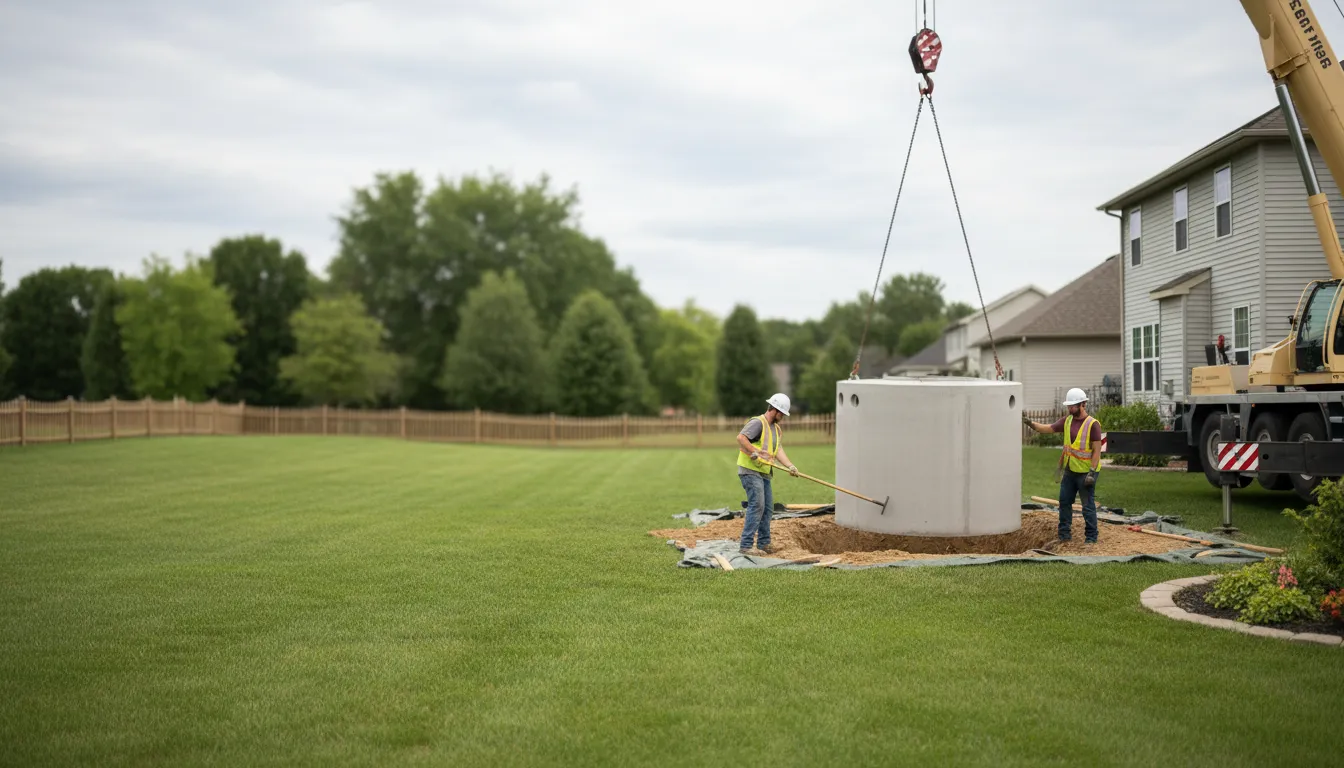
Installing or replacing a septic system is a significant investment in your property's long-term functionality and environmental health. For homeowners in Olathe, this process is governed by specific local and state regulations designed to protect groundwater and public health. This guide explains the essential steps, costs, and local requirements for septic system work in Johnson County, helping you navigate the process of finding qualified local professionals to handle your project.
Apex Underground - Sewer & Septic
1006 W Foxwood Dr, Raymore, MO 64083
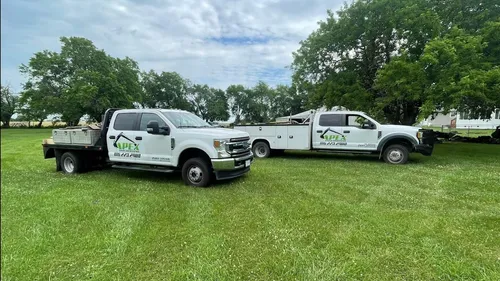
Apex Underground - Sewer & Septic is a septic system repair and installation company serving Kansas City, MO, and surrounding areas. With over 25 years of experience, they provide commercial and residential septic, sewer, and underground utility services including soil morphology, engineered septic system designs, repairs, and tank replacements. Their licensed team handles complex installations and emergency repairs to maintain the reliability and structural integrity of septic and sewer systems.
Digger Jim
Kansas City, MO
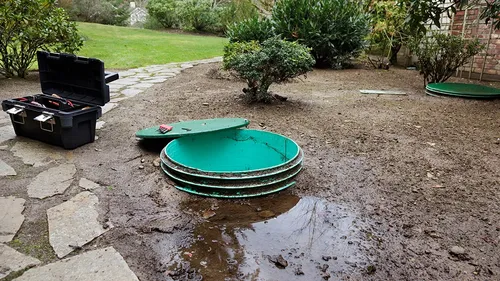
Digger Jim is a family-owned septic service provider based in Kansas City, MO, serving Leavenworth and Wyandotte counties. With over 35 years of experience, they offer a range of services including septic tank pumping, inspection, repair, installation, and pre-installation evaluations. Their skilled team is fully licensed and insured, focusing on maintaining system efficiency and compliance with local regulations. Digger Jim also provides septic inspections for real estate transactions to support informed decisions.

KCS, LLC
Kansas City, MO
KCS, LLC is a licensed and insured septic tank installation and drain field repair contractor serving Kansas City, MO, and surrounding areas. With over 25 years of experience, they provide comprehensive septic and wastewater solutions including tank replacement, lateral field installation, full system installs, septic engineering design, and septic to sewer conversion. Their expertise extends to water and sewer line installations and repairs, ensuring efficient and compliant septic system performance tailored to local soil and environmental conditions. KCS, LLC is recognized for its specialized knowledge and has been featured on FOX4KC's "KC Experts."
Twin Springs Pump Services
3805 E 187th St, Belton, MO 64012
Twin Springs Pump Services provides septic system pumping, maintenance, installation, inspection, and repair in Kansas City, MO, and surrounding rural areas. They serve several counties including Wyandotte, Johnson, and Miami in Kansas, as well as Cass and Jackson in Missouri. The company holds Missouri Department of Health & Senior Services licenses for installing basic and advanced septic systems and for septic system inspections related to real estate transactions.
Rogers Excavating & Septic
Kansas City, MO
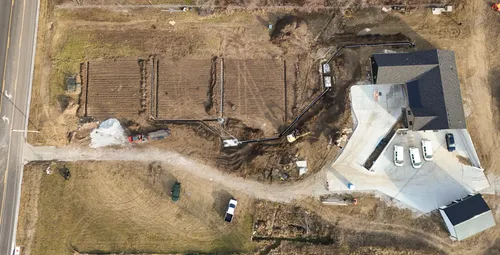
Rogers Excavating & Septic is a septic system repair and installation contractor serving Kansas City, MO, and surrounding areas including Pleasant Hill, Warrensburg, and beyond. With over 26 years of experience, they provide residential and commercial septic services, excavation, grading, land clearing, and retaining wall construction. The company holds advanced certifications such as the Missouri DHSS Advanced OWTS Installer and is an authorized Aero-Stream reseller. They focus on tailored solutions for unique site challenges and offer comprehensive septic system installations and repairs.
Understanding Septic System Basics in Johnson County
A septic system is an on-site wastewater treatment structure for properties not connected to a municipal sewer line. In Olathe and throughout Johnson County, these systems are regulated by the Johnson County Environmental Health department. All new installations and replacements require permits and inspections to ensure they meet Kansas Department of Health and Environment (KDHE) standards. The design is heavily dependent on a professional site and soil evaluation, which determines the system type suitable for your property's specific conditions.
The Permit Process: A Step-by-Step Guide
You cannot legally begin excavation for a new septic tank or drain field without the proper approvals. The permitting process is multi-stage and ensures your system is designed and built correctly.
- Soil Analysis (Percolation/Profile Test): This is the critical first step. A licensed soil classifier or professional engineer must conduct a Soil Profile Analysis to evaluate the soil's texture, structure, and depth to bedrock or water table. This analysis determines the soil's suitability and absorption rate for treating wastewater 1.
- System Design & Application: A professional designer uses the soil analysis data to create a system plan. This design must account for the home's size, typically calculated at 150 gallons per day per bedroom. The completed design and permit application are then submitted to Johnson County Environmental Health for review 2.
- Approval & Permit Issuance: The county reviews the design for compliance with all regulations. If approved, they issue a site review letter. You must then purchase the actual installation permit before any construction begins. Permit fees in the region can range from approximately $150 to over $574 3.
- Pre-Cover Inspection: Once the septic tank and lateral lines (drain field) are installed but before they are backfilled with soil, a county environmental specialist must perform a mandatory pre-cover inspection. This ensures the installation matches the approved design and that all components are properly constructed.
- Final Approval: After passing the pre-cover inspection and the system is covered, the county provides final approval. For some systems, an operation permit (around $10) may also be required 4.
Key Regulations and Setback Requirements
Johnson County enforces strict setback distances to protect structures and water sources from potential contamination. When planning your septic tank installation or replacement, you must adhere to the following minimum distances 5:
- 10 feet from any building.
- 50 feet from any water well, lake, stream, or property line.
- Additional setbacks apply from water lines, drain tiles, and swimming pools.
Furthermore, discharging systems (those that pump treated effluent to the surface) are generally not permitted for new residential lots in the area 6. The system must be designed to handle the wastewater load based on your home's number of bedrooms.
Cost Factors for Installation and Replacement
The total cost for a new septic system in the Olathe and greater Kansas City area varies widely based on system type, soil conditions, and property size. For a standard conventional gravity-fed system, homeowners can expect an average cost of around $6,963, with a typical range between $3,150 and $11,321 7. This total generally includes:
- Soil testing and site evaluation.
- System design and engineering.
- County permit fees.
- Excavation, tank, materials, and labor for installation.
- County inspection fees.
More complex systems, such as mound systems or aerobic treatment units (ATUs) required for poor soil conditions, can significantly increase the total project cost beyond this range.
Find the perfect septic tank installation & replacement contractors for your needs
Get personalized recommendations and expert advice
Choosing the Right System Type
The soil evaluation dictates the type of septic system your property can support. Common systems in the Olathe area include:
- Conventional Gravity System: The most common type when soil conditions are favorable. Wastewater flows by gravity from the home to the tank and then to a subsurface drain field.
- Mound System: Used when the soil has a shallow permeable layer, high water table, or slow permeability. A constructed sand mound contains the drain field.
- Aerobic Treatment Unit (ATU): A mechanical system that injects oxygen into the treatment tank, providing a higher level of treatment. Often used where soil absorption is limited or environmental sensitivity is high.
- Chamber System: An alternative to traditional gravel drain fields, using plastic chambers in the trenches, which can be easier to install and provide greater storage volume.
A reputable local installer will review your soil report and recommend the most effective and code-compliant system for your property.
Signs You Need a System Replacement
Not every problem requires a full system replacement, but certain issues indicate a failing drain field or tank that cannot be repaired. Consider replacement if you experience:
- Persistent Drainage Issues: Sinks, showers, and toilets drain very slowly despite clearing clogs in household pipes.
- Sewage Backups: Wastewater backs up into household drains.
- Foul Odors & Wet Spots: Persistent sewage smells indoors or outdoors, or soggy, bright green grass over the drain field area.
- Failed Inspection: A routine inspection or pump-out reveals a cracked tank, compromised baffles, or a drain field that has completely failed.
- Home Expansion: Adding bedrooms or significant square footage may require a larger system to handle the increased wastewater flow.
The Importance of Professional Installation
Given the regulatory complexity and long-term consequences of a failed system, hiring a licensed and experienced professional is non-negotiable. A qualified installer will:
- Understand local Johnson County codes and permit procedures.
- Accurately interpret soil reports and design appropriate systems.
- Use quality materials and proper construction techniques.
- Schedule and coordinate all required county inspections.
- Provide documentation for your property records.
Always verify that a contractor is licensed to perform septic work in Kansas and check their references with local homeowners.
Maintenance for Longevity
A new system is a major investment, and proper maintenance is key to protecting it. Key maintenance tasks include:
- Regular Pumping: Have the septic tank pumped every 3-5 years by a licensed pumper to remove solids and prevent clogging of the drain field.
- Water Conservation: Spread out water use and fix leaks to avoid overloading the system.
- Mind What You Flush: Only human waste and toilet paper should go down the drain. Avoid chemicals, grease, wipes, and other non-biodegradables.
- Protect the Drain Field: Never drive or park vehicles over it, and avoid planting trees with deep roots nearby.
Frequently asked questions
Sources
Footnotes
-
SITE AND SOIL EVALUATIONS - KDHE - https://www.kdhe.ks.gov/DocumentCenter/View/8967/Site-and-Soil-Evaluations-PDF ↩
-
Residential Systems | Johnson County Kansas - https://www.jocogov.org/department/environment/septic-systems/residential-systems ↩
-
Guide for Obtaining Permit to Install A Sewage Treatment System - https://marionpublichealth.org/wp-content/uploads/2022/06/2022-HSTS-Homeowners-Guide.pdf ↩
-
Understanding Septic Tank Permits and Regulations - https://westcoastsanitationinc.com/understanding-septic-tank-permits-and-regulations/ ↩
-
Kansas Septic Tank Requirements | Guide to Installation and ... - https://www.ntotank.com/blog/kansas-septic-tank-requirements ↩
-
MF2214 Minimum Standards for Design and Construction of Onsite ... - https://www.renocountyks.gov/media/Document%20Center/Departments/Health/Environmental%20Health/Water%20Wells%20&%20Waste%20Water/Bulletin4-2_201310011222492845.pdf ↩
-
Cost to Install a Septic System in Kansas City [2026 Data] - Angie's List - https://www.angi.com/articles/what-does-it-cost-install-septic-system/mo/kansas-city ↩