Find the Best Septic Tank Installation & Replacement Contractors for Your Business
No obligation • Fast responses • Nationwide coverage

Why you can trust Septic Spot
Septic Spot is a leading United States resource for understanding and comparing septic services. Our editors review providers using consistent criteria and verify key business details. Listings and scores are independent, and companies cannot pay to influence our content.
Search providers near you
Top Septic Tank Installation & Replacement Contractors in Shawnee, Kansas Ranked
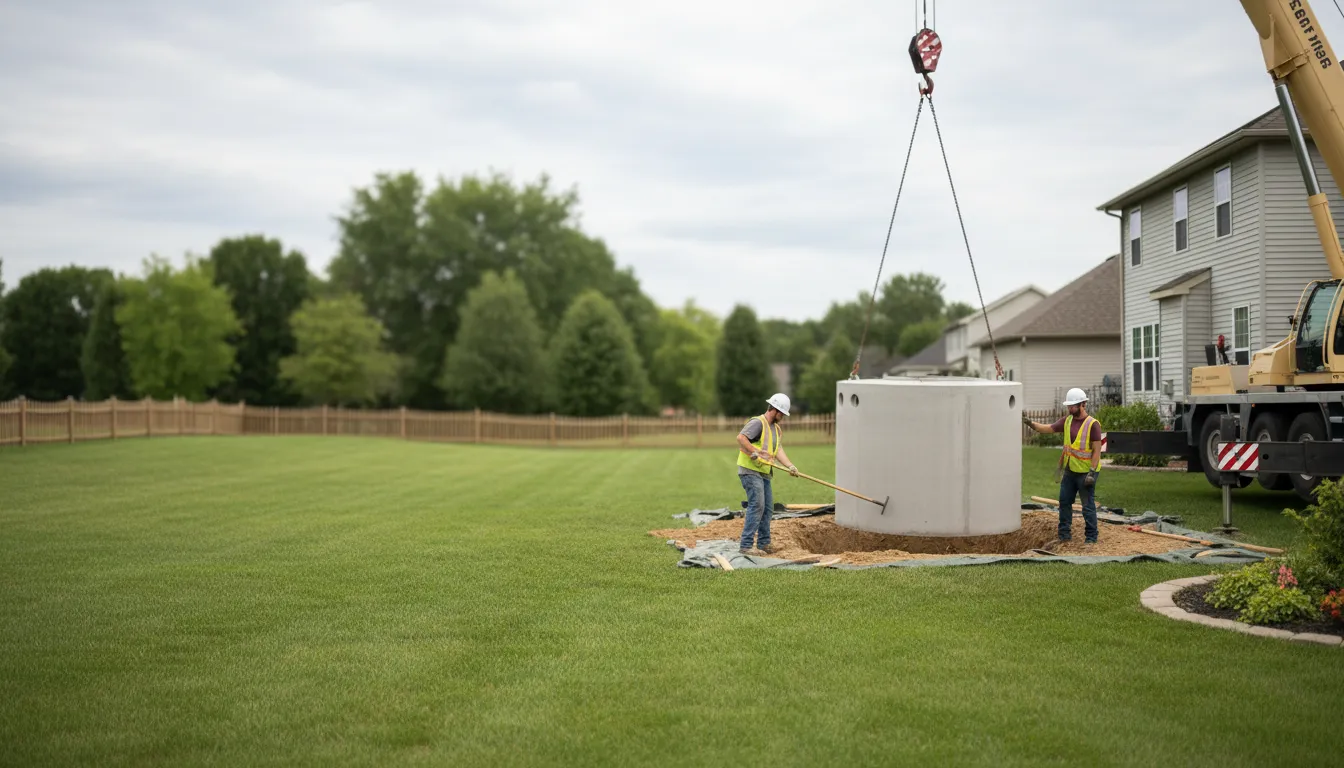
Installing or replacing a septic system is a significant home improvement project that ensures the safe and efficient treatment of your household wastewater. For Shawnee homeowners, this process is governed by specific state and local regulations designed to protect public health and the environment. This guide explains the key steps, costs, and requirements for septic system installation and replacement in Shawnee, helping you understand what to expect and how to connect with qualified local professionals for your project.
Downing Septic Tank Cleaning
2611 SW 17th St #105, Topeka, KS 66604
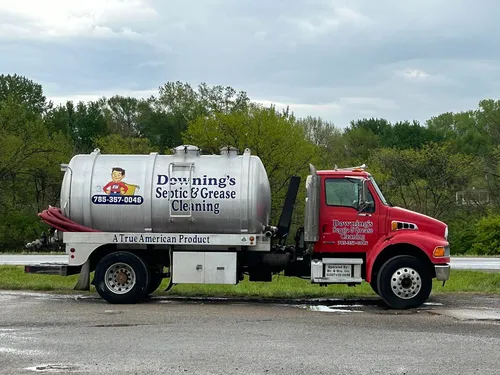
Downing Septic Tank Cleaning is a licensed and insured company serving Topeka, KS, and the surrounding northeast Kansas area, including Kansas City and Lawrence. With over 20 years of experience, they provide septic tank installation, pumping, and cleaning services for residential, commercial, and industrial clients. Their expertise includes inspection and repair of lateral fields, grease trap installation and cleaning, and holding tank pumping. The company offers 24/7 service, ensuring support for clients any day of the year.
Wheatland Contracting
Topeka, KS
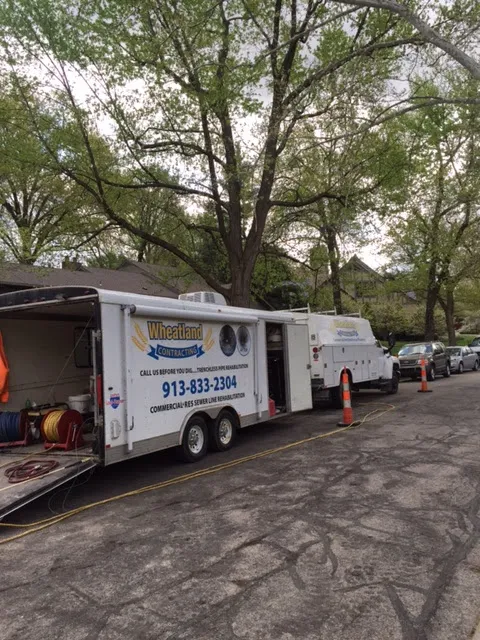
Wheatland Contracting provides a range of plumbing and septic services in Topeka, KS, including septic tank pumping, inspections, repairs, and full system installations. They handle both residential and commercial projects, offering solutions from underground rough-in to final fixture installation. Their capabilities include sewer line repairs through a single access point to minimize disruption and professional drain clearing using camera inspections and hydro-jetting. The company serves both homeowners and contractors with tailored plumbing and septic system services.

Flagler Construction LLC
5628 SE Adams St, Topeka, KS 66609
Flagler Construction LLC is a family-owned excavation and septic tank installation contractor serving the Topeka, KS area. They offer a range of services including excavation, septic system installation, trenching, material delivery, and snow removal. The company emphasizes quality by having the owner on-site for every job and employs licensed and insured technicians. With over 34 years of experience, Flagler Construction LLC is known for timely service and on-time material delivery.
Understanding the Shawnee Septic System Process
The journey to a new onsite wastewater system in Shawnee begins long before any excavation. Kansas state law, specifically KDHE Bulletin 4-2, sets the minimum standards for design and construction. The process is managed locally by environmental health departments, which require a systematic approach to ensure your property and proposed system meet all safety and performance criteria.
A critical first step is the site evaluation. This involves a certified specialist conducting a soil profile analysis to determine the soil's suitability for wastewater absorption. The results of this evaluation directly inform the system's design, including the size and type of drain field needed. Following this, a percolation test (or "perc test") is typically required. This test measures how quickly water drains through the soil in the proposed absorption field area, with six or more test holes often mandated 1 2. Accurate results are crucial, and the test holes usually require pre-soaking for 4 to 24 hours, especially in Kansas's swelling soils 2.
Permit Requirements and Legal Steps
You must obtain a construction permit from the local environmental health department before any work begins-including marking the site, excavating, or purchasing materials 3. Applying for this permit requires the site evaluation and a system design created by a licensed designer tailored to your property's specific conditions 4.
The regulations are strict about system placement and type. For instance, septic tanks must be installed at least 50 feet from any water source, and a 100-foot setback is required from public water system wells 5. It's also important to know that certain outdated systems like seepage pits, cesspools, and "rat holes" are illegal in Kansas 5. Even minor repairs, such as replacing a T-pipe, often require a permit, while major repairs are treated as system alterations with their own permit process 6.
System Design and Sizing Standards
System design in Shawnee isn't one-size-fits-all. It's a customized plan based on your home's size and your property's soil characteristics. Sizing for the soil absorption field (or lateral field) is typically based on the number of bedrooms in the home, using a standard of 150 gallons per day (gpd) per bedroom. The tank itself is usually sized between 1,000 and 1,500 gallons for a residential home 7.
The design must account for the soil type identified in the profile analysis. Different soils have varying absorption rates, which will determine the total square footage or length of the drain field needed to properly treat the wastewater. A properly sized and designed system is essential for long-term functionality and preventing costly failures or environmental contamination.
Inspection and Installation Procedures
Once you have your permit and design, installation can proceed. The process is subject to mandatory inspections to ensure compliance with the approved plans. A common requirement is the open trench inspection. Before the drain field trenches are backfilled, an environmental health specialist must inspect the installation of the piping, gravel, and other components 8 9.
This inspection is a critical checkpoint to verify that the work matches the permitted design and meets all construction standards. Failing to have this inspection before covering the system can result in orders to re-excavate, leading to significant delays and extra costs. Always coordinate inspection schedules with your installer and the local health department.
Find the perfect septic tank installation & replacement contractors for your needs
Get personalized recommendations and expert advice
Cost Factors for Septic System Projects
The cost of a new septic system or a full system replacement in the Shawnee and greater Kansas City area can vary widely based on several factors. On average, homeowners can expect to pay around $6,963 for a complete installation 10 11. However, the typical price range is broad, spanning from $3,150 to $11,321 or more, depending on your specific situation 11 12.
Key cost drivers include:
- System Type: A conventional gravity-fed system is generally less expensive than an advanced treatment system (like an aerobic treatment unit or mound system), which may be required for challenging sites with poor soil or high water tables.
- Tank Size and Material: Larger tanks (e.g., 1,500-gallon) cost more than standard 1,000-gallon tanks. Tank material (concrete, fiberglass, or plastic) also affects the price.
- Drain Field Scale: The length and complexity of the soil absorption field are major cost components. Properties requiring extensive field lines or advanced drainage solutions will see higher costs.
- Site Work: Difficult terrain, the need for extensive tree clearing, or rocky soil that requires special excavation equipment can add significantly to the labor costs.
- Permitting and Design: Fees for the soil evaluation, percolation test, system design, and the permit itself are all part of the total project cost.
Choosing a Qualified Installation Professional
Selecting the right contractor is one of the most important decisions you'll make. Look for a licensed septic system installer with extensive experience in Johnson County and Shawnee. They should be intimately familiar with KDHE Bulletin 4-2 standards and the specific requirements of the local health department 13 14. A reputable professional will handle the permit application process, coordinate necessary inspections, and ensure the entire installation is code-compliant.
Ask for references from recent projects in the area and verify their licensing and insurance. A good installer will provide a detailed, written estimate that breaks down costs for materials, labor, permitting, and design. They should also walk you through the proposed system design and explain why it's the right solution for your property.
Maintenance and Long-Term Care
A new septic system is a long-term investment that requires proper care to reach its full lifespan. After installation, regular maintenance is non-negotiable. This includes having the tank pumped every 3-5 years by a licensed pumper, depending on household size and usage. Avoid pouring grease, chemicals, or non-biodegradable items down the drain, and be mindful of water usage to prevent overloading the system.
Protect your drain field by never parking vehicles or placing heavy structures on it. Divert rainwater runoff from roofs and driveways away from the absorption area to prevent saturation. Keeping detailed records of inspections, pumping, and any repairs will be valuable for future maintenance and if you ever decide to sell your home.
Frequently asked questions
Sources
Footnotes
-
Perc Test for Septic System: A Complete Guide - https://landperc.com/perc-test-for-septic-system/ ↩
-
Bulletin No. 4-2 A MANUAL OF RECOMMENDED ... - https://kgi.contentdm.oclc.org/digital/api/collection/p16884coll4/id/1085/download ↩ ↩2
-
Shawnee County Environmental Code - LEPP - https://kslepp.org/wp-content/uploads/county_codes/ShawneeCounty.pdf ↩
-
Environmental Health - Planning Commission - Shawnee County - https://www.snco.gov/ludev/environmental_health.php ↩
-
SEPTIC TANKS - KDHE - https://www.kdhe.ks.gov/DocumentCenter/View/8966/Septic-Tanks-PDF ↩ ↩2
-
Wastewater Systems | FAQ's - https://www.nekes.org/faqs ↩
-
New Septic System Regulations in Kansas/Missouri - https://www.honey-wagonkc.com/blog/posts/new-septic-system-regulations.html ↩
-
Environmental Health · Health Department (Shawnee County, Kansas) - https://www.snco.gov/hd/environmental_health.php ↩
-
Residential Systems | Johnson County Kansas - https://www.jocogov.org/department/environment/septic-systems/residential-systems ↩
-
Kansas Septic Tank Requirements | Guide to Installation and ... - https://www.ntotank.com/blog/kansas-septic-tank-requirements ↩
-
Cost to Install a Septic System in Kansas City [2026 Data] - Angie's List - https://www.angi.com/articles/what-does-it-cost-install-septic-system/mo/kansas-city ↩ ↩2
-
How Much Does a Septic System & Septic Tank Cost - NexGen Septics - https://www.nexgenseptics.com/septic-system-cost/ ↩
-
MF2214 Minimum Standards for Design and Construction of ... - https://www.kdhe.ks.gov/DocumentCenter/View/8770/Bulletin-4-2-Minimum-Standards-for-Design-and-Construction-of-Onsite-Wastewater-Systems-PDF ↩
-
MF2214 Minimum Standards for Design and Construction of Onsite ... - https://www.renocountyks.gov/media/Document%20Center/Departments/Health/Environmental%20Health/Water%20Wells%20&%20Waste%20Water/Bulletin4-2_201310011222492845.pdf ↩