
Find the Best Septic Tank Installation & Replacement Contractors for Your Business
No obligation • Fast responses • Nationwide coverage

Why you can trust Septic Spot
Septic Spot is a leading United States resource for understanding and comparing septic services. Our editors review providers using consistent criteria and verify key business details. Listings and scores are independent, and companies cannot pay to influence our content.
Search providers near you
Best Septic Tank Installation & Replacement Contractors in Kentucky Ranked
Installing or replacing a septic system is a significant home improvement project that requires careful planning and adherence to strict state and local health regulations. In Kentucky, this process is governed by the Cabinet for Health and Family Services (CHFS) and managed at the county level by local health departments. A properly designed and permitted system protects your property value, your family's health, and Kentucky's groundwater. This guide outlines the key steps, costs, and regulations to help you navigate the process of finding qualified professionals for your septic project.
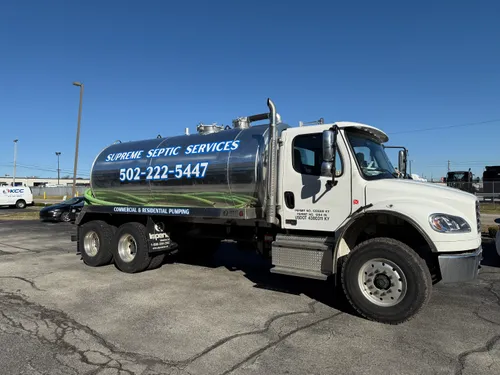
Supreme Septic Services (formerly known as Garrett's Septic Service)
Louisville, KY
Supreme Septic Services (formerly known as Garrett's Septic Service) is a locally owned company based in Louisville, KY, offering a range of septic and grease system services. They provide septic pumping, grease trap cleaning, system repairs, inspections, and installations for residential, commercial, and restaurant clients. Their team uses modern equipment to ensure efficient service and compliance with local standards. Supreme Septic Services focuses on proper system design and maintenance to extend system life and prevent backups.

Babbs Land Management LLC
630 S Zion Rd, Scottsburg, IN 47170
Babbs Land Management LLC is a family-owned and locally operated company based near Louisville, KY, specializing in septic system repair, septic tank installation, and broader land management services for residential and commercial properties. With over four years in business and extensive industry experience, the company offers reliable septic solutions including new construction and repair services. Babbs Land Management also provides 24/7 availability for emergency call-outs, supporting customers whenever urgent needs arise.

H2O Plumbing, LLC
1380 Old Hwy 135, Corydon, IN 47112
H2O Plumbing, LLC is a plumbing company based near Louisville, KY, offering a wide range of services including septic system repair and septic tank installation. They serve residential and commercial customers, providing solutions such as sewer line repair, water softener installation, and drain cleaning. The company emphasizes reliable plumbing work and offers a 12-month warranty on most services. Their expertise includes full septic system replacement and repair to maintain safe and efficient wastewater management. H2O Plumbing has years of experience and holds all necessary licenses and insurance to ensure customer protection.

Hartman Septic
24 Old 7 Mile Pike, Shelbyville, KY 40065
Hartman Septic provides full-service septic solutions in Louisville, KY, and surrounding areas including Shelby County and Pewee Valley. The company offers residential and commercial septic tank pumping, inspection, repair, installation, and drain field repair or replacement. Hartman Septic is led by Kentucky's first Master Septic Installer, bringing expert knowledge to each project. They are experienced in managing complex septic system issues and work closely with local health authorities to ensure compliance and approved repairs. The company is known for handling excavation and septic challenges efficiently and professionally.
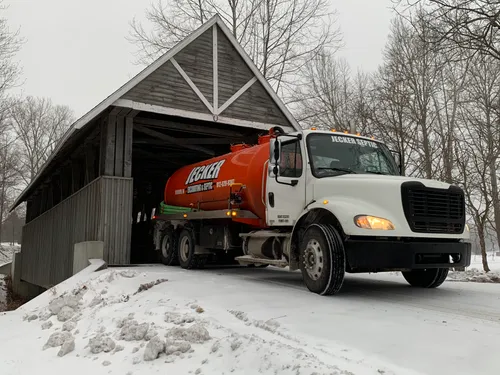
Jecker Excavating and Septic
24501 Tom Evans Rd, Borden, IN 47106
Jecker Excavating and Septic is a family-owned company serving Louisville, KY, and the southern Indiana area. They provide septic system services including pumping, installation, repair, and inspection, along with water and drain line installation and repair. The company also offers a range of professional excavating services. With years of experience, Jecker Excavating and Septic emphasizes attention to detail and customer satisfaction in their work.
Understanding Kentucky's Septic System Regulations
All on-site sewage disposal systems in Kentucky are regulated under state administrative codes, primarily 902 KAR 10:081 (construction standards) and 902 KAR 10:085. A core legal requirement is that no person shall install or alter a septic system without first obtaining a permit from the local health department 1. This regulatory framework ensures systems are built to protect public health and the environment.
Statewide oversight is provided by the CHFS Division of Environmental Management, but the permitting, site evaluation, and inspection duties are carried out by your county's health department 2. For example, the Northern Kentucky Health Department serves Boone, Campbell, Grant, and Kenton counties, while the Lexington-Fayette County Health Department manages permits within its jurisdiction 3 4. Your first step in any installation or replacement project should be to contact your local health department.
The Step-by-Step Installation Process
1. Site Evaluation and Soil Testing
Before any plans are drawn, a professional must conduct a thorough site evaluation. This is a critical step that determines the feasibility, type, and design of your system. The evaluation assesses:
- Soil Composition and Absorption Rate: A percolation (perc) test or more detailed soil morphology analysis determines how quickly water drains through the soil.
- Slope and Topography: The grade of your land impacts system placement and design.
- Groundwater Depth and Setback Distances: Regulations require specific distances from wells, property lines, streams, and buildings.
The results of this evaluation dictate whether a conventional trench or bed system can be used or if a more advanced alternative system (like a mound or aerobic treatment unit) is necessary due to poor soil conditions or a high water table.
2. Obtaining the Construction Permit
Once the site is evaluated, you or your chosen installer must submit a construction permit application to the local health department. Required documents typically include:
- A detailed site plan showing the proposed system location, tank, drain field, and all required setbacks.
- The official site inspection and soil test report.
- The applicable permit fees, which vary by county.
The health department reviews the application to ensure it complies with all state and local regulations before issuing the permit.
3. System Sizing and Design
The size of your septic system is legally mandated based on two factors:
- Daily Wastewater Flow: This is primarily calculated by the number of bedrooms in the home, not bathrooms. State regulations provide a flow estimate per bedroom to determine the required capacity 5.
- Soil Absorption Area: The results of the soil test determine how many square feet of drain field area are needed to properly treat the estimated daily flow.
Furthermore, components must meet specific standards. For instance, septic tanks have minimum size requirements, and sewer pipes from the home to the tank must be at least 4 inches in diameter with a precise slope (fall) of 1/8 to 1/4 inch per foot 6 7.
4. Installation by a Certified Professional
In Kentucky, only state-certified installers are authorized to install or replace septic systems. While homeowners can apply for a special permit to install their own system, this is generally not recommended due to the complexity and potential for costly errors. A certified installer will:
- Excavate the site for the tank and drain field.
- Place the septic tank (often concrete, plastic, or fiberglass) and connect the inlet/outlet pipes.
- Construct the absorption field according to the approved design, using gravel, chambers, or other approved materials.
- Ensure all components are properly leveled and connected.
5. Final Inspection and Approval
This is a mandatory step. Before the tank or drain field is covered with soil, a certified inspector from the local health department must perform a final construction inspection 8. They verify that the installation matches the permitted plans and meets all code requirements. Once the system passes inspection and receives approval, it can be backfilled. A copy of the final approval should be kept with your home's permanent records.
Find the perfect septic tank installation & replacement contractors for your needs
Get personalized recommendations and expert advice
Cost Breakdown for Septic Systems in Kentucky
The total cost for a new or replacement septic system in Kentucky can vary widely, typically ranging from $3,000 to well over $10,000 9 10. This broad range is due to several key factors:
- System Type: A conventional gravity-fed system is the most affordable. Alternative systems (like mounds, sand filters, or aerobic systems), required for challenging sites, are significantly more expensive due to added materials, pumps, and controls.
- System Size: Larger homes (with more bedrooms) require larger tanks and drain fields, increasing material and labor costs.
- Site Conditions: Difficult terrain, rocky soil, or the need for extensive clearing and grading can raise excavation costs.
- Local Labor and Material Rates: Costs can differ between regions in the state.
Here is a typical cost breakdown:
| Item | Cost Range |
|---|---|
| Site Evaluation & Permit Fees | $300 - $800+ 11 |
| Conventional System Installation | $3,000 - $7,000+ |
| Alternative System Installation | $8,000 - $15,000+ |
| Full System Replacement | $3,000 - $10,000+ (similar to new install) |
| Component Repair | Varies widely based on issue |
Note: Some localities have set fee schedules. For example, in Louisville, permit fees for a standard system are in the $375-$425 range 12.
When is System Replacement Necessary?
Understanding when to repair versus replace can save you thousands of dollars. Consider replacement if you encounter:
- Persistent Drain Field Failure: Chronic backups, surfacing sewage, or soggy ground over the drain field often indicate a clogged or failed absorption area that cannot be rehabilitated.
- Major Structural Damage: A collapsed or severely cracked septic tank typically requires full replacement.
- Home Expansion: Adding bedrooms may increase your home's legal wastewater flow beyond your existing system's permitted capacity, requiring an upgrade.
- Changes in Regulations: An old system that was legally installed may not meet current codes if it fails, and any repair or replacement must bring it up to today's standards.
Choosing a Qualified Installer in Kentucky
Selecting the right professional is crucial for a compliant and long-lasting system.
- Verify Certification: Always confirm that the installer holds a current Kentucky Certified Installer license. You can ask to see their certificate or verify status through professional associations.
- Check References and Reviews: Ask for local references from past clients and read online reviews about their work quality, timeliness, and communication.
- Get Multiple Detailed Quotes: Obtain written estimates from at least three certified installers. The quote should itemize costs for permitting, excavation, tank, materials, labor, and any required engineering.
- Ask About Experience with Your Soil Type: If your site requires an alternative system, choose an installer with proven experience designing and installing that specific technology.
- Confirm Insurance: Ensure the contractor carries both liability and workers' compensation insurance to protect you from potential jobsite accidents.
Frequently asked questions
Sources
Footnotes
-
Septic Systems - Knox County Health Department - https://www.kchdky.org/septic-systems ↩
-
Onsite Sewage Disposal Systems Program - Cabinet for Health and Family Services - https://www.chfs.ky.gov/agencies/dph/dphps/emb/Pages/environmentmgmt.aspx ↩
-
Onsite Sewage Program (Septic, Septic Tank Pumper) - https://www.lfchd.org/onsite-sewage-septic-tank-program/ ↩
-
Septic Systems - Northern Kentucky Health Department - https://nkyhealth.org/septic/ ↩
-
Homeowner's Informational Packet for a Sewer - https://dhbc.ky.gov/Documents/HOs%20Info%20-%20Sewer.pdf ↩
-
Kentucky On-Site Sewage Disposal Systems Regulation - https://healthdepartment.org/wp-content/uploads/2016/06/Onsite-Regulations.pdf ↩
-
Title 902 Chapter 10 Regulation 081 • Kentucky Administrative ... - https://apps.legislature.ky.gov/law/kar/titles/902/010/081/ ↩
-
The Permitting Process for a New Septic System in Northern Kentucky - https://www.kysepticservice.com/helpful-info/permitting-process-new-septic-system-northern-kentucky.html ↩
-
Understanding Septic System Cost: A Complete Guide - https://ky-pd.com/blog/septic-system-cost-breakdown/ ↩
-
Kentucky Septic License & Certification | 2025 Contractor Guide - https://www.servicetitan.com/licensing/septic/kentucky ↩
-
Breaking Down the Bill: What Really Determines Your Septic Installation Costs - https://www.lanikseptic.com/septic-installation-costs/ ↩
-
Onsite Septic System Program | LouisvilleKY.gov - https://louisvilleky.gov/government/health-wellness/onsite-septic-system-program ↩