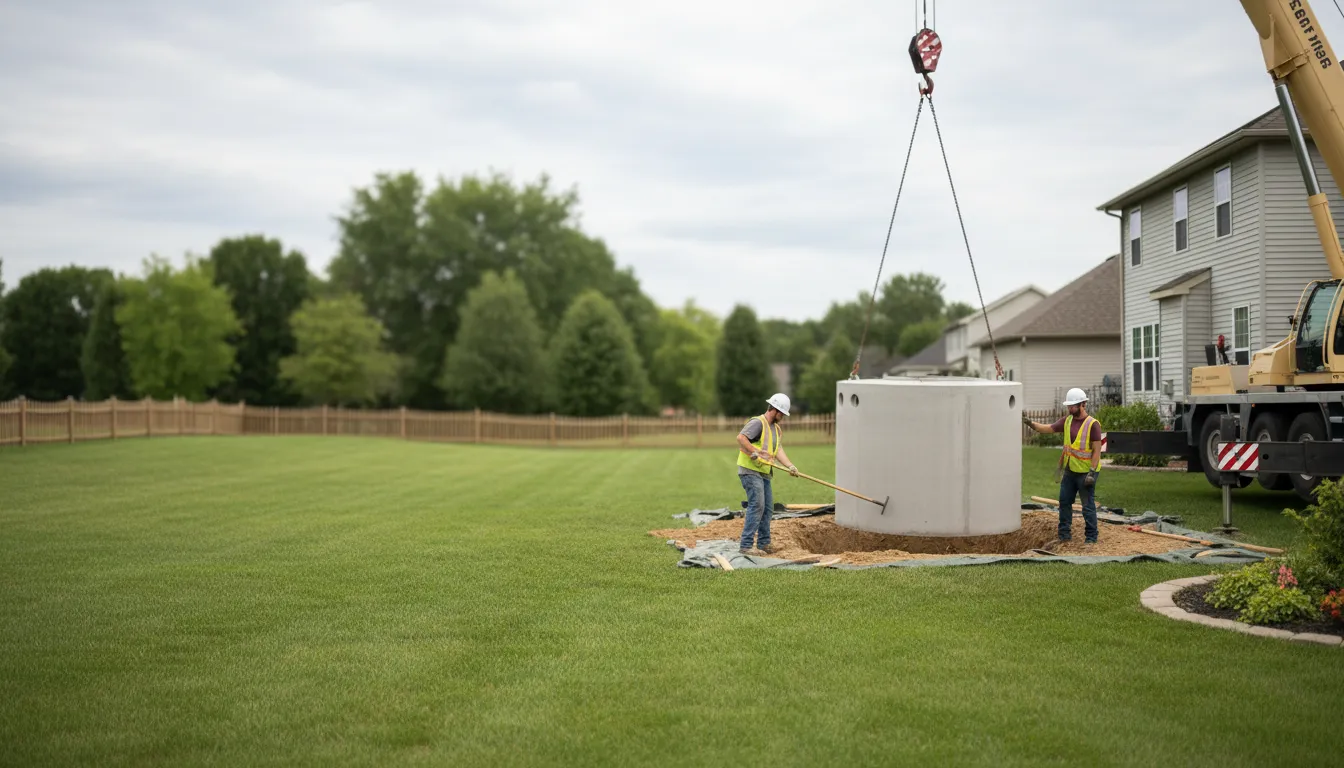
Find the Best Septic Tank Installation & Replacement Contractors for Your Business
No obligation • Fast responses • Nationwide coverage

Why you can trust Septic Spot
Septic Spot is a leading United States resource for understanding and comparing septic services. Our editors review providers using consistent criteria and verify key business details. Listings and scores are independent, and companies cannot pay to influence our content.
Search providers near you
Top Septic Tank Installation & Replacement Contractors in Louisville, Kentucky Ranked
Installing or replacing a septic system is a significant investment in your property's infrastructure and environmental health. In Louisville, this process is regulated by local health authorities to ensure safe wastewater treatment and protect groundwater. Whether you're building a new home, replacing a failing system, or upgrading an existing one, understanding the local requirements, costs, and steps involved is crucial. This guide provides the essential information you need to navigate the process and connect with qualified, certified professionals in the Louisville area.
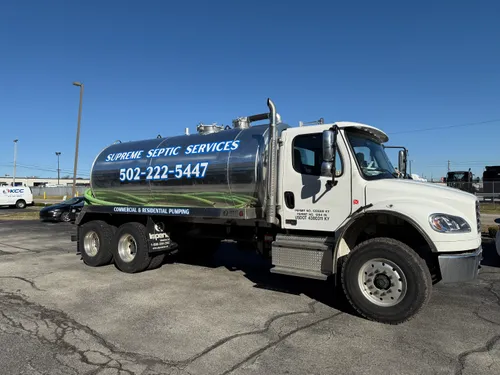
Supreme Septic Services (formerly known as Garrett's Septic Service)
Louisville, KY
Supreme Septic Services (formerly known as Garrett's Septic Service) is a locally owned company based in Louisville, KY, offering a range of septic and grease system services. They provide septic pumping, grease trap cleaning, system repairs, inspections, and installations for residential, commercial, and restaurant clients. Their team uses modern equipment to ensure efficient service and compliance with local standards. Supreme Septic Services focuses on proper system design and maintenance to extend system life and prevent backups.

Babbs Land Management LLC
630 S Zion Rd, Scottsburg, IN 47170
Babbs Land Management LLC is a family-owned and locally operated company based near Louisville, KY, specializing in septic system repair, septic tank installation, and broader land management services for residential and commercial properties. With over four years in business and extensive industry experience, the company offers reliable septic solutions including new construction and repair services. Babbs Land Management also provides 24/7 availability for emergency call-outs, supporting customers whenever urgent needs arise.

H2O Plumbing, LLC
1380 Old Hwy 135, Corydon, IN 47112
H2O Plumbing, LLC is a plumbing company based near Louisville, KY, offering a wide range of services including septic system repair and septic tank installation. They serve residential and commercial customers, providing solutions such as sewer line repair, water softener installation, and drain cleaning. The company emphasizes reliable plumbing work and offers a 12-month warranty on most services. Their expertise includes full septic system replacement and repair to maintain safe and efficient wastewater management. H2O Plumbing has years of experience and holds all necessary licenses and insurance to ensure customer protection.
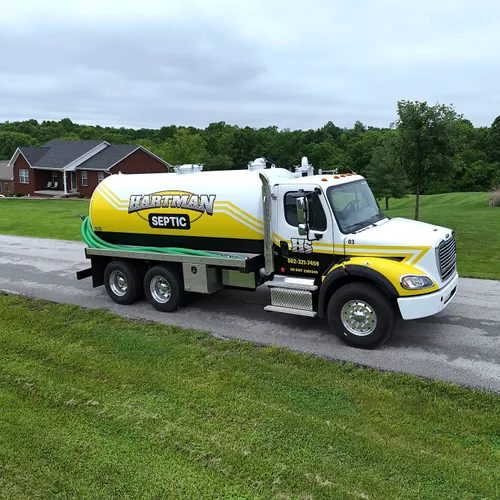
Hartman Septic
24 Old 7 Mile Pike, Shelbyville, KY 40065
Hartman Septic provides full-service septic solutions in Louisville, KY, and surrounding areas including Shelby County and Pewee Valley. The company offers residential and commercial septic tank pumping, inspection, repair, installation, and drain field repair or replacement. Hartman Septic is led by Kentucky's first Master Septic Installer, bringing expert knowledge to each project. They are experienced in managing complex septic system issues and work closely with local health authorities to ensure compliance and approved repairs. The company is known for handling excavation and septic challenges efficiently and professionally.
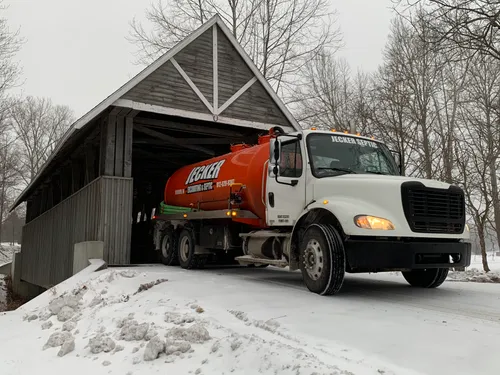
Jecker Excavating and Septic
24501 Tom Evans Rd, Borden, IN 47106
Jecker Excavating and Septic is a family-owned company serving Louisville, KY, and the southern Indiana area. They provide septic system services including pumping, installation, repair, and inspection, along with water and drain line installation and repair. The company also offers a range of professional excavating services. With years of experience, Jecker Excavating and Septic emphasizes attention to detail and customer satisfaction in their work.
Understanding Louisville's Septic System Regulations
All onsite sewage disposal systems in Louisville and Jefferson County are overseen by Louisville Metro Public Health and Wellness (LMPHW). Before any digging begins, you must secure the proper permits. The permitting process starts with a construction permit, which carries a fee of $425, plus an additional $25 plan review fee. A critical rule in Kentucky is that only state-certified installers are legally allowed to install septic systems, though homeowners can apply for a special homeowner's permit under specific conditions.
The cornerstone of the process is the site evaluation. A certified installer must assess your property to determine soil suitability and design an appropriate system. This evaluation, often involving a soil percolation test, identifies where the drain field can be placed and what type of system the land can support. Louisville's prevalent clay soils often present a challenge, as they drain poorly compared to ideal sandy or loamy soils. This frequently necessitates more specialized, engineered system designs.
The Step-by-Step Installation Process
A successful septic system installation follows a structured sequence from planning to final approval.
1. Site Evaluation and Design
This initial phase determines the project's feasibility and design. The Health Department or your certified installer inspects the site to identify suitable areas for the drain field, considering critical setbacks from property lines, wells, buildings, and areas where surface water collects 1. Based on the soil analysis and household size, a system is designed. For challenging sites with poor soil or high water tables, an engineered septic system-such as an aerobic treatment unit (ATU) or a mound system-may be required.
2. Permitting and Approval
Once the design is complete, your installer will submit the plans along with the permit application and fees to LMPHW for approval. No work can legally commence until the construction permit is issued.
3. Excavation and Installation
With permit in hand, the physical installation begins. This stage typically involves 16-20 hours for excavation and tank placement, followed by 16-18 hours for drain field construction 2. The septic tank is set, and the network of perforated pipes in the drain field (or lateral lines) is carefully laid according to the approved plan.
4. Mandatory Inspections
LMPHW requires inspections at key stages before any components are covered with soil. These include:
- Pre-cover Inspection: An inspector checks the septic tank, lateral lines, and drain field components to ensure they are installed correctly.
- Final Inspection: After the system is covered, a final verification ensures the installation matches the approved plan and that required components, like system alarms, are functional 3.
Find the perfect septic tank installation & replacement contractors for your needs
Get personalized recommendations and expert advice
Cost Factors for Septic Systems in Louisville
The cost of a new septic system installation or a full system replacement in Louisville varies widely based on system type, soil conditions, and property size.
- Standard Conventional Systems: For properties with suitable soil, a standard gravity-fed system typically ranges from $1,500 to $4,000.
- Advanced/Engineered Systems: Due to Louisville's common clay soils, many properties require more complex solutions. Aerobic Treatment Units (ATUs), mound systems, or other engineered designs can range from $6,000 to $12,000 or more 4.
- Permit Fees: Budget for the required $425 construction permit and $25 plan review fee 5 6.
- Long-term Maintenance: After installation, annual inspections and routine maintenance (like pumping the tank every 3-5 years) are essential and cost approximately $250-$500 per year 7.
A full septic system replacement is often necessary if an existing system is over 25 years old or has catastrophically failed. Replacement costs follow the same ranges as new installations but may include additional expenses for removing the old system.
Choosing the Right System for Your Property
The "right" system is the one that meets your household's needs while complying with local health codes based on your site's constraints.
- Conventional Gravity Systems: The most affordable option, but only viable where soil depth and permeability are adequate.
- Chamber Systems: Use plastic chambers in the drain field instead of gravel, which can be easier to install and provide greater wastewater storage volume.
- Aerobic Treatment Units (ATUs): These systems inject oxygen into the treatment tank, breaking down waste more efficiently. They are often required for smaller lots, poor soils, or areas near water bodies and represent a significant portion of the higher-cost installations in the region 8.
- Mound Systems: An above-ground drain field built with sand and gravel. This is a common engineered solution for sites with high water tables or shallow soil depth.
Your certified installer will recommend the most effective and code-compliant system type after completing the mandatory site evaluation.
Maintenance and Care After Installation
A new septic system is a long-term asset that requires proper care. Regular maintenance prevents premature failure and protects your investment. Key practices include:
- Annual Inspections: Have a professional inspect the tank, baffles, and drain field annually.
- Regular Pumping: Pump the septic tank every 3 to 5 years, depending on household size and usage.
- Water Conservation: Spread out water use and fix leaks to avoid overloading the drain field.
- Mind What You Flush: Only human waste and toilet paper should go into the system. Avoid chemicals, grease, diapers, and wipes.
Proper maintenance not only extends the system's life but is also a regulatory expectation to ensure ongoing environmental safety 9.
Frequently asked questions
Sources
Footnotes
-
Septic System Installation Checklist - https://www.mecindustries.com/morse-engineering-and-construction-industries/septic-system-installation-checklist ↩
-
Cost to Install Septic System in Louisville Jefferson County KY in 2026 - https://contractorplus.app/resources/construction-costs/install-septic-system/louisville-jefferson-county-ky ↩
-
louisville metro public health and wellness - https://louisvilleky.gov/sites/default/files/migration/missing-files/onsite_septic_system_program/2019processforapprovedsepticsysinstallations10222019.pdf ↩
-
Understanding Septic System Cost: A Complete Guide - https://ky-pd.com/blog/septic-system-cost-breakdown/ ↩
-
Onsite Septic System Program | LouisvilleKY.gov - https://louisvilleky.gov/government/health-wellness/onsite-septic-system-program ↩
-
Onsite Sewage Disposal Systems Program - https://www.chfs.ky.gov/agencies/dph/dphps/emb/Pages/environmentmgmt.aspx ↩
-
KY Well & Septic Inspections 2026: Buyer's Complete Guide - https://askdoss.com/how-to-handle-well-and-septic-inspections-in-kentucky-what-buyers-must-know/ ↩
-
Engineered Septic System Design: A Complete Guide - https://landperc.com/engineered-septic-system-design/ ↩
-
Septic Systems - Northern Kentucky Health Department - https://nkyhealth.org/septic/ ↩