
Find the Best Septic Tank Installation & Replacement Contractors for Your Business
No obligation • Fast responses • Nationwide coverage

Why you can trust Septic Spot
Septic Spot is a leading United States resource for understanding and comparing septic services. Our editors review providers using consistent criteria and verify key business details. Listings and scores are independent, and companies cannot pay to influence our content.
Search providers near you
Top Septic Tank Installation & Replacement Contractors in Lexington, Kentucky Ranked
Installing or replacing a septic system is a significant investment in your property's long-term functionality and environmental health. For homes and businesses in Lexington not connected to the municipal sewer, a properly designed and permitted septic system is essential for safe wastewater treatment. This guide explains the local process, costs, and key considerations for septic system installation and replacement, helping you understand what to expect and how to connect with qualified local professionals for your project.
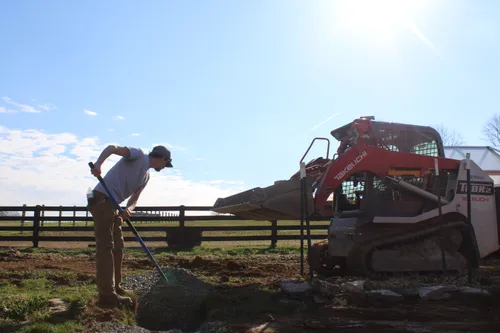
Apex Solutions
3025 Stanford Rd, Danville, KY 40422
Apex Solutions is a multi-service contractor based in Lexington, KY, offering septic tank pumping, inspection, repair, and installation along with plumbing, electrical, HVAC, and pool installation services. Serving residential, commercial, and industrial clients across multiple counties, they provide comprehensive solutions including licensed septic system maintenance and repairs. Established in 2009, Apex Solutions brings over a decade of experience to the Bluegrass State and offers 24/7 emergency service for urgent needs.
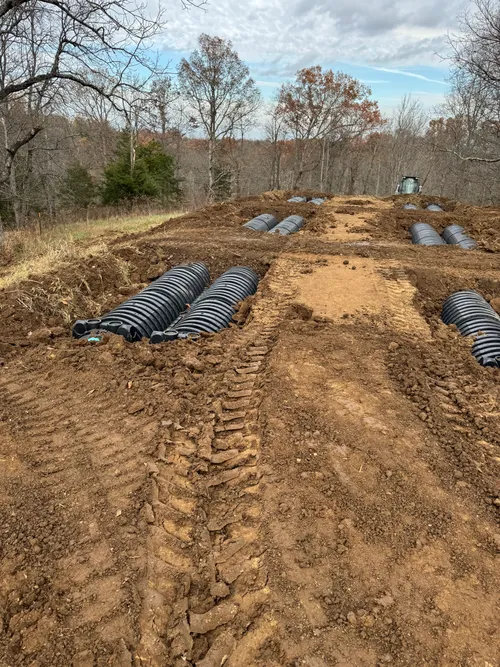
Smith's Excavating & Beyond
Lexington, KY
Smith's Excavating & Beyond is an excavating contractor based in Sadieville, KY, serving Lexington and surrounding areas including Georgetown. They specialize in septic system installation, repair, and replacement, along with land clearing, driveway construction, and concrete foundation work. With 25 years of industry experience, the company offers comprehensive septic services such as soil testing, tank installation, and drain field work, ensuring reliable and code-compliant systems. They emphasize transparent pricing and integrity in all projects.
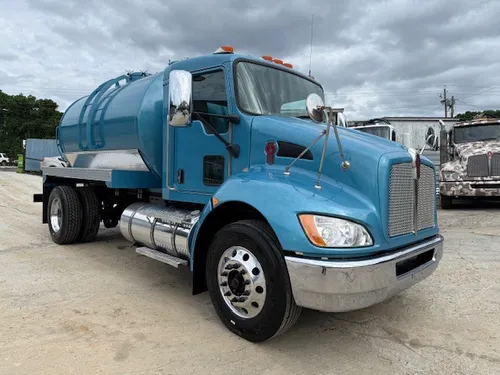
Major Duke's Services
Lexington, KY
Major Duke's Services is a septic and grease system company based in Lexington, KY. They provide septic tank cleaning, grease trap cleaning, septic system inspections, repairs, installations, and drain field services for both residential and commercial clients. The company is licensed and insured, with certified pumping truck operations and expertise in hydro jetting to clear blockages efficiently. Serving Central Kentucky, they understand local soil conditions and common septic challenges, offering tailored solutions for newer and older properties. Their services include emergency repairs and routine maintenance to keep systems functional and compliant.
Setters Septic Tank Service and Portable Restrooms, LLC
5036 Old Maysville Rd, Mt Sterling, KY 40353
Setters Septic Tank Service and Portable Restrooms, LLC is a family-owned business based in Lexington, KY, offering comprehensive septic system services and portable restroom rentals. They provide septic tank installation, cleaning, repair, and inspection, using their own video camera equipment to locate blockages efficiently. Their capabilities include hydro-jet line cleaning and grease trap service, supporting both residential and commercial clients. The company also supplies septic system chemicals and offers deluxe portable restroom trailers for special events.
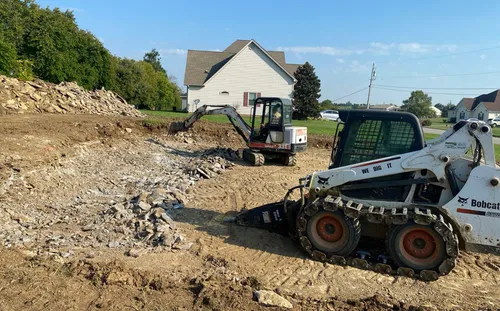
TNT Excavating LLC
1231 Hickory Grove Rd, Lawrenceburg, KY 40342
TNT Excavating LLC is a septic tank installation, repair, and inspection company based in Louisville, KY. They specialize in septic system installation for new construction and replacement projects, working closely with clients to select the appropriate system. Their services also include septic tank repairs such as leak fixes and component replacements, along with comprehensive inspections to assess system condition and recommend maintenance or repairs. TNT Excavating LLC is a BBB Accredited Business.
Understanding the Lexington Permit Process
All new septic system installations and replacements in Lexington-Fayette County are regulated by the Lexington-Fayette County Health Department (LFCHD). The department enforces Kentucky state regulations (KRS 211.180) to ensure systems protect public health and groundwater 1. You cannot begin any construction without first obtaining the necessary permits.
The process typically follows these steps:
- Application Submission: A certified installer or the homeowner must submit a permit application to the LFCHD. This requires a detailed site plan of the proposed system location.
- Mandatory Site Evaluation: A health department environmentalist will visit your property to conduct a crucial site evaluation. This assessment determines the feasibility of a standard system and identifies the appropriate system type for your specific lot conditions.
- Permit Issuance: If the site is deemed suitable and the plans are approved, a permit is issued, allowing construction to begin.
- Final Inspection & Approval: After the septic tank and drain field are installed but before they are covered with soil, the installer must notify the urban county engineer for a final inspection. The system must pass this inspection and receive final approval before being buried and put into use.
The Critical Role of Soil Testing
The site evaluation centers on a soil percolation (perc) test and soil analysis. This is the most important factor in determining what kind of septic system you can install. The test measures the soil's absorption rate, checking for critical factors like clay content, bedrock depth, and seasonal high water table levels 2 3.
Central Kentucky's soil is often mineral-heavy with significant clay content, which can slow drainage 4. The results of this test will dictate your system design:
- Suitable Soil: If the soil perc tests well, a standard conventional trench system (a septic tank and a subsurface drain field) will likely be approved.
- Poorly Suiting Soil: If the soil drains too slowly (due to clay) or too quickly (sandy), or if the water table is high, the site will be deemed unsuitable for a standard system. In these cases, an alternative system will be required.
Types of Septic Systems for Lexington Properties
The type of system you need is directly tied to your soil test results and lot characteristics.
- Conventional System: This is the most common and cost-effective option for suitable sites. It consists of a septic tank and a network of perforated pipes laid in gravel-filled trenches (the drain field).
- Alternative (Engineered) Systems: These are required for lots with poor soil, high bedrock, or limited space. They are more complex and expensive to install but are designed to treat wastewater effectively under challenging conditions.
- Mound System: A raised drain field constructed with sand and gravel above the natural soil surface. Often used when there is shallow soil or a high water table.
- Aerobic Treatment Unit (ATU): These systems use oxygen to break down waste more efficiently, producing a higher quality effluent. They may be used in environmentally sensitive areas or where soil conditions are poor.
- Sand Filter System: Effluent is pumped through a sand filter for treatment before dispersal.
Cost Breakdown for Installation and Replacement
The total cost for a new septic system or a full system replacement in Lexington varies widely based on system type, soil conditions, and property layout.
- Permit Fees: Fees paid to the health department typically range from $100 to over $270 5.
- Standard System Installation: For a property that supports a conventional trench system, total installed costs often average between $5,000 and $10,000 6. This includes the tank, drain field, labor, and permits.
- Replacement or Complex System Installation: If you are replacing a failed system or your lot requires an engineered alternative system, costs increase significantly. You can expect prices to range from $6,000 up to $20,000-$30,000 or more 7. A complete replacement may require not just a new tank but a whole new drain field in a different location, which is a major excavation project.
- Component-Only Costs: The physical components for a standard system (tank and drain field materials) alone can range from $1,500 to $5,000 before labor and site work 8.
Find the perfect septic tank installation & replacement contractors for your needs
Get personalized recommendations and expert advice
When is a Full System Replacement Needed?
Understanding when to repair versus replace is key. A full septic system replacement is a major undertaking, but it's necessary in certain situations:
- Drain Field Failure: This is the most common reason for replacement. Signs include sewage backing up into the home, soggy ground or standing water over the drain field, and foul odors. A failed drain field cannot typically be repaired; it must be replaced, often in a new location on the property.
- Major Tank Damage: While cracks can sometimes be repaired, a severely collapsed or structurally unsound tank requires replacement.
- Property Expansion or Renovation: Adding bedrooms or significantly increasing wastewater flow may require a larger, permitted system.
- System is Non-Compliant: An old, undersized, or improperly installed system discovered during a home sale inspection may need to be replaced to meet current health codes.
Choosing a Certified Installer in Lexington
Given the regulatory complexity and technical demands, hiring a reputable, certified installer is non-negotiable. A qualified professional will:
- Understand the specific permit requirements of the Lexington-Fayette County Health Department.
- Coordinate the necessary soil testing and site evaluation.
- Design a system that meets code for your property.
- Obtain all required permits.
- Schedule and pass the critical final inspection before covering the system.
- Provide warranties on both labor and components.
Always verify that an installer is licensed and insured, and ask for references from recent projects in Fayette County.
The Inspection Timeline: From Start to Finish
Inspections are woven throughout the installation process to ensure compliance and proper function.
- Site Feasibility Inspection: Conducted by the health department during the initial evaluation to approve the system location and type.
- Construction Inspections: The health department inspector has the authority to inspect the work at any stage of construction.
- Final Inspection: This is the mandatory, legally required inspection that occurs after the tank and drain field are installed but are still exposed. The inspector checks for proper placement, connections, and construction integrity. No part of the system can be covered until this inspection is passed 9 10.
Long-Term Considerations After Installation
A new system is a long-term asset if properly maintained. After your new septic tank installation or system replacement is complete, remember that regular maintenance is required by Kentucky law. This includes having the septic tank pumped typically every 3-5 years, depending on usage, and avoiding practices that can harm the drain field, like parking vehicles over it or planting trees nearby. Proper care will protect your investment for decades.
Frequently asked questions
Sources
Footnotes
-
Onsite Sewage Disposal Systems Program - https://www.chfs.ky.gov/agencies/dph/dphps/emb/Pages/environmentmgmt.aspx ↩
-
How Can I Install a Septic Tank and Leach Field on My Property? - https://www.kysepticservice.com/helpful-info/how-can-i-install-a-septic-tank-and-leach-field-on-my-property.html ↩
-
Septic System Inspections in Lexington & Richmond, KY - https://www.majordukes.com/services/septic-system-inspections ↩
-
Complete Septic System Installation Guide - KYPD Plumbing - https://ky-pd.com/blog/septic-system-installation-guide/ ↩
-
New Home On-Site Sewage Disposal - https://www.lcdhd.org/services/environmental-services/guidelines/new-home-on-site-sewage-disposal/ ↩
-
Buying a Home with Septic? Inspection in Kentucky & Ohio - https://kentuckyinspectionservices.com/services/septic-inspection/ ↩
-
Understanding Septic System Cost: A Complete Guide - https://ky-pd.com/blog/septic-system-cost-breakdown/ ↩
-
Just How Much Is a New Septic System Going to Cost? - https://www.kysepticservice.com/helpful-info/just-how-much-is-a-new-septic-system-going-to-cost.html ↩
-
Onsite Sewage Program (Septic, Septic Tank Pumper) - https://www.lfchd.org/onsite-sewage-septic-tank-program/ ↩
-
Sec. 16-41. - Building sewers and connections. - https://codelibrary.amlegal.com/codes/lexingtonfayettecoky/latest/lexingtonfayettecoky_code/0-0-0-9606 ↩