Find the Best Septic Tank Installation & Replacement Contractors for Your Business
No obligation • Fast responses • Nationwide coverage

Why you can trust Septic Spot
Septic Spot is a leading United States resource for understanding and comparing septic services. Our editors review providers using consistent criteria and verify key business details. Listings and scores are independent, and companies cannot pay to influence our content.
Search providers near you
Top Septic Tank Installation & Replacement Contractors in Baltimore, Maryland Ranked
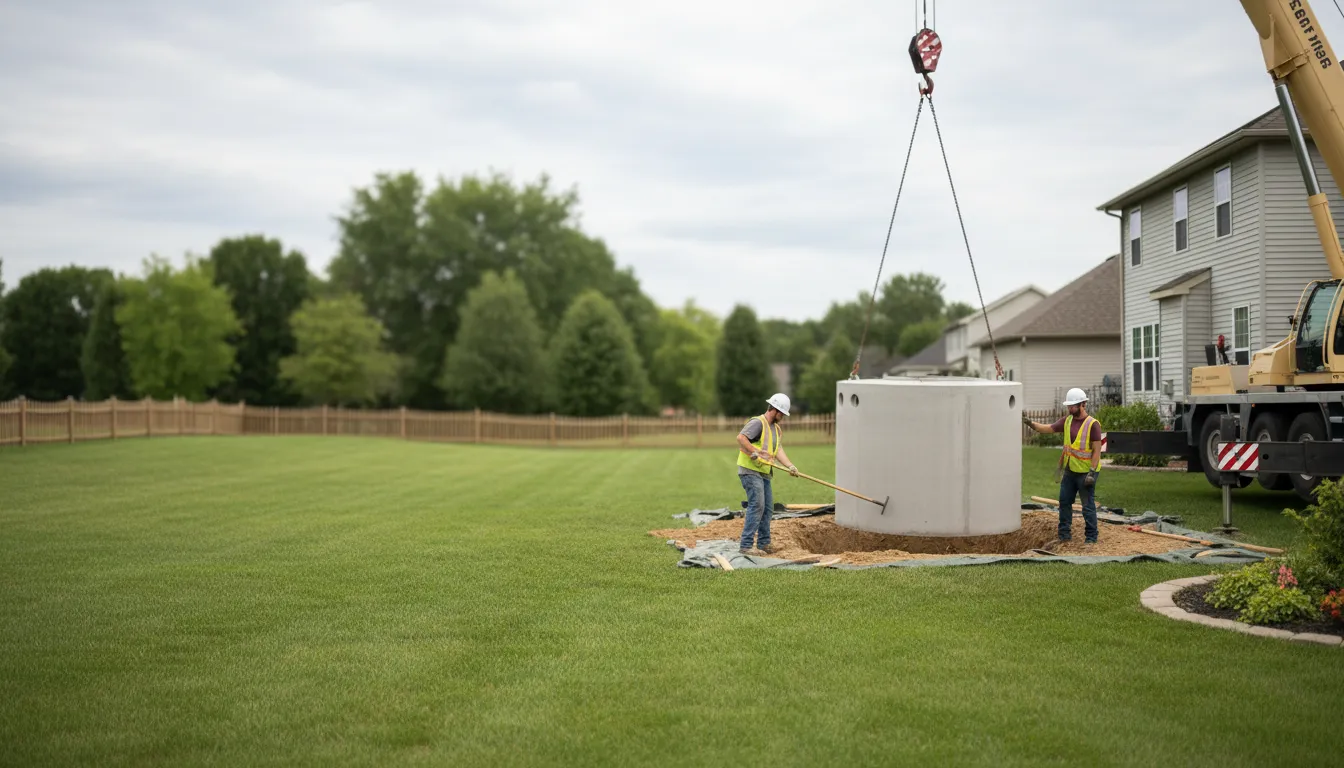
Installing or replacing a septic system is a significant investment in your property's long-term health and value. In Baltimore County, this process is carefully regulated to protect public health and the local environment, including the Chesapeake Bay watershed. This guide explains the key steps, costs, and local requirements for septic system work, helping you understand what to expect and how to connect with qualified local professionals for your project.
A-1 Septic
4427 Mountain Rd, Pasadena, MD 21122
A-1 Septic is a family-owned septic tank pumping, inspection, and installation company serving Washington, DC, and Anne Arundel County. With 30 years of experience, they provide excavation, septic system certifications, perc tests, and snow removal services. Licensed and insured, A-1 Septic offers 24/7 availability for septic and sewer needs.

Shilling septic
Baltimore, MD
Shilling Septic is a locally owned septic service provider based in Baltimore, MD, serving Anne Arundel County and Central Maryland. With over 65 years of experience, the company offers a full range of septic services including installation, pumping, cleaning, inspections, and repairs. Their expertise includes addressing regional challenges such as soil composition and proximity to water, ensuring systems are properly maintained and repaired. Shilling Septic also provides emergency services with 24/7 availability to handle urgent septic issues.
American Septic & Backhoe Service
Baltimore, MD
American Septic & Backhoe Service is a family-owned business providing comprehensive septic system care in Baltimore, MD, and nearby Harford County since 1992. They offer a full range of services including septic tank pumping, inspections, repairs, new system installations, and drain field maintenance. The company is certified in Best Available Technology (BAT) septic systems and provides 24-hour emergency services to address urgent septic needs.
Freedom Septic Service, Inc.
2809 Liberty Rd, Sykesville, MD 21784
Freedom Septic Service, Inc. is a family-owned business with over 20 years of experience providing septic system services in Baltimore, MD. They offer a range of solutions including septic tank pumping, installation, repair, sewage treatment, and grease trap cleaning. The company also provides portable toilet and restroom trailer rentals for events and job sites, featuring options like handicap accessible units and climate-controlled trailers. Serving Baltimore and surrounding counties, Freedom Septic Service combines licensed expertise with comprehensive sanitation services to meet residential and commercial needs.
John's Septic Service
510 S Stepney Rd, Aberdeen, MD 21001
John's Septic Service is a family-operated company serving Baltimore, MD, specializing in septic tank pumping, repair, and installation. The business is managed by the fourth generation of the family, combining modern equipment with extensive experience. They are recognized locally and have been featured in industry publications for their commitment to service.
Understanding Baltimore County's Septic System Regulations
All new septic system installations and major replacements in Baltimore County require approval from the Department of Environmental Protection and Sustainability (EPS). The permitting process is designed to ensure systems are properly sized, sited, and constructed to function effectively without contaminating groundwater or nearby waterways. For new homes, the county mandates a minimum 1,500-gallon, two-compartment tank constructed with a top seam and equipped with manhole risers and tamper-proof lids for safety and easy access. The entire process, from initial application to final inspection, typically takes 4 to 6 weeks.
Key Permit Requirements and Setbacks
Before a permit is issued, your property must meet specific regulatory criteria. A licensed contractor or soil evaluator must conduct a thorough site evaluation, which includes creating a detailed land survey and site plan. Critical setbacks must be maintained, including:
- A minimum of 100 feet from the drain field to any well in an unconfined aquifer 1.
- Specific distances from property lines, buildings, and surface water bodies.
- Identification and legal protection of both a primary drain field area and a reserve replacement area on your property lot plan.
The Step-by-Step Installation Process
Navigating a septic installation involves a series of coordinated steps between you, your contractor, and county inspectors.
1. Site Evaluation and Soil Testing
The first technical step is a soil percolation (perc) test. This test determines how quickly water drains through your soil, which is the single most important factor in sizing the drain field (or leach field). The results dictate the design and size of the entire absorption system. This test typically costs between $700 and $2,000.
2. System Design and Permit Application
Using the soil test results and survey, a system design is created. Your licensed contractor will then submit the complete application package-including the site plan, soil report, design specifications, and fees-to the Baltimore County EPS. Application fees can range from $500 to over $1,000 2.
3. Excavation and Installation
Once the permit is issued, excavation can begin. The contractor will install the approved tank and construct the drain field according to the engineered plans. For a conventional gravity-fed system, this involves digging trenches, laying distribution pipes, and adding gravel and soil cover.
4. Mandatory County Inspections
Baltimore County requires two critical inspections during construction:
- Open Tank/Trench Inspection: Before the tank and drain field trenches are backfilled, an EPS inspector must visit the site to verify the tank material, size, and proper construction of the trenches 3 4.
- Final Inspection: After installation is complete and the site is graded, a final inspection checks the risers, lids, and overall installation.
Find the perfect septic tank installation & replacement contractors for your needs
Get personalized recommendations and expert advice
Cost Breakdown for Septic System Installation
The total cost for a new septic system in Baltimore can vary widely based on soil conditions, system type, property slope, and accessibility. Here's a typical breakdown for a conventional system:
- Soil Percolation Test & Design: $1,000 to $2,900 (combining test and design/survey fees).
- Septic Tank & Drain Field Installation: $5,000 to $12,000+. This covers excavation, the tank itself, distribution boxes, piping, gravel, and labor.
- Total Project Cost: A full conventional system installation typically ranges from $8,000 to over $15,0005. More advanced systems, like Best Available Technology (BAT) units or those required for difficult sites, can cost significantly more.
Financial Assistance: The Bay Restoration Fund
Maryland residents may be eligible for financial help through the Bay Restoration Fund (BRF). This program provides grants to homeowners upgrading an existing failing system to a state-approved BAT system, which provides enhanced nitrogen removal to protect the Chesapeake Bay. It's worth investigating if your project qualifies.
When is Septic Tank Replacement Necessary?
Understanding when to repair versus replace your system can save you time and money. Consider replacement if you experience:
- Persistent Drainage Problems: Frequent backups, slow drains, or surfacing sewage in the drain field area.
- Failed Inspection: A system evaluation or county inspection deems the tank or drain field irreparable.
- Property Expansion: Adding bedrooms or significant square footage may require a larger system.
- System Age: Most conventional septic systems have a lifespan of 20-40 years. If yours is approaching this age and showing issues, proactive replacement is often more cost-effective than repeated repairs.
The Replacement Process
Replacing a system follows a similar permitting and installation path as a new installation. The county will require a new site evaluation and perc test, as soil conditions can change over decades. The existing system must be properly abandoned, often by having the old tank pumped out and either removed or collapsed and filled with clean sand or gravel.
Choosing the Right System for Your Property
While conventional gravity systems are common, not all properties can support them. Alternatives include:
- Pressure-Dosed Systems: Use a pump to evenly distribute effluent across the drain field, ideal for sloping lots.
- Sand Mound Systems: An elevated drain field built with sand, used when shallow soil depth or high groundwater is an issue.
- Best Available Technology (BAT) Systems: Advanced treatment systems that reduce nitrogen levels. These may be required for properties near sensitive waters or eligible for grant funding 6.
Your site's soil characteristics, topography, and water table will determine which system type the county will approve.
Maintaining Your New Septic Investment
Once your new system is installed, proper maintenance is crucial for its longevity. Baltimore County recommends:
- Regular Pumping: Have the tank pumped every 3-5 years by a licensed professional.
- Water Conservation: Spread out laundry loads and fix leaks to avoid overloading the system.
- Mindful Flushing: Only human waste and toilet paper should go down the drain. Avoid chemicals, grease, and non-biodegradable items.
- Protect the Drain Field: Never drive or park over it, and keep roof drains and sump pumps directed away from the area.
A well-maintained system can protect your property value and prevent costly emergencies.
Frequently asked questions
Sources
Footnotes
-
Ground Water Management - Baltimore County Government - https://www.baltimorecountymd.gov/departments/environment/ground-water-management ↩
-
Building with Well and Septic - Baltimore County Government - https://www.baltimorecountymd.gov/files/departments/environmental-protection-and-sustainability/documents/buildingwithwellandsepticfinal2020315.pdf ↩
-
Understanding Septic Regulations in Baltimore County - https://www.coxenterprisesllc.com/baltimore-county-septic-regulations/ ↩
-
Onsite Sewage Disposal Systems: A Guide to Maintenance - https://www.baltimorecountymd.gov/files/departments/environmental-protection-and-sustainability/documents/osdsmaintenanceguide20240621.pdf ↩
-
Cost to Install a Septic System in Baltimore [2026 Data] - https://www.angi.com/articles/what-does-it-cost-install-septic-system/md/baltimore ↩
-
FAQs on Septic Systems | University of Maryland Extension - https://extension.umd.edu/programs/environment-natural-resources/program-areas/wells-septics-and-water-quality/septicsunderstandingmaintaining/faqs-septic-systems ↩