Find the Best Septic Tank Installation & Replacement Contractors for Your Business
No obligation • Fast responses • Nationwide coverage

Why you can trust Septic Spot
Septic Spot is a leading United States resource for understanding and comparing septic services. Our editors review providers using consistent criteria and verify key business details. Listings and scores are independent, and companies cannot pay to influence our content.
Search providers near you
Top Septic Tank Installation & Replacement Contractors in Frederick, Maryland Ranked
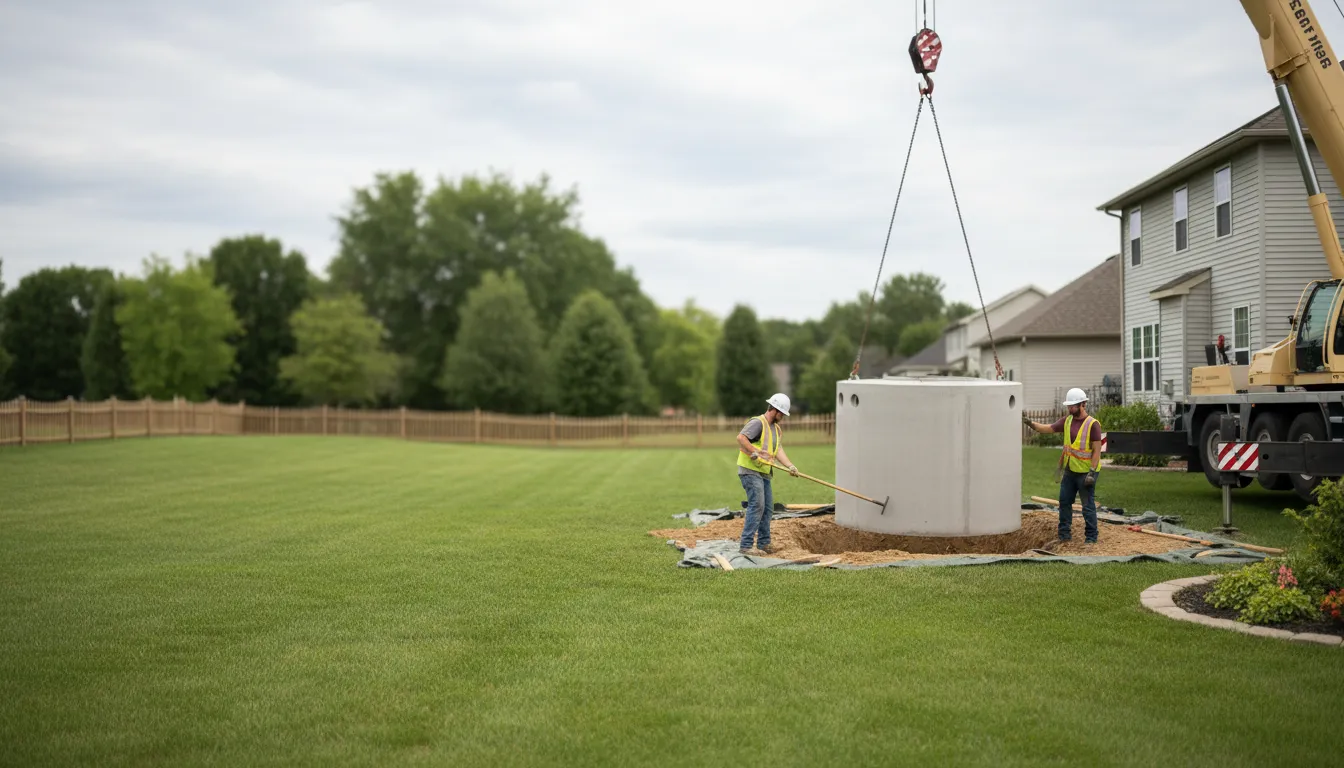
Installing or replacing a septic system is a significant investment in your property's long-term functionality and environmental health. In Frederick County, this process is governed by specific local and state regulations to protect groundwater and public health. This guide explains the key steps, requirements, and considerations for septic system installation and replacement in the area, helping you navigate the process with confidence and connect with qualified local professionals.
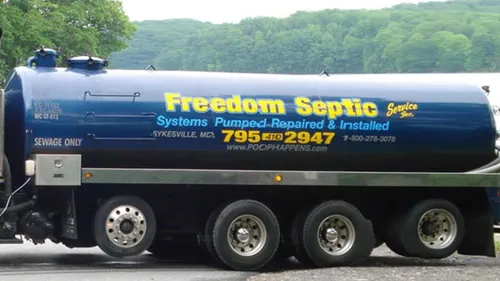
Freedom Septic Service, Inc.
2809 Liberty Rd, Sykesville, MD 21784
Freedom Septic Service, Inc. is a family-owned business with over 20 years of experience providing septic system services in Baltimore, MD. They offer a range of solutions including septic tank pumping, installation, repair, sewage treatment, and grease trap cleaning. The company also provides portable toilet and restroom trailer rentals for events and job sites, featuring options like handicap accessible units and climate-controlled trailers. Serving Baltimore and surrounding counties, Freedom Septic Service combines licensed expertise with comprehensive sanitation services to meet residential and commercial needs.
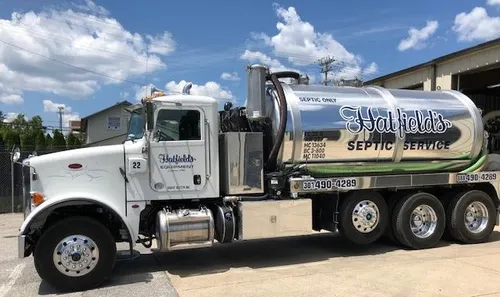
Hatfield's Equipment & Dedication Services, Inc.
Washington, DC
Hatfield's Equipment & Dedication Services, Inc. is a family-owned company based in Washington, DC, serving several Maryland counties including Anne Arundel, Baltimore, and Montgomery. They provide a wide range of septic services such as pumping, system installation, repairs, and certified inspections. The company is certified to install Multiple BAT systems and offers specialized services like hydro excavation, pipe jetting, and video camera pipe inspections. Emergency service is available for both residential and commercial customers.
Understanding Frederick County's Septic System Regulations
All new septic system installations and major replacements in Frederick County require a permit from the Frederick County Health Department (FCHD). The systems must comply with standards set by both the FCHD and the Maryland Department of the Environment (MDE). A critical regulation for new construction is the requirement for Best Available Technology (BAT) systems, which are advanced treatment systems designed for enhanced nutrient removal to protect the Chesapeake Bay watershed. For existing homes, a conventional system may be allowed for a direct replacement if the site conditions permit, but all work must be performed by a state-licensed installer.
The First Step: Site Evaluation and Soil Testing
Before any system can be designed, the property must undergo a formal site evaluation. The cornerstone of this evaluation is the soil percolation test (often called a "perc test").
- Purpose: This test determines the soil's absorption rate, which dictates the size and type of drain field needed.
- Process: A licensed backhoe operator digs test holes, and an FCHD sanitarian performs the official test. Typically, one observation hole and two percolation holes are required.
- Results: The percolation rate, measured in minutes per inch, determines feasibility:
- A rate of less than 30 minutes per inch may allow for a conventional drain field.
- A rate of less than 60 minutes per inch may allow for a sand mound system.
- Soils that perc too slowly or too quickly may require more advanced engineered solutions.
Navigating the Permit and Design Process
Once you have favorable soil test results, the formal design and permitting phase begins.
- System Design: A professional septic system designer uses the perc test data and site plans to create an engineered design. For BAT systems, this includes specifying the approved treatment technology.
- Permit Application: The design, along with the perc test letter and application, is submitted to the FCHD. Permit fees are based on the proposed system's size and complexity.
- Approval: After review, the FCHD issues a construction permit. It's illegal to begin excavation or installation without this permit in hand.
Mandatory Inspections During Installation
The FCHD conducts mandatory inspections at critical stages of the installation to ensure compliance with the approved design. These typically include:
- Open Trench Inspection: Before the drain field pipes, stone, and tank are covered, they must be inspected.
- Final Inspection: After the system is covered and final grading is complete, a final inspection is required for approval.
Skipping these inspections can result in failed systems, fines, and the requirement to excavate for re-inspection.
Find the perfect septic tank installation & replacement contractors for your needs
Get personalized recommendations and expert advice
Cost Factors for Septic System Projects
The total cost for a septic system project in Frederick can vary widely based on several factors. While the septic tank itself may range from $500 to $2,500, the complete system installation typically falls between $3,000 and over $10,000 1 2 3. Key cost drivers include:
- System Type: A conventional gravity system is generally the least expensive. Sand mound systems, alternative systems, and mandated BAT units are significantly more costly due to added materials, sand, and technology 4.
- Soil and Site Conditions: Poor soils requiring larger drain fields or extensive site grading increase costs.
- Tank Size and Material: Larger tanks or those made of concrete versus plastic affect price.
- Professional Fees: Don't forget to budget for the soil percolation test, system design fees, and county permit fees 5.
Planning for Replacement and Property Setbacks
If you're replacing a failing system, the process is similar to a new installation, requiring new permits and site evaluation. Frederick County also emphasizes planning for the future.
- Replacement Area: Property subdivisions and new installations often require the designation of a 10,000 square foot area reserved for a future replacement septic system. This ensures there is suitable space to install a new drain field when the original eventually fails.
- Setback Requirements: Systems must be installed a minimum distance from other structures and water sources. For example, a system must be at least 30 feet from a building foundation and 100 feet from a well 6 7. Your designer and installer will ensure all setbacks are met.
Choosing a Licensed Installation Professional
This is not a DIY project. Maryland law requires that all septic system installation and repair work be performed by a licensed installer 8 9. When evaluating local septic contractors, verify their state license is current and in good standing. Ask for references from recent projects in Frederick County and ensure they are familiar with FCHD procedures and the potential need for BAT systems. A reputable professional will handle the permit process, schedule inspections, and ensure the entire installation meets code.
Long-Term Maintenance for System Longevity
A properly installed system is just the beginning. Protecting your investment requires regular maintenance. This includes having the tank pumped every 3-5 years (depending on usage), avoiding flushing harmful chemicals or non-biodegradables, and conserving water to prevent overloading the drain field. For BAT systems, adhere strictly to the manufacturer's maintenance schedule, which may include annual servicing, alarm checks, and component replacements to keep the advanced treatment process functioning correctly 10.
Frequently asked questions
Sources
Footnotes
-
How Much Does a Septic System & Septic Tank Cost - NexGen Septics - https://www.nexgenseptics.com/septic-system-cost/ ↩
-
How Much Does a Septic Tank Cost? - NerdWallet - https://www.nerdwallet.com/home-ownership/home-improvement/learn/septic-tank-cost ↩
-
Breaking Down the Bill: What Really Determines Your Septic Installation Costs - https://www.lanikseptic.com/septic-installation-costs/ ↩
-
New Maryland Septic Regulations - B & R Design Group - https://www.bandrdesign.com/2014/08/05/new-maryland-septic-regulations/ ↩
-
Percolation Test | Frederick County Health Department, MD - https://health.frederickcountymd.gov/377/Percolation-Test ↩
-
Frequently Asked Questions - CivicPlus.CMS.FAQ - https://health.frederickcountymd.gov/FAQ.aspx?QID=136 ↩
-
Building Permit Approval | Frederick County Health Department, MD - https://health.frederickcountymd.gov/381/Expediting-Building-Permit-Approval ↩
-
Well & Septic | Frederick County Health Department, MD - https://health.frederickcountymd.gov/375/Well-Septic ↩
-
SEPTIC TANK MANUAL | Frederick County Health Department - https://health.frederickcountymd.gov/DocumentCenter/View/2716/Septic-Manual-Large ↩
-
General Requirements and Maintenance of On-Site Sewage Systems - https://ecode360.com/14249524 ↩