Find the Best Septic Tank Installation & Replacement Contractors for Your Business
No obligation • Fast responses • Nationwide coverage

Why you can trust Septic Spot
Septic Spot is a leading United States resource for understanding and comparing septic services. Our editors review providers using consistent criteria and verify key business details. Listings and scores are independent, and companies cannot pay to influence our content.
Search providers near you
Top Septic Tank Installation & Replacement Contractors in Blue Springs, Missouri Ranked
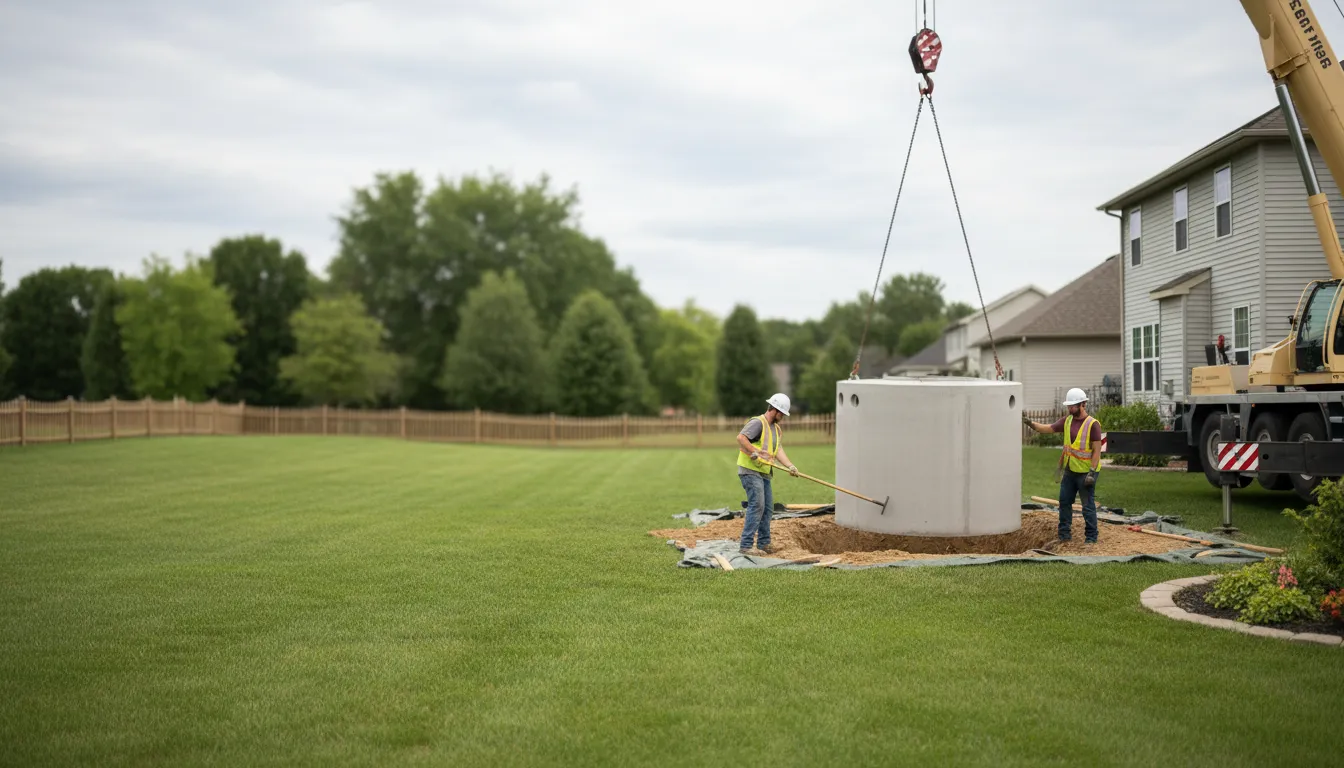
Installing or replacing a septic system is a significant investment in your property's long-term functionality and environmental health. In Blue Springs, this process is governed by specific state and local regulations designed to protect groundwater and ensure system reliability. This guide explains the key steps, requirements, and considerations for septic system installation and replacement in the area, helping you navigate the process from initial planning to final inspection.
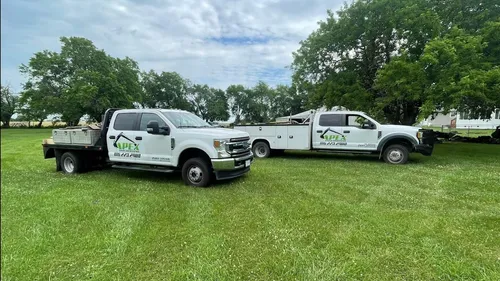
Apex Underground - Sewer & Septic
1006 W Foxwood Dr, Raymore, MO 64083
Apex Underground - Sewer & Septic is a septic system repair and installation company serving Kansas City, MO, and surrounding areas. With over 25 years of experience, they provide commercial and residential septic, sewer, and underground utility services including soil morphology, engineered septic system designs, repairs, and tank replacements. Their licensed team handles complex installations and emergency repairs to maintain the reliability and structural integrity of septic and sewer systems.
Integrity Excavation
28008 E 239th St, Harrisonville, MO 64701
Integrity Excavation is a septic system repair and installation company based near Kansas City, MO. They provide licensed septic services including installation, repairs, maintenance, and soil test coordination. The company also offers professional excavation services such as driveway and trench excavation, site preparation, grading, and land leveling for construction projects. Integrity Excavation serves Harrisonville and surrounding communities, focusing on earthwork and septic solutions with an emphasis on precision and client communication.
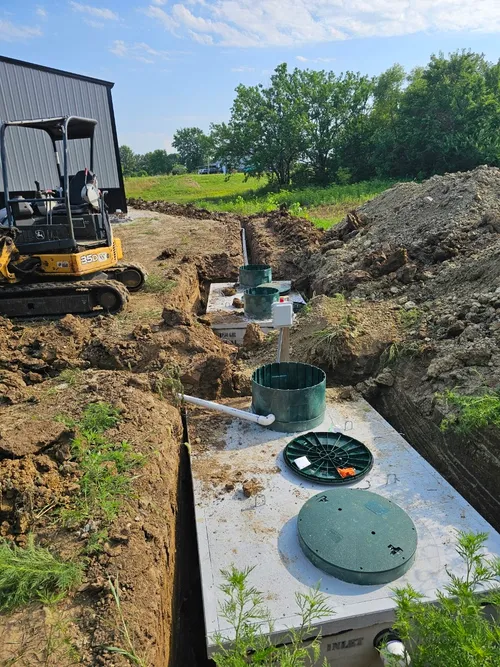
Burns Septic And Excavation
Kansas City, MO
Burns Septic And Excavation is a septic system repair and installation company based in Kansas City, MO. They provide services including new septic system installations, septic tank replacements, and drain field repair or replacement. The company serves multiple counties in Missouri and Kansas, such as Cass, Johnson, Lafayette, and Jackson counties. Their capabilities include both lateral (drain field) replacements and preventative maintenance to support septic system health.

KCS, LLC
Kansas City, MO
KCS, LLC is a licensed and insured septic tank installation and drain field repair contractor serving Kansas City, MO, and surrounding areas. With over 25 years of experience, they provide comprehensive septic and wastewater solutions including tank replacement, lateral field installation, full system installs, septic engineering design, and septic to sewer conversion. Their expertise extends to water and sewer line installations and repairs, ensuring efficient and compliant septic system performance tailored to local soil and environmental conditions. KCS, LLC is recognized for its specialized knowledge and has been featured on FOX4KC's "KC Experts."
Twin Springs Pump Services
3805 E 187th St, Belton, MO 64012
Twin Springs Pump Services provides septic system pumping, maintenance, installation, inspection, and repair in Kansas City, MO, and surrounding rural areas. They serve several counties including Wyandotte, Johnson, and Miami in Kansas, as well as Cass and Jackson in Missouri. The company holds Missouri Department of Health & Senior Services licenses for installing basic and advanced septic systems and for septic system inspections related to real estate transactions.
Understanding Local Regulations and Permits
Before any excavation begins, securing the proper permits is the first and most critical step. In Blue Springs, all new septic system installations and major replacements require a construction permit from local health authorities 1. This process is not merely a formality; it ensures your planned onsite wastewater treatment system complies with the Missouri Department of Health and Senior Services (DHSS) standards, specifically 19 CSR 20-3.060, which sets the minimum construction standards for the entire state.
The permit application is typically submitted to the City of Blue Springs Community Development Department. You or your contractor will need to provide detailed plans and specifications for the proposed system, along with the required permit fee. These plans must account for mandatory setback distances from wells, property lines, water sources, and buildings to prevent contamination 2. Governing standards are strict for a reason: a properly permitted and installed system protects your family's health, your neighbor's water supply, and the local environment.
The Critical Role of Soil Evaluation
You cannot design a septic system without first understanding the land it will be built on. A mandatory soil evaluation, often called a percolation or "perc" test, must be completed by a certified soil scientist or professional inspector3. This test measures the soil's absorption capacity-how quickly water drains through it at your specific site.
The results of this evaluation are paramount. They determine:
- System Type: Whether a standard trench system is suitable or if a more advanced system like a mound or sand filter is needed due to slow-draining soils or a high water table.
- Drain Field Size: The absorption area required is directly based on soil permeability and household wastewater flow estimates.
- Overall Design: The entire system layout, from tank placement to lateral line configuration, hinges on the site's soil characteristics 4.
Skipping or failing this step can lead to a system design that is doomed to fail, resulting in costly repairs, environmental issues, and potential legal liabilities.
The Installation Process: Step-by-Step
A successful septic system project follows a clear sequence of events, with inspections at key milestones.
- Pre-Installation Planning & Design: After the soil evaluation, a system is designed to meet both the site conditions and your household's needs. This design is submitted as part of the permit application for approval5.
- Excavation & Tank Placement: Once permitted, excavation begins for the septic tank and drain field. The tank must be placed on a stable base and leveled precisely.
- Pipe & Drain Field Construction: The network of pipes leading from the house to the tank and from the tank to the distribution box and lateral lines in the drain field is installed. The drain field must be constructed according to the approved design, using specific materials like gravel and distribution piping.
- Connection & Backfilling: All connections are made, and the system is carefully backfilled, often with specific materials to protect the components.
Find the perfect septic tank installation & replacement contractors for your needs
Get personalized recommendations and expert advice
Mandatory Inspections for Compliance
You cannot simply cover up a newly installed tank and lines. Inspection by a City of Blue Springs inspector is mandatory at specific stages. These typically include:
- Pre-Covering Inspection: Before the tank and drain field trenches are backfilled, an inspector must check the installation for proper placement, depth, connections, and construction quality6.
- Final Inspection: After the system is fully installed and covered, a final inspection ensures everything complies with the approved plan and all code standards are met 7.
Passing these inspections is required to receive final approval for the system to be placed into operation. Your installer should coordinate these inspections.
Cost Considerations for Installation & Replacement
The cost of a new septic system in Blue Springs can vary widely based on several factors. For a standard residential system, you can generally expect an investment between $4,000 and $10,000 or more8 9. Key factors influencing the price include:
- System Type and Size: A conventional gravity-fed system is typically less expensive than an engineered alternative like a mound system, which requires additional sand and pumping components.
- Site Conditions: Difficult terrain, rocky soil, or the need for extensive excavation or clearing will increase labor and equipment costs.
- Tank Material: Concrete tanks are common and durable, while plastic or fiberglass tanks may have different cost points.
- Permit Fees: These are separate from installation costs and must be paid to the local authority. The fee schedule can vary, so contacting the Blue Springs Community Development Department for current rates is advised.
When replacing a failed system, costs can be higher if the old tank must be removed or if the new system requires a completely different location or design.
Choosing a System for Replacement
If you're replacing an old or failing system, you have options. Sometimes, a like-for-like replacement is possible if the existing drain field is still viable. More often, replacement involves installing a completely new system, potentially in a new location on your property. Modern systems are more efficient and may offer solutions for challenging sites that weren't available decades ago. A professional assessment of your failed system and a new soil evaluation will determine the best replacement path forward.
Maintaining Your New Investment
A new septic system is a major asset. Protecting that investment starts the day it's activated. Proper maintenance includes regular pumping of the tank (typically every 3-5 years), conserving water to avoid overloading the drain field, and avoiding flushing harmful chemicals or non-biodegradable materials. The Missouri DHSS provides an excellent owner's manual that outlines these crucial maintenance steps10. A well-maintained system can last for decades, making the initial installation cost a wise long-term investment for your Blue Springs property.
Frequently asked questions
Sources
Footnotes
-
OWTS Construction Permit Application Process - https://health.mo.gov/living/environment/onsite/permitprocess.html ↩
-
Installing a New Septic System on Your Property - https://westcoastsanitationinc.com/installing-a-new-septic-system-on-your-property/ ↩
-
Septic Tank/Absorption Field Systems: A Homeowner's Guide to ... - https://extension.missouri.edu/publications/eq401 ↩
-
Jefferson County, MO Site Evaluation and Requirements - https://ecode360.com/27891910 ↩
-
Septic System Planning Guide: Pre-Building Factors - https://www.lanikseptic.com/how-to-plan-a-septic-system/ ↩
-
Lincoln County Health Department Office of Environmental ... - https://static1.squarespace.com/static/59f74e33692ebe4773f47551/t/6630f956961e6c72e2521853/1714485590397/Onsite%2BOrdinance%2B1995-12%2BRevisions%2B1999.pdf ↩
-
Wastewater Expert's Guide to Septic Tank Installation - https://taylex.com.au/septic-tank-installation/ ↩
-
Article II: Private Sewage Disposal Systems - eCode360 - https://ecode360.com/28254102 ↩
-
Onsite Wastewater Treatment Systems Manual ... - EPA - https://www.epa.gov/sites/default/files/2015-06/documents/2004_07_07_septics_septic_2002_osdm_all.pdf ↩
-
An Onsite Wastewater Treatment System Owner's Manual - https://health.mo.gov/living/environment/onsite/pdf/SystemOwnersManual.pdf ↩