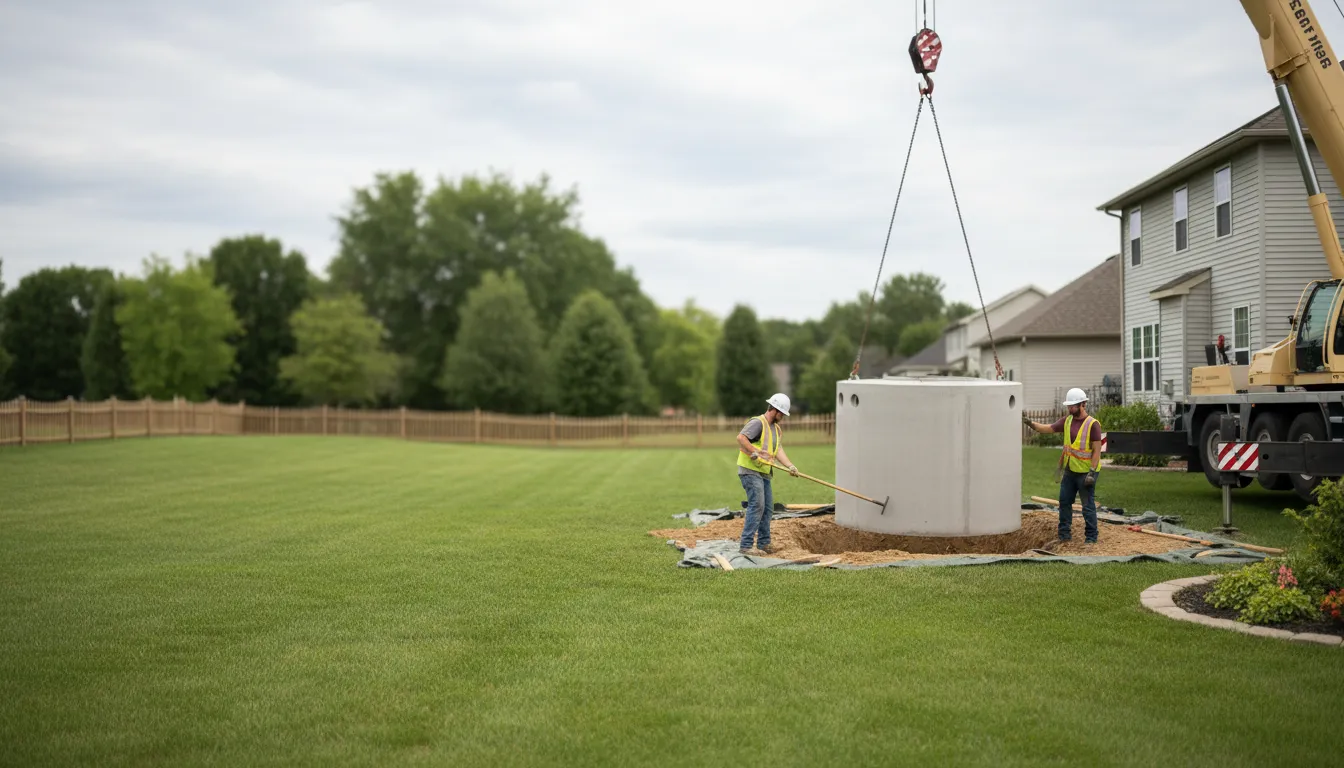
Find the Best Septic Tank Installation & Replacement Contractors for Your Business
No obligation • Fast responses • Nationwide coverage

Why you can trust Septic Spot
Septic Spot is a leading United States resource for understanding and comparing septic services. Our editors review providers using consistent criteria and verify key business details. Listings and scores are independent, and companies cannot pay to influence our content.
Search providers near you
Top Septic Tank Installation & Replacement Contractors in Chesterfield, Missouri Ranked
Installing or replacing a septic system is a significant home improvement project that ensures the safe and efficient treatment of household wastewater. For properties in Chesterfield not connected to a municipal sewer line, a properly designed and permitted onsite wastewater treatment system (OWTS) is essential for protecting your property value, your family's health, and the local environment. This guide provides a detailed overview of the process, regulations, and key considerations for septic system work in Chesterfield, helping you understand what's involved in finding qualified local professionals for your project.

Shults Septic Service, LLC
5656 Saxtown Rd, Millstadt, IL 62260
Shults Septic Service, LLC is a locally owned company based near St Louis, MO, specializing in septic system design, installation, inspection, and repair. They provide customized solutions tailored to each customer's specific septic needs and offer service and maintenance agreements to help keep systems functioning properly. Their team focuses on identifying problems accurately and delivering appropriate services to address them.
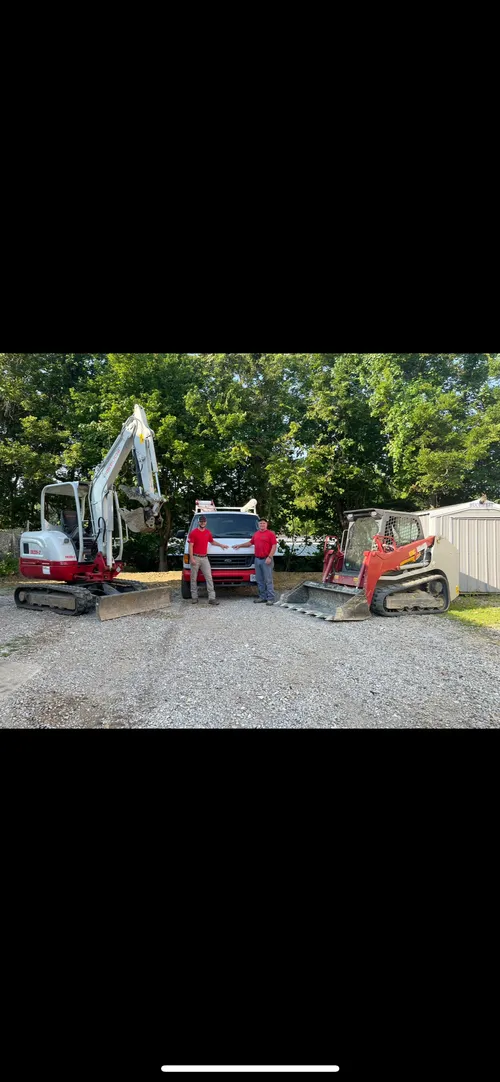
Bob Mahoney Plumbing and Excavating
699 Biltmore Dr, Fenton, MO 63026
Bob Mahoney Plumbing and Excavating is a licensed plumbing and excavation company based in St Louis, MO. They offer a range of services including septic system design, installation, inspections, and maintenance, as well as sewer drain cleaning and general plumbing repairs. The company serves several Missouri communities including Arnold, Festus, Desoto, Barnhart, Fenton, Imperial, and Hillsboro. Their excavation services support new construction and septic installations with professional-grade equipment and experienced operators. Bob Mahoney Plumbing and Excavating emphasizes comprehensive solutions and community-focused service.
Understanding Local Septic System Regulations
In Chesterfield, all septic system installations and major repairs are regulated by the St. Louis County Department of Health, which is authorized by the Missouri Department of Health and Senior Services (DHSS). The process is governed by Missouri state code, specifically 19 CSR 20-3.060, which outlines strict requirements for onsite wastewater systems. A fundamental rule is that a construction permit must be issued before any digging or installation begins. This applies to new system installations, complete replacements, and significant repairs on most properties, especially those under three acres.
The permitting process is designed to ensure systems are built correctly and safely. Key regulatory focuses include maintaining mandatory setback distances from various features to prevent contamination. For example, systems must typically be at least 10 feet from property lines and water lines, 50 to 100 feet from private water wells, and 50 to 500 feet from sinkholes or other geologic hazards 1 2. It's important to note that local regulations in Chesterfield can sometimes be more restrictive than the state minimums, so verifying requirements directly with the St. Louis County Health Department is a critical first step 1.
The Permit Application and Design Process
Securing a permit is a multi-step process that begins with a professional evaluation of your property. You cannot simply choose a tank and start digging. The cornerstone of the design is a soil morphology study. This is a detailed analysis conducted by a qualified soil scientist or engineer to evaluate the soil's texture, structure, and depth to determine its ability to treat and absorb wastewater effluent. This has largely replaced the older "perc test" as it provides a more comprehensive understanding of site suitability 3.
The findings from this study directly dictate the type of wastewater system your property can support. A property with deep, permeable soil may be suitable for a conventional lateral drain field. However, sites with high groundwater, shallow bedrock, or dense clay soils will require an engineered system, such as a sand filter, low-pressure pipe (LPP) system, or a mound system 4 5. The permit application submitted to the county must include the site plan, the soil morphology report, and the engineered design for the proposed system, along with the required fees 6.
Installation Inspections and System Types
Once a permit is granted, the physical installation begins. The St. Louis County Health Department requires multiple inspections during construction to ensure compliance with the approved plans 7. A pre-construction or design inspection may evaluate the staked-out site. An installation inspection is mandatory to check the placement of the septic tank, distribution box, and piping before they are covered with soil. Finally, a final inspection provides a walkthrough to confirm the entire system is installed according to code and the submitted design 7.
The type of system installed is the primary driver of overall project complexity and cost. Here's a brief overview of common system types relevant to the Chesterfield area:
- Conventional Systems: These consist of a septic tank and a subsurface trench or bed drain field. They are the most cost-effective option but require suitable soil conditions.
- Engineered Systems: These are necessary when site conditions are less than ideal. Examples include:
- Mound Systems: An elevated drain field constructed with sand and gravel above the natural soil.
- Sand Filter Systems: Wastewater is pumped through a sand bed for advanced treatment before dispersal.
- Aerobic Treatment Units (ATUs): These systems use oxygen to break down waste more thoroughly, often used where a smaller drain field is needed.
Find the perfect septic tank installation & replacement contractors for your needs
Get personalized recommendations and expert advice
Cost Considerations for Installation and Replacement
The total investment for a new septic system or a full system replacement in Chesterfield varies widely based on the system type, property conditions, and tank size. Generally, costs can range from $3,000 to over $10,000 8 9. For a standard conventional system replacement, homeowners often see costs in the range of $3,000 to $7,000 9. The tank itself is a significant component; a 1,000 to 1,500-gallon concrete or plastic septic tank typically costs between $900 and $3,000 for the unit alone 8.
It's crucial to understand that engineered systems (like mounds or sand filters) are inherently more expensive due to the additional materials, complex design, and specialized construction required. When evaluating quotes from local installers, ensure they are based on the completed soil morphology report and engineered design. The lowest bid may not account for the specific, permitted system your property legally requires.
Choosing a Qualified Installation Professional
Selecting the right contractor is paramount for a successful, code-compliant installation. Look for licensed, insured professionals with extensive experience specifically in the St. Louis County area. They should be thoroughly familiar with local health department procedures and inspectors. A reputable installer will handle or closely guide you through the entire permit process, from coordinating the soil test to submitting the design. They should provide clear, detailed contracts outlining the scope of work, the specific system to be installed (as per the approved permit), the project timeline, payment schedule, and warranty information. Always check references and verify their standing with the local health department.
Long-Term Care After Installation
A new septic system is a long-term investment that requires proper maintenance to function for its intended lifespan. After installation, the homeowner is responsible for its care. This includes regular pumping of the septic tank (typically every 3-5 years, depending on usage), conserving water to avoid overloading the system, and avoiding flushing harmful chemicals or non-biodegradable materials. Protect the drain field area by never driving or parking heavy vehicles over it and planting only grass or shallow-rooted plants above it. Keeping detailed records of inspections, pumping, and any repairs will be valuable for future maintenance and if you ever sell your property.
Frequently asked questions
Sources
Footnotes
-
Onsite Wastewater Treatment | Health & Senior Services - https://health.mo.gov/living/environment/onsite/ ↩ ↩2
-
Frequently Asked Questions | Onsite Wastewater Treatment - https://health.mo.gov/living/environment/onsite/faqs.php ↩
-
P8462 OSS Procedure for Evaluations, Design Review, Permits - https://www.co.cowlitz.wa.us/DocumentCenter/View/19044/8430-OSS-Procedure-for-Evaluations-Design-Review-Permits ↩
-
Sewage Program - Platte County Health Department - https://www.plattecountyhealthdept.com/environmental-health/page/sewage-program ↩
-
MF2831 Onsite Wastewater Systems - Overview - https://bookstore.ksre.ksu.edu/pubs/onsite-wastewater-systems-overview_MF2831.pdf ↩
-
OWTS Construction Permit Application Process - https://health.mo.gov/living/environment/onsite/permitprocess.html ↩
-
An Onsite Wastewater Treatment System Owner's Manual - https://health.mo.gov/living/environment/onsite/pdf/SystemOwnersManual.pdf ↩ ↩2
-
Illicit Discharge Detection and Elimination - Denton County - https://www.dentoncounty.gov/DocumentCenter/View/1638/Illicit-Discharge-PDF ↩ ↩2
-
How Much Does It Cost To Install a Septic System in St. Louis, MO? | Angi - https://www.angi.com/articles/what-does-it-cost-install-septic-system/mo/st-louis ↩ ↩2