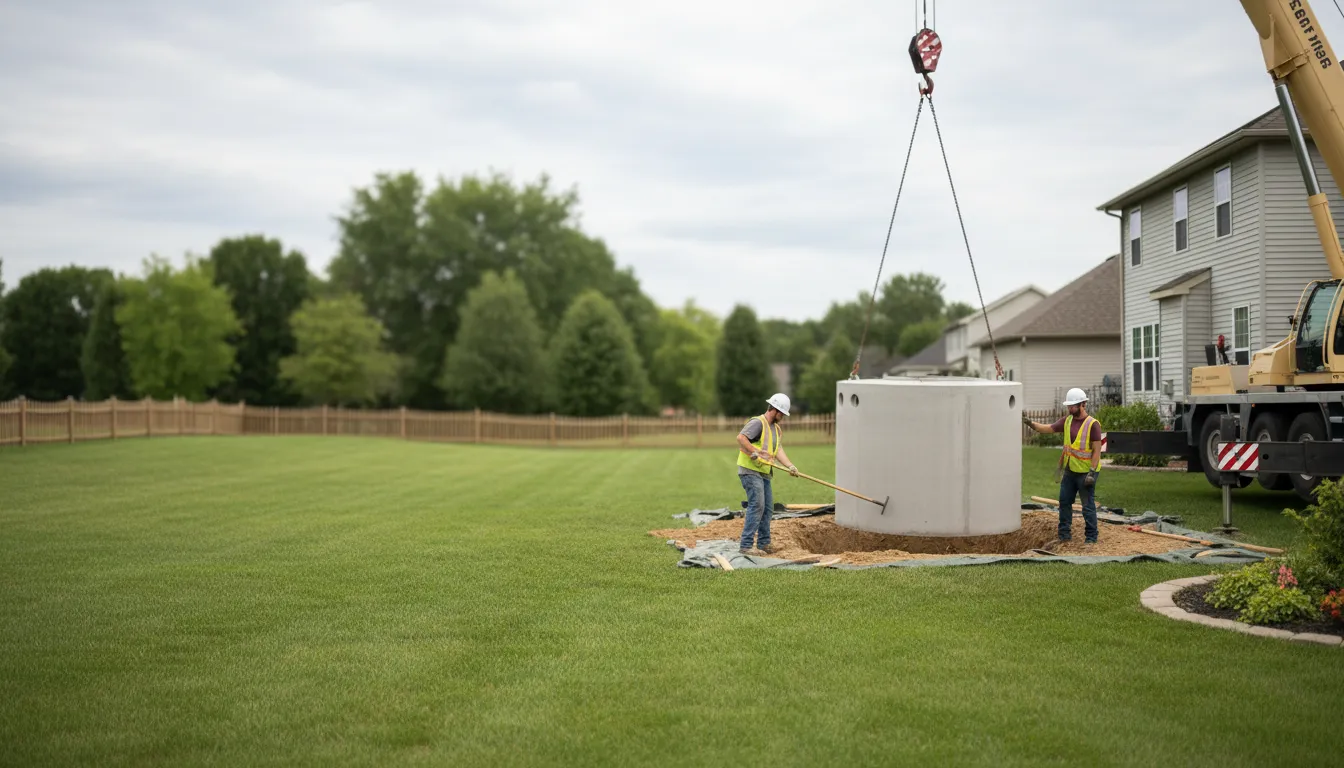
Find the Best Septic Tank Installation & Replacement Contractors for Your Business
No obligation • Fast responses • Nationwide coverage

Why you can trust Septic Spot
Septic Spot is a leading United States resource for understanding and comparing septic services. Our editors review providers using consistent criteria and verify key business details. Listings and scores are independent, and companies cannot pay to influence our content.
Search providers near you
Top Septic Tank Installation & Replacement Contractors in Lees Summit, Missouri Ranked
Installing or replacing a septic system is a significant home infrastructure project that requires careful planning, professional expertise, and adherence to strict local regulations. For homeowners in Lees Summit, this process is governed by the Jackson County Health Department and Missouri state standards to ensure public health and environmental safety. This guide explains the critical steps, from soil testing to final inspection, and helps you understand how to connect with qualified local professionals who can navigate the permitting and installation process for you.
Apex Underground - Sewer & Septic
1006 W Foxwood Dr, Raymore, MO 64083
Apex Underground - Sewer & Septic is a septic system repair and installation company serving Kansas City, MO, and surrounding areas. With over 25 years of experience, they provide commercial and residential septic, sewer, and underground utility services including soil morphology, engineered septic system designs, repairs, and tank replacements. Their licensed team handles complex installations and emergency repairs to maintain the reliability and structural integrity of septic and sewer systems.
Integrity Excavation
28008 E 239th St, Harrisonville, MO 64701
Integrity Excavation is a septic system repair and installation company based near Kansas City, MO. They provide licensed septic services including installation, repairs, maintenance, and soil test coordination. The company also offers professional excavation services such as driveway and trench excavation, site preparation, grading, and land leveling for construction projects. Integrity Excavation serves Harrisonville and surrounding communities, focusing on earthwork and septic solutions with an emphasis on precision and client communication.
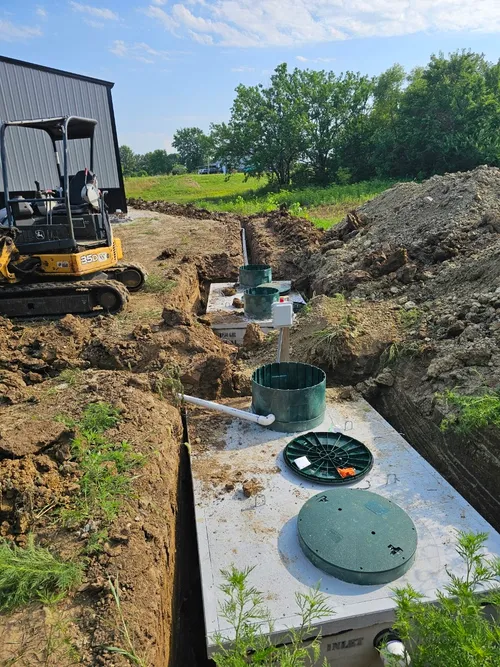
Burns Septic And Excavation
Kansas City, MO
Burns Septic And Excavation is a septic system repair and installation company based in Kansas City, MO. They provide services including new septic system installations, septic tank replacements, and drain field repair or replacement. The company serves multiple counties in Missouri and Kansas, such as Cass, Johnson, Lafayette, and Jackson counties. Their capabilities include both lateral (drain field) replacements and preventative maintenance to support septic system health.
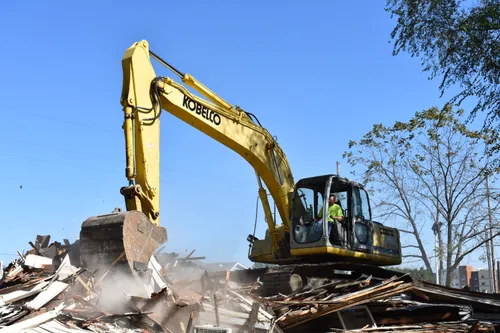
Richter Excavating & Plumbing LLC
Kansas City, MO
Richter Excavating & Plumbing LLC is a locally owned company serving Kansas City, MO, and nearby areas including Warrensburg, Knob Noster, and Centerview. They specialize in residential and commercial excavation, plumbing repair and installation, as well as septic tank installation and repair. With over 30 years of experience, they are licensed, insured, bonded, and certified, offering warranties on their work. Their expertise includes handling complex plumbing issues such as sewer line repairs and drainage solutions.

KCS, LLC
Kansas City, MO
KCS, LLC is a licensed and insured septic tank installation and drain field repair contractor serving Kansas City, MO, and surrounding areas. With over 25 years of experience, they provide comprehensive septic and wastewater solutions including tank replacement, lateral field installation, full system installs, septic engineering design, and septic to sewer conversion. Their expertise extends to water and sewer line installations and repairs, ensuring efficient and compliant septic system performance tailored to local soil and environmental conditions. KCS, LLC is recognized for its specialized knowledge and has been featured on FOX4KC's "KC Experts."
Understanding Septic System Basics
A septic system, or onsite wastewater treatment system, is a self-contained, underground method for treating household sewage. When you install a new septic tank or replace an old one, you're investing in a crucial component of your property's infrastructure. The system typically consists of a watertight tank that collects solids and a drain field (or leach field) where liquid effluent is filtered through the soil. Proper installation is paramount; a failing system can lead to costly repairs, environmental contamination, and health hazards.
The Regulatory Landscape in Jackson County
All new septic system installations and major replacements in Lees Summit require a permit from the Jackson County Health Department, following regulations set by the Missouri Department of Health and Senior Services (DHSS). You cannot legally begin construction without this permit. The process is designed to ensure the system is appropriately sized for your household and installed on suitable soil, protecting both your property and the local groundwater. The regulations mandate that system design be completed by a qualified professional-a registered engineer, geologist, or licensed installer-based on a certified site evaluation.
The Permit Application Process
The journey to a new septic system begins with paperwork. Your chosen installer will typically manage the permit application, which includes submitting the professional site evaluation and system design plans for approval. Key steps include:
- Professional Design Submission: A system design, created by a qualified professional, must be submitted to the health department.
- Fee Payment: Permit and plan review fees are required. Contractor registration fees, if applicable, can range from $200 to $600 1.
- Approval Wait Time: No construction can start until the permit is officially approved by the county 2 3.
The Critical Role of Soil Evaluation (Percolation Tests)
Before any design can be finalized, a soil evaluation-commonly called a percolation or "perc" test-is mandatory. This test determines the soil's suitability by measuring how quickly water drains through it (the percolation rate). The results directly influence the size and type of drain field needed.
- Who Can Perform the Test: In Missouri, only registered engineers, geologists, or certified soil scientists are authorized to conduct official perc tests.
- Passing Standards: For a conventional system, the soil must typically have a percolation rate between 10 and 60 minutes per inch. Rates outside this range may require a more advanced (and often more expensive) alternative system.
- Site Suitability: The test also evaluates factors like soil depth to bedrock or water table, slope, and overall landscape position.
A Step-by-Step Installation Timeline
From permit to completion, installing a septic system is a multi-stage process with required inspections at each phase.
- Site Inspection & Permit Approval: After the perc test and design are completed, the county reviews and approves the permit.
- Excavation & Tank Placement: The installer excavates the area for the septic tank and drain field. A standard 1,000-gallon septic tank itself may cost between $500 and $900 for the unit 4.
- Construction Inspection: Before the tank and distribution lines are covered with soil, a county inspector or a certified third-party inspector must examine the installation to verify it matches the approved design 5.
- Final Inspection and Backfill: Once the construction inspection passes, the system can be backfilled. A final inspection is conducted to ensure everything is complete and operational 6.
Find the perfect septic tank installation & replacement contractors for your needs
Get personalized recommendations and expert advice
Cost Considerations for Installation and Replacement
The total cost for a new septic system installation or a full system replacement in Lees Summit can be substantial, often exceeding $10,000. This is a significant investment that covers the tank, drain field, labor, engineering, permitting, and inspections. Several factors influence the final price:
- System Size and Type: A larger home requires a larger tank and drain field. Non-standard soil conditions may necessitate a more complex alternative system, increasing costs.
- Site Conditions: Easy access, flat terrain, and clear land keep costs down. Rocky soil, steep slopes, or limited space can complicate excavation and raise prices.
- Component Costs: As noted, the tank is one part of the equation. The drain field (absorption field) materials, piping, and gravel represent a major portion of the expense.
- Professional Services: Fees for the soil scientist, design engineer, and installer all contribute to the total.
It's important to budget not just for installation but for ongoing maintenance, which typically costs $200 to $500 per year for routine inspections and periodic pumping 7.
Choosing a Qualified Installation Professional
Given the complexity and regulatory hurdles, selecting the right contractor is the most important decision you'll make. Look for professionals who are licensed to work in Jackson County and have extensive experience with the local health department's processes. They should be able to clearly explain the permitting timeline, coordinate all necessary inspections, and provide a detailed, written estimate. A reputable installer will handle the entire process from the initial site evaluation to filing for the final inspection certificate.
Planning for System Replacement
If you're replacing an existing failing system, the process includes additional steps. The old tank must be properly pumped out and either removed or collapsed and filled in place according to county regulations. The site for the new drain field may need to be in a different location than the old one, depending on soil conditions and space availability. A full system replacement follows the same permit and inspection protocol as a new installation but may involve additional costs for demolition and disposal.
Maintenance: Protecting Your Investment
After your new septic system is installed, proper maintenance is key to longevity. The Missouri DHSS recommends regular inspections and pumping every 3 to 5 years, depending on usage. Avoid pouring grease, chemicals, or non-biodegradable items down the drain, and be mindful of water usage. Protecting your drain field from compaction by vehicles or heavy structures is also crucial. A well-maintained system can last for decades, making the initial investment worthwhile.
Disclaimer: Regulations and fees can change. Always verify current requirements directly with the Jackson County Health Department before beginning any septic system project 8.
Frequently asked questions
Sources
Footnotes
-
Missouri Septic License & Certification | 2025 Contractor Guide - https://www.servicetitan.com/licensing/septic/missouri ↩
-
How to Know if You Need a Septic System Permit - Pippin Home Designs - https://www.pippinhomedesigns.com/septic-system-permit/ ↩
-
Septic Tank Plans: A Complete Homeowner's Guide - https://landperc.com/septic-tank-plans-guide/ ↩
-
Residential Septic Tank Pricing | Homeowner's Guide to Costs - https://www.ntotank.com/blog/residential-septic-tank-pricing ↩
-
Do You Need a Permit to Install a Septic Tank? - https://superiorsewersolutions.com/septic/do-you-need-a-permit-to-install-a-septic-tank-guide/ ↩
-
Septic System Install Timeline | RCI Septic Service - https://www.rciseptic.com/complete-step-by-step-timeline-septic-system-installation-from-permit-to-finish ↩
-
An Onsite Wastewater Treatment System Owner's Manual - https://health.mo.gov/living/environment/onsite/pdf/SystemOwnersManual.pdf ↩
-
Septic Tank/Absorption Field Systems: A Homeowner's Guide ... - https://extension.missouri.edu/publications/eq401 ↩