
Find the Best Septic Tank Installation & Replacement Contractors for Your Business
No obligation • Fast responses • Nationwide coverage

Why you can trust Septic Spot
Septic Spot is a leading United States resource for understanding and comparing septic services. Our editors review providers using consistent criteria and verify key business details. Listings and scores are independent, and companies cannot pay to influence our content.
Search providers near you
Top Septic Tank Installation & Replacement Contractors in Billings, Montana Ranked
Installing or replacing a septic system is a significant investment in your property's long-term functionality and environmental health. For homes and businesses in Billings and Yellowstone County, this process is governed by specific local and state regulations to protect groundwater and public safety. This guide explains the key steps, costs, and regulatory requirements for septic system work, helping you navigate the process from initial soil testing to final inspection with confidence.
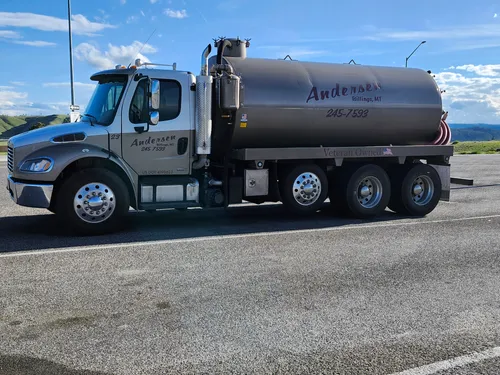
Andersen Sewer Service
7371 Kylee Sue Dr, Shepherd, MT 59079
Andersen Sewer Service is a veteran-owned, family-operated company providing septic system pumping, repair, and installation services in Billings, MT. They serve both residential and commercial clients across south-central Montana, including grease trap maintenance and emergency septic services. With over 40 years of combined experience, Andersen Sewer Service offers thorough assessments and repairs tailored to Montana's unique soil and climate conditions. The team emphasizes clear communication and practical solutions to maintain system health and prevent disruptions.
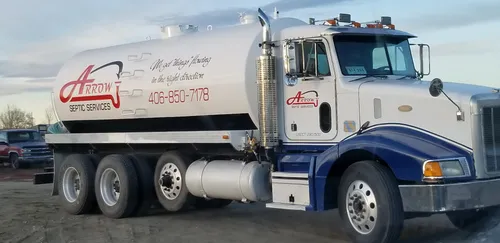
Arrow Septic and Sewer Services, LLC
8105 Hofferber Rd, Shepherd, MT 59079
Arrow Septic and Sewer Services, LLC provides a range of septic system services in Billings, MT, and surrounding areas including Shepherd, Red Lodge, Lockwood, and more. The company offers septic tank installation, pumping, grease trap pumping, drain field repair and replacement, septic tank filter cleaning, and porta-potty rentals. They serve both residential and commercial clients and provide 24/7 availability including same-day, evening, weekend, and emergency services. Their expertise includes comprehensive drain field services to address septic system seepage issues. Arrow Septic and Sewer Services also covers multiple counties such as Yellowstone, Musselshell, and Carbon. Serving a broad region around Billings, the company emphasizes maintaining septic systems to extend their lifespan and prevent costly repairs. They focus on protecting water supplies from contamination by providing professional septic maintenance and repair solutions.
Schessler Excavation and Septic
230 Lois Pl, Laurel, MT 59044
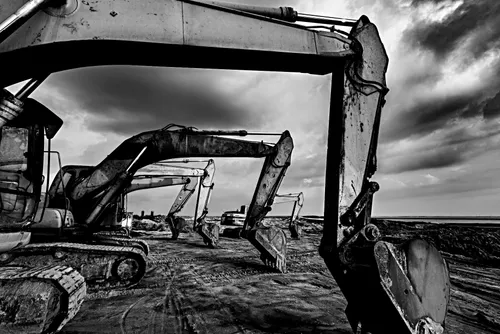
Schessler Excavation and Septic is a family-owned company serving Billings, MT, and nearby communities. They specialize in septic system design, installation, inspection, and repair, along with excavation and site preparation for residential properties. Their services include septic tank and sewage pump replacement, foundation excavation, cistern installation, road and pad building, and hydro excavation. With over 65 years of experience, they offer a range of equipment services such as skid steer, dump truck, loader, dozer, and road grader operations to support various residential projects.
Understanding the Regulatory Landscape in Yellowstone County
All septic system installations, replacements, and major repairs in Billings require permits and oversight from RiverStone Health Environmental Health Services, which enforces standards set by the Montana Department of Environmental Quality (DEQ). The primary goal of this regulatory framework is to ensure that wastewater is treated safely, preventing contamination of groundwater-a critical resource in Montana. Whether you're building a new home on unimproved land or replacing a failing drain field, your project must start with the proper county and health department approvals.
The permitting process is designed to verify that your property is suitable for an on-site wastewater treatment system. This involves confirming the property address, ensuring it is not in a designated floodplain, and initiating the official permit tracking through the Yellowstone County Courthouse. Skipping these steps can lead to costly fines, mandatory system removal, or an inability to obtain a certificate of occupancy for a new building.
The First Critical Step: Site Evaluation and Soil Testing
Before any design work can begin, a professional site evaluation must be conducted. The cornerstone of this evaluation is a soil percolation test (often called a perc test) 1. This test measures the soil's absorption rate, determining how quickly water drains through the native soil. The results are non-negotiable; they dictate the type and size of the leach field your property can support.
A licensed soil scientist or sanitarian typically performs the test by digging deep observation pits or conducting specific percolation measurements. The findings will classify your soil and determine if a standard conventional septic system is viable or if an alternative system (like an aerobic treatment unit or mound system) is required due to slow-draining soils, high bedrock, or a high water table 2. This soil analysis is a mandatory part of the permit application packet submitted to RiverStone Health.
Navigating the Permit Application Process
Once you have your soil test results, the formal permit application process begins. For a new septic tank installation, you must first verify that the Montana DEQ has approved the property for an on-site system. You then obtain a Permit Tracking Sheet from the Yellowstone County Courthouse (Room 305) to confirm your address and floodplain status.
Your complete application to RiverStone Health will include:
- The completed Permit Tracking Sheet.
- A detailed site plan showing the proposed location of the tank, drainfield, and all required setbacks from wells, property lines, water bodies, and structures.
- The applicable fees.
- The soil analysis report.
For septic system replacement projects, the process involves a repair application. It is highly recommended to involve a licensed septic installer early in this process, as their expertise in designing a solution that meets current codes for your specific site conditions is invaluable.
Key Design Standards and Setback Requirements
System design in Montana follows general guidelines based on household size. A standard home with 2-4 bedrooms typically requires a septic tank with a capacity of 1,000 to 2,000 gallons. However, the drainfield's size is directly determined by the soil's percolation rate.
Setbacks are legally required distances that the system components must maintain from other features:
- Drainfields must generally be at least 100 feet from any existing water well3.
- Systems must be placed outside of floodplains.
- Specific distances from buildings, property lines, and streams also apply.
Your installer and the RiverStone Health sanitarian will ensure your design complies with all these installation requirements.
Installation: From Excavation to Final Inspection
With permit in hand, a licensed excavation and septic service company can begin the physical work. For a standard anaerobic system, this involves excavating for the tank (often concrete or plastic) and the extensive network of perforated pipes in the gravel-filled drainfield trenches.
A critical and mandatory step occurs once the tank is set and the drainfield pipes are laid but before they are backfilled with soil. You must schedule a final inspection with a RiverStone Health sanitarian. The sanitarian will verify that the installation matches the approved design, that all components are properly placed, and that the workmanship meets code.
Upon passing inspection, the installer has 10 days to submit a completed installer's report to the health department. Only then will the sanitarian issue the final permit, officially closing out the project 4. Never allow an installer to bury the system before this inspection, as it can result in orders to excavate for viewing.
Find the perfect septic tank installation & replacement contractors for your needs
Get personalized recommendations and expert advice
Cost Considerations for Septic System Projects in Billings
The cost of a new septic system installation or a complete system replacement in the Billings area varies widely based on soil conditions, system type, and property accessibility. It's one of the most significant factors homeowners consider.
- Standard Conventional System: For properties with suitable soil, a standard anaerobic system with a concrete tank typically ranges from $3,000 to $8,000 or more for the installation.
- Advanced/Alternative Systems: If your soil requires an aerobic treatment unit (ATU), mound system, or other engineered solution, costs can rise significantly, often ranging from $10,000 to $18,000 or higher5.
- Replacement Projects: Costs for replacing just a tank or a drainfield can be lower than a full new install, and permit fees for repairs/replacements may be reduced when handled through a certified installer6 7.
These are installation costs and generally do not include the initial soil testing, permit fees, or engineering design fees for complex systems. Always obtain detailed, written estimates from multiple licensed septic contractors.
Choosing a Qualified Septic Installation Professional
Selecting the right contractor is paramount. Look for a company licensed in Montana with extensive local experience in Yellowstone County. They should be familiar with RiverStone Health inspectors and processes. Ask for references from recent jobs and verify they carry proper insurance. A reputable septic system installer will handle much of the permit paperwork and coordination with the health department, making the process far smoother for you. They should also provide clear guidance on long-term maintenance, which is essential for protecting your investment.
Maintaining Your New or Replacement System
A properly installed system is just the beginning. Regular septic tank pumping (typically every 3-5 years) and conscientious water use are required to prevent premature drainfield failure. Avoid flushing non-biodegradable materials and pouring harsh chemicals down the drain. Protect the drainfield area from vehicle traffic and root intrusion. Many system failures are due to neglect, not faulty installation8. Consider a maintenance contract with your installer to ensure your system is serviced on schedule.
Frequently asked questions
Sources
Footnotes
-
Perc Test for Septic System: A Complete Guide - https://landperc.com/perc-test-for-septic-system/ ↩
-
Septic Tank Installation Requirements - Angie's List - https://www.angi.com/articles/complete-septic-installation-checklist.htm ↩
-
Septic Systems - Living on the Bank - https://livingonthebank.com/buying-land-and-selecting-construction-site/septic-systems/ ↩
-
Outline of Septic System Permitting Process - https://centralmontanahealthdistrict.org/images/health/septic/Outline%20of%20Septic%20System%20Process.pdf ↩
-
How Much Does Septic Tank Installation Cost? - https://rhino-vet.com/f/how-much-does-septic-tank-installation-cost ↩
-
Septic Permits + Subdivision Review - RiverStone Health - https://riverstonehealth.org/inspections-permits/septic-permits-subdivision-review/ ↩
-
Septic System Installation Checklist - https://www.mecindustries.com/morse-engineering-and-construction-industries/septic-system-installation-checklist ↩
-
Septic Tank Inspection and Trouble-Shooting - Cascade County - https://www.cascadecountymt.gov/DocumentCenter/View/762/MSU-Extension-Guide-for-Septic-Tank-Inspection-and-Trouble-Shooting-PDF ↩