Find the Best Septic Tank Installation & Replacement Contractors for Your Business
No obligation • Fast responses • Nationwide coverage

Why you can trust Septic Spot
Septic Spot is a leading United States resource for understanding and comparing septic services. Our editors review providers using consistent criteria and verify key business details. Listings and scores are independent, and companies cannot pay to influence our content.
Search providers near you
Top Septic Tank Installation & Replacement Contractors in Burlington, North Carolina Ranked
Installing or replacing a septic system is a significant investment in your property's long-term health and value. In Burlington and across Alamance County, this process is governed by specific state and local regulations designed to protect public health and the environment. This guide explains the key steps, costs, and local requirements for septic system installation and septic tank replacement in Burlington, helping you understand what to expect and how to connect with qualified, certified professionals for the job.
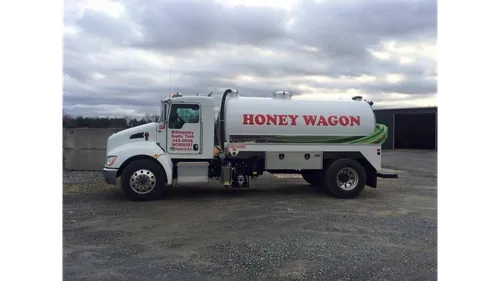
Billingsley & Brooks Septic Tank Co
149 Penn Rd, Reidsville, NC 27320
Billingsley & Brooks Septic Tank Co is a family-owned and veteran-operated business serving Greensboro, NC, with over three generations of experience in septic system services. They provide a full range of septic solutions including pumping, inspection, maintenance, locating, repair, and installation for both residential and commercial properties. Their team uses advanced tools and quality materials to ensure septic systems operate efficiently and reliably. The company emphasizes a customer-focused approach and offers specialized services such as septic tank locating and comprehensive inspections to help prevent major issues.
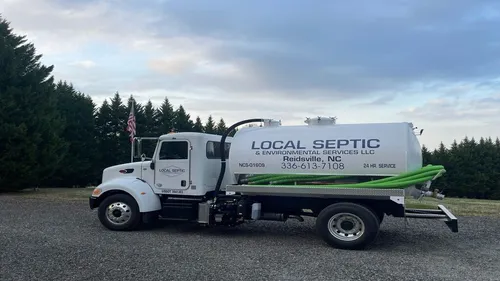
Local Septic & Environmental Services LLC
Winston Salem, NC
Local Septic & Environmental Services LLC is a family-owned septic company serving Winston Salem, NC, and surrounding counties. They provide a full range of septic services including tank pumping, inspections, repairs, new system installations, and drain field replacements. The company uses advanced inspection tools and modern excavation equipment to diagnose and address septic issues accurately. With decades of experience, Local Septic offers emergency services to handle urgent septic problems beyond regular business hours.
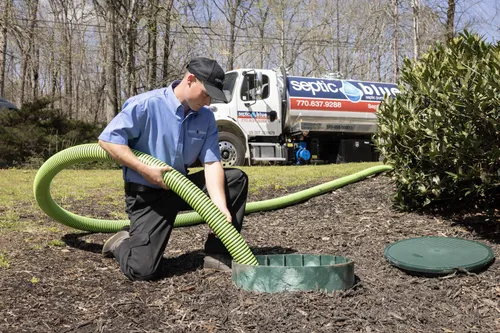
Septic Blue of Burlington
1803 N Jim Minor Rd, Haw River, NC 27258
Septic Blue of Burlington provides septic tank pumping, inspection, repair, and installation services in Greensboro, NC. They offer emergency septic pumping and routine maintenance to help prevent system failures and protect property and local ecosystems. Their services include thorough septic cleaning that removes sludge and buildup to maintain system efficiency. Septic Blue emphasizes eco-friendly practices and personalized maintenance schedules based on household size and water usage.
James Septic & Groundworks
Winston Salem, NC
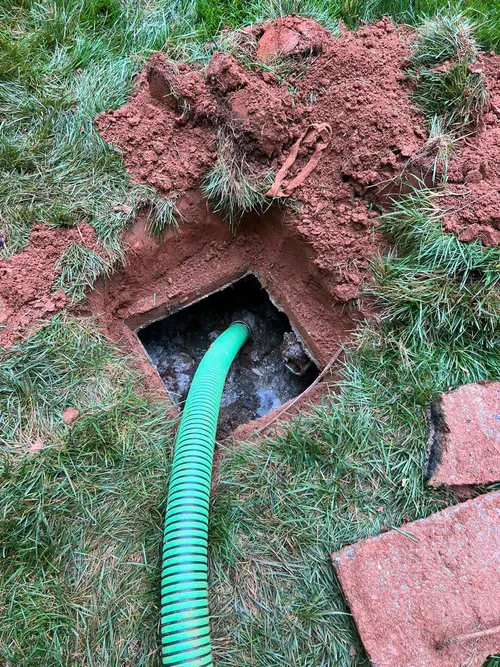
James Septic & Groundworks is a septic tank inspection, installation, and repair company serving Winston Salem, NC, and the broader Piedmont Triad area. With over 30 years of experience, they specialize in evaluating and maintaining septic systems using a unique "Search and Rescue" approach to extend system lifespan and avoid costly replacements. Their services include thorough inspections and tailored solutions to optimize septic system functionality and protect property values.
Clean Septic Tank Services
1048 Jacks Trl, Hillsborough, NC 27278
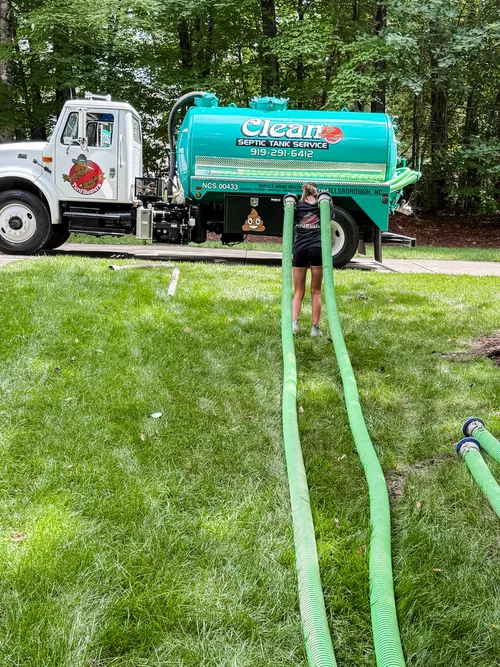
Clean Septic Tank Services is a septic system company based in Durham, NC. They offer a range of services including septic tank pumping, inspections, system installation, and repairs. Their capabilities include certified point of sale septic inspections, root and drain line repairs, riser and filter installations, as well as septic pump and control panel troubleshooting and repair. The company serves residential, farm, and business clients across multiple counties in North Carolina, including Alamance, Durham, Granville, Orange, Person, and Wake. They also provide well water sampling and testing.
Understanding the Local Permit Process
In North Carolina, and specifically in Alamance County, installing a new onsite wastewater system or replacing an old one is not a simple DIY project. It is a regulated process managed by the Alamance County Environmental Health Department. The goal is to ensure systems are properly sited, designed, and constructed to function effectively without contaminating groundwater or surface water.
The journey begins with a permit, but it's not a single document. You'll navigate a three-stage permitting process:
- Improvement Permit (IP): This is the first official step. It confirms that your property has a suitable site for a septic system based on a comprehensive site evaluation. You cannot proceed without this permit.
- Construction Authorization (CA): Once you have an IP and have hired a licensed installer to design your specific system, you apply for the CA. This authorization gives you the green light to begin the physical installation.
- Operation Permit (OP): This is the final, crucial approval. It is issued only after the installed system passes a county inspection. The OP legally allows you to use the new septic system.
Attempting to bypass any of these steps can result in fines, orders to cease work, and the inability to legally occupy or sell your home.
The Critical First Step: The Site Evaluation
Forget the old term "perc test." In North Carolina, the standard is a more thorough soil evaluation conducted by a specialist from the county health department. This evaluation is the foundation of your entire project and determines what type of system you can install and where.
The specialist examines three key factors on your property:
- Soil Texture and Structure: This analysis determines how well water (effluent from the tank) will move through the soil. The right texture is essential for proper treatment.
- Soil Wetness (Seasonal High Water Table): The inspector identifies how high the water table rises during wet seasons. Drainfields must be placed well above this level to function and prevent groundwater contamination.
- Soil Depth: There must be at least 48 inches of suitable soil above any restrictive layer, like bedrock or dense clay. This depth is necessary for adequate wastewater treatment 1.
The outcome of this evaluation will classify your site as "suitable," "provisionally suitable" (with specific conditions), or "not suitable" for a conventional gravity-fed system 2.
Choosing the Right System for Your Property
The results of your soil evaluation directly dictate the type of wastewater system you will need. Costs and complexity vary significantly between types.
- Conventional Gravity System: This is the most common and least expensive option, used on sites with suitable soil, good depth, and a low water table. It relies on gravity to move liquid waste from the tank to a network of pipes in a drainfield. In the Burlington area, installation for a standard 3-bedroom home typically ranges from roughly $3,000 to over $7,000, depending on tank size and site conditions 3.
- Engineered or Alternative Systems: If your soil evaluation reveals challenges like poor drainage, high bedrock, or a high water table, you will likely need an engineered system. These include mound systems, low-pressure pipe (LPP) systems, or aerobic treatment units (ATUs). They are more complex, require pumps and additional components, and consequently are more expensive, often exceeding $10,000 4 5.
- Repair Area Requirement: A critical part of the planning is designating a "repair area" on your property. This is a separate, approved space where a new drainfield can be built if the primary one fails. This requirement is mandatory for most new installations to ensure a long-term solution is available.
Find the perfect septic tank installation & replacement contractors for your needs
Get personalized recommendations and expert advice
The Installation and Inspection Phase
Once you have your Construction Authorization, your hired professional can begin the build. In North Carolina, installation must be performed by a state-certified septic system installer, unless you are a homeowner installing a system for your own primary residence (and even then, you must meet stringent requirements) 6.
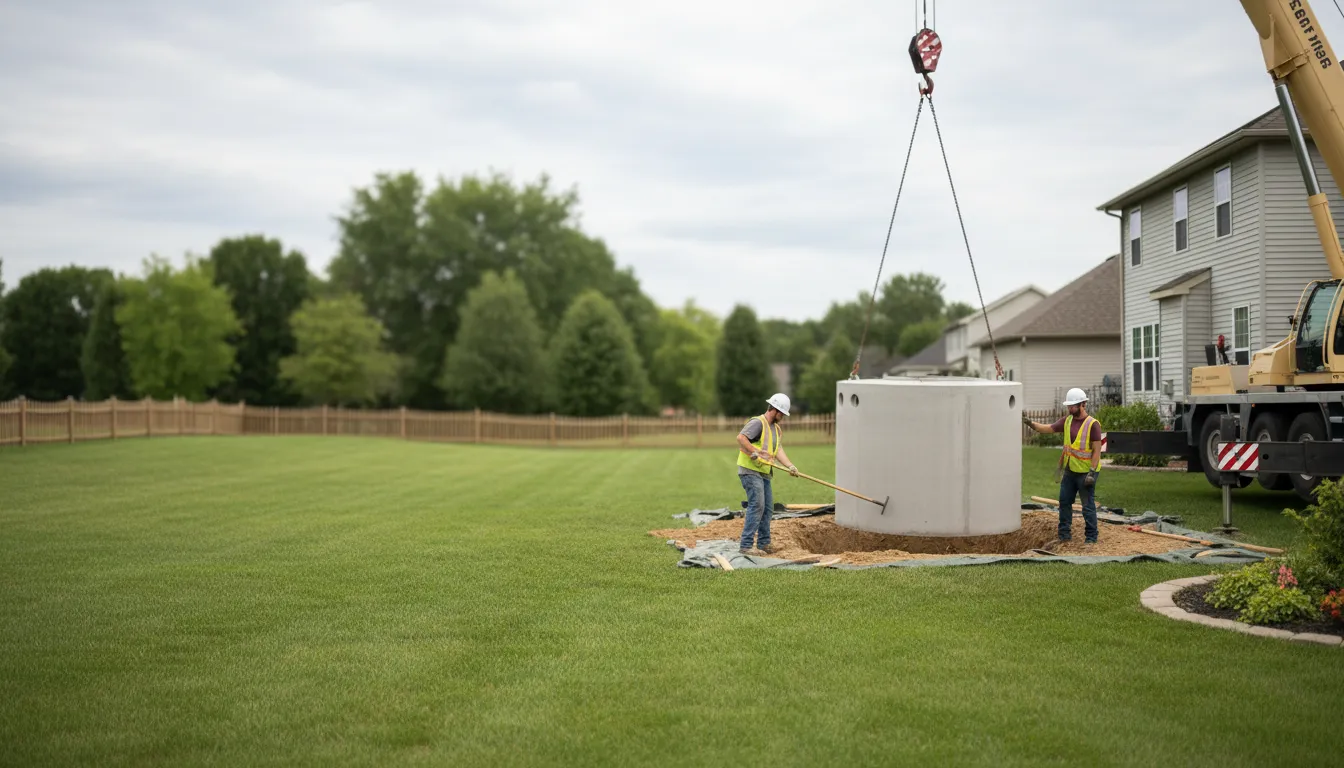
The installation involves excavating for the tank and drainfield, placing the tank (most modern systems use pre-cast concrete tanks with effluent filters), laying the distribution lines, and backfilling 7. A key milestone is the pre-cover inspection.
- Pre-Cover Inspection: Before any tank or drainfield trench is backfilled with soil, a county inspector must visit the site. They will check that the tank is level, the pipes are properly spaced and sloped, the correct materials are used, and the installation matches the approved design. This inspection is mandatory; covering the system before it is approved will result in violations and likely require costly re-excavation 8 9.
Passing this inspection leads to the issuance of your final Operation Permit.
Key Considerations for Homeowners in Burlington
Beyond the basic steps, being an informed homeowner can save time, money, and stress.
- Cost Factors: The total price isn't just for digging and materials. Remember to budget for: the county's site evaluation fee, permit fees (which vary by project complexity), engineering design fees (for alternative systems), the installation labor, and the materials (tank, pipe, gravel, etc.).
- Replacement vs. New Installation: The process for replacing a failing system is similar to a new installation. It requires a new site evaluation and permits. Often, the replacement drainfield will be placed in the designated "repair area" that was part of the original system approval 10 11.
- Working with Professionals: Your certified installer is your greatest asset. They understand local regulations, can help navigate the permit paperwork, and ensure the construction meets code. Look for established local companies with strong references and proper certification from the North Carolina Onsite Wastewater Contractor Inspector Certification Board (NCICB) 12.
Planning for a septic system is about due diligence. By understanding the regulated process, the importance of the soil evaluation, and the roles of the health department and your installer, you can manage this major project with confidence, ensuring a safe, functional, and compliant wastewater system for your Burlington home for decades to come.
Frequently asked questions
Sources
Footnotes
-
North Carolina Soil Evaluations: The New Standard for Septic ... - https://www.creechsplumbing.com/blog/2024/february/perc-tests-are-no-longer-used-uncovering-north-c/ ↩
-
Evaluating a site for a septic system - https://eh.alamancecountync.gov/programs/on-site-wastewater/evaluation-a-site-for-a-septic-system/ ↩
-
Cost to Install a Septic System in Charlotte [2026 Data] - Angie's List - https://www.angi.com/articles/what-does-it-cost-install-septic-system/nc/charlotte ↩
-
18A .1900 NORTH CAROLINA ADMINISTRATIVE CODE 01/21/99 ... - https://ehs.dph.ncdhhs.gov/oswp/docs/rules/jan99amen.pdf ↩
-
Burlington Septic Systems Costs & Prices - ProMatcher Cost Report - https://septic-systems.promatcher.com/cost/burlington-nc-septic-systems-costs-prices.aspx ↩
-
NC General Statutes - Chapter 130A Article 11 - https://www.ncleg.gov/EnactedLegislation/Statutes/PDF/ByArticle/Chapter_130A/Article_11.pdf ↩
-
Septic System Owner's Guide - NC State Extension Publications - https://content.ces.ncsu.edu/septic-system-owners-guide ↩
-
Point of Sale Inspection Requirements - MARLIN - https://mseptic.com/septic-inspection-requirements-north-carolina ↩
-
Navigating the Septic System Permit and Installation Process ... - https://carolinaearthwerx.com/blogs/news/navigating-the-septic-system-permit-and-installation-process-in-north-carolina ↩
-
NC Septic Permit Process: Step-by-Step Guide for Homeowners - https://septicandwell.com/articles/nc-septic-permit-process ↩
-
FAQ: Septic System Permits - https://mseptic.com/blog/2019/7/22/faq-septic-system-permits ↩
-
FAQ's | North Carolina Onsite Wastewater Contractor Inspector ... - https://ncowcicb.info/faqs/ ↩