
Find the Best Septic Tank Installation & Replacement Contractors for Your Business
No obligation • Fast responses • Nationwide coverage

Why you can trust Septic Spot
Septic Spot is a leading United States resource for understanding and comparing septic services. Our editors review providers using consistent criteria and verify key business details. Listings and scores are independent, and companies cannot pay to influence our content.
Search providers near you
Top Septic Tank Installation & Replacement Contractors in Winston Salem, North Carolina Ranked
Installing or replacing a septic system is a significant investment in your property's long-term functionality and environmental health. A properly designed and permitted onsite wastewater system ensures safe wastewater treatment, protects local groundwater, and maintains your home's value. For Winston-Salem homeowners, this process is governed by specific local and state regulations. The following guide details the steps, costs, and key considerations for septic system work in Forsyth County, helping you understand what to expect and how to connect with qualified local professionals.
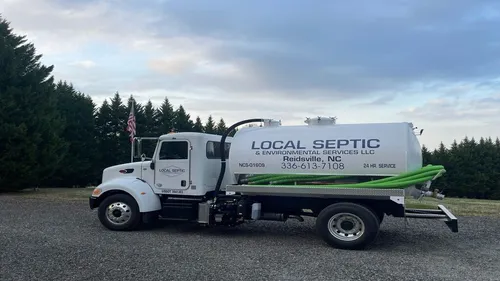
Local Septic & Environmental Services LLC
Winston Salem, NC
Local Septic & Environmental Services LLC is a family-owned septic company serving Winston Salem, NC, and surrounding counties. They provide a full range of septic services including tank pumping, inspections, repairs, new system installations, and drain field replacements. The company uses advanced inspection tools and modern excavation equipment to diagnose and address septic issues accurately. With decades of experience, Local Septic offers emergency services to handle urgent septic problems beyond regular business hours.
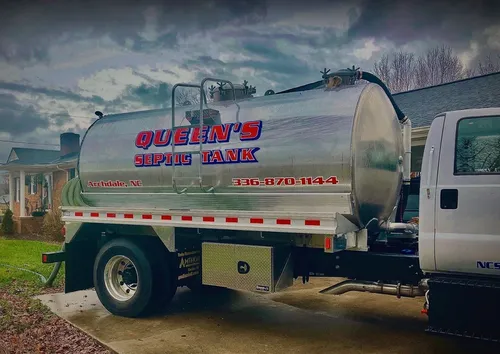
Queen's Septic Tank Service
Greensboro, NC
Queen's Septic Tank Service is a family-owned business serving Greensboro, NC, and surrounding counties including Guilford, Randolph, Davidson, and Forsyth. Since 1986, they have provided residential and commercial septic services such as septic tank installation, pumping, inspections, repairs, grease trap pumping, and backhoe and light grading services. As a certified Level IV Wastewater System Installer, they offer skilled and knowledgeable septic system solutions. The company also provides after-hours emergency service for urgent septic issues outside normal business hours.
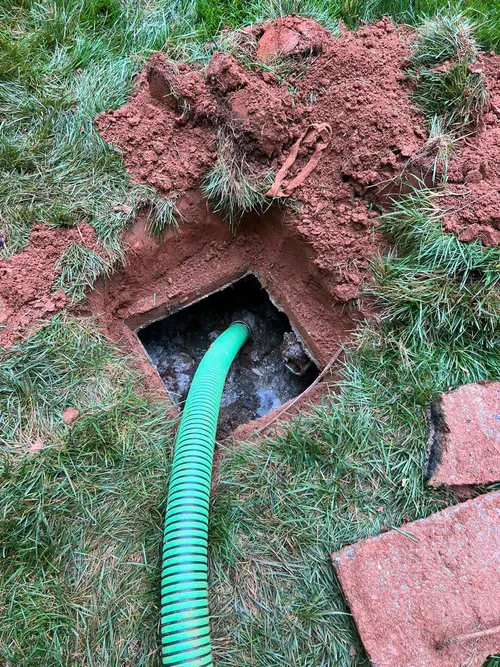
James Septic & Groundworks
Winston Salem, NC
James Septic & Groundworks is a septic tank inspection, installation, and repair company serving Winston Salem, NC, and the broader Piedmont Triad area. With over 30 years of experience, they specialize in evaluating and maintaining septic systems using a unique "Search and Rescue" approach to extend system lifespan and avoid costly replacements. Their services include thorough inspections and tailored solutions to optimize septic system functionality and protect property values.
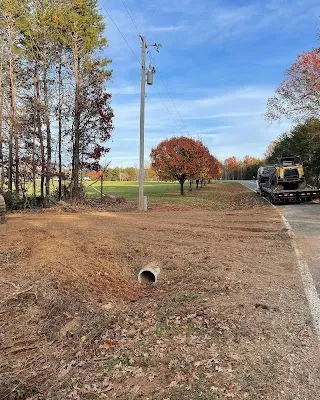
Tobacco Ridge Clearing, Grading & Septic Co.
Winston Salem, NC
Tobacco Ridge Clearing, Grading & Septic Co. is a land management and septic service provider based near Winston Salem, NC. With over 15 years of experience, the company offers septic tank installation and repair, land clearing, grading, drainage solutions, forestry mulching, and driveway installation and repair. They use advanced equipment and techniques to prepare sites and install septic systems with precision, serving Tobaccoville and surrounding areas.
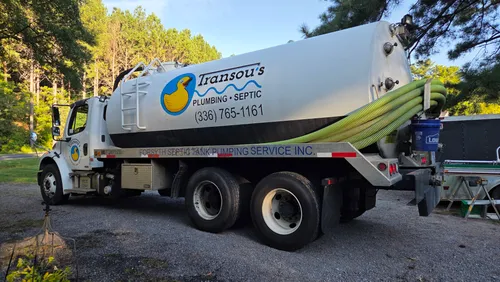
Transou's Septic Tank Service & Rent-A-Jon
1407 Chestnut Dr B, High Point, NC 27262
Transou's Septic Tank Service & Rent-A-Jon provides septic system services in Greensboro, NC, and the surrounding Triad area. The company offers septic tank pumping, inspection, repair, and installation, along with Port-a-Jon rentals for events and construction sites. Established in 1952, Transou's has over 70 years of experience handling septic emergencies, routine maintenance, and new system installations. They emphasize compliance with regulations and thorough workmanship to maintain system efficiency and prevent costly issues.
Understanding the Permit Process in Forsyth County
Before a single shovel hits the ground, you must secure the proper approvals from the Forsyth County Health Department. This is not merely a formality; it's a legally required process designed to ensure public and environmental safety.
Key Permit Steps:
- Improvement Permit & Authorization to Construct: You must obtain both an Improvement Permit and a specific septic permit (Authorization to Construct) before any work begins. This applies to new installations, full replacements, and even many repairs.
- Application Submission: The application requires a site survey and, for new construction, your building plans. For repairs, a detailed description of the proposed work is needed 1 2.
- Official Evaluation: An Environmental Health Specialist will evaluate your property to determine soil suitability. This evaluation looks at soil depth, texture, structure, and topography to dictate the type of system that can be installed.
Attempting to bypass this permitting process can result in fines, orders to cease work, and an inability to legally occupy your home. The permit itself is your roadmap, detailing exactly what type of septic system your property can support.
The Critical Role of Soil Evaluation and System Design
The cornerstone of any successful septic installation is a thorough soil evaluation. In North Carolina, this goes beyond a simple percolation ("perc") test. Experts must evaluate the soil profile to a depth of at least 48 inches to determine long-term acceptance rates and identify any limiting conditions.
What Evaluators Look For:
- Soil Texture and Structure: The soil's ability to treat and filter wastewater.
- Depth to Seasonal High Water Table: To prevent groundwater contamination.
- Soil Color: Indicates the presence of water and oxidation states.
- Site Topography: Slope affects system placement and design.
Based on this evaluation, your lot will be classified as suitable, provisionally suitable, or unsuitable for a conventional system 3. This classification directly determines your system design. The health department or a licensed Soil Scientist will then design the system, specifying the septic tank capacity (with a minimum of 1,000 gallons for a three-bedroom home) and the size and type of the drain field 4.
Choosing the Right System for Your Property
Not all septic systems are created equal. The system design mandated by your soil evaluation will fall into one of several categories:
- Conventional Gravity System: The most common and least expensive option, used when soil and site conditions are ideal. Wastewater flows by gravity from the tank to a network of trenches in the drain field.
- Pump (Pressure-Dosed) System: Required when the drain field is at a higher elevation than the septic tank outlet. A pump chamber and pump are used to distribute effluent.
- Advanced Treatment Systems: For sites with poor soil, high water tables, or small lot sizes. These include sand-lined trenches, low-pressure pipe (LPP) systems, or aerobic treatment units (ATUs). These systems provide enhanced treatment before the effluent reaches the soil.
Your installer will work from the approved design to implement the correct system type. Choosing a licensed contractor experienced with the specific system type required for your property is crucial.
Installation: From Site Prep to Final Inspection
Once permits are in hand and a contractor is selected, the physical installation begins. This is a multi-stage process with mandatory checkpoints.
Step-by-Step Installation:
- Site Preparation: The contractor will clear and grade the designated area, taking care to avoid soil compaction which can ruin the site's suitability.
- Tank and Field Installation: The septic tank and drain field trenches are excavated and installed according to the engineered design plans.
- Rough-In Inspection: Before the tank and drain field lines are covered, a Forsyth County Health Department inspector must visit the site. They will check the tank for proper placement, size, and watertightness, and inspect the trenches for correct depth, width, and gravel/pipe installation 5 6.
- Final Inspection & Operation Permit: After the system is covered and the landscaping is restored, a final inspection is conducted. Upon passing, the health department issues an Operation Permit. This permit is required to have the electrical service connected for any pumps or alarms, and it is your official approval to use the system.
Find the perfect septic tank installation & replacement contractors for your needs
Get personalized recommendations and expert advice
Understanding the Costs of Septic System Installation
The total cost for a new septic system in the Winston-Salem area is influenced heavily by the system type mandated by your soil conditions. While permit fees are a relatively small part of the total (often a few hundred dollars), the installation itself is a major expense.
Cost Breakdown:
- Conventional Gravity System: This is typically the most affordable option. For a standard system in our region, total costs generally range from $2,135 to $6,845+, with averages often between $4,000 and $5,000 7 8.
- Pump or Advanced Systems: If your site requires a pump system, a sand-lined trench, or another alternative technology, costs can increase significantly-sometimes reaching $10,000 to $15,000 or more. The complexity of the installation, accessibility of the site, and size of the home all contribute to the final price 9 10.
It's essential to get detailed, written estimates from multiple licensed installers that include all costs: excavation, tank, materials, labor, and any required engineering or soil scientist fees.
Homeowner Responsibilities and DIY Considerations
North Carolina law does allow a homeowner to install their own septic system, but with strict limitations. You may only install a system for your primary residence, and it must be a conventional gravity system. You cannot install systems for rental properties, second homes, or any advanced/pump systems.
Critical Considerations for DIY:
- Permit Compliance: You are still responsible for obtaining all permits and passing all inspections. The health department will hold you to the same standards as a licensed professional.
- Site Protection: As the property owner, you must ensure the site is not damaged before evaluation. Avoid clearing vegetation, driving heavy equipment, or altering the grade in the proposed system area until after the site evaluation is complete 11.
- Repairs Require Permits: Even repairing a failing septic system requires a permit from the health department. This ensures the repair correctly addresses the problem and continues to protect public health 12.
For most homeowners, hiring a licensed professional is the safest and most efficient path, as they understand local codes, have relationships with inspectors, and can navigate any unforeseen challenges during excavation.
Maintaining Your New Septic System
A new system is a long-term asset that requires proper care. Regular maintenance is far less expensive than emergency repairs or premature replacement.
Essential Maintenance Tips:
- Pump Regularly: Have the septic tank pumped every 3-5 years by a licensed pumper to remove solids and prevent clogging of the drain field.
- Conserve Water: Spread out laundry loads and fix leaky fixtures to avoid overloading the system.
- Mind What You Flush: Only human waste and toilet paper should go down the drain. Avoid chemicals, grease, wipes (even "flushable" ones), and feminine hygiene products.
- Protect the Drain Field: Never drive or park vehicles over it, and plant only grass over the area. Keep roof drains, sump pumps, and other surface water away from the field.
Following these guidelines will help maximize the lifespan of your system, which can last 20-40 years or more with proper care 13 14.
Frequently asked questions
Sources
Footnotes
-
New Construction - Forsyth County - https://www.co.forsyth.nc.us/hhs/new_construction.aspx ↩
-
Navigating the Septic System Permit and Installation Process in North - https://carolinaearthwerx.com/blogs/news/navigating-the-septic-system-permit-and-installation-process-in-north-carolina ↩
-
Expert Winston-Salem Septic Tank Evaluation Guide - https://septic911.com/winstonsalem-septic-tank-evaluation/ ↩
-
15a ncac 18e .0801 septic tank capacity requirements - http://reports.oah.state.nc.us/ncac/title%2015a%20-%20environmental%20quality/chapter%2018%20-%20environmental%20health/subchapter%20e/15a%20ncac%2018e%20.0801.pdf ↩
-
Soil Scientist - Evaluations, Design and Permitting - https://mseptic.com/soil-scientist-evaluations-design-and-permitting ↩
-
LAWS AND RULES FOR SEWAGE TREATMENT, AND DISPOSAL ... - https://ehs.dph.ncdhhs.gov/oswp/docs/rules/Aug98amen.pdf ↩
-
How Much Does It Cost To Install a Septic System in Charlotte, NC? - https://www.angi.com/articles/what-does-it-cost-install-septic-system/nc/charlotte ↩
-
Pre-Purchase Septic Inspections: Protect Your Investment - https://septic911.com/prepurchase-septic-inspections/ ↩
-
FAQ's | North Carolina Onsite Wastewater Contractor Inspector ... - https://ncowcicb.info/faqs/ ↩
-
NC Septic Permit Process: Step-by-Step Guide for Homeowners - https://septicandwell.com/articles/nc-septic-permit-process ↩
-
Septic System Owner's Guide - Forsyth County, North Carolina - https://forsyth.cc/publichealth/assets/documents/septic_guide.pdf ↩
-
18A .1900 NORTH CAROLINA ADMINISTRATIVE CODE 01/21/99 ... - https://ehs.dph.ncdhhs.gov/oswp/docs/rules/jan99amen.pdf ↩
-
Septic Systems and Their Maintenance - https://content.ces.ncsu.edu/septic-systems-and-their-maintenance ↩
-
Septic System Owner's Guide | NC State Extension Publications - https://content.ces.ncsu.edu/septic-system-owners-guide ↩