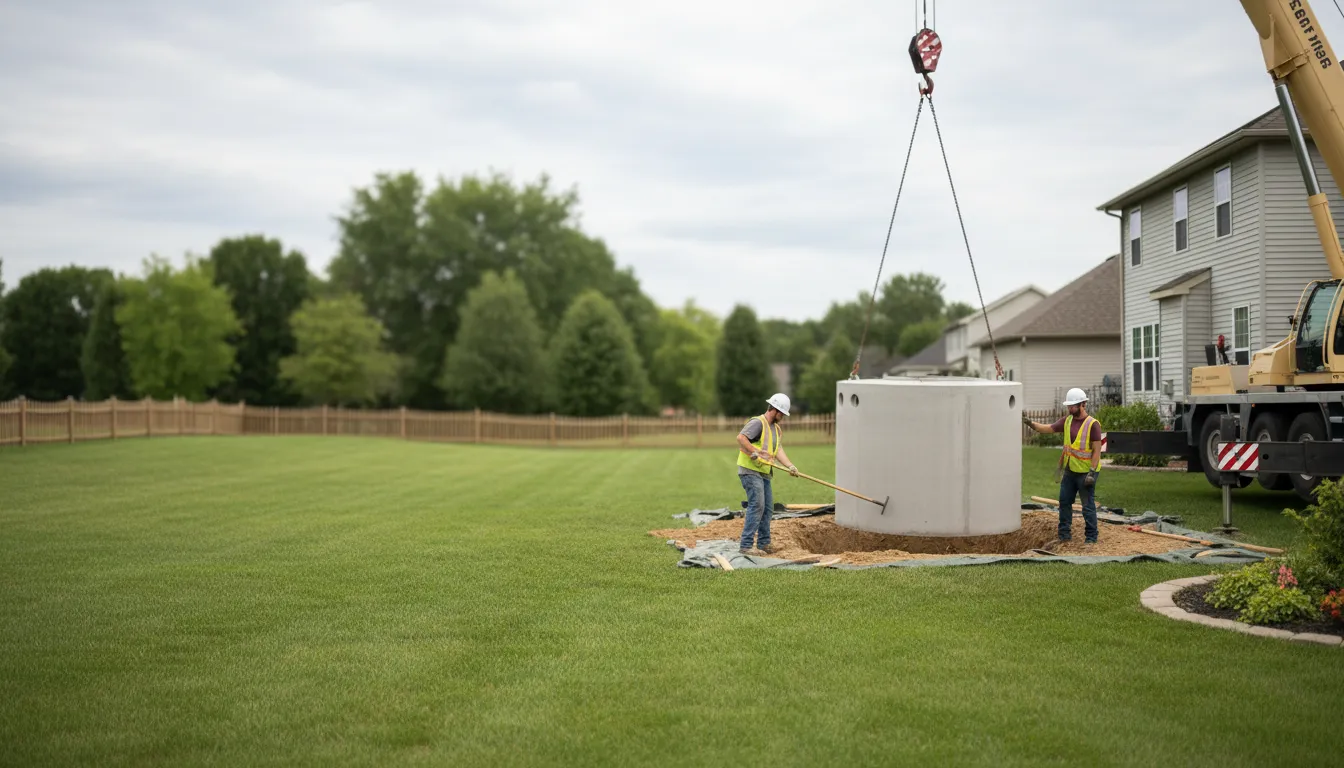
Find the Best Septic Tank Installation & Replacement Contractors for Your Business
No obligation • Fast responses • Nationwide coverage

Why you can trust Septic Spot
Septic Spot is a leading United States resource for understanding and comparing septic services. Our editors review providers using consistent criteria and verify key business details. Listings and scores are independent, and companies cannot pay to influence our content.
Search providers near you
Top Septic Tank Installation & Replacement Contractors in Charlotte, North Carolina Ranked
Installing or replacing a septic system is a significant home infrastructure project that requires careful planning and adherence to strict local regulations. In Charlotte and Mecklenburg County, this process is governed by the North Carolina Department of Health and Human Services (NCDHHS) and involves obtaining permits, conducting detailed site evaluations, and working with licensed professionals. This guide explains the key steps, costs, and regulations for septic system work in the Charlotte area, helping you understand what to expect and how to connect with qualified local contractors for your installation or replacement needs.
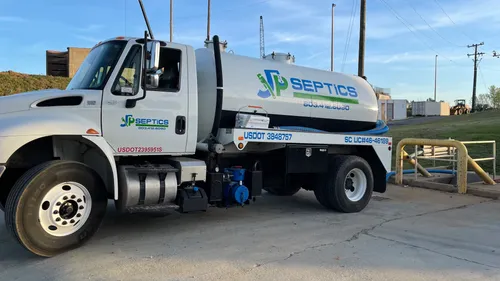
JP Septics
Charlotte, NC
JP Septics is a Native-American owned septic service provider based in Charlotte, NC. They offer comprehensive septic system services including pumping, inspection, repair, installation, and drain field repair or replacement. The company emphasizes proper maintenance to prevent costly failures and uses quality materials to ensure long-lasting septic systems. JP Septics is available 24/7 for emergency septic repairs and has received over 600 five-star reviews for their work.
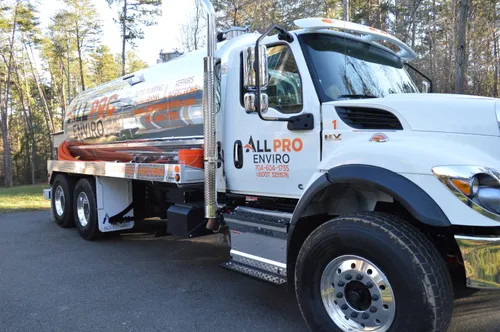
All Pro Enviro
Charlotte, NC
All Pro Enviro is a septic tank pumping, repair, and installation company serving Charlotte, NC, and nearby areas including McAdenville, Gastonia, Huntersville, and Belmont. They provide comprehensive septic system services such as routine pumping, repairs, and new tank installations. The company emphasizes customer satisfaction and offers emergency repair services to address urgent septic issues promptly. They also provide guidance on septic system maintenance to help extend the life of the system and prevent problems.

Lentz Wastewater Management - Mooresville
Charlotte, NC
Lentz Wastewater Management - Mooresville offers septic system repair, installation, and maintenance services in Charlotte, NC. They handle septic tank replacements, drain field repairs, and septic pump services, including installation of risers and sanitary tees to extend system life. The company also provides Terralift technology to address saturated drain fields without excavation. With over twenty years of experience, Lentz Wastewater Management installs various septic systems, including conventional and alternative types, and offers warranties on parts and workmanship.
Charlotte Septic Pros
4916 Stough Rd, Concord, NC 28027
Charlotte Septic Pros is a locally owned and licensed septic company serving Charlotte, NC, and nearby towns. They provide a range of septic services including tank pumping, cleaning, inspection, repair, and installation. Their team offers upfront pricing and focuses on maintaining the safety and efficiency of septic systems. Charlotte Septic Pros is insured and committed to clear communication with customers throughout the service process.
Ready Septic
3925 Woodlawn St, Sharon, SC 29742
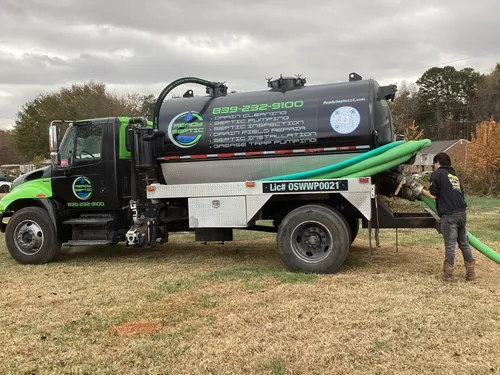
Ready Septic is a septic service company based in Charlotte, NC, specializing in residential and commercial sewer and septic system services. They serve York County, SC, and surrounding areas including Greenville, Spartanburg, and Columbia. Their offerings include septic tank pumping, installation, inspection, drain cleaning, hydro jetting, sewer repair, and sump pump services. Ready Septic uses advanced diagnostic tools and high-capacity vacuum technology to maintain and repair septic systems, ensuring compliance with local health codes. With over 30 years of combined industry experience, they provide solutions tailored to local soil and topographic conditions.
Understanding the Permitting Process
Before a single shovel hits the ground, you must navigate Charlotte's permitting requirements. All new installations, major repairs, or system replacements require formal approval from the Mecklenburg County Public Health Department's Environmental Health division. The process is designed to ensure systems are built correctly to protect public health and groundwater.
The permitting journey involves two key stages:
- Improvement Permit (IP): This is the initial approval. An Environmental Specialist reviews your property's suitability based on a professional site and soil evaluation. It confirms that your land can support a functioning septic system.
- Construction Authorization (CA): Once you have an IP, you can apply for a CA. This permit authorizes the actual construction or installation of the system and is typically valid for up to 60 months, giving you ample time to complete the project.
You cannot legally begin construction without these permits. For a standard new residential system, the combined permit and inspection fees are approximately $650. It's crucial to factor this into your overall budget and timeline, as the entire permitting process can take anywhere from 10 business days to over three months depending on the complexity of your site and application 1.
The Critical Site & Soil Evaluation
Gone are the days of simple percolation ("perc") tests in North Carolina. State regulations now require a comprehensive soil evaluation conducted by a licensed soil scientist or qualified Environmental Health specialist. This evaluation is the cornerstone of your application.
A professional will examine soil borings to assess:
- Soil Morphology: The texture, structure, and layers of the soil.
- Depth to Limiting Conditions: How deep you can dig before hitting rock, a water table, or other restrictive layers.
- Topography and Wetness: The slope of the land and signs of seasonal saturation.
Based on this analysis, your site will be classified as Suitable, Provisionally Suitable, or Unsuitable 2. This classification directly determines what type of septic system you can install. For example, a provisionally suitable site may require a more advanced (and more expensive) engineered system, such as a low-pressure pipe (LPP) or aerobic treatment unit (ATU), compared to a conventional gravel trench system on a suitable site.
Working with Licensed Septic Contractors
North Carolina law mandates that septic system installation and major repair work be performed by a state-licensed wastewater contractor 3. While homeowners may install a system for their primary residence under specific conditions, this is a complex undertaking with significant liability; hiring a professional is strongly recommended.
A licensed contractor will:
- Help navigate the permit application process.
- Perform the excavation and precise installation of tanks and drainage fields.
- Schedule and coordinate all required inspections.
- Ensure the entire system meets or exceeds state and county codes.
When evaluating local Charlotte contractors, always verify their license is current with the North Carolina Onsite Wastewater Contractor Inspector Certification Board (NC OWWCI CB). A reputable installer will be transparent about this and provide references for similar projects in the area.
Installation, Inspection, and Final Approval
Once permits are secured and a contractor is hired, the physical installation begins. The county requires inspections at critical phases to ensure compliance with the approved plans 4:
- Site Evaluation Inspection: Verification of the soil borings and site layout.
- Layout Inspection: Before trenching, the proposed drain field location is checked.
- Final Inspection: This is the most crucial step. The Environmental Specialist must inspect the installed tanks, pipes, and gravel beds before they are backfilled and covered. Your contractor is responsible for notifying the county for this inspection.
Only after passing the final inspection will the county issue an Operation Permit, officially approving your system for use 5. Never allow your contractor to backfill the system before this inspection occurs, as it can lead to costly re-excavation and permit violations.
Find the perfect septic tank installation & replacement contractors for your needs
Get personalized recommendations and expert advice
Costs for Septic System Projects in Charlotte
The total investment for a septic system in the Charlotte area varies widely based on system type, soil conditions, and property size. Here's a breakdown of what you can expect:
- Permit & Inspection Fees: Approximately $650 for a new residential system 6.
- Total Installation Cost: Typically ranges from $5,000 to $15,000 7. A conventional system on good soil will be at the lower end, while an engineered system for challenging soils (like many clay-heavy areas around Charlotte) can reach the higher end or beyond.
- Ongoing Maintenance: Plan for routine pumping and inspection every 3-5 years, costing between $250 and $500 per service 8.
Planning for the Future: The Repair Area
A unique and vital requirement in North Carolina is the designation of a repair area. During the initial site evaluation and permitting, a specific portion of your property must be identified and set aside for a potential future repair or replacement system. This forward-thinking regulation ensures that if your primary drain field fails, you have a pre-approved location for a new system without needing to purchase additional land or go through a completely new permitting ordeal. Protecting this area from construction, paving, or deep-rooted plants is essential for your property's long-term value and functionality.
System Types Available in the Charlotte Region
The type of system installed depends entirely on your site's soil evaluation classification.
- Conventional Systems: Used on "Suitable" sites. These typically involve a septic tank and a subsurface trench or bed drain field.
- Engineered Systems: Required for "Provisionally Suitable" sites. Common types include:
- Low-Pressure Pipe (LPP) Systems: Use a network of small-diameter pipes to dose the drain field evenly.
- Aerobic Treatment Units (ATUs): Use oxygen to break down waste more efficiently, allowing for a smaller drain field.
- Sand Filter or Mound Systems: Used when soil depth is insufficient, these systems add layers of sand and gravel above the natural grade.
Your licensed contractor and the county Environmental Health specialist will determine the most appropriate and cost-effective system for your specific property.
Frequently asked questions
Sources
Footnotes
-
Septic System Owner's Guide - NC State Extension Publications - https://content.ces.ncsu.edu/septic-system-owners-guide ↩
-
North Carolina Soil Evaluations: The New Standard for Septic ... - https://www.creechsplumbing.com/blog/2024/february/perc-tests-are-no-longer-used-uncovering-north-c/ ↩
-
FAQ's | North Carolina Onsite Wastewater Contractor Inspector ... - https://ncowcicb.info/faqs/ ↩
-
18A .1900 NORTH CAROLINA ADMINISTRATIVE CODE 01/21/99 ... - https://ehs.dph.ncdhhs.gov/oswp/docs/rules/jan99amen.pdf ↩
-
NC Septic System Permitting Process | Rowan County - https://www.rowancountync.gov/1860/NC-Septic-System-Permitting-Process ↩
-
Septic System Fee Schedule - Public Health - https://health.mecknc.gov/environmental-health/groundwater-and-wastewater-services/septic-system-fee-schedule ↩
-
Cost to Install a Septic System in Charlotte [2026 Data] - https://www.angi.com/articles/what-does-it-cost-install-septic-system/nc/charlotte ↩
-
Understanding Septic Tank Permits and Regulations - https://westcoastsanitationinc.com/understanding-septic-tank-permits-and-regulations/ ↩