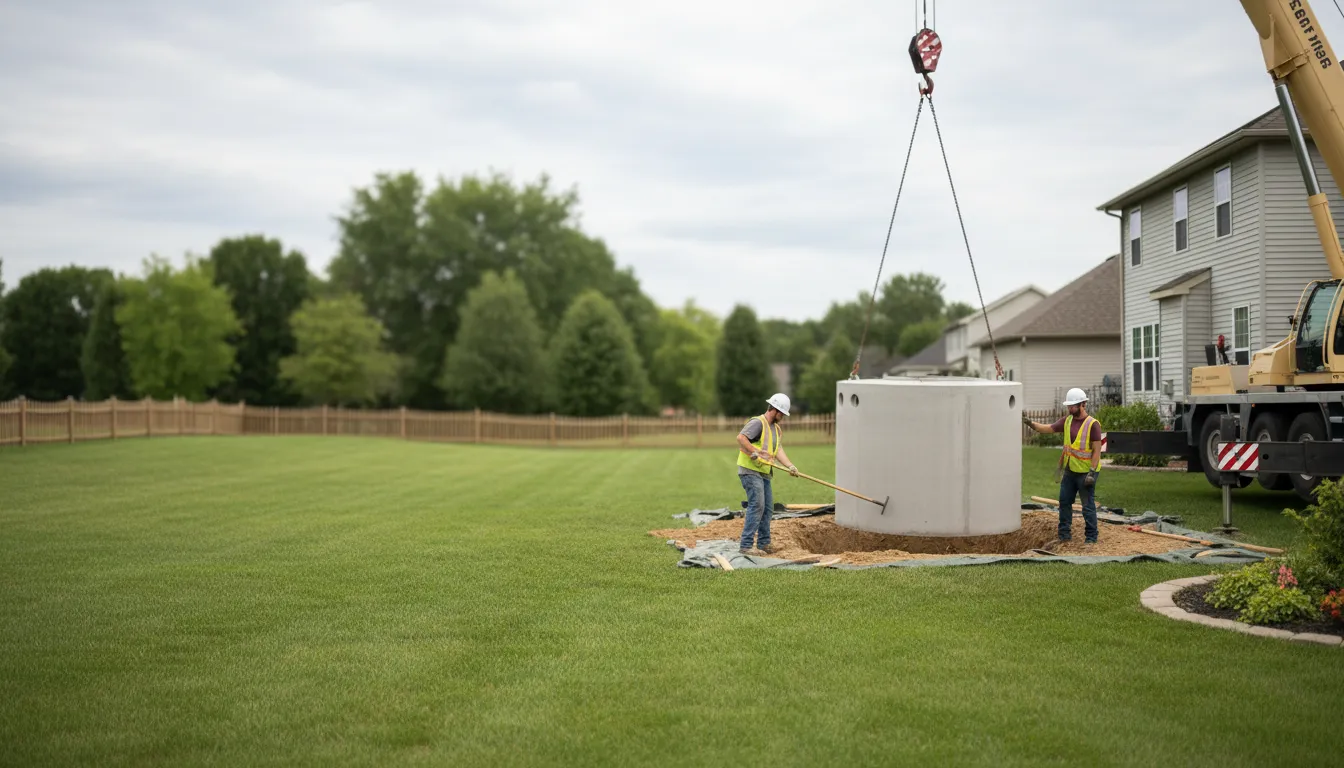
Find the Best Septic Tank Installation & Replacement Contractors for Your Business
No obligation • Fast responses • Nationwide coverage

Why you can trust Septic Spot
Septic Spot is a leading United States resource for understanding and comparing septic services. Our editors review providers using consistent criteria and verify key business details. Listings and scores are independent, and companies cannot pay to influence our content.
Search providers near you
Top Septic Tank Installation & Replacement Contractors in Chapel Hill, North Carolina Ranked
Installing or replacing a septic system is a significant investment in your Chapel Hill property's long-term functionality and environmental health. This process, governed by strict state and county regulations, ensures wastewater is treated safely on-site where public sewer is unavailable. Understanding the local permitting pathway, costs, and what to expect from professional installers can help you navigate this essential project with confidence. The following guide provides a detailed overview of the steps, requirements, and considerations for septic system work in Orange County.
Septic Blue of Burlington
1803 N Jim Minor Rd, Haw River, NC 27258
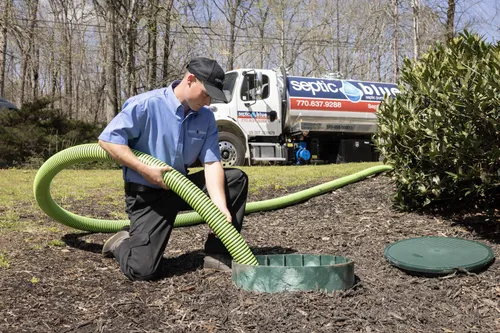
Septic Blue of Burlington provides septic tank pumping, inspection, repair, and installation services in Greensboro, NC. They offer emergency septic pumping and routine maintenance to help prevent system failures and protect property and local ecosystems. Their services include thorough septic cleaning that removes sludge and buildup to maintain system efficiency. Septic Blue emphasizes eco-friendly practices and personalized maintenance schedules based on household size and water usage.

A1-Septic Tank Cleaning
Raleigh, NC
A1-Septic Tank Cleaning provides septic tank pumping, repair, and installation services in Raleigh, NC. Serving both residential and commercial clients, they offer comprehensive septic solutions including lift station maintenance and grease trap cleaning. With over 30 years of experience and 26 years in business, the company emphasizes personalized care and compliance with environmental regulations. They also offer 24/7 availability for septic needs.
Big Dawg’s Plumbing Services
5540 Centerview Dr Ste 204 PMB 96204, Raleigh, NC 27606
Big Dawg's Plumbing Services is a locally owned and operated plumbing contractor based in Raleigh, NC. They provide a range of plumbing services including septic tank installation, drain cleaning, leak detection and repair, pipe installation and repair, toilet installation and repair, and water heater services. Serving the Triangle Area and surrounding communities, they handle both residential and commercial plumbing needs. The company is fully insured and offers emergency services to address urgent plumbing issues.
Heck Yeah Septic
7705 Matherly Dr, Wake Forest, NC 27587
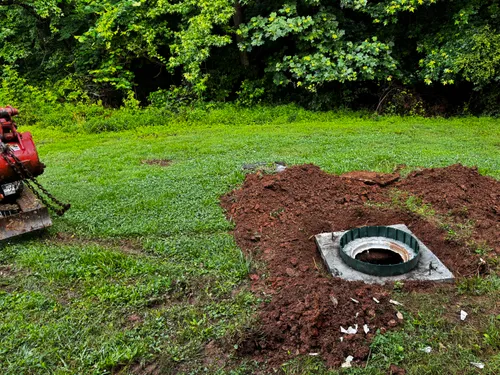
Heck Yeah Septic is a septic tank inspection, repair, and installation company serving Raleigh, NC, and surrounding areas including Durham, Wake Forest, and Rolesville. They provide thorough septic inspections, efficient system repairs, and complete septic system installations. The company is known for responding quickly to urgent issues and delivering detailed inspection reports promptly. Customers have noted their professionalism and effective problem diagnosis. Heck Yeah Septic has earned hundreds of positive reviews across North Carolina, reflecting a strong track record in the region.
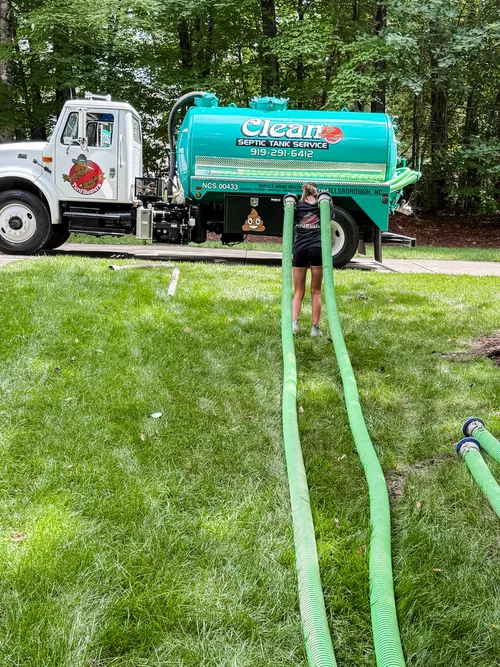
Clean Septic Tank Services
1048 Jacks Trl, Hillsborough, NC 27278
Clean Septic Tank Services is a septic system company based in Durham, NC. They offer a range of services including septic tank pumping, inspections, system installation, and repairs. Their capabilities include certified point of sale septic inspections, root and drain line repairs, riser and filter installations, as well as septic pump and control panel troubleshooting and repair. The company serves residential, farm, and business clients across multiple counties in North Carolina, including Alamance, Durham, Granville, Orange, Person, and Wake. They also provide well water sampling and testing.
Understanding the Regulatory Landscape in Orange County
All septic system installations and replacements in Chapel Hill and Orange County are regulated under North Carolina General Statute Chapter 130A and enforced by the Orange County Health Department's Environmental Health division. The primary goal of these regulations is to protect public health and groundwater by ensuring systems are properly sited, designed, and constructed.
You cannot begin any site work, including digging, before obtaining the proper permits. The county's process is designed to verify that your specific property has suitable soil conditions and adequate space for a functioning on-site wastewater system. Failure to follow the proper permitting sequence can result in stop-work orders, fines, and the inability to obtain a Certificate of Occupancy for a new home.
The Step-by-Step Permit and Installation Process
Navigating the septic permitting process is a multi-stage journey. Here is a typical sequence for a new installation in Chapel Hill:
1. Application and Site Evaluation
The process begins with submitting a formal application, a detailed site plan, and a floor plan of the home (indicating the number of bedrooms, which determines system capacity) to the Orange County Environmental Health office 1. A critical next step is the soil and site evaluation, conducted by a licensed soil scientist or a county environmental health specialist. This evaluation assesses soil depth, texture, structure, and seasonal water table levels to determine the property's suitability and the type of system required 2. This has replaced the older "perc test" methodology.
2. Obtaining the Improvement Permit (IP) and Construction Authorization (CA)
Based on the site evaluation, the county issues an Improvement Permit (IP). This permit defines the approved type of septic system (e.g., conventional, low-pressure pipe, engineered) and its general location on the property. Following this, the system design is finalized, often by a professional engineer for non-standard systems. Once the design is approved, the county issues a Construction Authorization (CA). This is your official green light to proceed with the physical installation.
3. Professional Installation and Critical Inspections
With the CA in hand, a licensed septic system installer can begin construction. A typical standard system installation takes 2 to 5 days. The installation is subject to mandatory inspections by the county health department at key stages:
- Initial/Rough Inspection: This occurs after the tank and distribution lines are set in place but before they are backfilled. Inspectors verify proper placement, materials, and layout according to the approved design.
- Final Inspection: Once the entire system is installed and covered, a final inspection is conducted. Passing this inspection is necessary to obtain the final Operating Permit (OP), which legally allows you to use the system3 4 5.
Find the perfect septic tank installation & replacement contractors for your needs
Get personalized recommendations and expert advice
What to Expect: System Types, Costs, and Timelines
Common System Types
The soil evaluation will dictate which kind of wastewater treatment system is feasible on your land.
- Conventional Systems: These are the most common where conditions allow, featuring a septic tank and a gravel-based drainfield.
- Engineered Systems: For properties with poor soil, high bedrock, or a high water table, more complex systems like low-pressure pipe (LPP), sand filter, or aerobic treatment units (ATUs) may be required. These involve pumps, additional tanks, and specialized treatment media.
Cost Breakdown for Chapel Hill
Septic system costs are highly variable, depending on system type, soil conditions, property layout, and local labor rates. Based on regional data:
- Permitting Fees: Orange County and other NC counties charge land permit fees that typically range from $320 to $1,880.
- Standard Installation: For a conventional system on a suitable site, total installation costs often fall between $4,000 and $6,800.
- Complex or Replacement Systems: Engineered systems or replacements in difficult locations can easily exceed $10,000 to $20,000+6 7. A specific repair or replacement permit from the health department may cost around $250, though official fees should always be verified8.
Project Timeline
From start to finish, plan for several weeks to a few months. The timeline includes application review, scheduling the site evaluation, permit issuance, hiring a contractor, the 2-5 day installation period, and coordinating inspections. Weather can also impact excavation and construction schedules.
Special Considerations for System Replacement
Replacing a failing or outdated septic tank and drainfield follows a similar but distinct path. If your system is malfunctioning (e.g., surfacing sewage, slow drains, foul odors), you must contact the Orange County Health Department. They will typically require an evaluation and issue a specific repair permit9 10. The replacement system must be designed for the current property conditions, which may have changed since the original installation. Often, a new drainfield must be constructed in a different location, requiring a full site evaluation just like a new installation.
Choosing a Qualified Installation Professional
Selecting the right contractor is crucial. Look for a licensed septic system installer with extensive experience in Orange County. They should be familiar with local inspectors, county paperwork, and the nuances of soil conditions in the Chapel Hill area. A reputable professional will:
- Help you understand the county's requirements.
- Provide a detailed, written estimate.
- Obtain all necessary permits and schedule inspections.
- Use high-quality, approved materials.
- Ensure the installed system matches the engineered design exactly.
Always verify licensing and ask for references from recent projects in the county.
Maintaining Your New Septic System
Once your new system is operational with its final Operating Permit, proper maintenance is key to longevity. This includes regular pumping of the tank (typically every 3-5 years), conserving water, avoiding flushing harmful chemicals or non-biodegradables, and protecting the drainfield area from heavy vehicles and deep-rooted plants. A well-maintained system can last for decades.
Frequently asked questions
Sources
Footnotes
-
Applying for a Septic System permit - https://eh.alamancecountync.gov/programs/on-site-wastewater/applying-for-a-septic-system-permit/ ↩
-
Septic System Inspections - https://www.wake.gov/departments-government/onsite-water-protection/septic-systems/septic-system-inspections ↩
-
Navigating the Septic System Permit and Installation Process ... - https://carolinaearthwerx.com/blogs/news/navigating-the-septic-system-permit-and-installation-process-in-north-carolina ↩
-
FAQ: Septic System Permits - https://mseptic.com/blog/2019/7/22/faq-septic-system-permits ↩
-
NC Septic Permit Process: Step-by-Step Guide for Homeowners - https://septicandwell.com/articles/nc-septic-permit-process ↩
-
Cost to Install a Septic System in Charlotte [2026 Data] - Angie's List - https://www.angi.com/articles/what-does-it-cost-install-septic-system/nc/charlotte ↩
-
Breaking down expenses: How much does a septic system cost? - https://point.com/blog/how-much-does-a-septic-system-cost ↩
-
Environmental Health Fee Schedule - Johnston County Government - https://www.johnstonnc.gov/envhealth/feepage.cfm ↩
-
Septic Systems | Orange County, NC - https://www.orangecountync.gov/731/Septic-Systems ↩
-
Navigating Septic Tank Installation in Eastern NC: A County-by- ... - https://www.coastalsepticsolutions.com/blog/navigating-septic-tank-installation-in-eastern-nc-a-county-by-county-guide ↩