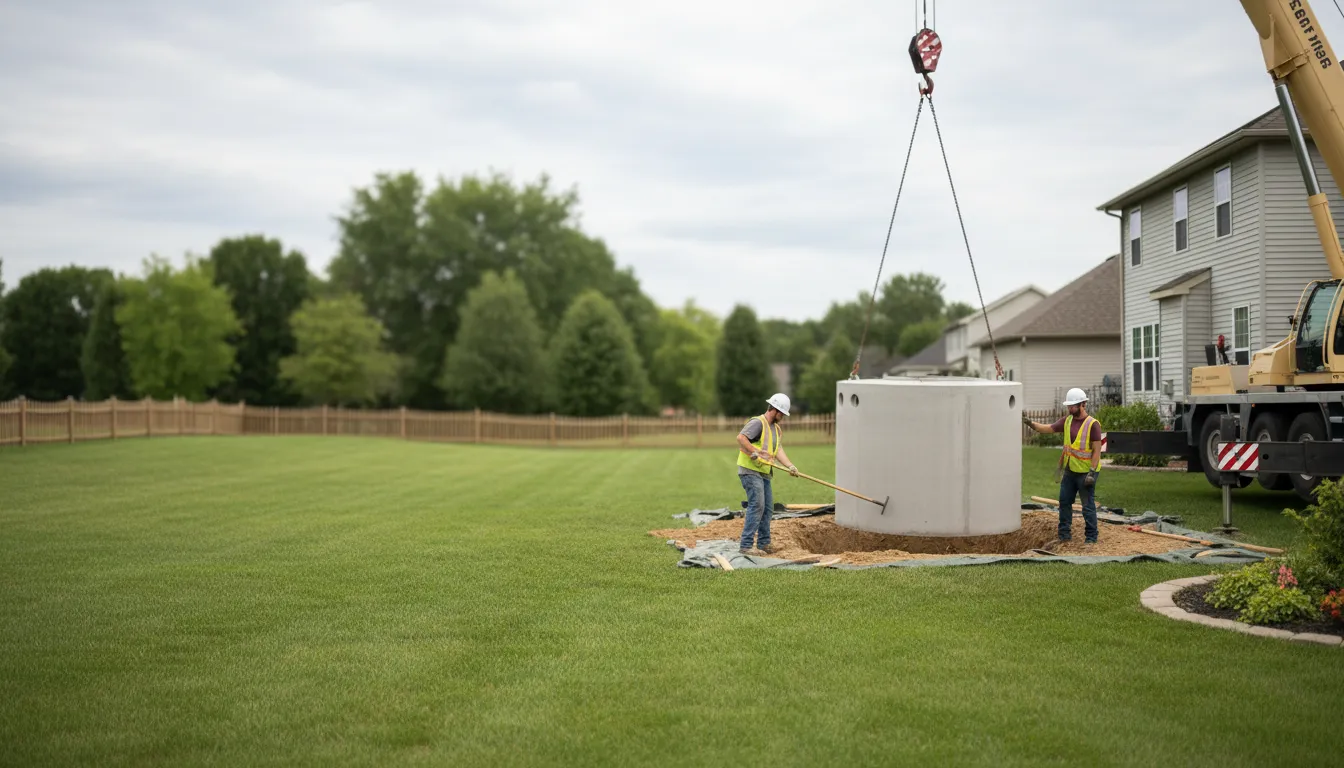
Find the Best Septic Tank Installation & Replacement Contractors for Your Business
No obligation • Fast responses • Nationwide coverage

Why you can trust Septic Spot
Septic Spot is a leading United States resource for understanding and comparing septic services. Our editors review providers using consistent criteria and verify key business details. Listings and scores are independent, and companies cannot pay to influence our content.
Search providers near you
Top Septic Tank Installation & Replacement Contractors in Concord, North Carolina Ranked
Installing or replacing a septic system is a significant investment in your property's infrastructure and environmental health. In North Carolina, this process is carefully regulated to protect groundwater and public safety, requiring specific permits and professional installation. Understanding the state's requirements, costs, and timeline is essential for a successful project, whether you're building a new home or upgrading an existing system. This guide provides the practical information you need to navigate the process and connect with qualified local professionals.

Lentz Wastewater Management - Mooresville
Charlotte, NC
Lentz Wastewater Management - Mooresville offers septic system repair, installation, and maintenance services in Charlotte, NC. They handle septic tank replacements, drain field repairs, and septic pump services, including installation of risers and sanitary tees to extend system life. The company also provides Terralift technology to address saturated drain fields without excavation. With over twenty years of experience, Lentz Wastewater Management installs various septic systems, including conventional and alternative types, and offers warranties on parts and workmanship.
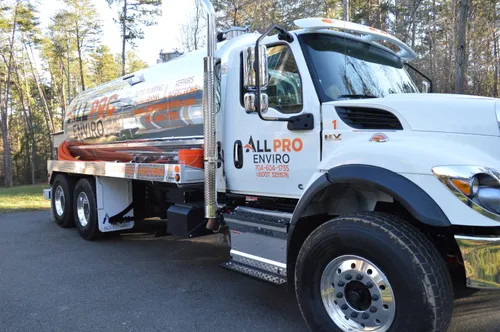
All Pro Enviro
Charlotte, NC
All Pro Enviro is a septic tank pumping, repair, and installation company serving Charlotte, NC, and nearby areas including McAdenville, Gastonia, Huntersville, and Belmont. They provide comprehensive septic system services such as routine pumping, repairs, and new tank installations. The company emphasizes customer satisfaction and offers emergency repair services to address urgent septic issues promptly. They also provide guidance on septic system maintenance to help extend the life of the system and prevent problems.
Charlotte Septic Pros
4916 Stough Rd, Concord, NC 28027
Charlotte Septic Pros is a locally owned and licensed septic company serving Charlotte, NC, and nearby towns. They provide a range of septic services including tank pumping, cleaning, inspection, repair, and installation. Their team offers upfront pricing and focuses on maintaining the safety and efficiency of septic systems. Charlotte Septic Pros is insured and committed to clear communication with customers throughout the service process.
Dahl Septic Services
214-B E North St, Albemarle, NC 28001
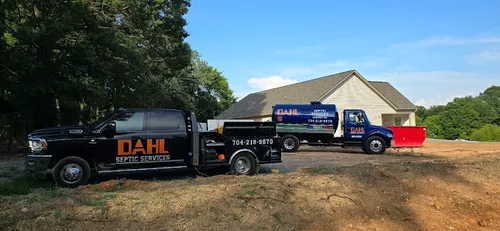
Dahl Septic Services provides a range of septic system solutions in Charlotte, NC. Their services include septic tank pumping, inspection, repairs, and installation, along with land clearing to prepare sites for new systems. The team is skilled in operating heavy machinery and holds Class A CDL certifications, ensuring they can handle various septic service needs efficiently. With years of experience in the industry, Dahl Septic Services has established itself as a knowledgeable provider in the southeastern North Carolina area.
STS Complete Septic Service & Grading
170 Butterfly Ln, Rockwell, NC 28138
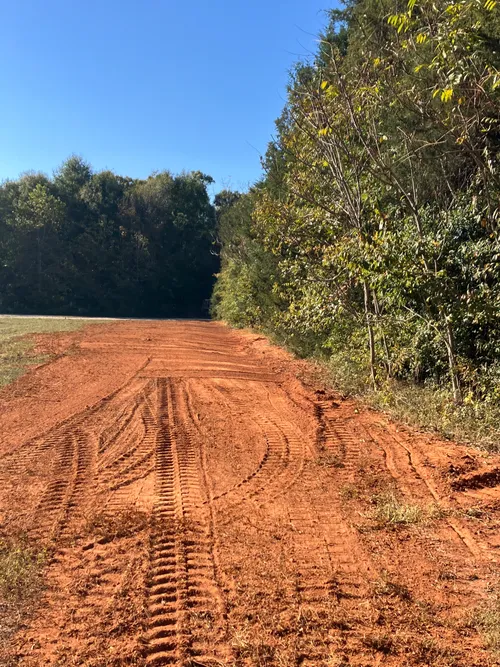
STS Complete Septic Service & Grading is a family-owned business based in Charlotte, NC, specializing in septic system services and land grading. They offer septic pumping, certified inspections, complete septic system installation and repair, as well as land clearing with a forestry mulcher and drainage repair. The company emphasizes restoring properties to their original condition or better after work is completed, combining technical septic expertise with land artistry.
Understanding North Carolina's Septic System Permitting Process
Before any digging begins, you must secure the proper permits from your local county Environmental Health Department. This multi-step process ensures your site and system design meet all state standards.
Step 1: The Improvement Permit (IP) The first official step is obtaining an Improvement Permit. A county health specialist will visit your property to conduct a thorough site and soil evaluation. They assess soil morphology (type and structure), topography, and the location of wells, property lines, and water bodies 1. This evaluation determines the wastewater loading rate and the type of system your land can support. An IP is typically valid for 60 months, though some counties may issue "perpetual" permits for the site.
Step 2: The Construction Authorization (CA) Once you have a site-approved IP, a licensed septic system designer or installer creates a detailed system design based on the evaluation. This design is submitted to the health department for review. Upon approval, you receive a Construction Authorization 2 3. This permit is your green light to obtain local building permits and begin physical installation. It specifies the exact system type, dimensions, and location that must be followed.
Step 3: Final Inspection & Operation Permit (OP) After the tank and drain field are installed but before they are backfilled (covered with soil), the health department conducts a final inspection 4. They verify that the installed system matches the approved design and meets all construction standards. Once it passes inspection, the department issues an Operation Permit, which officially allows you to use the new septic system 5.
Permit Fees Fees for these permits vary by county. A typical septic system permit can cost $500 or more, with separate fees for evaluations related to repairs or replacements often starting around $250 6. Always check with your specific county's Environmental Health Department for their exact fee schedule.
Key State Regulations and System Requirements
North Carolina's septic systems are governed by state rules (15A NCAC 18E). Adherence to these standards is non-negotiable for permit approval.
- Tank Capacity: State law mandates a minimum septic tank capacity of 1,000 gallons for a standard residential dwelling 7. For larger homes, requirements increase; a five-bedroom home, for example, typically requires a tank of at least 1,250 gallons.
- Tank Design & Materials: Tanks must be watertight and constructed from non-corrosive materials like concrete, fiberglass, or polyethylene. State rules also require that tanks be equipped with an effluent filter and accessible inspection pipes 8.
- System Types: The type of system allowed depends entirely on the site evaluation. Options include:
- Conventional Systems: Use a gravel or chambered drain field.
- Gravelless Systems: Use plastic chambers or other approved materials in the drain field.
- Engineered Systems: Required for sites with poor soil or high water tables. These may include pumps, pretreatment units, or advanced treatment technology 9.
- Setbacks: Strict distance requirements protect water sources and structures. Systems must be set back from wells, property lines, streams, buildings, and other features. Your local health department will provide the exact setbacks for your property during the site evaluation 10.
Find the perfect septic tank installation & replacement contractors for your needs
Get personalized recommendations and expert advice
The Installation and Replacement Process: What to Expect
Working with a licensed installer is crucial. They will handle the heavy lifting, but knowing the steps helps you stay informed.
- Site Preparation: The installer clears and grades the designated area according to the approved plan.
- Excavation: Holes are dug for the septic tank and the drain field trenches or bed.
- Tank Placement: The tank is set into place, connected to the home's main waste line, and leveled.
- Drain Field Construction: Gravel, chambers, or other approved materials are placed in the excavated trenches to create the absorption field. Perforated pipes are laid to distribute effluent.
- Connection & Inspection: All components are connected. The installer then notifies the health department for the mandatory final inspection before any backfilling occurs 11 12.
- Backfilling & Restoration: Once the system passes inspection, the tank and drain field are carefully backfilled with soil, and the landscape is restored as much as possible.
For system replacements, the process is similar but begins with properly abandoning the old, failed system. Often, only the drain field (or "leach field") needs replacement, though the tank may also need to be swapped out if it's damaged or undersized.
Cost Factors for Installation and Replacement in NC
Costs in North Carolina can vary widely based on system type, soil conditions, and local labor rates. Here's a general breakdown:
- New System Installation: A complete new septic system installation typically ranges from $3,000 to over $10,000. A simple conventional system on good soil will be on the lower end, while an engineered system with pumps or advanced treatment for difficult sites will be at the higher end or exceed it.
- Tank-Only Replacement: If you are only replacing an existing tank, costs generally fall between $1,500 and $5,000, plus labor for excavation, removal of the old tank, and installation of the new one 13 14.
- Drain Field Replacement: This is often the most expensive part of a system overhaul. Replacing a failed drain field can easily exceed $5,000, and costs climb significantly for larger systems or those requiring engineered solutions due to poor soil 15 16.
These are estimates. The only way to get an accurate price is to have a site evaluation and obtain quotes from licensed installers in your area.
Maintaining Your New or Replacement System
Protect your investment with proper care. North Carolina recommends pumping your septic tank every 3 to 5 years, depending on household size and tank capacity 17. Avoid pouring grease, chemicals, or non-biodegradable items down the drain. Conserve water to prevent overloading the drain field. Keep detailed records of inspections, pumping, and repairs, as these are valuable for future property sales.
Choosing a Qualified Professional
Always verify that any installer or designer is licensed by the state of North Carolina. They should be familiar with the specific regulations of your county health department. Ask for references, proof of insurance, and detailed written estimates. A reputable professional will handle the permit application process and coordinate the required health department inspections.
Frequently asked questions
Sources
Footnotes
-
NC Septic Permit Process: Step-by-Step Guide for Homeowners - https://septicandwell.com/articles/nc-septic-permit-process ↩
-
NC Septic System Permitting Process | Rowan County - https://www.rowancountync.gov/1860/NC-Septic-System-Permitting-Process ↩
-
Septic Permitting Process - Rockingham County NC - https://www.rockinghamcountync.gov/21404/Septic-Permitting-Process ↩
-
On-Site Septic Systems - Sampson County Government - https://www.sampsoncountync.gov/Government/Departments-A-Z/Environmental-Health/On-Site-Septic-Systems ↩
-
Septic Systems | Orange County, NC - https://www.orangecountync.gov/731/Septic-Systems ↩
-
Environmental Health Fee Schedule - Johnston County Government - https://www.johnstonnc.gov/envhealth/feepage.cfm ↩
-
15a ncac 18e .0801 septic tank capacity requirements - http://reports.oah.state.nc.us/ncac/title%2015a%20-%20environmental%20quality/chapter%2018%20-%20environmental%20health/subchapter%20e/15a%20ncac%2018e%20.0801.pdf ↩
-
15a ncac 18e .1402 tank design and construction - http://reports.oah.state.nc.us/ncac/title%2015a%20-%20environmental%20quality/chapter%2018%20-%20environmental%20health/subchapter%20e/15a%20ncac%2018e%20.1402.pdf ↩
-
Compact Septic Systems: Big Solutions for Small Spaces - https://www.blueribbonseptic.com/blog/inspect-septic-system-buying-house ↩
-
Viking AVL | Septic Inspections Hendersonville NC: Your Complete Home Buyer's Guide - https://vikingavl.com/septic-inspections-hendersonville-nc-your-complete-home-buyer-s-guide ↩
-
Step-by-Step Guide to Septic Tank Installation | Septic Blue of Raleigh - https://www.septicblueraleigh.com/understanding-the-septic-tank-installation-process-step-by-step-html ↩
-
Understanding Your Septic System Design and Installation Timeline: A Comprehensive Guide - https://www.mapengineering.net/understanding-your-septic-system-design-and-installation-timeline/ ↩
-
Guide to Installing a Septic in Pender County - https://www.coastalsepticsolutions.com/blog/complete-guide-to-installing-a-septic-system-in-pender-county-nc ↩
-
Septic Tank Installation Cost: 2026 Guide for Homewners - Modernize - https://modernize.com/plumbing/systems/drainage/septic-tank-installation ↩
-
How Much Does a Septic System & Septic Tank Cost - NexGen Septics - https://www.nexgenseptics.com/septic-system-cost/ ↩
-
Septic System: Costs, Pros and Cons, FAQs Explained - https://www.maxrealestateexposure.com/septic-system-cost/ ↩
-
Septic System Owner's Guide | NC State Extension Publications - https://content.ces.ncsu.edu/septic-system-owners-guide ↩