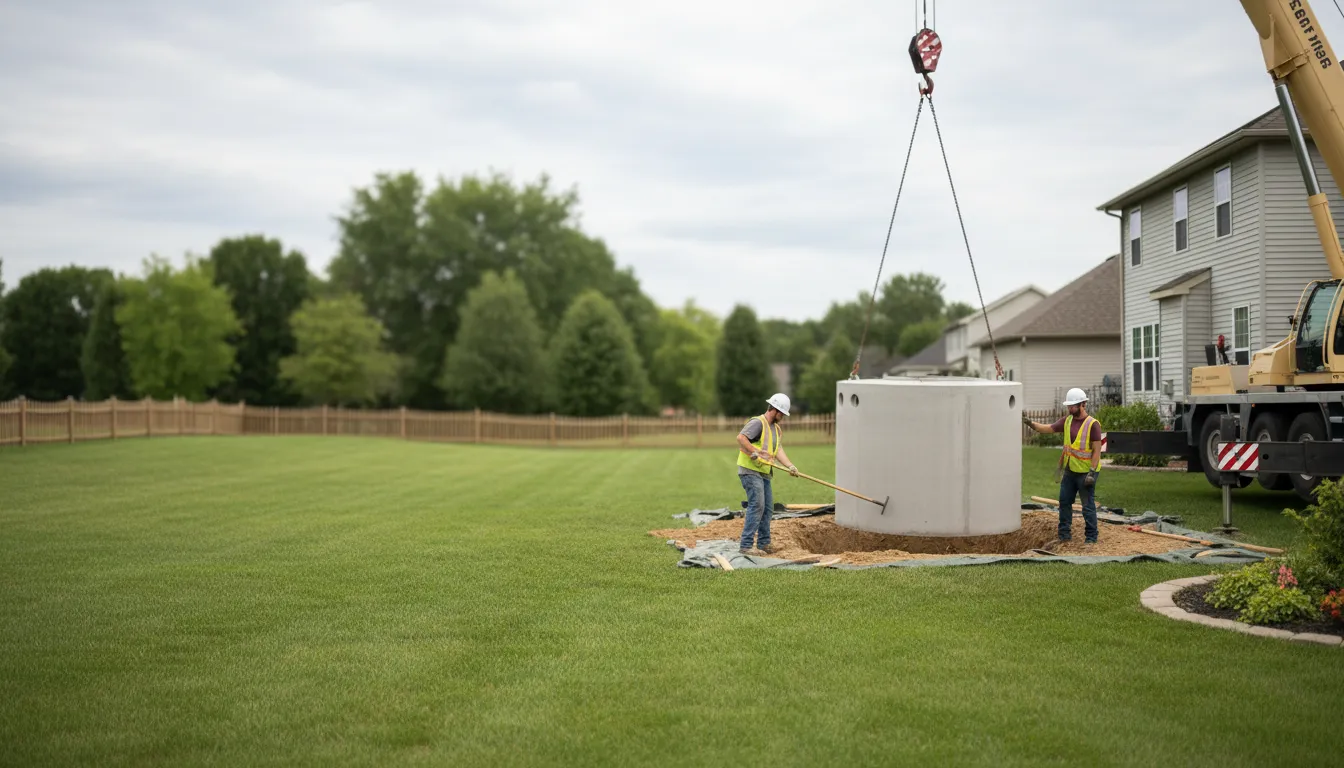
Find the Best Septic Tank Installation & Replacement Contractors for Your Business
No obligation • Fast responses • Nationwide coverage

Why you can trust Septic Spot
Septic Spot is a leading United States resource for understanding and comparing septic services. Our editors review providers using consistent criteria and verify key business details. Listings and scores are independent, and companies cannot pay to influence our content.
Search providers near you
Top Septic Tank Installation & Replacement Contractors in Gastonia, North Carolina Ranked
Installing or replacing a septic system is a significant home infrastructure project that ensures the safe and efficient treatment of household wastewater. In Gastonia, this process is governed by specific local and state regulations designed to protect public health and the environment. Understanding the permitting steps, site evaluation requirements, and typical costs can help you plan effectively. This guide provides a clear overview of what to expect when you need a new septic system or a full system replacement in the Gastonia area, helping you connect with qualified local professionals for your project.
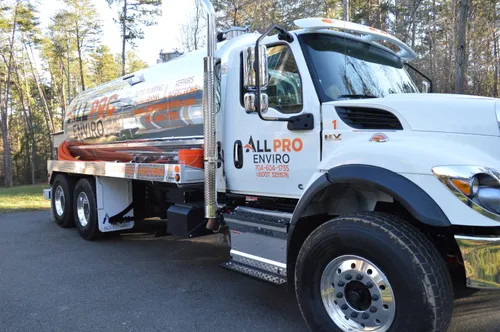
All Pro Enviro
Charlotte, NC
All Pro Enviro is a septic tank pumping, repair, and installation company serving Charlotte, NC, and nearby areas including McAdenville, Gastonia, Huntersville, and Belmont. They provide comprehensive septic system services such as routine pumping, repairs, and new tank installations. The company emphasizes customer satisfaction and offers emergency repair services to address urgent septic issues promptly. They also provide guidance on septic system maintenance to help extend the life of the system and prevent problems.

Lentz Wastewater Management - Mooresville
Charlotte, NC
Lentz Wastewater Management - Mooresville offers septic system repair, installation, and maintenance services in Charlotte, NC. They handle septic tank replacements, drain field repairs, and septic pump services, including installation of risers and sanitary tees to extend system life. The company also provides Terralift technology to address saturated drain fields without excavation. With over twenty years of experience, Lentz Wastewater Management installs various septic systems, including conventional and alternative types, and offers warranties on parts and workmanship.
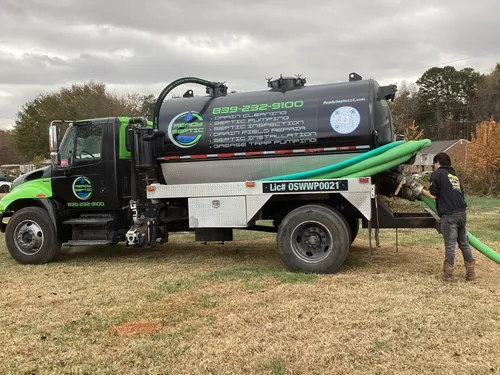
Ready Septic
3925 Woodlawn St, Sharon, SC 29742
Ready Septic is a septic service company based in Charlotte, NC, specializing in residential and commercial sewer and septic system services. They serve York County, SC, and surrounding areas including Greenville, Spartanburg, and Columbia. Their offerings include septic tank pumping, installation, inspection, drain cleaning, hydro jetting, sewer repair, and sump pump services. Ready Septic uses advanced diagnostic tools and high-capacity vacuum technology to maintain and repair septic systems, ensuring compliance with local health codes. With over 30 years of combined industry experience, they provide solutions tailored to local soil and topographic conditions.
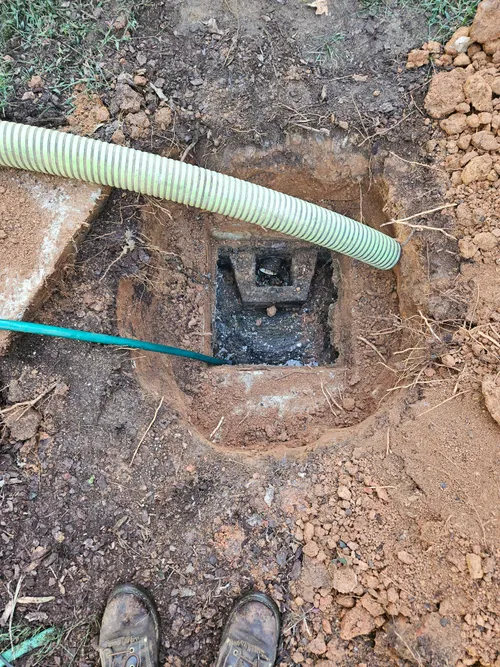
Willie's Septic Services
Charlotte, NC
Willie's Septic Services is a locally owned septic system company serving Charlotte, NC, and the surrounding York County area including Rock Hill and Fort Mill, SC. They provide septic tank pumping, installation, and repair services. With over 40 years of experience, the company is equipped to handle various septic system needs and emphasizes doing the job right the first time. They also offer after-hours service, responding to urgent calls on weekends and evenings.
NC Septic & Pump Specialist, LLC
Charlotte, NC
NC Septic & Pump Specialist, LLC is a licensed septic service provider based in Charlotte, NC, offering a full range of septic system solutions. Their services include septic tank pumping, inspections, repairs, installations, and drain field repairs. The company employs Level 4 licensed installers and experienced technicians who handle everything from routine maintenance to complex system installations and repairs. With over eight years of industry experience, they serve Charlotte and surrounding areas, including Kannapolis and Concord. Their expertise includes thorough septic inspections and advanced septic system installations, ensuring compliance with local standards.
Understanding the Septic System Installation Process
The journey to a new septic system in Gastonia is a structured, multi-step process managed by Gaston County Environmental Health. It's crucial to follow these steps in order, as each stage builds upon the previous approval. The process is designed to ensure your property is suitable and that the system is designed and built to North Carolina standards.
First, you must secure a City of Gastonia Zoning Permit before applying for any septic-related permits 1. Once zoning is confirmed, the county's three-stage permitting process begins:
- Improvement Permit (IP): This is the initial site evaluation phase. A county specialist will assess your property's suitability for an onsite wastewater system. This permit is valid for five years 2.
- Authorization to Construct (AC): After your site receives an Improvement Permit, a licensed soil scientist or professional engineer designs a system specific to your property. This design is submitted for the AC, which gives you approval to begin physical installation. This authorization is also valid for five years 3 4.
- Operation Permit (OP): Once construction is complete and has passed all required inspections, the county issues the final Operation Permit. This permit allows you to legally use your new septic system 5.
The Critical Role of Soil Evaluation
A cornerstone of septic system planning in North Carolina is the soil evaluation. Unlike older "percolation" or "perc" tests, the state now requires a detailed soil profile evaluation. A licensed soil scientist will examine the soil texture, structure, depth to seasonal water tables, and other characteristics by digging test pits or boreholes on your property.
Based on this analysis, your site will be classified as Suitable, Provisionally Suitable, or Unsuitable for a conventional gravity-fed drain field 6 7. This evaluation directly determines the type of system you can install. Properties with poor drainage or high water tables may require more advanced (and more expensive) alternative systems, such as low-pressure pipe (LPP) or aerobic treatment units (ATUs).
Mandatory Inspections During Installation
You cannot simply install a septic tank and drain field and cover them up. Gaston County requires mandatory inspections by an Environmental Health Specialist at critical points during construction to ensure compliance with the approved design 8.
Key inspection points typically include:
- Layout/Pre-construction: Verifying the staked location of the tank and drain field lines.
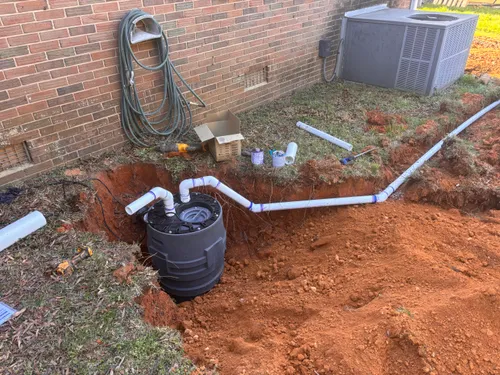
- Tank Placement: Inspecting the excavated hole, the tank's level placement, and its connections before backfilling.
- Drain Field Trench/Bed Construction: Checking the gravel, distribution pipes, and soil cover before the drain field is covered 9 10.
Failing an inspection will require corrective work and a reinspection, which often incurs additional fees. The final inspection walkthrough is necessary to obtain your Operation Permit.
Find the perfect septic tank installation & replacement contractors for your needs
Get personalized recommendations and expert advice
Cost Considerations for Septic System Projects
The cost of a new septic system installation or a full system replacement in Gastonia can vary widely. For a standard residential gravity-fed system, homeowners can generally expect costs to range from $2,135 to $6,845, with an average around $4,276 based on data from the broader Charlotte region 11.
Several factors influence the final price:
- System Type & Size: A basic system for a smaller home costs less than a large system or one requiring advanced treatment technology.
- Site Conditions: Difficult terrain, rocky soil, or the need for extensive clearing and grading will increase labor and equipment costs.
- Permit & Design Fees: Gaston County charges fees for application processing, permits, and inspections. The local Mecklenburg County fee schedule provides a reference, listing charges for new system permits, soil evaluations, and reinspections 12.
- Soil Evaluation Results: If your soil evaluation deems the site only "Provisionally Suitable," you will likely need a more complex engineered system, which can significantly increase the project cost beyond the average range.
Planning for a System Replacement
Replacing a failing or outdated septic system follows the same permitting and installation process as a new installation. If you are building an addition or increasing your home's water usage, you may also need to upgrade your system's capacity, which effectively requires a replacement.
Signs you may need a septic system replacement include persistent drain field backups, soggy ground or sewage odors in your yard, and consistently high nitrate levels in well water tests. Starting with a professional assessment and the county's Improvement Permit process is the first step to determining the best path forward for your property.
Choosing a Qualified Installation Professional
Given the technical and regulatory complexity, selecting an experienced, licensed septic installer is paramount. Look for contractors familiar with Gaston County's specific procedures and inspection requirements. They should handle the permit application process, coordinate with the soil scientist for design, and schedule all necessary county inspections. A reputable professional will ensure your new or replacement system is compliant, functional, and built to last.
Frequently asked questions
Sources
Footnotes
-
Permits & Inspections - City of Gastonia - https://www.gastonianc.gov/doing-business/permits-inspections.html ↩
-
NC Septic System Permitting Process | Rowan County - https://www.rowancountync.gov/1860/NC-Septic-System-Permitting-Process ↩
-
On-Site Wastewater and Wells | Gaston County, NC - https://www.gastongov.com/1220/On-Site-Wastewater-and-Wells ↩
-
NC General Statutes - Chapter 130A Article 11 - https://www.ncleg.gov/EnactedLegislation/Statutes/PDF/ByArticle/Chapter_130A/Article_11.pdf ↩
-
Septic System Program - AppHealthCare - https://www.apphealthcare.com/environmental-health/septic-system-program/ ↩
-
North Carolina Soil Evaluations: The New Standard for Septic ... - https://www.creechsplumbing.com/blog/2024/february/perc-tests-are-no-longer-used-uncovering-north-c/ ↩
-
North Carolina Onsite Wastewater Rules - Environmental Health - https://ehs.dph.ncdhhs.gov/oswp/docs/rules/1900-Rules-08-2017.pdf ↩
-
Colorado Septic Tank Requirements | On-site Wastewater Treatment Systems - https://www.ntotank.com/blog/colorado-septic-tank-requirements ↩
-
NC Septic Permit Process: Step-by-Step Guide for Homeowners - https://septicandwell.com/articles/nc-septic-permit-process ↩
-
Septic Site Assessment for Successful Septic Installation - https://smartsepticpros.com/blog/septic-site-assessment/ ↩
-
How Much Does It Cost To Install a Septic System in Charlotte, NC? - https://www.angi.com/articles/what-does-it-cost-install-septic-system/nc/charlotte ↩
-
Septic System Fee Schedule - Public Health - https://health.mecknc.gov/environmental-health/groundwater-and-wastewater-services/septic-system-fee-schedule ↩