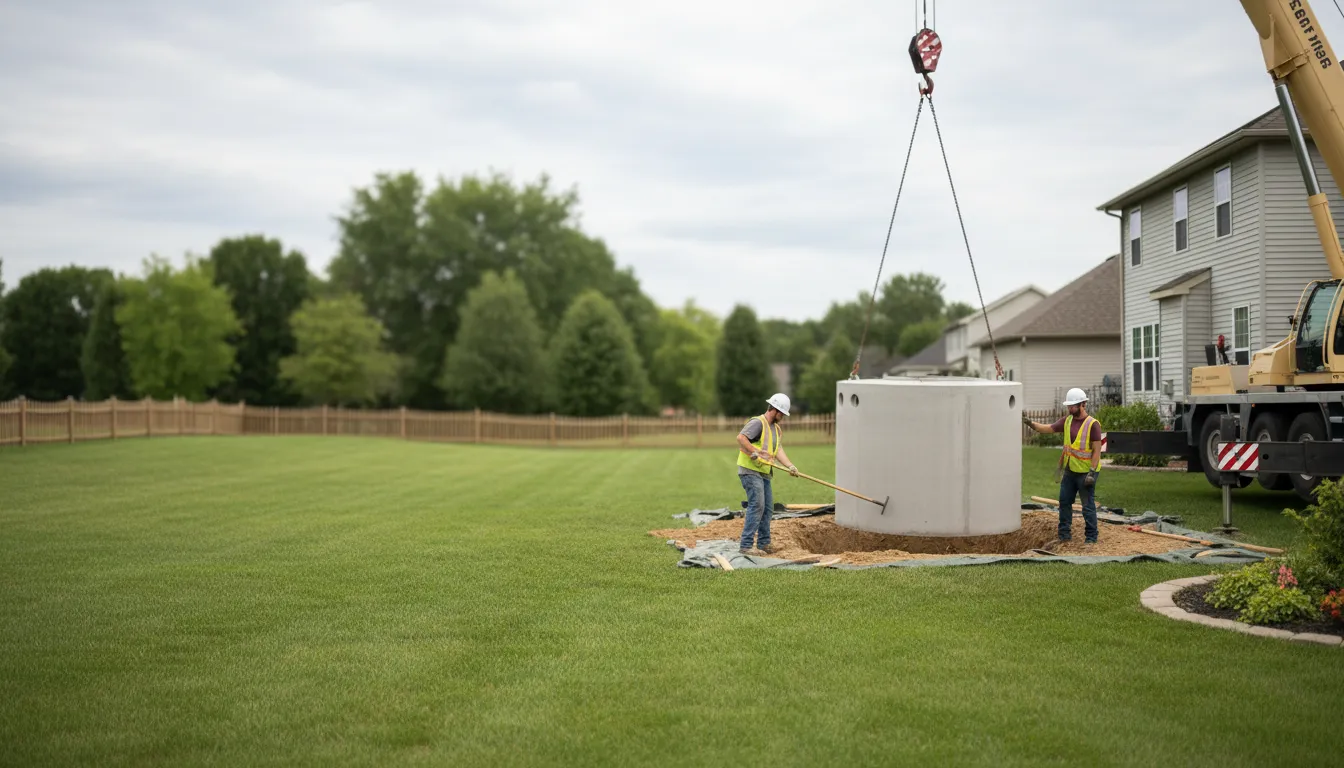
Find the Best Septic Tank Installation & Replacement Contractors for Your Business
No obligation • Fast responses • Nationwide coverage

Why you can trust Septic Spot
Septic Spot is a leading United States resource for understanding and comparing septic services. Our editors review providers using consistent criteria and verify key business details. Listings and scores are independent, and companies cannot pay to influence our content.
Search providers near you
Top Septic Tank Installation & Replacement Contractors in Huntersville, North Carolina Ranked
Installing or replacing a septic system is a significant investment in your property's long-term functionality and environmental health. In Huntersville, these onsite wastewater systems are regulated by Mecklenburg County to ensure they protect public health and groundwater. This guide explains the local permitting process, installation steps, and costs, helping you understand what to expect when planning a new septic system installation or a major septic tank replacement project.
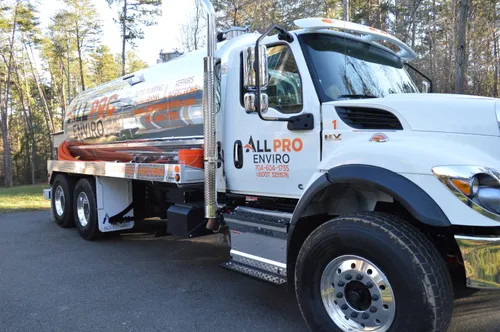
All Pro Enviro
Charlotte, NC
All Pro Enviro is a septic tank pumping, repair, and installation company serving Charlotte, NC, and nearby areas including McAdenville, Gastonia, Huntersville, and Belmont. They provide comprehensive septic system services such as routine pumping, repairs, and new tank installations. The company emphasizes customer satisfaction and offers emergency repair services to address urgent septic issues promptly. They also provide guidance on septic system maintenance to help extend the life of the system and prevent problems.

Lentz Wastewater Management - Mooresville
Charlotte, NC
Lentz Wastewater Management - Mooresville offers septic system repair, installation, and maintenance services in Charlotte, NC. They handle septic tank replacements, drain field repairs, and septic pump services, including installation of risers and sanitary tees to extend system life. The company also provides Terralift technology to address saturated drain fields without excavation. With over twenty years of experience, Lentz Wastewater Management installs various septic systems, including conventional and alternative types, and offers warranties on parts and workmanship.
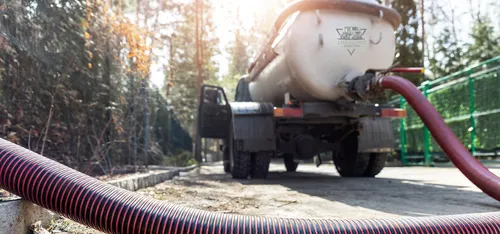
Charlotte Septic Pros
4916 Stough Rd, Concord, NC 28027
Charlotte Septic Pros is a locally owned and licensed septic company serving Charlotte, NC, and nearby towns. They provide a range of septic services including tank pumping, cleaning, inspection, repair, and installation. Their team offers upfront pricing and focuses on maintaining the safety and efficiency of septic systems. Charlotte Septic Pros is insured and committed to clear communication with customers throughout the service process.
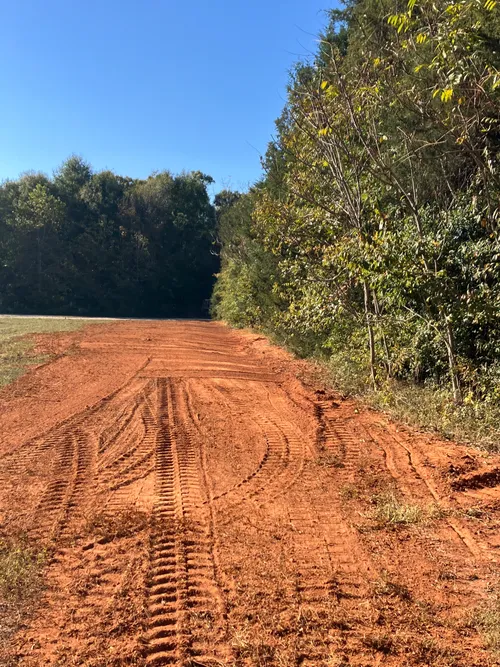
STS Complete Septic Service & Grading
170 Butterfly Ln, Rockwell, NC 28138
STS Complete Septic Service & Grading is a family-owned business based in Charlotte, NC, specializing in septic system services and land grading. They offer septic pumping, certified inspections, complete septic system installation and repair, as well as land clearing with a forestry mulcher and drainage repair. The company emphasizes restoring properties to their original condition or better after work is completed, combining technical septic expertise with land artistry.
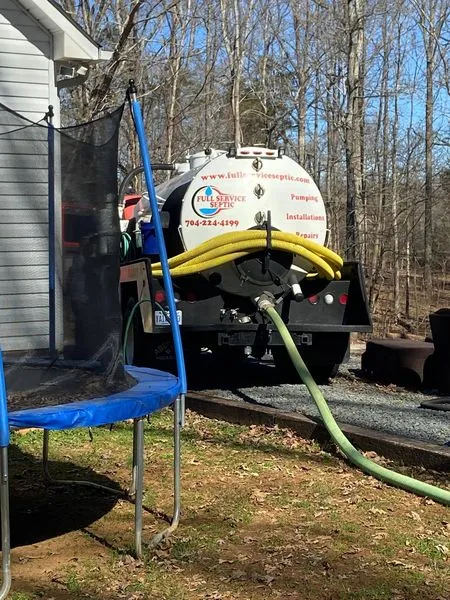
Full Service Septic
430 Cooper Rd, Salisbury, NC 28147
Full Service Septic is a septic tank pumping, inspection, repair, and installation company serving Charlotte, NC. They provide services for both residential and commercial septic systems, including drain field repair and septic pump replacement. The company offers expertise in maintaining and installing septic systems that meet current codes, helping customers manage their septic needs effectively. Their team includes specialized technicians for drain field issues and focuses on preventative maintenance to address problems early and avoid costly repairs.
Understanding Septic Systems in Mecklenburg County
A septic system is a self-contained, on-property wastewater treatment solution common in areas without municipal sewer service. It consists of a septic tank, where solids settle and begin to decompose, and a drain field (or leach field), where treated liquid effluent is dispersed into the soil for final purification. In Huntersville, all new installations, replacements, and major repairs are overseen by the Mecklenburg County Environmental Health department to ensure they meet state and local codes.
Proper system design is critical, as a failing system can lead to sewage backups, foul odors, and contamination of nearby wells or waterways. The local climate and soil conditions heavily influence the type of system that can be installed and its overall cost and longevity.
The Two-Step Permitting Process
Mecklenburg County requires a two-step permitting process for any new septic system installation or complete replacement. You cannot begin construction until you have received the second permit.
Step 1: The Improvement Permit (IP)
The first official step is obtaining an Improvement Permit. This permit evaluates your property's suitability for a septic system. To apply, you must submit a site plan and the results of a soil evaluation, commonly known as a perc test. The county reviews this information to determine the maximum design flow for the home and the general location for the drain field. The IP confirms that, in principle, a conventional system can be installed on your lot.
Step 2: The Construction Authorization (CA)
Once you have an Improvement Permit, you or your licensed installer can apply for the Construction Authorization. This is the actual permit to build. The CA will specify the approved system design, including the tank size, drain field dimensions, and any special requirements 1 2. Only after receiving the CA can excavation and installation begin. This two-stage process helps prevent costly mistakes by ensuring the site is viable before detailed design work is completed.
The Critical Role of Soil Testing
The cornerstone of any septic system project is the soil evaluation. North Carolina law requires a site evaluation by a licensed soil scientist or geologist. This is much more than a simple percolation test; it's a comprehensive analysis of your property's soil conditions.
The scientist will dig deep observation pits to assess:
- Soil Texture and Structure: The composition (sand, silt, clay) and how the soil particles are arranged affect how quickly water can flow through.
- Depth to Seasonal High Water Table: The system must be placed sufficiently above the highest level the groundwater rises to, preventing contamination.
- Presence of Restrictive Layers: Layers like hardpan or bedrock can prevent proper effluent treatment and dispersal.
The findings from this report directly determine the type of system you can install, the size of the drain field, and its optimal location on your lot. A favorable soil report is essential for obtaining your Improvement Permit.
Choosing a Licensed Installer
In most cases, North Carolina law requires that a state-licensed onsite wastewater system contractor perform the installation 3. While owner-occupants may install a system on their own primary residence under specific circumstances, this is a complex undertaking with significant liability. Hiring a professional installer ensures the work meets all code requirements and passes the necessary inspections.
A qualified installer will:
- Help navigate the county permit application process.
- Understand local soil conditions and system design requirements.
- Obtain all necessary Construction Authorizations.
- Schedule and coordinate with county inspectors.
- Use proper equipment and techniques for excavation and installation.
Installation & Inspection Stages
Once permits are secured and an installer is hired, the physical installation follows a defined sequence with mandatory inspections.
- Pre-Construction Review: The county environmental health specialist may visit the site with the installer to review the staked-out design from the Construction Authorization.
- Excavation and Tank Placement: The hole for the septic tank and the trenches for the drain field are dug. The septic tank (typically concrete, plastic, or fiberglass) is set in place and leveled.
- Intermediate Inspection: Before the tank and drain field piping are connected and covered, the county inspector must visit the site. They will check the tank's elevation, the integrity of the tank and pipes, the depth and grade of the drain field trenches, and the placement of gravel or other distribution media. This is a critical inspection to catch any issues.
- Final Inspection: After the installer has connected all components and is ready to backfill, they request a final inspection. The inspector ensures everything is completed according to the approved plans and state regulations. Only after passing this final inspection can the system be covered with soil 4.
Find the perfect septic tank installation & replacement contractors for your needs
Get personalized recommendations and expert advice
Cost Breakdown for Huntersville
The total cost for a new septic system installation in the Huntersville and greater Charlotte area can vary widely based on soil conditions, system type, tank material, and property accessibility. However, data indicates a typical range.
- Total Installation Cost: For a standard conventional gravity-fed system, total costs typically range from $2,135 to over $6,800, with an average cost in the area around $4,276 5 6. Complex sites requiring advanced treatment systems (like mound systems or aerobic treatment units) can cost significantly more.
- Permit Fees: Mecklenburg County charges separate fees for the Improvement Permit and Construction Authorization. For a standard residential system (under 480 gallons per day flow), total permit fees are typically around $500, but this can vary based on the project's complexity and the type of system 7 8.
- Soil Evaluation: The critical soil scientist site evaluation is a separate cost paid directly to the consultant and typically ranges from $500 to $1,500 or more, depending on the property's size and complexity 9.
- Tank Replacement vs. Full System Replacement: Replacing just a failing tank is less expensive than replacing an entire drain field. Drain field replacement often requires a new permit and can cost thousands of dollars, as it involves major excavation and new distribution lines 10 11.
Maintaining and Replacing an Existing System
A well-maintained conventional septic system can last 25-40 years. Key maintenance includes having the tank pumped every 3-5 years by a licensed pumper and avoiding flushing harmful chemicals or non-biodegradable materials 12.
Signs you may need a septic tank replacement or major repair include:
- Sewage backups in household drains.
- Bright green, spongy grass over the drain field, especially during dry weather.
- Standing water or foul odors near the tank or drain field.
- Slow-draining fixtures throughout the home.
If a component fails, any repair or replacement that alters the system's design or location requires a new permit from Mecklenburg County Environmental Health 13. It is illegal to repair or replace a septic system without the proper county authorization.
Frequently asked questions
Sources
Footnotes
-
Navigating the Septic System Permit and Installation Process ... - https://carolinaearthwerx.com/blogs/news/navigating-the-septic-system-permit-and-installation-process-in-north-carolina ↩
-
NC Septic Permit Process: Step-by-Step Guide for Homeowners - https://septicandwell.com/articles/nc-septic-permit-process ↩
-
FAQ's | North Carolina Onsite Wastewater Contractor ... - https://ncowcicb.info/faqs/ ↩
-
Investigate Before You Invest - NC State Extension Publications - https://content.ces.ncsu.edu/investigate-before-you-invest ↩
-
Cost to Install a Septic System in Charlotte [2026 Data] - Angie's List - https://www.angi.com/articles/what-does-it-cost-install-septic-system/nc/charlotte ↩
-
How Much Does a Septic Inspection Cost? [2026 Data] | Angi - https://www.angi.com/articles/septic-inspection-cost.htm ↩
-
Septic System Fee Schedule - Public Health - https://health.mecknc.gov/environmental-health/groundwater-and-wastewater-services/septic-system-fee-schedule ↩
-
Environmental Health Fee Schedule - Johnston County Government - https://www.johnstonnc.gov/envhealth/feepage.cfm ↩
-
Perc Tests and Septic Systems: What Land Buyers Must Know Before Closing | Aspyre Realty Group - https://aspyrerealtygroup.com/nc-perc-tests-and-septic-guide-2025/ ↩
-
FAQ: Septic System Permits - https://mseptic.com/blog/2019/7/22/faq-septic-system-permits ↩
-
Huntersville NC Septic Tank Repair | Septic Installation & Replacement - https://www.lentzwastewater.com/huntersville-nc/ ↩
-
Septic System Owner's Guide | NC State Extension Publications - https://content.ces.ncsu.edu/septic-system-owners-guide ↩
-
Septic System Services - https://www.leducusa.com/services/septic-system-services/ ↩