Find the Best Septic Tank Installation & Replacement Contractors for Your Business
No obligation • Fast responses • Nationwide coverage

Why you can trust Septic Spot
Septic Spot is a leading United States resource for understanding and comparing septic services. Our editors review providers using consistent criteria and verify key business details. Listings and scores are independent, and companies cannot pay to influence our content.
Search providers near you
Top Septic Tank Installation & Replacement Contractors in Kannapolis, North Carolina Ranked
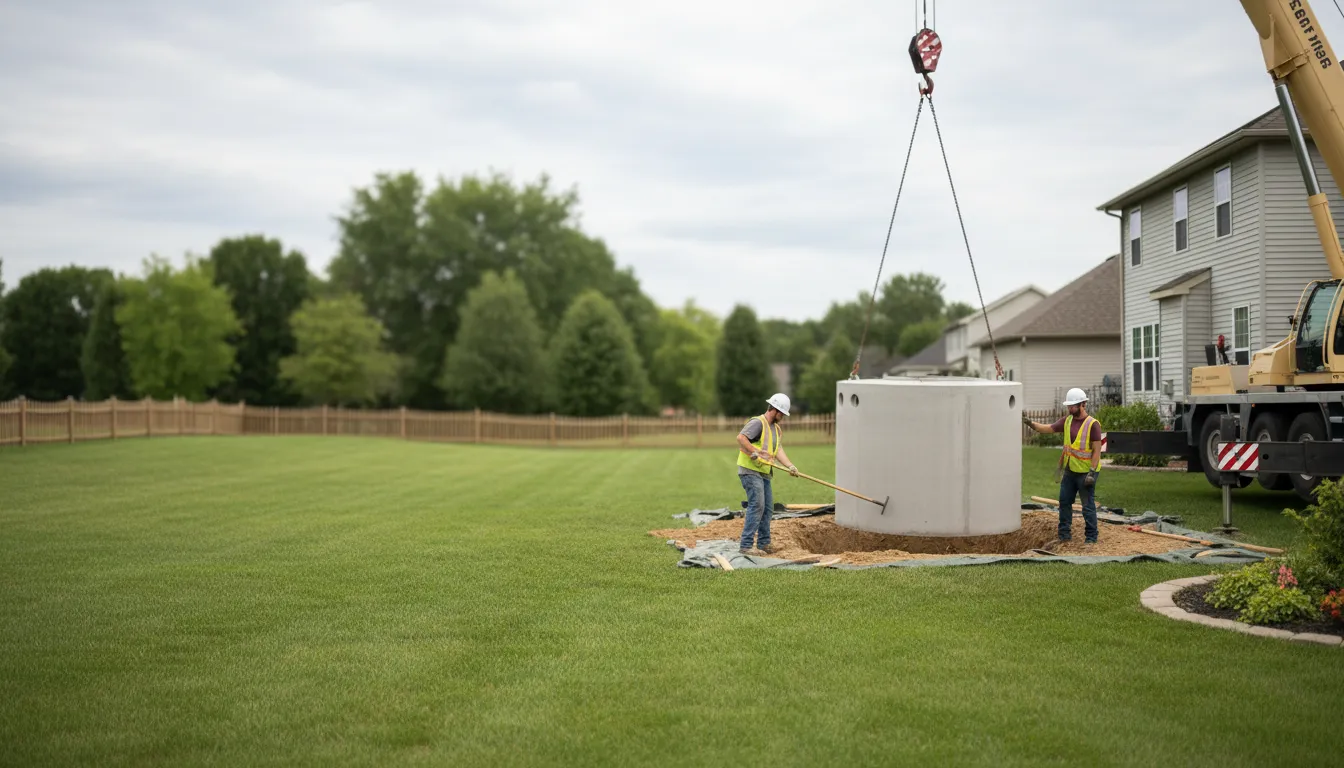
Installing or replacing a septic system is a significant investment in your property's long-term functionality and environmental health. For homes and businesses in Kannapolis not connected to municipal sewer lines, a properly designed and permitted on-site wastewater system is essential. This process involves navigating specific local regulations, securing permits, and working with certified professionals. The following guide explains the key steps, costs, and considerations for septic system work in Cabarrus County, helping you understand what to expect and how to connect with qualified local installers.

Lentz Wastewater Management - Mooresville
Charlotte, NC
Lentz Wastewater Management - Mooresville offers septic system repair, installation, and maintenance services in Charlotte, NC. They handle septic tank replacements, drain field repairs, and septic pump services, including installation of risers and sanitary tees to extend system life. The company also provides Terralift technology to address saturated drain fields without excavation. With over twenty years of experience, Lentz Wastewater Management installs various septic systems, including conventional and alternative types, and offers warranties on parts and workmanship.
All Pro Enviro
Charlotte, NC
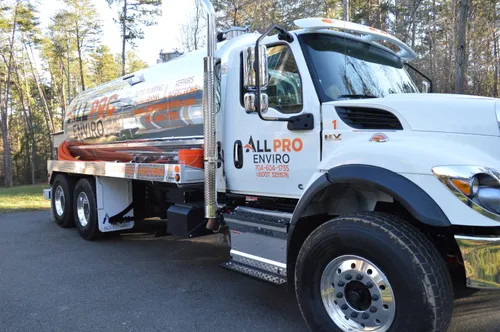
All Pro Enviro is a septic tank pumping, repair, and installation company serving Charlotte, NC, and nearby areas including McAdenville, Gastonia, Huntersville, and Belmont. They provide comprehensive septic system services such as routine pumping, repairs, and new tank installations. The company emphasizes customer satisfaction and offers emergency repair services to address urgent septic issues promptly. They also provide guidance on septic system maintenance to help extend the life of the system and prevent problems.
Charlotte Septic Pros
4916 Stough Rd, Concord, NC 28027
Charlotte Septic Pros is a locally owned and licensed septic company serving Charlotte, NC, and nearby towns. They provide a range of septic services including tank pumping, cleaning, inspection, repair, and installation. Their team offers upfront pricing and focuses on maintaining the safety and efficiency of septic systems. Charlotte Septic Pros is insured and committed to clear communication with customers throughout the service process.
Dahl Septic Services
214-B E North St, Albemarle, NC 28001
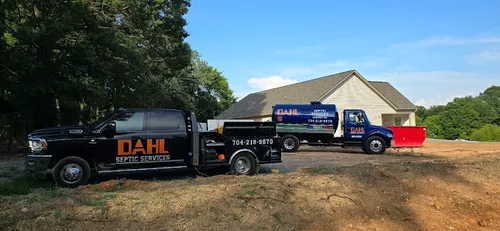
Dahl Septic Services provides a range of septic system solutions in Charlotte, NC. Their services include septic tank pumping, inspection, repairs, and installation, along with land clearing to prepare sites for new systems. The team is skilled in operating heavy machinery and holds Class A CDL certifications, ensuring they can handle various septic service needs efficiently. With years of experience in the industry, Dahl Septic Services has established itself as a knowledgeable provider in the southeastern North Carolina area.
STS Complete Septic Service & Grading
170 Butterfly Ln, Rockwell, NC 28138
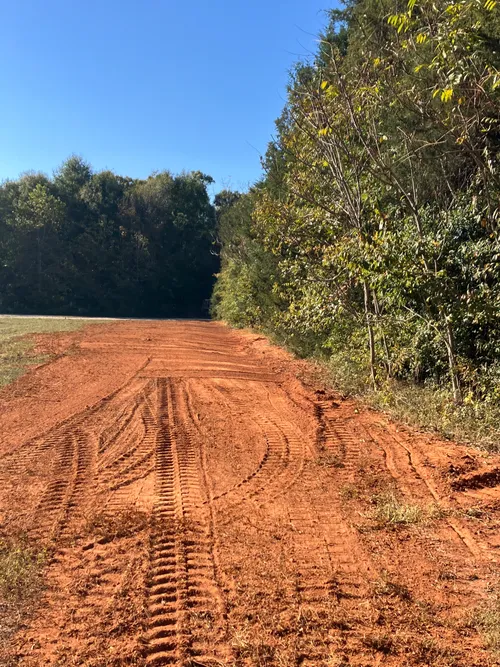
STS Complete Septic Service & Grading is a family-owned business based in Charlotte, NC, specializing in septic system services and land grading. They offer septic pumping, certified inspections, complete septic system installation and repair, as well as land clearing with a forestry mulcher and drainage repair. The company emphasizes restoring properties to their original condition or better after work is completed, combining technical septic expertise with land artistry.
Understanding the Regulatory Authority in Kannapolis
All septic system installations and replacements in Kannapolis are regulated by the Cabarrus Health Alliance (CHA), the local public health authority. This agency is responsible for protecting groundwater and public health by ensuring that on-site wastewater systems are designed and built to state standards. You cannot begin any construction on a new or replacement septic system without their approval. The process is designed to verify that your specific property can safely treat and disperse wastewater based on a detailed evaluation of the soil and site conditions.
The Permit Process: A Step-by-Step Overview
Navigating the permit sequence is the most critical part of the project. North Carolina has a defined, multi-stage process that must be followed in order.
-
Site Evaluation (Soil Evaluation): This is the mandatory first step, often still referred to as a "perc test," though North Carolina now uses a more comprehensive soil evaluation method 1. A specialist from the health department will visit your property to assess soil texture, structure, depth to bedrock, and seasonal water table levels 2 3 4. You must submit an application and a site plan. The fee for this evaluation in Cabarrus County is $325 for the first acre, plus $60 for each additional acre. Property owners are typically required to clear the site and clearly mark property lines and proposed building corners before this evaluation can occur 4 5.
-
Improvement Permit (IP): If the site is found suitable, you will be issued an Improvement Permit. This permit approves the design of the septic system for your lot. It is based on the soil evaluation results and will specify the type and size of system required. There is a $50 application fee for this permit 6.
-
Construction Authorization (CA): After obtaining the IP, you must apply for a Construction Authorization before any digging can start. This step authorizes the actual installation. The fee for the Construction Authorization in Cabarrus County is $250. You must hire a state-certified septic system installer to perform the work.
-
Inspections During Installation: The certified installer will construct the system according to the permitted design. The Cabarrus Health Alliance must inspect the installation at key stages before the system is covered with soil 7. This typically includes inspections of the tank placement, distribution box, and drain field trenches.
-
Final Inspection & Operation Permit (OP): Once the installation passes final inspection, the health department will issue an Operation Permit 8 9. You cannot use the septic system until you have received the Operation Permit. This permit is your official record that the system was installed correctly and is approved for use.
For septic system repairs, a separate permit is required. The repair permit process involves a $50 application fee and a $100 permit fee 10 11.
Types of Septic Systems and Installation Costs
The type of system you need is determined by the soil evaluation. A conventional gravity-fed system with a drain field is the most common and least expensive option, but not all lots can support one.
- Conventional Systems: These rely on suitable soil depth and permeability for wastewater to filter through the drain field trenches. They are the standard where conditions allow.
- Engineered (Advanced) Systems: If your soil has poor drainage, a high water table, or limited space, you may need an engineered system. These can include low-pressure pipe (LPP) systems, sand filters, or aerobic treatment units (ATUs) that often require pumps and electrical components.
Costs for septic system installation vary widely based on system type, soil conditions, tank size, and property layout. For the Kannapolis and greater Charlotte region, total installation costs for a standard system often range between $2,135 and $6,845 12. However, for more complex engineered systems that require pumps, advanced treatment, or special construction, costs can easily exceed $10,000 to $15,000 12 13. Remember, these cost estimates are for the installation itself and do not include the required permit and evaluation fees paid to the health department.
Find the perfect septic tank installation & replacement contractors for your needs
Get personalized recommendations and expert advice
Choosing a Certified Installation Contractor
Selecting the right professional is crucial. In North Carolina, septic system construction must be performed by a state-certified wastewater system contractor. Always verify a contractor's certification with the North Carolina On-Site Wastewater Contractors and Inspectors Certification Board. A reputable contractor will:
- Be familiar with Cabarrus Health Alliance procedures and inspectors.
- Handle the submission of construction plans and the scheduling of required inspections.
- Provide a detailed written contract outlining the scope of work, system specifications, timeline, payment schedule, and warranty information.
- Obtain all necessary county building permits related to the excavation and installation.
Preparing for a System Replacement
If you are replacing a failing septic system, the process is largely the same as a new installation. The health department will need to evaluate the site again, as conditions may have changed. The replacement system must meet current codes, which may be more stringent than when the original system was installed. It's also an opportunity to correct any issues with the original layout or to accommodate changes in household size or water usage.
Long-Term Responsibilities of the Homeowner
After your new septic system is installed and permitted, proper maintenance falls to you, the homeowner. The CHA issues the Operation Permit, but long-term care ensures the system's longevity. Key responsibilities include:
- Regular Pumping: Having the septic tank pumped every 3-5 years by a licensed pumper to remove solids.
- Water Conservation: Spreading out water use and fixing leaks to avoid overloading the drain field.
- Proper Use: Only flushing human waste and toilet paper, and avoiding pouring grease, chemicals, or non-biodegradable items down drains.
- Protecting the Drain Field: Not driving or parking vehicles over it, and keeping it clear of trees and deep-rooted plants.
A well-maintained septic system can last for decades, protecting your property value and the local environment.
Frequently asked questions
Sources
Footnotes
-
North Carolina Soil Evaluations: The New Standard for Septic ... - https://www.creechsplumbing.com/blog/2024/february/perc-tests-are-no-longer-used-uncovering-north-c/ ↩
-
Navigating the Septic System Permit and Installation Process ... - https://carolinaearthwerx.com/blogs/news/navigating-the-septic-system-permit-and-installation-process-in-north-carolina ↩
-
Septic System Program - AppHealthCare - https://www.apphealthcare.com/environmental-health/septic-system-program/ ↩
-
DEAR APPLICANT PLEASE READ CAREFULLY - https://www.cabarruscounty.us/files/assets/public/v/1/planning-and-development/planning-and-zoning/documents/septic-site-evaluation-requirements.pdf ↩ ↩2
-
On-Site Wastewater & Septic Systems | Pitt County, NC - https://www.pittcountync.gov/378/On-Site-Wastewater-Septic-Systems ↩
-
NC General Statutes - Chapter 130A Article 11 - https://www.ncleg.gov/EnactedLegislation/Statutes/PDF/ByArticle/Chapter_130A/Article_11.pdf ↩
-
Septic System Owner's Guide - NC State Extension Publications - https://content.ces.ncsu.edu/septic-system-owners-guide ↩
-
NC Septic System Permitting Process | Rowan County - https://www.rowancountync.gov/1860/NC-Septic-System-Permitting-Process ↩
-
NC Septic Permit Process: Step-by-Step Guide for Homeowners - https://septicandwell.com/articles/nc-septic-permit-process ↩
-
CABARRuS HEALTH ALLIANCE - https://www.cabarrushealth.org/DocumentCenter/View/3145/FAQs ↩
-
FAQ: Septic System Permits - https://mseptic.com/blog/2019/7/22/faq-septic-system-permits ↩
-
Cost to Install a Septic System in Charlotte [2026 Data] - Angie's List - https://www.angi.com/articles/what-does-it-cost-install-septic-system/nc/charlotte ↩ ↩2
-
Understanding Septic Tank Permits and Regulations - https://westcoastsanitationinc.com/understanding-septic-tank-permits-and-regulations/ ↩