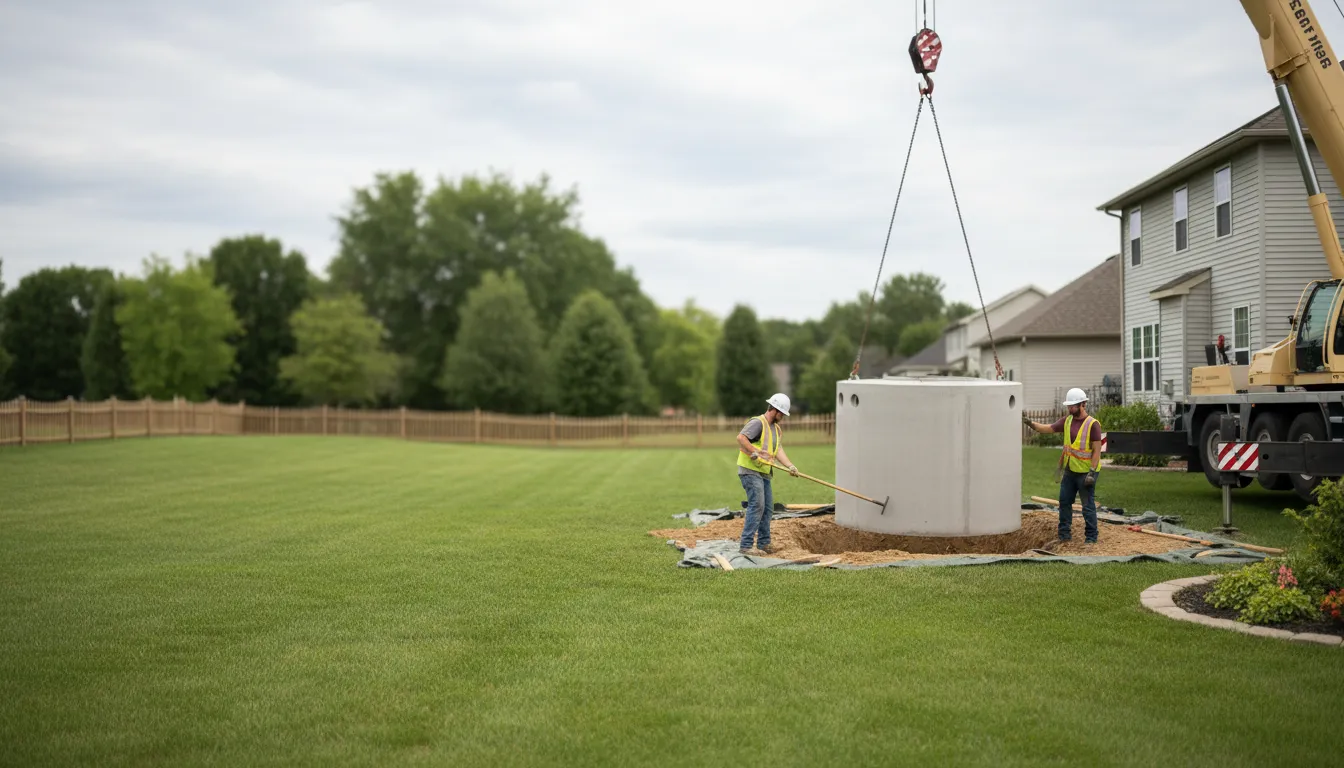
Find the Best Septic Tank Installation & Replacement Contractors for Your Business
No obligation • Fast responses • Nationwide coverage

Why you can trust Septic Spot
Septic Spot is a leading United States resource for understanding and comparing septic services. Our editors review providers using consistent criteria and verify key business details. Listings and scores are independent, and companies cannot pay to influence our content.
Search providers near you
Top Septic Tank Installation & Replacement Contractors in Rocky Mount, North Carolina Ranked
Installing or replacing a septic system is a significant investment in your property's long-term functionality and environmental health. In Rocky Mount, this process is governed by specific state and county regulations designed to protect groundwater and public health. This guide explains the essential steps, from initial soil evaluation to final inspection, helping you understand what to expect when planning a new septic system installation or a full system replacement for your home or business.
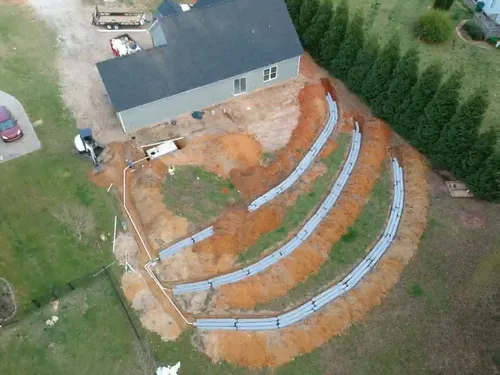
Busy Beez Construction
1264 Cheves Rd, Zebulon, NC 27597
Busy Beez Construction is a septic tank inspection and installation company serving Raleigh, NC, and the surrounding areas. They provide septic system installation, inspections, and excavation services. The company is experienced in managing projects with skill and professionalism. Busy Beez Construction has been operating for several years and is known for quality work and exceptional service.
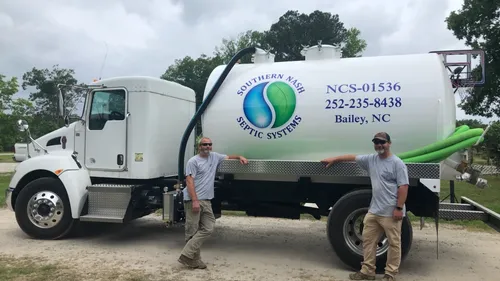
Southern Nash Septic Systems LLC
3661 W Hornes Church Rd, Bailey, NC 27807
Southern Nash Septic Systems LLC is a family owned and operated septic tank installation contractor based in Bailey, serving Raleigh, NC and eastern North Carolina. The company provides comprehensive septic system services and is licensed and insured for septic system installation. Operated by Mickey Bissette Jr and Justin Bissette, Southern Nash Septic Systems focuses on meeting specific project needs through clear communication and tailored service.
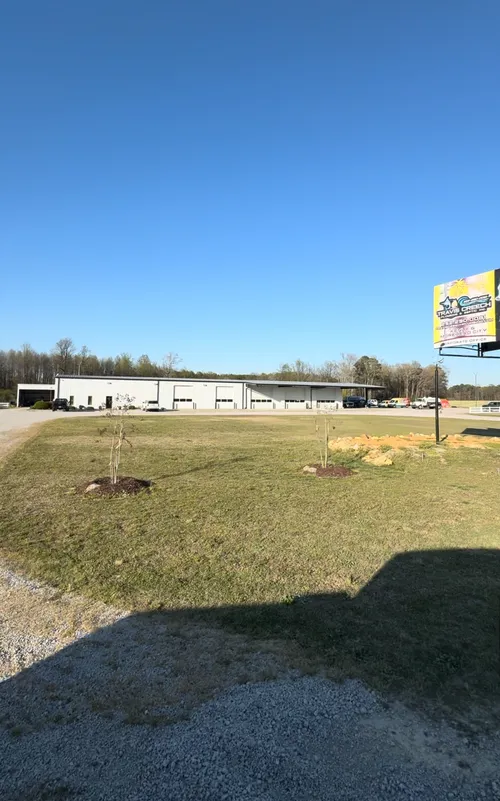
Travis Creech Plumbing & Septic
8973 Kirby Rd, Kenly, NC 27542
Travis Creech Plumbing & Septic is a contractor based near Raleigh, NC, specializing in septic tank installation and maintenance. They also provide drain cleaning and water heater installation and repair services, including tankless systems. The company focuses on quality workmanship and careful handling of plumbing and septic needs.
David Brantley & Sons Inc
45 Green House Dr, Zebulon, NC 27597
David Brantley & Sons Inc is a septic system repair and installation company based near Raleigh, NC. Serving the Triangle Area, including Wake Forest and surrounding counties, they provide waste disposal solutions such as septic systems and grease traps. Established in 1966, the company emphasizes an environmentally friendly approach to waste management and offers direct communication throughout their services.
Understanding the Permitting Process in Nash and Edgecombe Counties
Any new septic tank installation or complete system replacement in the Rocky Mount area begins with the local health department. Whether your property is in Nash County or Edgecombe County, you must obtain the proper permits from the Environmental Health division. The process is designed to ensure the system is safe, effective, and compliant with North Carolina General Statutes 1.
The journey typically involves four key permits:
- Site Plan Application: This initial step involves submitting a detailed plan of your property, showing boundaries, existing structures, and the proposed location for the septic system.
- Improvement Permit (IP): This permit is based on a formal site and soil evaluation. It confirms the property's suitability for a septic system and can be either a site-specific approval or a broader feasibility study.
- Construction Authorization (CA): Once your system design is approved, this authorization grants permission to begin the physical installation. It is often issued concurrently with the Improvement Permit.
- Operation Permit (OP): The final and most crucial permit. It is only issued after all construction is complete, inspected, and "as-built" drawings are submitted. This permit legally allows you to use the new septic system 2.
Skipping these steps can lead to serious consequences. Performing work without the required permits may result in penalties, including fines.
The Critical Role of Soil Evaluation
Gone are the days of relying solely on a percolation ("perc") test in North Carolina. The state now mandates a more comprehensive soil morphology evaluation conducted by a certified site evaluator. This detailed analysis is the cornerstone of any septic system project.
The evaluator will dig test pits on your property to assess several key factors:
- Soil Depth and Texture: The composition (e.g., sand, clay, loam) affects how wastewater filters.
- Soil Structure and Color: Indicators of natural drainage and seasonal wetness.
- Restrictive Horizons: Layers of soil that are too wet, dense, or rocky to allow proper drainage.
Based on this evaluation, your site will be classified as Suitable, Provisionally Suitable, or Unsuitable for a conventional system 3 4. This classification directly determines the type of septic system you can install and influences the overall project cost and complexity.
Types of Septic Systems for Rocky Mount Properties
The results of your soil evaluation will dictate the appropriate system design. Local installers are familiar with the following common types:
- Conventional Gravity-Fed Systems: The most common and generally least expensive option, suitable for properties with deep, well-draining soils. They use gravity to move liquid effluent from the tank into a subsurface drain field.
- Engineered Systems: Required for sites with challenging soil conditions, high groundwater, or limited space. These systems include pumps, advanced treatment units, or specialized drain fields like low-pressure pipe (LPP) or sand filter systems. They are more complex and have higher installation costs.
Choosing the right system isn't a matter of preference but of regulatory necessity. Your licensed installer and the county health department will work from the soil evaluation to approve a design that meets state code.
The Installation and Inspection Timeline
Once permits are secured, the physical installation begins. This is a multi-stage process with mandatory checkpoints inspected by county officials.
- Site Inspection: An initial review to verify setbacks from wells, property lines, waterways, and buildings.
- System Inspection (Pre-Cover): This is a critical inspection that occurs after the septic tank and drainfield trenches are placed but before they are backfilled. The inspector verifies the tank's level, pipe connections, and drainfield grade and construction 5.
- Final Inspection: After the system is covered and the landscape is restored, a final inspection is conducted. Upon passing, and after submitting the "as-built" plans, the county will issue the vital Operation Permit, officially authorizing system use 6 7 8.
Find the perfect septic tank installation & replacement contractors for your needs
Get personalized recommendations and expert advice
Key Factors Influencing Installation Cost
The cost for a new septic system in the Rocky Mount area can vary widely. While specific prices depend on your unique property, understanding the factors helps in planning.
- Soil Conditions: This is the primary cost driver. A site with ideal soil may only need a conventional system, while poor soil requiring an engineered system can significantly increase the price 9.
- System Type and Size: A larger tank or a more advanced treatment system costs more. The size is typically determined by the number of bedrooms in the home.
- Permit Fees: Fees for site evaluation, improvement permits, and construction authorizations vary by county. Contacting the Nash or Edgecombe County Health Department for current fee schedules is essential.
- Site Accessibility: Difficult terrain, long distances from the road, or heavily wooded lots can increase labor and equipment costs.
For context, in similar North Carolina markets, total costs for a standard residential system can range from approximately $2,000 to well over $7,000, with complex systems costing considerably more 10 11. Always get detailed, written estimates from multiple licensed contractors.
Planning for a System Replacement
Replacing a failing septic system follows the same rigorous permitting and inspection process as a new installation. Early signs of failure include soggy ground or foul odors near the drain field, slow drains, or sewage backing up into the home. If you suspect a problem, contact a licensed septic professional immediately. They can assess the system and guide you through the replacement process, which will require a new soil evaluation and full permitting sequence.
Choosing a Qualified Installation Contractor
Selecting the right professional is crucial. Look for a contractor who is:
- Licensed and Insured: Verify their license is current with the North Carolina Licensing Board for General Contractors.
- Local Experience: Choose a company familiar with the specific regulations and inspectors in Nash and Edgecombe Counties.
- Reputable and Transparent: Seek references, read reviews, and ensure they provide clear, detailed proposals that outline all costs, timelines, and responsibilities for pulling permits.
A reliable installer will be your partner through the entire process, from the initial site evaluation to coordinating inspections and securing the final Operation Permit.
Frequently asked questions
Sources
Footnotes
-
NC General Statutes - Chapter 130A Article 11 - https://www.ncleg.gov/EnactedLegislation/Statutes/PDF/ByArticle/Chapter_130A/Article_11.pdf ↩
-
Septic Permitting Process - Rockingham County NC - https://www.rockinghamcountync.gov/21404/Septic-Permitting-Process ↩
-
North Carolina Soil Evaluations: The New Standard for Septic ... - https://www.creechsplumbing.com/blog/2024/february/perc-tests-are-no-longer-used-uncovering-north-c/ ↩
-
LAWS AND RULES FOR SANITARY SEWAGE COLLECTION, ... - https://ehs.dph.ncdhhs.gov/oswp/docs/rules/jun90amen.pdf ↩
-
LAWS AND RULES FOR SEWAGE TREATMENT, AND DISPOSAL ... - https://ehs.dph.ncdhhs.gov/oswp/docs/rules/Aug98amen.pdf ↩
-
Inspection Scheduling & Requirements | Rocky Mount, NC - https://www.rockymountnc.gov/527/Inspection-Scheduling-Requirements ↩
-
FAQ: Septic System Permits - https://mseptic.com/blog/2019/7/22/faq-septic-system-permits ↩
-
Inspection Services - City of Rocky Mount - https://cityofrockymount.hosted.civiclive.com/departments/development_services/inspection_services ↩
-
Septic System Installation: Essential Steps for a Reliable Setup - https://www.bridgewaterenviro.com/septic-system-installation/ ↩
-
How Much Does It Cost To Install a Septic System in Charlotte, NC? - https://www.angi.com/articles/what-does-it-cost-install-septic-system/nc/charlotte ↩
-
Septic System Installation: Essential Steps for a Reliable Setup - https://www.bridgewaterenviro.com/septic-system-installation/ ↩