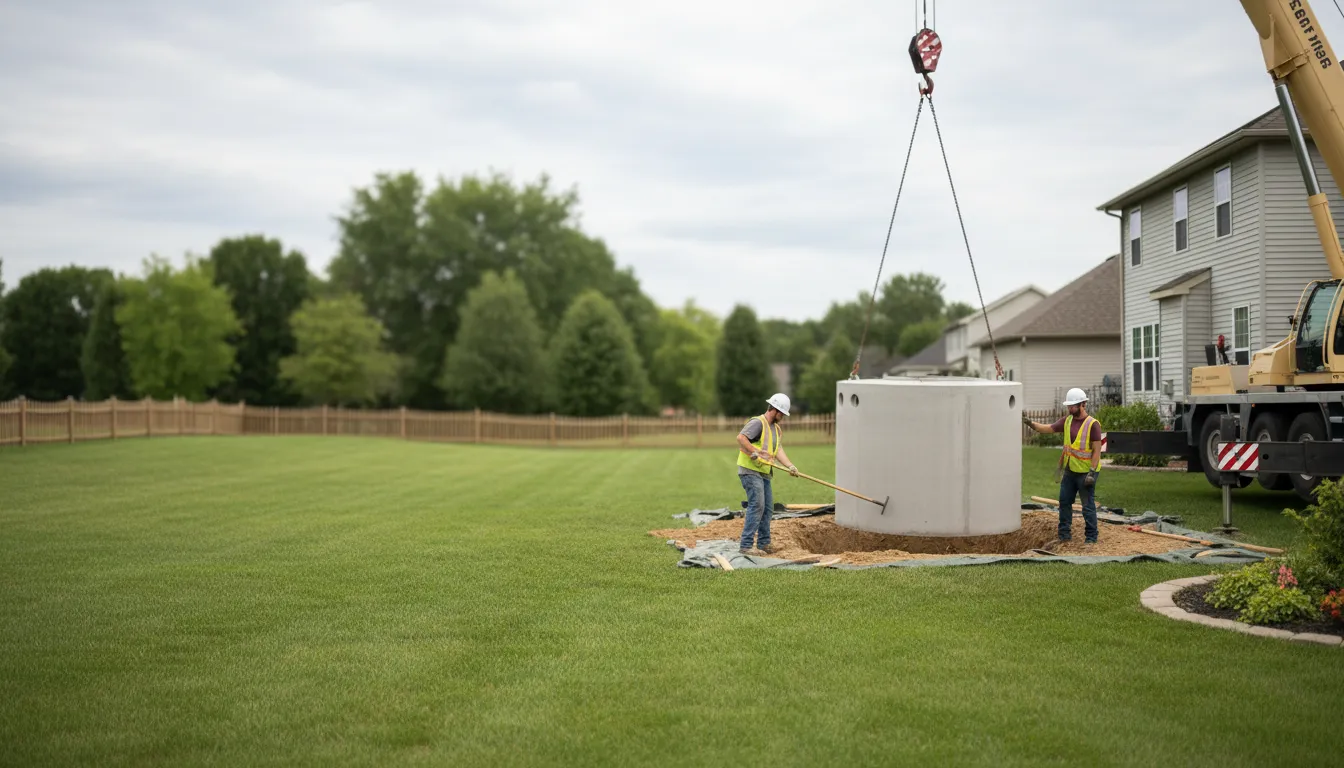
Find the Best Septic Tank Installation & Replacement Contractors for Your Business
No obligation • Fast responses • Nationwide coverage

Why you can trust Septic Spot
Septic Spot is a leading United States resource for understanding and comparing septic services. Our editors review providers using consistent criteria and verify key business details. Listings and scores are independent, and companies cannot pay to influence our content.
Search providers near you
Top Septic Tank Installation & Replacement Contractors in Wilson, North Carolina Ranked
Installing or replacing a septic system is a significant investment in your property's long-term functionality and environmental health. In Wilson County, this process is governed by specific state and local regulations designed to protect groundwater and public health. This guide explains the local process for septic system installation and replacement, from initial soil evaluation to final inspection, helping you understand what to expect and how to find qualified local professionals for your project.
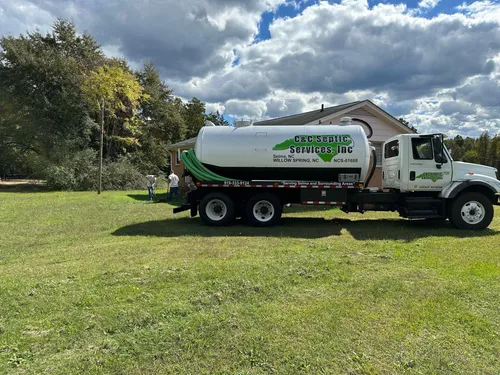
C & C Septic Services, Inc.
Raleigh, NC
C & C Septic Services, Inc. is a locally owned septic company based in Raleigh, NC. They provide septic tank pumping, inspections, repairs, and new system installations. Their service area includes Selma, Princeton, Smithfield, Clayton, Archers Lodge, Goldsboro, Pikeville, and surrounding locations. The company focuses on maintaining reliable septic systems and offers repair options and installations to meet customer needs.
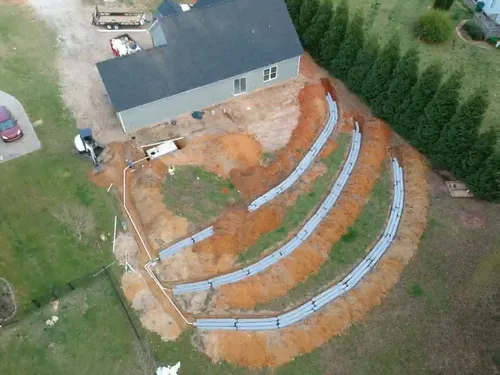
Busy Beez Construction
1264 Cheves Rd, Zebulon, NC 27597
Busy Beez Construction is a septic tank inspection and installation company serving Raleigh, NC, and the surrounding areas. They provide septic system installation, inspections, and excavation services. The company is experienced in managing projects with skill and professionalism. Busy Beez Construction has been operating for several years and is known for quality work and exceptional service.
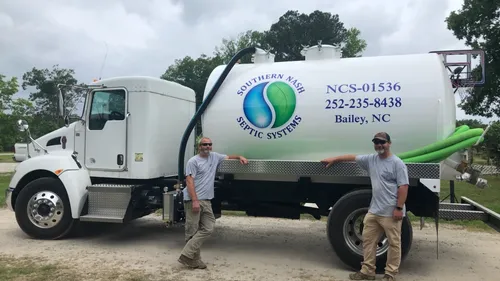
Southern Nash Septic Systems LLC
3661 W Hornes Church Rd, Bailey, NC 27807
Southern Nash Septic Systems LLC is a family owned and operated septic tank installation contractor based in Bailey, serving Raleigh, NC and eastern North Carolina. The company provides comprehensive septic system services and is licensed and insured for septic system installation. Operated by Mickey Bissette Jr and Justin Bissette, Southern Nash Septic Systems focuses on meeting specific project needs through clear communication and tailored service.
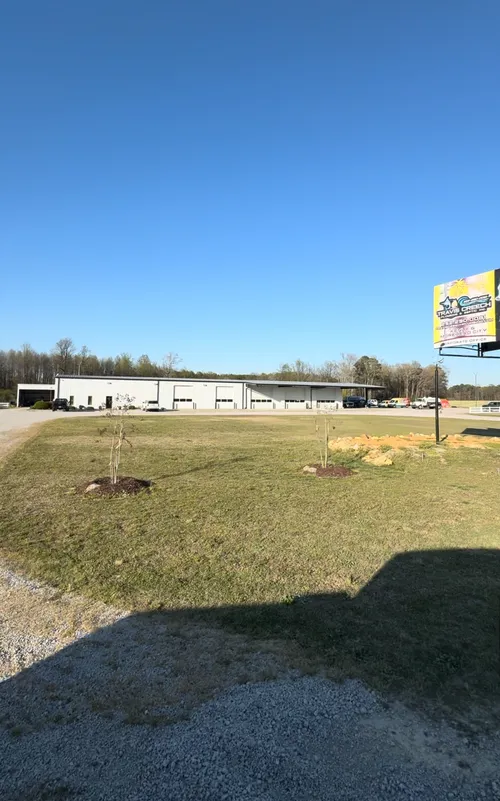
Travis Creech Plumbing & Septic
8973 Kirby Rd, Kenly, NC 27542
Travis Creech Plumbing & Septic is a contractor based near Raleigh, NC, specializing in septic tank installation and maintenance. They also provide drain cleaning and water heater installation and repair services, including tankless systems. The company focuses on quality workmanship and careful handling of plumbing and septic needs.
David Brantley & Sons Inc
45 Green House Dr, Zebulon, NC 27597
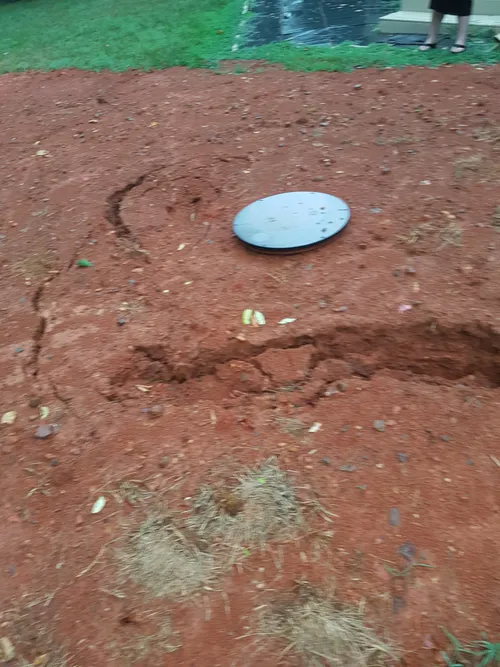
David Brantley & Sons Inc is a septic system repair and installation company based near Raleigh, NC. Serving the Triangle Area, including Wake Forest and surrounding counties, they provide waste disposal solutions such as septic systems and grease traps. Established in 1966, the company emphasizes an environmentally friendly approach to waste management and offers direct communication throughout their services.
Understanding the Wilson County Permit Process
Any new septic system installation or full system replacement in Wilson County requires permits from the Wilson County Environmental Health Division. The process is designed to ensure the site is suitable and the system is built correctly. It begins long before a shovel hits the ground.
The permitting process is typically broken into two key stages:
- Improvement Permit: This initial permit determines if your property can support an onsite wastewater system. It is based on a professional site and soil evaluation 1.
- Construction Authorization: Once you have an Improvement Permit, you must obtain this authorization before any installation or replacement work can begin2 3.
Attempting to install a septic tank or drainfield without the proper permits can result in fines, orders to cease work, and future difficulties when selling your property.
The Critical First Step: Soil and Site Evaluation
Gone are the days of the simple "perc test." In North Carolina, the standard is now a more comprehensive soil evaluation conducted by a licensed soil scientist, geologist, or a qualified representative of the local health department.
This evaluation examines several critical factors on your property:
- Soil Morphology: The types of soil layers present and their sequence.
- Depth to Restrictive Horizons: How deep you can dig before hitting rock, claypan, or other layers that restrict water movement.
- Soil Wetness and Water Table Levels: Determining the seasonal high-water table is crucial to prevent system failure and groundwater contamination.
- Topography and Slope: The lay of the land affects drainage and system placement.
Based on this evaluation, your site will be classified as Suitable (S), Provisionally Suitable (PS), or Unsuitable (U) for a conventional system. This classification directly determines what type of septic system you can install.
System Sizing, Setbacks, and Design Requirements
Once your site is evaluated, your system must be designed to meet specific requirements.
System Sizing In North Carolina, septic systems are sized based on the number of bedrooms in a home, not bathrooms. The standard design flow is 120 gallons per day per bedroom4 5. This sizing ensures the leach field (or drainfield) is large enough to handle the household's daily wastewater load.
Mandatory Setbacks Strict rules dictate how far every component of your septic system must be from other features. These setbacks are non-negotiable for health and safety. Key distances in Wilson County include:
- Distance from wells (both yours and your neighbor's)
- Distance from property lines
- Distance from streams, ponds, and other surface water
- Distance from building foundations and water supply lines
Your installer and the health department inspector will verify these setbacks during the layout inspection.
The 100% Repair Area A crucial rule for new installations is the requirement for a designated repair area. This is a space on your property, equal in size to the initial drainfield, that must be kept undisturbed and available for future use if the primary system fails6. This area must also pass the same soil suitability tests.
Types of Septic Systems Used in Wilson County
The type of system you need depends entirely on the results of your soil and site evaluation.
Conventional Gravity-Fed Systems If your soil is deep, well-drained, and classified as Suitable, you may be able to install a conventional system. This is typically the most cost-effective option, using a septic tank and a gravity-fed network of pipes in a trench or bed7.
Alternative (Engineered) Systems Many properties in the region have soil constraints like a high water table, shallow bedrock, or poor drainage. In these Provisionally Suitable or Unsuitable cases, an alternative system is required. These are more complex and expensive but are engineered to treat wastewater effectively in challenging conditions. Common types include:
- Low-Pressure Pipe (LPP) Systems: Use a pump to distribute effluent evenly across the drainfield.
- Mound Systems: Effluent is pumped to an above-ground mound of specially selected sand and gravel.
- Aerobic Treatment Units (ATUs): Use oxygen to break down waste more thoroughly, often used where drainfield space is limited.
The cost difference is substantial. While a conventional system might range from several thousand dollars, advanced alternative systems can easily exceed $15,000 to $20,000 or more8 9.
Find the perfect septic tank installation & replacement contractors for your needs
Get personalized recommendations and expert advice
The Installation & Inspection Timeline
Working with a licensed septic system contractor is essential. They will handle the installation according to the permitted design and coordinate with the health department for the required inspections. Missing an inspection can lead to costly rework.
- Site/Layout Inspection: After obtaining your Construction Authorization but before digging, the health department inspector visits to verify the staked location of the tank and drainfield, ensuring all setbacks are met.
- Construction Inspection: Once the septic tank and the trenches or beds for the drainfield are excavated and the pipes are laid, the inspector returns. They check the installation for compliance with the permit-verifying tank integrity, pipe placement, and the use of proper materials like gravel. Nothing can be covered until this inspection is approved10.
- Final Inspection: After the installer covers the system and restores the site, a final inspection is conducted. Upon passing, the health department issues an Operating Permit, which officially allows you to use the new system11.
Costs and Considerations for System Replacement
Replacing a failing septic system follows the same rigorous process as a new installation. You must obtain a new Construction Authorization12. Often, the replacement drainfield will be installed in the designated repair area. Costs for replacement are similar to new installation costs and are heavily influenced by the system type required.
When planning your budget, remember that the total project cost includes:
- Soil scientist/site evaluation fees
- County permit fees
- Contractor costs for excavation, tank, materials, and labor
- Potential costs for alternative system components like pumps, alarms, or electrical work
Regular maintenance-including periodic septic tank pumping-is the best way to extend the life of your system and avoid premature, costly replacement.
Frequently asked questions
Sources
Footnotes
-
NC Septic Permit Process: Step-by-Step Guide for Homeowners - https://septicandwell.com/articles/nc-septic-permit-process ↩
-
On-Site Wastewater | Wilson County - https://www.wilsoncountync.gov/departments/health-department/environmental-health/on-site-wastewater ↩
-
NC General Statutes - Chapter 130A Article 11 - https://www.ncleg.gov/EnactedLegislation/Statutes/PDF/ByArticle/Chapter_130A/Article_11.pdf ↩
-
North Carolina Onsite Wastewater Rules - Environmental Health - https://ehs.dph.ncdhhs.gov/oswp/docs/rules/1900-Rules-08-2017.pdf ↩
-
Perc Testing and Soil Testing - What You Need to Know - https://buildingadvisor.com/buying-land/septic-systems/soil-and-perc-testing/ ↩
-
Septic System Owner's Guide - NC State Extension Publications - https://content.ces.ncsu.edu/septic-system-owners-guide ↩
-
Guide to Installing a Septic in Pender County - https://www.coastalsepticsolutions.com/blog/complete-guide-to-installing-a-septic-system-in-pender-county-nc ↩
-
North Carolina Soil Evaluations: The New Standard for Septic ... - https://www.creechsplumbing.com/blog/2024/february/perc-tests-are-no-longer-used-uncovering-north-c/ ↩
-
FAQ's | North Carolina Onsite Wastewater Contractor Inspector ... - https://ncowcicb.info/faqs/ ↩
-
LAWS AND RULES FOR SEWAGE TREATMENT, AND DISPOSAL ... - https://ehs.dph.ncdhhs.gov/oswp/docs/rules/Aug98amen.pdf ↩
-
Navigating the Septic System Permit and Installation Process ... - https://carolinaearthwerx.com/blogs/news/navigating-the-septic-system-permit-and-installation-process-in-north-carolina ↩
-
18A .1900 NORTH CAROLINA ADMINISTRATIVE CODE 01/21/99 ... - https://ehs.dph.ncdhhs.gov/oswp/docs/rules/jan99amen.pdf ↩