Find the Best Septic Tank Installation & Replacement Contractors for Your Business
No obligation • Fast responses • Nationwide coverage

Why you can trust Septic Spot
Septic Spot is a leading United States resource for understanding and comparing septic services. Our editors review providers using consistent criteria and verify key business details. Listings and scores are independent, and companies cannot pay to influence our content.
Search providers near you
Best Septic Tank Installation & Replacement Contractors in Nevada Ranked
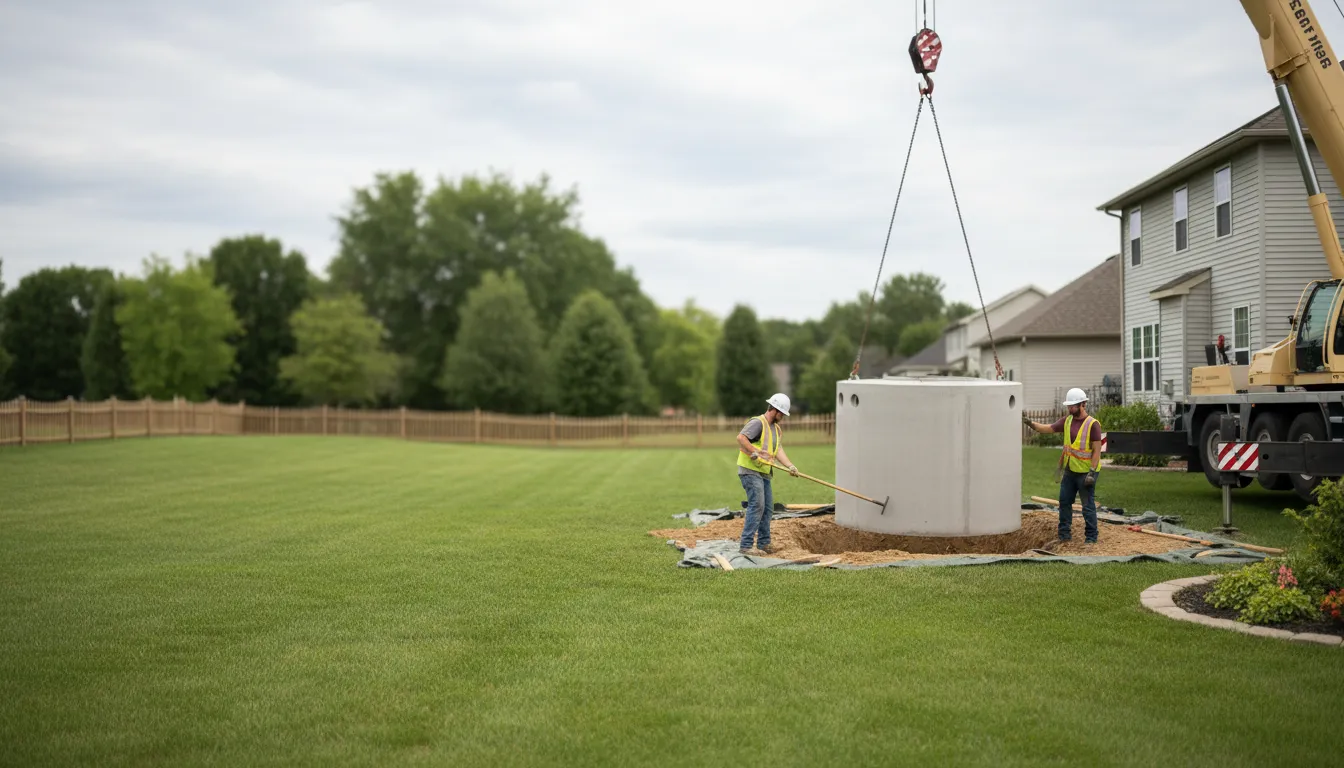
Installing or replacing a septic system is a significant investment and a regulated process critical for protecting public health and Nevada's environment. A properly designed and permitted system treats household wastewater safely, preventing contamination of groundwater and soil. This guide outlines the key steps, regulations, and considerations for septic system work in Nevada, helping you understand the process and connect with qualified local professionals for your project.
Waters Vacuum Truck
4275 Rewana Wy, Reno, NV 89502
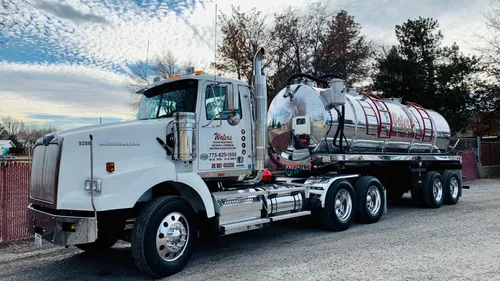
Waters Vacuum Truck is a septic system repair and installation company based in Reno, NV. They provide services including septic system installation, repair, and maintenance, as well as storm drain, sand/oil separator, and grease trap/interceptor services. The company also offers excavation and drain cleaning. Waters Vacuum Truck has been serving Northern Nevada and Northeastern California since 1952, making them one of the most experienced family-owned liquid waste haulers in the region.
Green Valley Septic Services
3349 Pontius Pl, Carson City, NV 89706
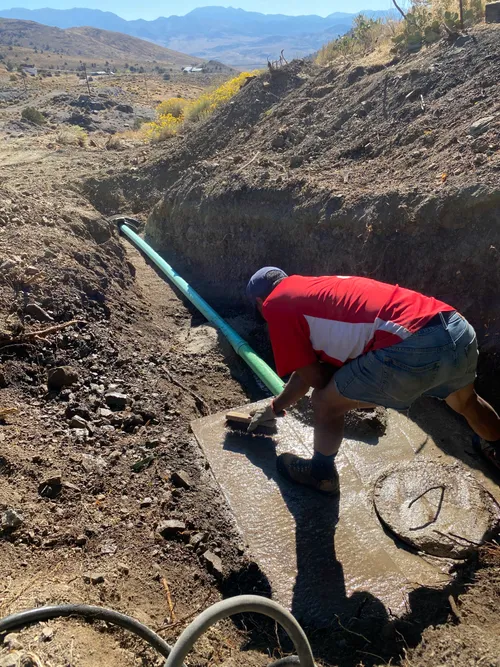
Green Valley Septic Services is a family-owned business based in Reno, NV, offering a full range of septic services including pumping, inspections, repairs, and installations. With over 19 years of experience, they use state-of-the-art equipment to provide efficient and eco-friendly septic solutions. Their capabilities include hydrojet services to maintain and clean septic systems effectively. Green Valley Septic Services focuses on environmental sustainability and aims to support a clean and healthy community through reliable septic system maintenance.
Sound Plumbing & Heating, Inc.
3013 N Rancho Dr #121, Las Vegas, NV 89130
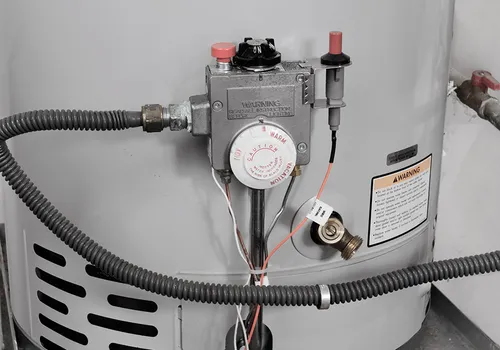
Sound Plumbing & Heating, Inc. is a family-owned plumbing contractor based in Las Vegas, NV, serving both residential and commercial clients. Established in 1999, the company offers a wide range of plumbing services including septic tank installation, water heater repair and replacement, water softener installation, and drain cleaning using hydro-jetting technology. As a licensed eco plumber, they emphasize environmentally conscious practices in their work. They also provide emergency plumbing services and maintenance plans to support their customers' needs.
Reno Septic Service
Reno, NV
Reno Septic Service provides a full range of septic system services in Reno, NV, and surrounding areas including Sparks, Carson City, and Truckee. They handle septic tank pumping, installation, inspections, repairs, and sewer line services for both residential and commercial properties. Their team is licensed, bonded, and insured, equipped to manage projects of any size. Reno Septic Service offers specialized capabilities such as trenchless sewer line replacement and backflow testing to ensure system compliance and functionality. They provide 24/7 emergency services to address urgent septic issues promptly.

Mr. Rooter Plumbing of Greater Reno
1655 Marietta Wy, Sparks, NV 89431
Mr. Rooter Plumbing of Greater Reno provides a range of plumbing and septic services in Reno, NV. Their offerings include septic tank pumping, inspection, repair, and installation, along with advanced capabilities such as HydroScrub® jetting and video camera inspections to diagnose and address plumbing issues efficiently. The company is licensed and insured, committed to clear communication and upfront pricing. They offer 24/7 emergency plumbing services, ensuring availability for urgent repairs and maintenance needs.
Understanding Nevada's Septic System Regulations
In Nevada, all individual sewage disposal systems (ISDS) are governed by state and local health codes. The primary authority is the Nevada Administrative Code (NAC) Chapter 444, specifically sections 444.750 to 444.8396, which incorporate standards from the Uniform Plumbing Code 1. Enforcement and permitting are handled by local health districts.
There are two main jurisdictional authorities:
- Southern Nevada Health District (SNHD): Serves Clark County.
- Northern Nevada Public Health (NNPH): Serves Washoe, Storey, and Lyon Counties.
Other rural counties are served by their respective District Health Offices (e.g., Central Nevada Health District, Pershing County). It is essential to contact your local health department before beginning any project, as they provide the specific application forms, fee schedules, and design criteria for your area.
A critical regulation for Southern Nevada homeowners to note: as of June 2023, new septic systems are generally prohibited on properties that receive water from the Colorado River system without obtaining a specific waiver from the health district 2.
The Permitting Process: A Step-by-Step Guide
A construction permit is required for any new installation, alteration, repair, or replacement of a septic system in Nevada. These permits are typically valid for one year from the date of issuance.
Step 1: Application and Documentation
The process begins with submitting a complete application to your local health authority, often through an online portal. Required documentation usually includes 3:
- A recorded deed or parcel map for the property.
- A site plan showing the proposed system location, structures, wells, and property lines.
- Proof of water supply, such as a "will-serve" letter from a utility or a well driller's report.
- A completed permit application with the associated fee.
Step 2: Site Evaluation and Soil Testing
Before a design can be approved, a site evaluation must be conducted. A licensed installer or engineer will dig a test trench (often called a "perk test" or soil evaluation pit) for inspection by a health district specialist. This inspection determines:
- Soil profile and texture.
- Depth to seasonal high groundwater or bedrock (limiting layers).
- Soil absorption capacity, which may require a percolation test to determine the drainfield size.
Step 3: System Design and Plan Submission
Based on the site evaluation, a system must be designed. For standard residential systems, a licensed installer often creates the design. For complex sites or commercial systems, a professional engineer is required. The design plans must include:
- Tank Sizing: Based on the number of bedrooms or estimated daily wastewater flow. Minimum tank capacities are set by the health district, commonly 1,000 to 1,500 gallons for a standard home.
- Tank Specifications: Tanks can be installed in a series of no more than two, with the first tank holding at least two-thirds of the total capacity. Each compartment must have a manhole access with a minimum diameter of 20 inches 4.
- Drainfield Design: The size and type of the absorption field (leach field) are calculated using the soil's percolation rate and the daily design flow 5.
Once the engineered plans are complete, they are submitted to the health district for review and approval.
Key Design and Installation Standards
Nevada regulations specify detailed requirements to ensure system longevity and safety.
Tank Requirements: Septic tanks must be watertight, constructed of durable materials like concrete, fiberglass, or polyethylene, and installed on a stable base. Effluent filters are highly recommended to protect the drainfield from solids.
Drainfield Construction: The absorption area must be sized according to approved calculations. Trenches or beds are filled with clean gravel and distribution piping before being covered with a geotextile fabric and soil. Proper vertical separation from limiting conditions like groundwater is strictly enforced 6.
Setback Distances: Systems must be located minimum distances from wells, buildings, property lines, and water bodies. These setbacks are crucial for safety and are non-negotiable during the plan review 7.
Find the perfect septic tank installation & replacement contractors for your needs
Get personalized recommendations and expert advice
Required Inspections During Installation
The health district conducts mandatory inspections at critical stages of the installation. Failing to call for an inspection can result in fines or orders to excavate for verification.
- Test Trench/Soil Evaluation: The initial inspection of the soil profile and depth to groundwater 8.
- Open Trench Inspection: After the tank and drainfield piping are placed in the ground but before they are backfilled. This allows the inspector to verify proper placement, connections, and materials.
- Final Inspection: After the system is completely installed, backfilled, and the site is restored. The installer must provide "as-built" plans showing the final installed locations 9 10.
Cost Considerations for Nevada Homeowners
Costs for septic system work in Nevada vary widely based on system size, soil conditions, site accessibility, and local permit fees. The following are general estimates based on available data:
- Permit & Design Fees: These are paid to the health district and for professional design services. A repair permit fee can be around $482, not including the actual repair costs 11.
- New System Installation: A conventional septic system installation often exceeds $20,000, with complex systems or challenging sites costing significantly more.
- System Replacement: Full replacement costs are similar to or higher than new installation due to the added cost of abandoning the old system.
- Minor Repairs: Can start from $500 and up, depending on the issue.
- Property Transfer Inspection/Certification: Typically ranges from $500 to $1,200 12.
- Pumping and Routine Maintenance: Generally costs between $300 and $600 13.
Choosing a Licensed Professional
Given the complexity of regulations and the importance of proper installation, hiring a qualified professional is essential. In Nevada, septic system installers must be licensed. Look for contractors who:
- Hold a current Nevada State Contractor's License for septic system installation.
- Have extensive experience with the local health district's processes.
- Can provide references from recent projects in your area.
- Offer clear contracts detailing costs, timelines, and responsibilities for obtaining permits and scheduling inspections.
A reputable professional will handle the entire process, from site evaluation and permit application to installation and final inspection, ensuring your system is compliant and built to last.
Frequently asked questions
Sources
Footnotes
-
Nevada Septic License & Certification | 2024 Contractor Guide - https://www.servicetitan.com/licensing/septic/nevada ↩
-
Frequently Asked Questions - Southern Nevada Health District - https://www.southernnevadahealthdistrict.org/permits-and-regulations/sewage-septic-disposal-systems-isds/faq/ ↩
-
Residential Septic System Permit Requirements - Southern Nevada Health District - https://www.southernnevadahealthdistrict.org/permits-and-regulations/sewage-septic-disposal-systems-isds/residential-isds-permits/residential-septic-tank-permit-requirements/ ↩
-
A Comprehensive Guide to Septic Inspections for Homebuyers in Rural Nevada and Placer County - - https://realestate.sierrafoothillsliving.tv/a-comprehensive-guide-to-septic-inspections-for-homebuyers-in-rural-nevada-and-placer-county/ ↩
-
Commercial Septic Tank Permit Requirements - https://www.southernnevadahealthdistrict.org/permits-and-regulations/sewage-septic-disposal-systems-isds/commercial-isds-permits/commercial-septic-tank-permit-requirements/ ↩
-
Design Criteria for Septic Tanks and Individual Disposal ... - https://ndep.nv.gov/uploads/water-wpc-resources-publications-docs/wts22-rev-5-2017.pdf ↩
-
Individual Septic System (Additional Information) - Revize - https://cms7files.revize.com/pershingcountynv/document_center/Department/Building%20Department/Individual-Septic-System.pdf ↩
-
Nev. Admin. Code § 445A.9658 - Septic tanks: General requirements - https://www.law.cornell.edu/regulations/nevada/NAC-445A-9658 ↩
-
Septic Systems & Liquid Waste - Northern Nevada Public Health - https://www.nnph.org/programs-and-services/environmental-health/land-development/septic-liquid-waste.php ↩
-
Health District - https://www.nnph.org/files/ehs/regulations/sws-regs-2013-05-23.pdf ↩
-
INDIVIDUAL SEWAGE DISPOSAL SYSTEM GUIDE - https://www.centralnevadahd.org/wp-content/uploads/2024/04/ISDS_CNHD2024.pdf ↩
-
Septic System | Nevada County, CA - https://www.nevadacountyca.gov/2520/Septic-System ↩
-
New Septic Rules in 2025: What Nevada Homeowners Need ... - https://www.thebrenkusteam.com/blog/nevada-septic-rules-2025-homeowners-guide ↩