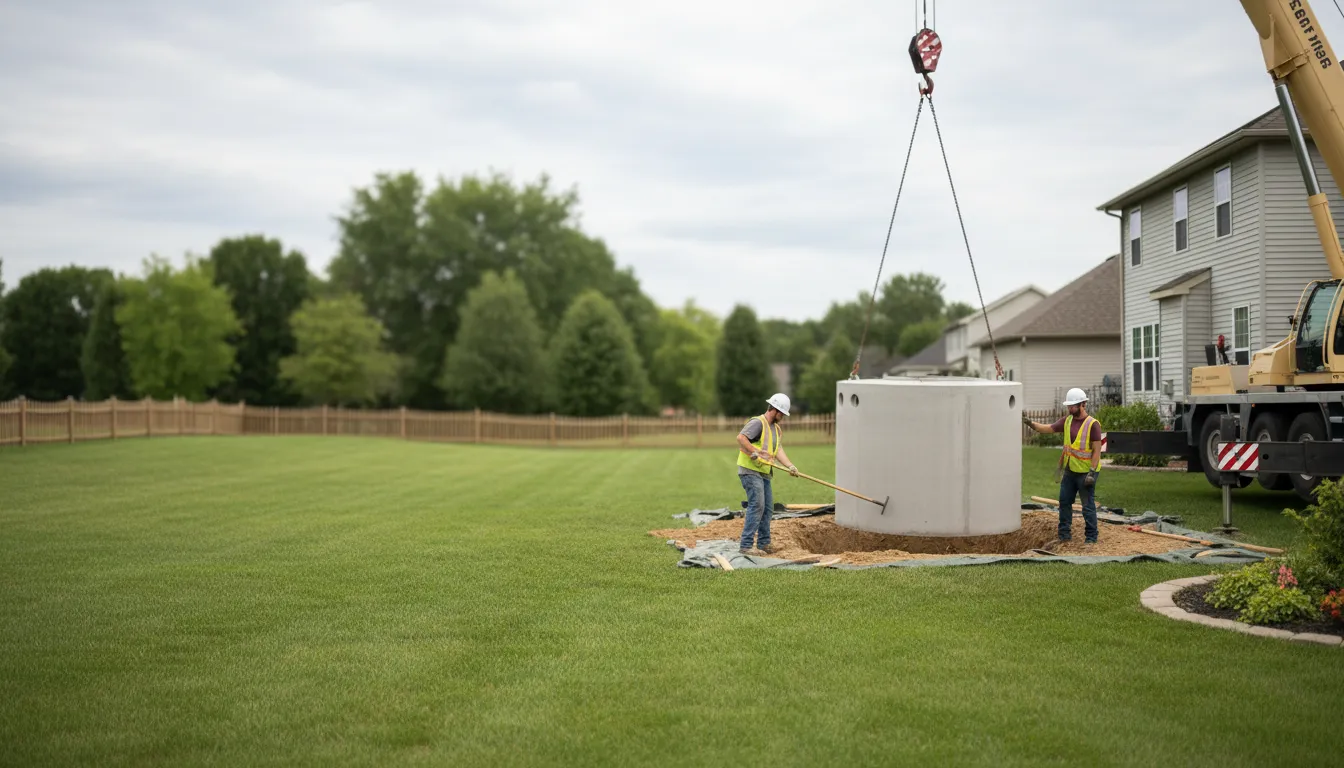
Find the Best Septic Tank Installation & Replacement Contractors for Your Business
No obligation • Fast responses • Nationwide coverage

Why you can trust Septic Spot
Septic Spot is a leading United States resource for understanding and comparing septic services. Our editors review providers using consistent criteria and verify key business details. Listings and scores are independent, and companies cannot pay to influence our content.
Search providers near you
Top Septic Tank Installation & Replacement Contractors in Las Vegas, Nevada Ranked
Installing or replacing a septic system is a significant home infrastructure project, especially in the unique desert environment of Southern Nevada. For properties in Clark County that are more than 400 feet from a municipal sewer line, an Individual Sewage Disposal System (ISDS) is a regulated necessity. This process involves navigating specific local health codes, obtaining permits, and ensuring the system is designed for your property's soil conditions. Understanding the steps, costs, and regulatory requirements can help you plan effectively and connect with qualified local professionals who specialize in septic system work.
Understanding Septic System Requirements in Clark County
In Las Vegas and surrounding Clark County, the Southern Nevada Health District (SNHD) is the sole authority regulating all individual sewage disposal systems. A septic system is legally required for any new construction or existing home located beyond the reach of public sewer services. The regulations are designed to protect public health and groundwater in our arid climate.
The decision between a conventional gravity-fed system and a more complex engineered septic system depends entirely on a detailed site evaluation. Factors like soil composition, depth to groundwater, and lot size are critical. In areas with poor percolation-common in soils with high clay content-or high groundwater tables, an advanced treatment system may be the only viable option, impacting both design and cost.
The Permit Process: A Step-by-Step Guide
You cannot begin excavation for a new or replacement septic tank without the proper permits from SNHD. The process is multi-stage and requires specific documentation.
Initial Application and Documentation To apply for a septic system permit, you or your contractor must submit a complete package to SNHD, either at their office on 280 S. Decatur Blvd. or through their online portal. Required documents typically include:
- A detailed site plan from a professional land surveyor.
- A plumbing plan for the home.
- A septic system design plan, often prepared by a qualified engineer.
- A copy of the recorded deed for the property 1 2.
The Critical Site Evaluation and Percolation Test Before a system can be designed, the property must undergo a formal site evaluation, which includes a percolation test (often called a "perc test"). This test determines the soil's absorption rate, which dictates the size and type of drain field needed 3. In Clark County, a minimum of two percolation tests are typically required at the proposed leach field location, and they must be conducted or supervised by a registered engineer, architect, or surveyor 4. Inspectors will also examine a test trench to identify limiting layers like bedrock or dense clay.
Key Inspections During Installation
The SNHD conducts mandatory inspections at critical points during the septic system installation to ensure compliance with the approved plans.
- Open Tank/Leach Field Inspection: Before any components are backfilled, an SNHD inspector must examine the excavated tank bed, the installed septic tank, the distribution box, and the construction of the leach field trenches 5. This verifies proper placement, depth, and construction materials.
- Final Inspection: Once the system is fully installed and the electrical components (like pump alarms, if applicable) are connected, a final inspection is conducted. This ensures the entire system is operational, accessible via proper risers and lids, and ready for use.
Upon passing final inspection, new systems are issued a 5-Year Operating Permit. This permit must be renewed every five years, during which the system's functionality and maintenance records may be reviewed 6.
Cost Factors for Installation and Replacement
The cost for a standard residential septic system installation in the Las Vegas area can range widely, typically from $5,000 to over $10,000 7 8. For a complete septic system replacement, costs can be similar or higher, especially if the existing system has failed due to site conditions that require a redesigned solution.
Several key factors influence the final price:
- System Type: A conventional gravity system is generally the most affordable. Mound systems, sand filters, or other engineered alternatives add significant cost due to extra materials, pumps, and complex design work 9 10.
- Site Conditions: Poor soil (low percolation rate), rocky terrain, high groundwater, or a small lot size can dramatically increase costs by necessitating a more sophisticated system 11.
- Permit and Professional Fees: Budget for SNHD application fees, inspection fees, and the cost for professional services like soil testing, surveying, and engineering design.
- Tank Abandonment: If you are replacing an old system, proper abandonment of the former tank is required by permit. This involves pumping out any waste and filling the tank with an inert material like sand or gravel, which adds to the project cost 12 13.
Find the perfect septic tank installation & replacement contractors for your needs
Get personalized recommendations and expert advice
Special Considerations for Las Vegas Homeowners
The desert environment presents unique challenges for onsite wastewater treatment. Understanding these can prevent costly mistakes.
Well Water Proximity If your property uses a private well, Nevada regulations enforce strict horizontal separation distances between the well and all components of your septic system (tank, drain field) to prevent contamination. These distances are non-negotiable and will influence system placement.
The Importance of Proper Abandonment Simply ignoring an old, unused septic tank is illegal and hazardous. When decommissioning a system, you must obtain a permit from SNHD for its proper abandonment. A licensed professional will pump out all solids and liquids, then either remove the tank or, more commonly, crush it in-place and fill the cavity. This step is crucial for property safety and is often a requirement for closing a real estate transaction.
Planning for the Future When installing a new system, consider future needs. Installing inspection risers to grade makes routine maintenance and mandatory inspections much easier and less expensive. Discussing the system's design capacity with your installer ensures it can accommodate potential home additions or increased occupancy.
Maintaining Your New Septic System
A properly installed system is only the beginning. Protecting your investment requires regular care. While pumping schedules vary (typically every 3-5 years), consistent habits are key. Avoid flushing chemicals, excessive use of garbage disposals, and pouring fats down the drain. Divert roof and surface water drainage away from the drain field area to prevent saturation. Keep detailed records of all inspections, pumping services, and repairs; you will need these for your 5-year operating permit renewals with the SNHD.
Choosing an experienced, licensed local professional for your septic tank installation or replacement is the most important decision you'll make. They will be your guide through the complex permit process, ensure the design meets SNHD standards for your specific lot, and execute an installation that will provide reliable service for decades.
Frequently asked questions
Sources
Footnotes
-
Residential Septic System Permit Requirements - Southern Nevada Health District - https://www.southernnevadahealthdistrict.org/permits-and-regulations/sewage-septic-disposal-systems-isds/residential-isds-permits/residential-septic-tank-permit-requirements/ ↩
-
Certification Procedures for Individual Sewage Disposal System ... - https://www.southernnevadahealthdistrict.org/permits-and-regulations/sewage-septic-disposal-systems-isds/residential-isds-permits/certification-procedures-for-individual-sewage-disposal-system-isds-and-or-water-well/ ↩
-
How to Know if You Need a Septic System Permit - Pippin Home Designs - https://www.pippinhomedesigns.com/septic-system-permit/ ↩
-
Septic Permitting Essentials for Weber County Contractors - https://www.andersoneng.com/the-ultimate-guide-to-septic-system-permitting-in-weber-county-utah-for-general-contractors/ ↩
-
How is a Septic Inspection Done? - Las Vegas Septic Service - https://lasvegassepticservice.com/blog/how-is-a-septic-inspection-done/ ↩
-
nevada health authority - DPBH (nv.gov) - https://www.dpbh.nv.gov/siteassets/boards/boh/r-nnph-septic-regulation-changes-final.pdf ↩
-
Frequently Asked Questions - Southern Nevada Health District - https://www.southernnevadahealthdistrict.org/permits-and-regulations/sewage-septic-disposal-systems-isds/faq/ ↩
-
Septic Tanks: A Comprehensive Guide for Homeowners - https://www.thisoldhouse.com/plumbing/septic-tanks ↩
-
New Septic Rules in 2025: What Nevada Homeowners Need ... - https://www.thebrenkusteam.com/blog/nevada-septic-rules-2025-homeowners-guide ↩
-
Engineered Septic System Design: A Complete Guide - https://landperc.com/engineered-septic-system-design/ ↩
-
Septic Systems & Liquid Waste - Northern Nevada Public Health - https://www.nnph.org/programs-and-services/environmental-health/land-development/septic-liquid-waste.php ↩
-
Commercial Septic Tank Permit Requirements - https://www.southernnevadahealthdistrict.org/permits-and-regulations/sewage-septic-disposal-systems-isds/commercial-isds-permits/commercial-septic-tank-permit-requirements/ ↩
-
2025 regulations governing individual sewage disposal systems and ... - https://media.southernnevadahealthdistrict.org/download/eh/isds/proposed-regulations.pdf ↩