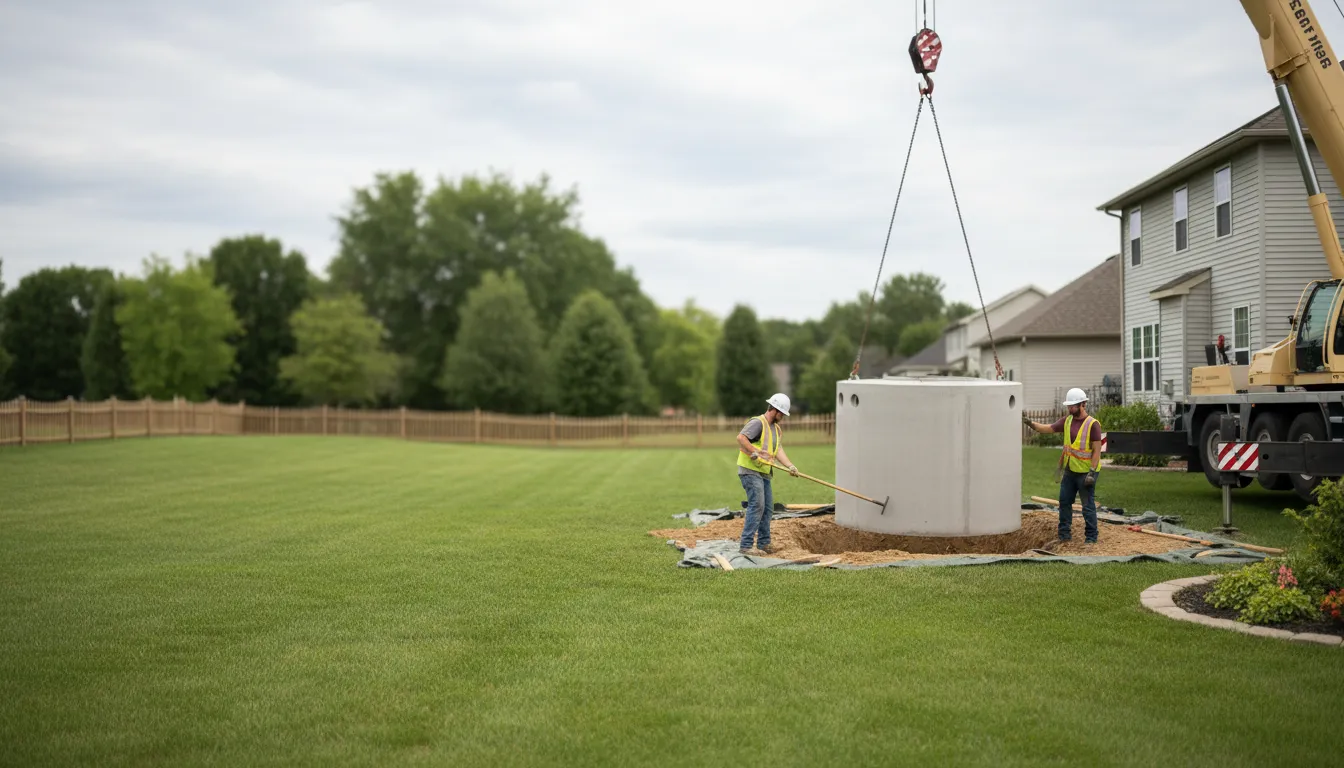
Find the Best Septic Tank Installation & Replacement Contractors for Your Business
No obligation • Fast responses • Nationwide coverage

Why you can trust Septic Spot
Septic Spot is a leading United States resource for understanding and comparing septic services. Our editors review providers using consistent criteria and verify key business details. Listings and scores are independent, and companies cannot pay to influence our content.
Search providers near you
Top Septic Tank Installation & Replacement Contractors in Reno, Nevada Ranked
Installing or replacing a septic system is a significant investment in your property's long-term functionality and environmental health. A properly designed and permitted system safely treats household wastewater, protecting your family, your neighbors, and the local groundwater. In Reno, this process is overseen by local health authorities to ensure it meets strict standards for our unique high-desert environment. This guide will help you understand the key steps, regulations, and considerations for finding qualified local professionals to handle your septic system project.
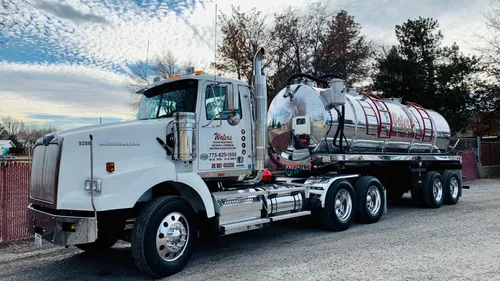
Waters Vacuum Truck
4275 Rewana Wy, Reno, NV 89502
Waters Vacuum Truck is a septic system repair and installation company based in Reno, NV. They provide services including septic system installation, repair, and maintenance, as well as storm drain, sand/oil separator, and grease trap/interceptor services. The company also offers excavation and drain cleaning. Waters Vacuum Truck has been serving Northern Nevada and Northeastern California since 1952, making them one of the most experienced family-owned liquid waste haulers in the region.
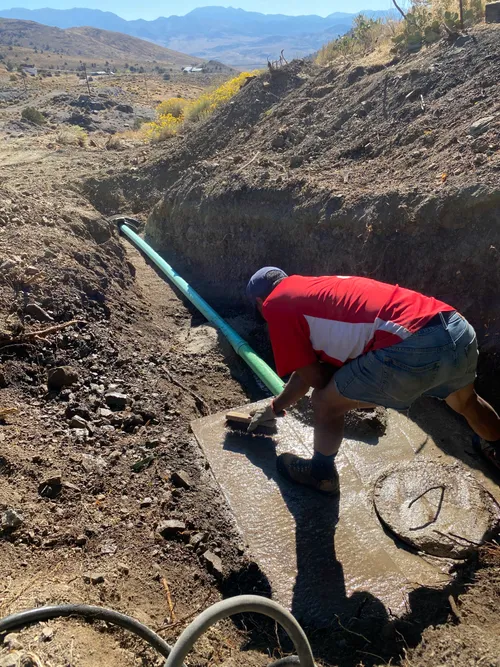
Green Valley Septic Services
3349 Pontius Pl, Carson City, NV 89706
Green Valley Septic Services is a family-owned business based in Reno, NV, offering a full range of septic services including pumping, inspections, repairs, and installations. With over 19 years of experience, they use state-of-the-art equipment to provide efficient and eco-friendly septic solutions. Their capabilities include hydrojet services to maintain and clean septic systems effectively. Green Valley Septic Services focuses on environmental sustainability and aims to support a clean and healthy community through reliable septic system maintenance.
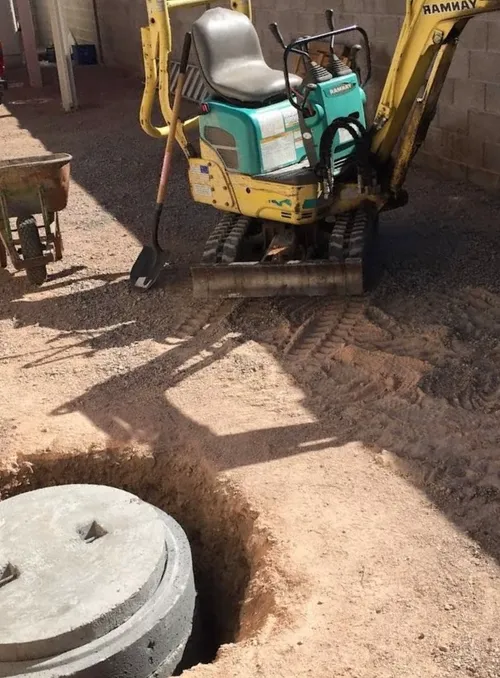
Reno Septic Service
Reno, NV
Reno Septic Service provides a full range of septic system services in Reno, NV, and surrounding areas including Sparks, Carson City, and Truckee. They handle septic tank pumping, installation, inspections, repairs, and sewer line services for both residential and commercial properties. Their team is licensed, bonded, and insured, equipped to manage projects of any size. Reno Septic Service offers specialized capabilities such as trenchless sewer line replacement and backflow testing to ensure system compliance and functionality. They provide 24/7 emergency services to address urgent septic issues promptly.

Mr. Rooter Plumbing of Greater Reno
1655 Marietta Wy, Sparks, NV 89431
Mr. Rooter Plumbing of Greater Reno provides a range of plumbing and septic services in Reno, NV. Their offerings include septic tank pumping, inspection, repair, and installation, along with advanced capabilities such as HydroScrub® jetting and video camera inspections to diagnose and address plumbing issues efficiently. The company is licensed and insured, committed to clear communication and upfront pricing. They offer 24/7 emergency plumbing services, ensuring availability for urgent repairs and maintenance needs.
Hauff Excavation Inc.
Reno, NV
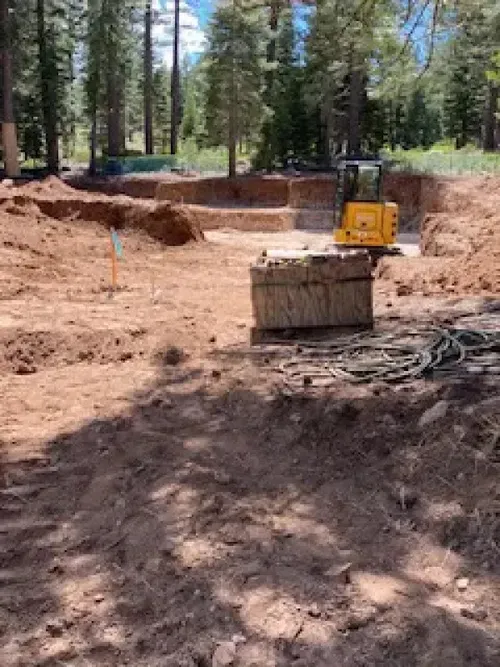
Hauff Excavation Inc. is a family-owned excavation contractor serving Reno, NV, and the surrounding Sierra Nevada region. They specialize in septic system installation, site preparation, underground utilities, and lot clearing, with expertise in handling mountainous and challenging terrain. With over 17 years of experience, the company offers skilled excavation services tailored to local soil and environmental conditions. Their team is equipped to work year-round, adapting to seasonal challenges such as snow and rocky landscapes to maintain project progress and compliance with local regulations.
Understanding the Regulatory Landscape in Washoe County
All septic system work in Reno and the surrounding Washoe County area falls under the jurisdiction of Northern Nevada Public Health (NNPH). This agency is responsible for reviewing plans, issuing permits, and conducting the mandatory inspections that ensure your system is built to code. The first and most critical step for any homeowner is to recognize that no excavation or installation can legally begin without an approved permit from NNPH. The permitting process is designed to verify that your proposed septic tank and drainfield are suitable for your specific lot's soil conditions and will not pose a public health risk.
The permit application itself is submitted digitally through the Onenv.us portal, a centralized system for Northern Nevada. This requires detailed site plans, the results of essential soil tests, and a complete septic design. It's important to note that if a municipal sewer line is available near your property, you will likely be required to connect to it. Your application must include proof from local authorities that a sewer connection is not a feasible or required option for your home 1.
The Critical First Step: Soil Evaluation and Percolation Testing
Before any design can be finalized, your property's soil must be thoroughly evaluated. This is not a step to skip or underestimate, as the soil's ability to absorb and treat effluent dictates the entire system's size and type. The two primary tests required by NNPH are:
- Soil Boring Test: A professional drills a deep test hole, typically five feet or more, to examine soil layers (texture, structure) and to determine the seasonal high groundwater table level. This "deep test" is crucial for avoiding groundwater contamination.
- Percolation Test (Perc Test): This test measures how quickly water drains through the soil in a prepared hole. The rate of percolation, governed by state regulations like Nev. Admin. Code § 278.450, directly determines the size of the absorption field needed 2. Slow-draining soils require a larger drainfield, while very fast-draining soils may need special design considerations.
These tests must be performed by qualified professionals, and the results are evaluated by environmental health specialists at NNPH. The data from these tests forms the scientific basis for your entire septic system design 3.
Navigating the Permit Process and Timelines
Once your soil tests are complete and you have a preliminary design, you can proceed with the formal permit application. Understanding the timeline helps set realistic expectations:
- Application Submission: After submitting your complete package (site plan, perc test results, design) via the Onenv.us portal, NNPH reviews it for compliance. Review times can range from 7 to 14 business days for standard applications, with replacements sometimes on the faster end of that range 4 5.
- Permit Issuance: Once approved, you will receive a construction permit. It's vital to note that this permit is typically valid for one year to 18 months. You must complete the installation and pass all inspections within this window, or you may need to apply for an extension 6.
- Permit Fees: Be prepared for permitting costs. While fees can vary, they often start around $500 or more, with additional charges for plan revisions or required re-inspections 7.
Find the perfect septic tank installation & replacement contractors for your needs
Get personalized recommendations and expert advice
The Installation Process and Mandatory Inspections
With permit in hand, installation can begin. This process is broken into distinct stages, each punctuated by a mandatory inspection from an NNPH representative. Do not backfill or cover any critical component before it has been inspected and approved.
- Stage 1: Test Trench Inspection. This is often the first inspection, where the inspector verifies the soil conditions in the exact location of the proposed drainfield, confirming the earlier percolation test findings.
- Stage 2: Open Trench/System Inspection. Once the septic tank is set and the drainfield trenches are dug with distribution piping laid in place, the inspector will check the tank's integrity, the pipe layout, and the overall setup before any soil is backfilled over these components 8 9.
- Stage 3: Final Inspection. After the entire system is installed and the site is graded, a final inspection ensures everything matches the approved plans. This includes verifying tank baffles, cleanout access points, and proper cover over the drainfield 10 11.
Failing an inspection can lead to costly delays and corrective work, so clear communication with your installer and the health department is key.
Cost Considerations for Reno Homeowners
The total cost for a new septic system installation or a full replacement in Reno can vary dramatically based on system size, soil conditions, and site accessibility. For a standard, non-engineered residential system, homeowners can often expect a starting range of $10,000 to $20,000 12 13. However, this is a broad estimate.
Several factors can push costs higher:
- Complex Soil or Site Conditions: Poor percolation, high groundwater, or rocky terrain may require a more expensive engineered system (like a mound or drip irrigation system), which can significantly increase the price.
- Drainfield Replacement: If you are only replacing a failed drainfield while reusing an existing tank, costs may be lower. A full system replacement is the larger investment.
- Pre-Construction Costs: Remember that the costs for soil testing, site evaluation, and system design are typically separate from the installation contract and are incurred upfront during the planning phase 14.
Choosing a Qualified Septic System Professional
Given the technical and regulatory complexity, selecting the right contractor is paramount. Look for a licensed installer with extensive experience in Washoe County who is familiar with NNPH inspectors and procedures. They should handle or seamlessly coordinate the soil testing, permit application, and scheduling of inspections. Always ask for references from recent local projects and verify they carry appropriate insurance. A reputable professional will provide a detailed, written estimate that breaks down costs for design, permitting, materials, labor, and any anticipated site work.
Frequently asked questions
Sources
Footnotes
-
Septic System | Nevada County, CA - https://www.nevadacountyca.gov/2520/Septic-System ↩
-
Nev. Admin. Code § 278.450 - Percolation tests | State Regulations - https://www.law.cornell.edu/regulations/nevada/NAC-278-450 ↩
-
The Ultimate Guide to Septic System Installation Process - https://septic911.com/septic-system-installation-process/ ↩
-
Residential Septic System Permit Requirements - https://www.southernnevadahealthdistrict.org/permits-and-regulations/sewage-septic-disposal-systems-isds/residential-isds-permits/residential-septic-tank-permit-requirements/ ↩
-
Septic Systems & Liquid Waste - Northern Nevada Public Health - https://www.nnph.org/programs-and-services/environmental-health/land-development/septic-liquid-waste.php ↩
-
nevada health authority - DPBH (nv.gov) - https://www.dpbh.nv.gov/siteassets/boards/boh/r-nnph-septic-regulation-changes-final.pdf ↩
-
INDIVIDUAL SEWAGE DISPOSAL SYSTEM GUIDE - https://www.centralnevadahd.org/wp-content/uploads/2024/04/ISDS_CNHD2024.pdf ↩
-
Septic System Installation Checklist - https://www.mecindustries.com/morse-engineering-and-construction-industries/septic-system-installation-checklist ↩
-
Septic Systems and Liquid Waste - Washoe County, NV - https://washoecountynv.qscend.com/311/knowledgebase/article/127800 ↩
-
Septic System Install Timeline | RCI Septic Service - https://www.rciseptic.com/complete-step-by-step-timeline-septic-system-installation-from-permit-to-finish ↩
-
Individual Septic System (Additional Information) - Revize - https://cms7files.revize.com/pershingcountynv/document_center/Department/Building%20Department/Individual-Septic-System.pdf ↩
-
New Septic Rules in 2025: What Nevada Homeowners Need ... - https://www.thebrenkusteam.com/blog/nevada-septic-rules-2025-homeowners-guide ↩
-
How Much Does an Engineered Septic System Cost? (2026) - https://homeguide.com/costs/engineered-septic-system-cost ↩
-
Understanding Your Septic System Design and Installation Timeline - https://www.mapengineering.net/understanding-your-septic-system-design-and-installation-timeline/ ↩