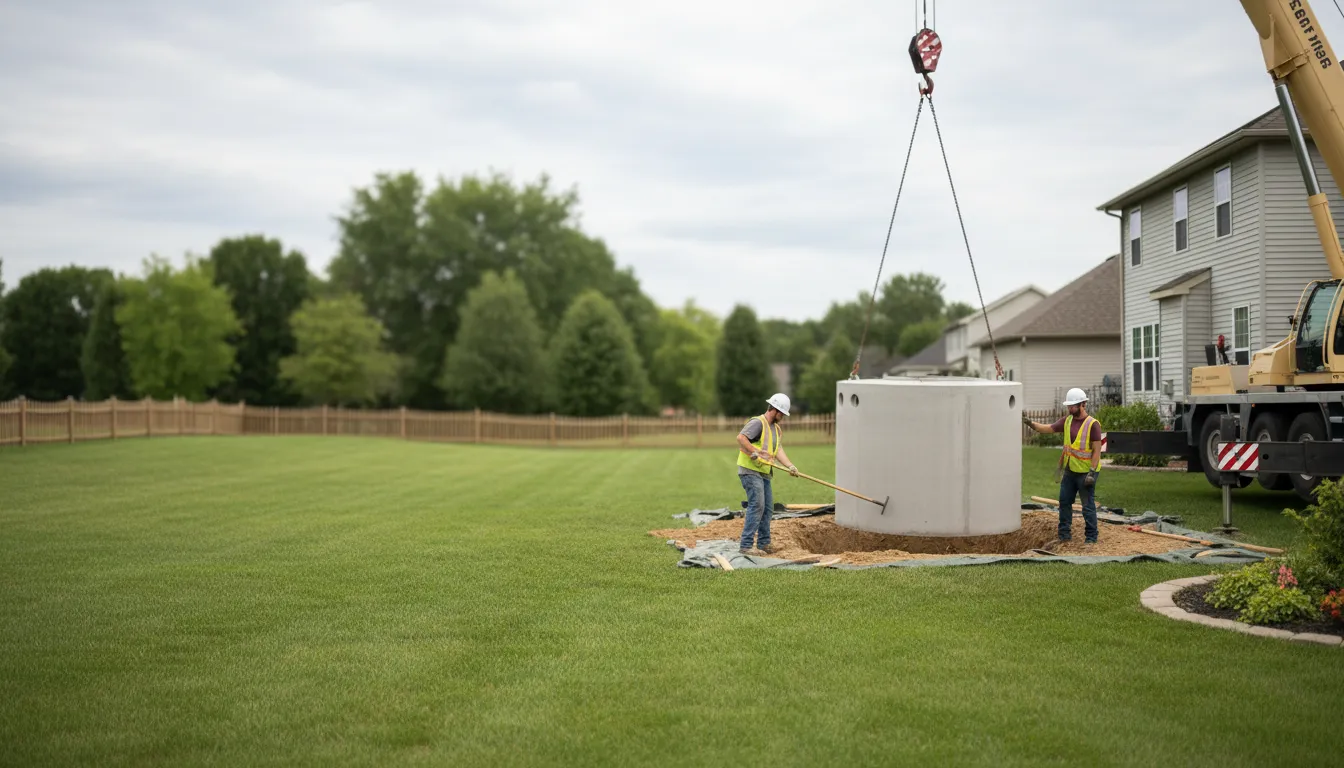
Find the Best Septic Tank Installation & Replacement Contractors for Your Business
No obligation • Fast responses • Nationwide coverage

Why you can trust Septic Spot
Septic Spot is a leading United States resource for understanding and comparing septic services. Our editors review providers using consistent criteria and verify key business details. Listings and scores are independent, and companies cannot pay to influence our content.
Search providers near you
Best Septic Tank Installation & Replacement Contractors in New York Ranked
Installing or replacing a septic system is a significant investment in your property's infrastructure and environmental health. In New York, this process is governed by strict state and local regulations designed to protect groundwater and public health. This guide provides clear, practical information on the rules, costs, and steps involved in septic system work in New York, helping you understand what to expect and how to connect with qualified local professionals for your project.
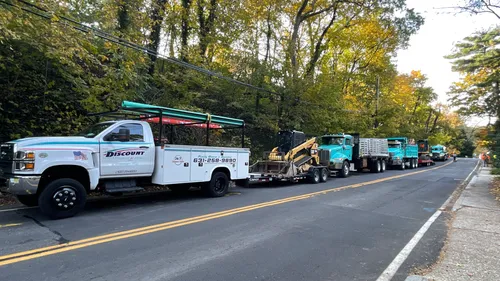
Discount Cesspool & Drain Inc.
240 Gibbs Rd, Islandia, NY 11749
Discount Cesspool & Drain Inc. is a septic tank pumping and installation company serving New York, NY, with a focus on Long Island. They specialize in new septic system installations, cesspool pumping, septic tank service, and full-scale cesspool cleaning. The company offers 24-hour emergency service and weekend and holiday availability. They provide eco-friendly solutions without subcontracting and cater to both residential and commercial clients across Suffolk and Nassau counties.
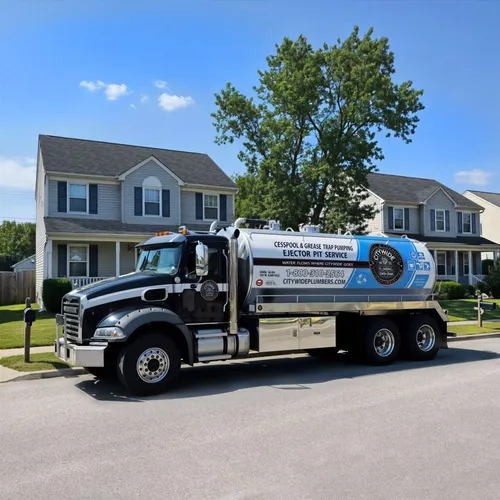
Citywide Grease Trap Maintenance | Cesspool Pumping Service Long Island
110 Voice Rd, Carle Place, NY 11514
Citywide Grease Trap Maintenance | Cesspool Pumping Service Long Island provides septic and cesspool pumping, inspection, repair, and installation services in New York, NY. Serving both residential and commercial clients, they offer comprehensive maintenance and cleaning to prevent system failures. Their skilled technicians use advanced equipment for installations and repairs, including grease trap pumping and sewage ejector pit services. With over 65 years of experience, Citywide operates 24/7 to address emergency needs promptly.
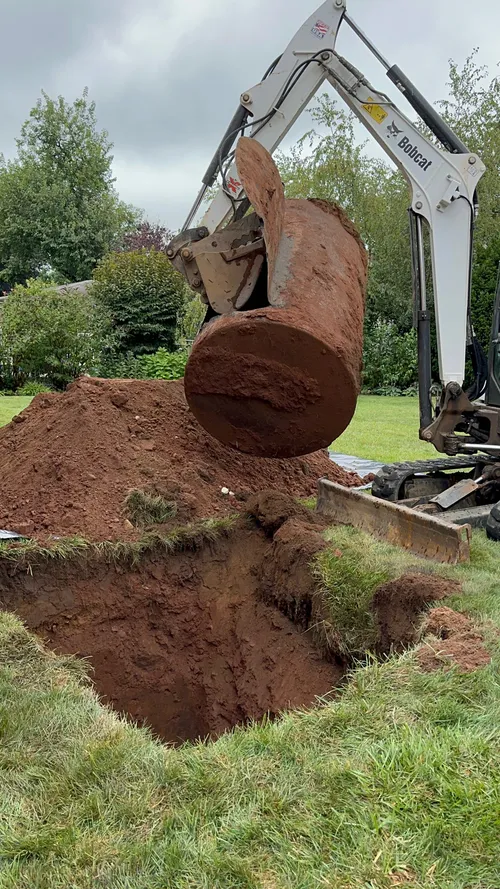
Water Resource Technologies
2 Kanouse Rd, Newfoundland, NJ 07435
Water Resource Technologies is a full-service environmental remediation and consulting company based near New York, NY. They specialize in septic system repair and installation, as well as residential heating oil tank services and environmental site remediation. Their expertise includes environmental drilling and borings, supporting a range of environmental and septic system needs.
Bianca Excavating
1548 Winterberry Ct, Walworth, NY 14568
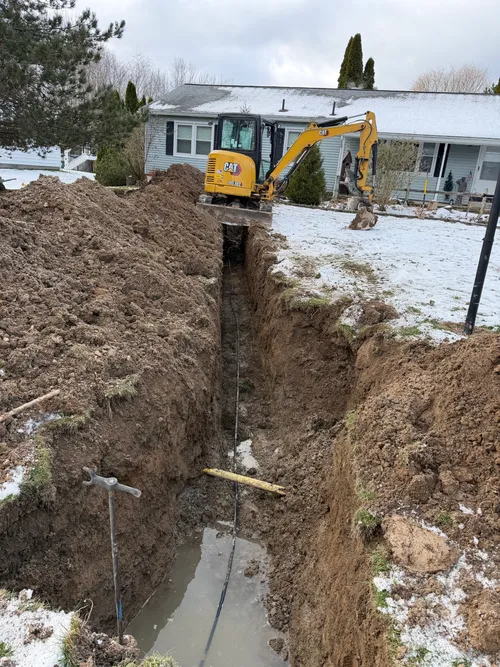
Bianca Excavating is a licensed and insured septic service provider based in Rochester, NY. The company offers a range of services including septic tank pumping, inspections, repairs, new system installations, and drain field replacements. Using advanced inspection tools and modern excavation equipment, Bianca Excavating works to diagnose and resolve septic system issues efficiently while minimizing disruption to properties. The business has a long-standing family-owned history serving Ontario and surrounding areas, providing reliable septic solutions tailored to residential and commercial needs. They also offer emergency services when needed.
Clear River Environmental
847 11th St, Ronkonkoma, NY 11779
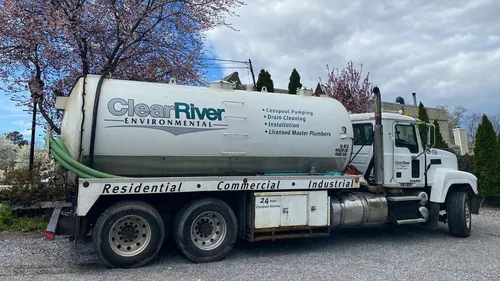
Clear River Environmental is a septic tank pumping, inspection, repair, and installation company serving New York, NY. They offer comprehensive environmental services including cesspool pumping, septic system maintenance, plumbing repairs, and emergency environmental remediation. The company has over 60 years of experience and uses advanced equipment such as camera inspection systems and leak detection technology. Clear River Environmental provides 24/7 emergency services to address urgent property issues promptly.
Understanding New York's Septic System Regulations
All septic system installations, replacements, and major alterations in New York State require compliance with 10 NYCRR Appendix 75-A, the official state code for wastewater treatment standards 1. This isn't a suggestion-it's the law. The primary goal is to prevent contamination of drinking water sources, a critical concern across the state's diverse landscapes, from the Adirondacks to Long Island.
Before any shovel hits the ground, you must obtain a permit from your local county or city health department. In some areas, particularly within the New York City watershed, the Department of Environmental Protection may also have jurisdiction 2. Starting work without this permit can result in hefty fines and orders to remove improperly installed systems. The permit process ensures your system design is reviewed and approved by a professional who understands local soil conditions and regulatory nuances.
The Permit and Planning Process
Navigating the permit process is the first and most crucial step. It typically involves several stages:
- Site Evaluation and Soil Testing: A licensed designer or engineer must evaluate your property. This often includes a percolation (perc) test to determine how quickly water drains through your soil, which directly influences the size and type of absorption field required 3.
- System Design: A professional creates detailed plans for your septic system. The design must account for the number of bedrooms in your home (used as a proxy for daily wastewater flow), soil type, slope, and proximity to wells, water bodies, and property lines.
- Plan Submission and Approval: The completed design, along with the permit application and fee, is submitted to the local health authority. They will review it for compliance with Appendix 75-A and any local amendments. Approval can take several weeks 4.
- Installation Inspection: Once permitted and during installation, a health department inspector must visit the site-typically before the septic tank and absorption field are buried-to verify that construction matches the approved plans 5. This inspection is mandatory for final approval.
System Design & Sizing Requirements
New York's regulations provide specific design mandates to ensure system longevity and functionality.
- Tank Sizing: Septic tanks are sized primarily by bedroom count. For a typical three-bedroom home, a minimum liquid capacity of 1,000 to 1,500 gallons is standard, with a minimum liquid depth of 30 inches 6 7. Larger homes require larger tanks. Tanks must be constructed of durable materials like concrete, fiberglass, or polyethylene.
- Component Specifications: Modern systems must include an effluent filter on the outlet baffle of the tank to prevent solids from clogging the drain field 8. If multiple tanks are used in sequence, specific elevation drops (e.g., 2 inches) between them are required.
- Absorption Field: The drain field, or leaching area, must be sized according to the soil's percolation rate. Trenches are the most common type, but beds or other alternative systems may be required on challenging sites.
- Setback Distances: Strict minimum distances protect health and structures. Key setbacks include:
Find the perfect septic tank installation & replacement contractors for your needs
Get personalized recommendations and expert advice
Cost Breakdown for Installation and Replacement
The cost of a septic system in New York is substantial and varies widely based on system type, size, soil conditions, and local labor rates. Always get multiple detailed quotes from licensed installers.
- Full System Replacement/New Installation: For a conventional system for a single-family home, total costs typically range from $10,000 to over $25,000 11. Complex systems for difficult sites (like mound or aerobic treatment systems) can exceed $30,000.
- Tank-Only Replacement: If the drain field is sound and only the tank needs replacing, costs are lower, generally between $3,000 and $9,50012 13. This includes removing the old tank, which can add cost if it's concrete.
- Material Costs: The tank itself is a major component. A concrete tank may cost between $700 and $2,000, while a plastic (polyethylene) tank ranges from $500 to $2,500 14. However, the bulk of the expense is in excavation, labor, and the drain field materials (gravel, piping, etc.).
- Permit and Design Fees: Budget for $150 to $500 for local permit fees 15. Hiring a licensed designer or engineer to create the site plan and system design will add another $500 to $2,000 or more to your upfront costs.
Financial Assistance: New York State offers a Septic System Replacement Fund, which provides grants to eligible homeowners in certain priority water bodies to replace failing systems with new, environmentally improved models. Check with your county health department to see if you qualify.
Choosing the Right Professional
Given the complexity and regulatory oversight, selecting the right contractor is critical.
- Licensing: Ensure your installer holds a current Wastewater Treatment System Installer license from New York State. You can verify this through the Department of Health or your local county.
- Experience with Local Regulations: Choose a professional familiar with your county's specific health department inspectors and procedures. Local experience can smooth the permit and inspection process.
- Detailed Contracts: Your contract should clearly state the total price, payment schedule, a detailed scope of work referencing the approved plan, start and completion dates, and warranty information. It should specify who is responsible for obtaining the permit (usually the homeowner or the designer, but the installer should coordinate).
- Insurance and References: Request proof of liability and workers' compensation insurance. Ask for and contact references from recent jobs similar to yours.
Maintenance After Installation
A new system is a long-term asset that requires care. After installation, you will receive an "as-built" diagram showing the exact location of components-keep this for future reference. Regular pumping of the tank every 3-5 years is essential, as is conserving water and avoiding flushing harmful chemicals or non-biodegradable materials. Proper maintenance protects your investment and prevents premature, costly failure.
Frequently asked questions
Sources
Footnotes
-
APPENDIX 75-A - New York State Department of Health - https://www.health.ny.gov/environmental/water/drinking/docs/appendix_75a.pdf ↩
-
procedures & policies subsurface sewage treatment & water supply ... - https://www.putnamcountyny.gov/images/Departments/Department_of_Health/Documents-Forms/Engineering/ST-19_SSTSWater_Supply_Single_Family_Residences_2023.pdf ↩
-
NH SEPTIC INSTALLERS MANUAL NH SEPTIC INSTALLERS MANUAL - https://jeu-tcsp.cacl-guyane.fr/fulldisplay/RhXGyS/8FE159/NhSepticInstallersManual.pdf ↩
-
Design and Construction Standards : Plan Submission Guide : DBCH - https://www.dutchessny.gov/Departments/DBCH/Docs/HDdesignst.pdf ↩
-
N.Y. Comp. Codes R. & Regs. Tit. 10, app 75-A § 75-A.6 - Septic tanks - https://www.law.cornell.edu/regulations/new-york/10-NYCRR-app-75-A-SS-75-A-6 ↩
-
Details and Specifications #3 Septic Tank - Tompkins County - https://www.tompkinscountyny.gov/files/assets/county/v/1/whole-health-environmental-health/documents/owts-details-amp-specifications/details03-septic-tank.pdf ↩
-
View Document - Unofficial New York Codes, Rules and Regulations - https://govt.westlaw.com/nycrr/Document/I4fff5ba8cd1711dda432a117e6e0f345?viewType=FullText&originationContext=documenttoc&transitionType=CategoryPageItem&contextData=%28sc.Default%29 ↩
-
1 RCNY §8001-01 - NYC.gov - https://www.nyc.gov/assets/buildings/rules/1_RCNY_8001-01.pdf ↩
-
Residential Onsite Wastewater Treatment Systems Design Handbook - https://www.health.ny.gov/environmental/water/drinking/wastewater_treatment_systems/docs/design_handbook.pdf ↩
-
Septic tank installation costs? : r/upstate_new_york - Reddit - https://www.reddit.com/r/upstate_new_york/comments/1jg7rym/septic_tank_installation_costs/ ↩
-
Understanding Septic Tank Permits and Regulations - https://westcoastsanitationinc.com/understanding-septic-tank-permits-and-regulations/ ↩
-
Costs of Replacing a Septic Tank - https://www.scorpionsepticservices.com/blog/understanding-the-costs-of-replacing-a-septic-tank ↩
-
How Much Does a Septic Tank or Septic System Cost in 2024? - https://realestate.usnews.com/real-estate/articles/how-much-do-septic-tanks-cost ↩
-
New Directions for Local Septic System Management in New ... - https://efc.syr.edu/wp-content/uploads/2025/02/Public-Problem_Private-Property_PDF_2024_FINAL.pdf ↩