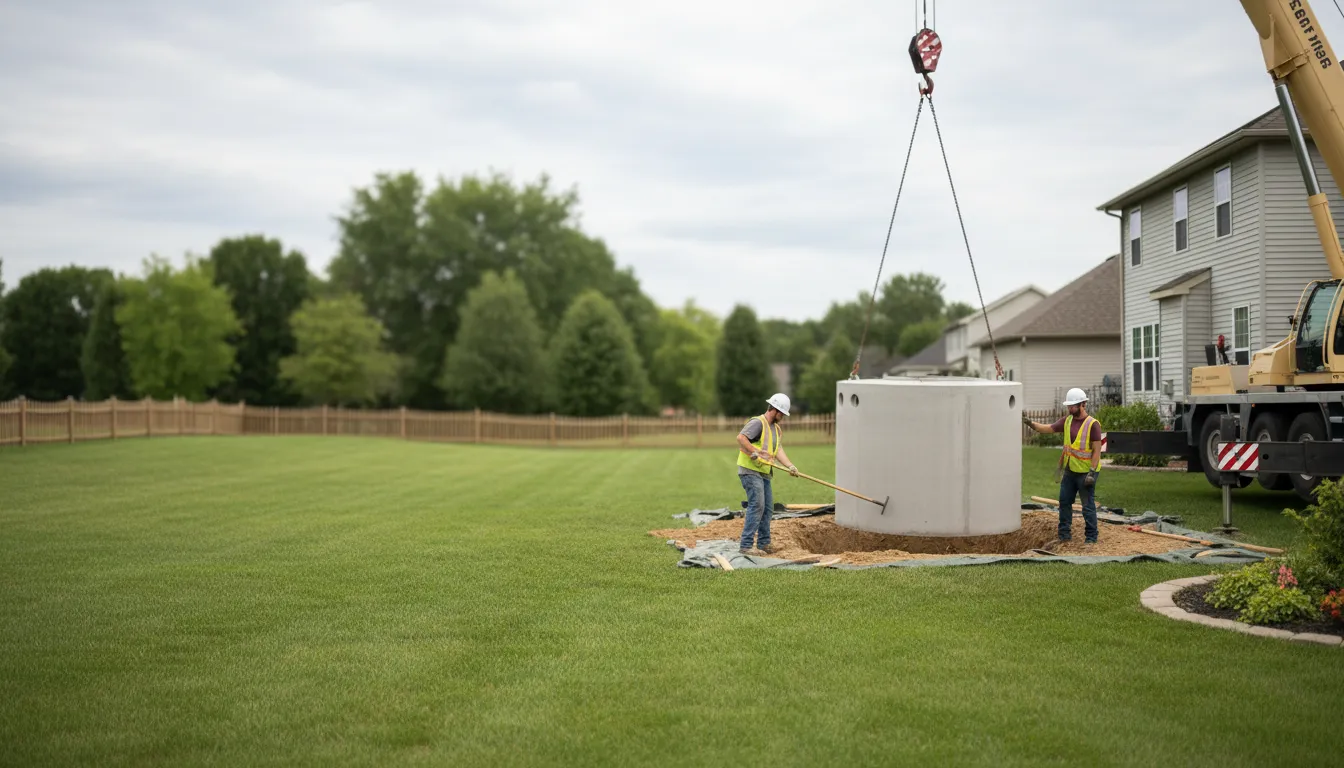
Find the Best Septic Tank Installation & Replacement Contractors for Your Business
No obligation • Fast responses • Nationwide coverage

Why you can trust Septic Spot
Septic Spot is a leading United States resource for understanding and comparing septic services. Our editors review providers using consistent criteria and verify key business details. Listings and scores are independent, and companies cannot pay to influence our content.
Search providers near you
Top Septic Tank Installation & Replacement Contractors in New York, New York Ranked
Installing or replacing a septic system is a significant home infrastructure project that requires careful planning and strict adherence to local and state regulations. For properties not connected to municipal sewer lines, a properly designed and installed septic system is essential for managing household wastewater safely and protecting public health and the environment. This guide outlines the key steps, regulatory requirements, and considerations for septic system work in New York City, helping you understand the process for finding qualified local professionals.
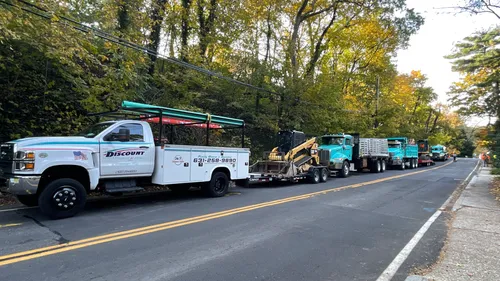
Discount Cesspool & Drain Inc.
240 Gibbs Rd, Islandia, NY 11749
Discount Cesspool & Drain Inc. is a septic tank pumping and installation company serving New York, NY, with a focus on Long Island. They specialize in new septic system installations, cesspool pumping, septic tank service, and full-scale cesspool cleaning. The company offers 24-hour emergency service and weekend and holiday availability. They provide eco-friendly solutions without subcontracting and cater to both residential and commercial clients across Suffolk and Nassau counties.
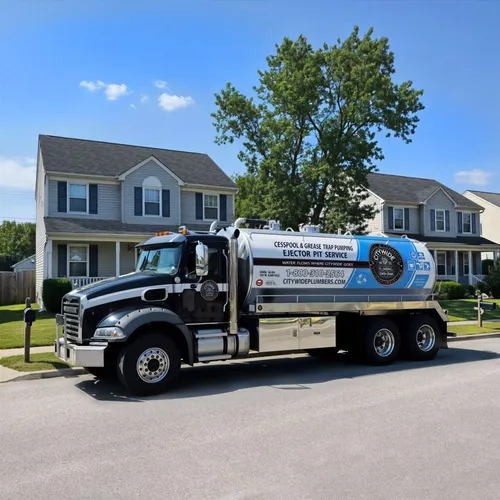
Citywide Grease Trap Maintenance | Cesspool Pumping Service Long Island
110 Voice Rd, Carle Place, NY 11514
Citywide Grease Trap Maintenance | Cesspool Pumping Service Long Island provides septic and cesspool pumping, inspection, repair, and installation services in New York, NY. Serving both residential and commercial clients, they offer comprehensive maintenance and cleaning to prevent system failures. Their skilled technicians use advanced equipment for installations and repairs, including grease trap pumping and sewage ejector pit services. With over 65 years of experience, Citywide operates 24/7 to address emergency needs promptly.
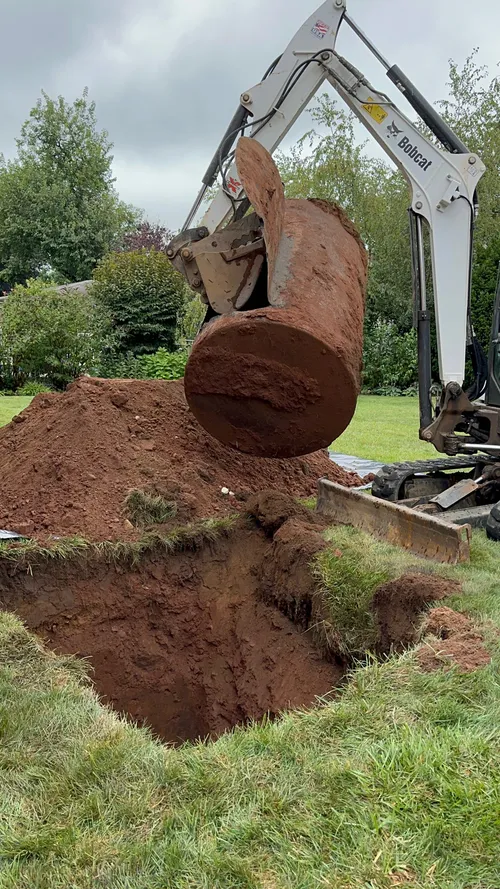
Water Resource Technologies
2 Kanouse Rd, Newfoundland, NJ 07435
Water Resource Technologies is a full-service environmental remediation and consulting company based near New York, NY. They specialize in septic system repair and installation, as well as residential heating oil tank services and environmental site remediation. Their expertise includes environmental drilling and borings, supporting a range of environmental and septic system needs.
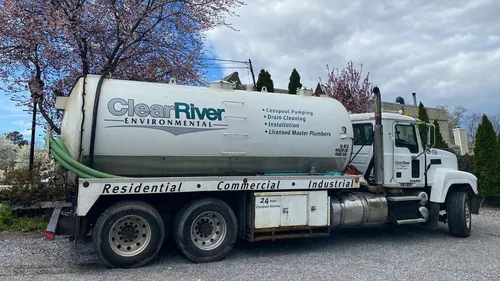
Clear River Environmental
847 11th St, Ronkonkoma, NY 11779
Clear River Environmental is a septic tank pumping, inspection, repair, and installation company serving New York, NY. They offer comprehensive environmental services including cesspool pumping, septic system maintenance, plumbing repairs, and emergency environmental remediation. The company has over 60 years of experience and uses advanced equipment such as camera inspection systems and leak detection technology. Clear River Environmental provides 24/7 emergency services to address urgent property issues promptly.
A Norton Septic Contracting
3171 US-9, Old Bridge, NJ 08857
A Norton Septic Contracting is a full-service septic company based in New York, NY, offering septic tank pumping, inspections, repairs, and installations. They serve residential and commercial clients and specialize in alternative septic systems like Hoot and Infiltrator. With over 30 years of experience, they provide NJDEP-compliant inspections and have developed effective repair methods for systems that fail prematurely. The company emphasizes proper maintenance and offers consultations to troubleshoot septic issues. They provide personalized service and handle each project from start to finish.
Understanding New York City's Septic System Regulations
Unlike many parts of New York State, where county health departments oversee septic work, installations and replacements within the five boroughs fall under the jurisdiction of the New York City Department of Environmental Protection (DEP) 1. The city has specific rules governing onsite wastewater treatment systems. A critical first step is confirming that your property is eligible for a septic system, as connection to the city sewer is required wherever it is available. For properties where sewer access is not feasible, all septic system installation, replacement, and major repair work must be performed or supervised by a licensed Master Plumber who submits the necessary applications and obtains approvals from the DEP 1. This ensures the system design meets city codes aimed at preventing groundwater contamination.
The Permit and Application Process
A construction permit is mandatory before any new septic system installation or substantial replacement can begin 2. In New York City, the licensed Master Plumber you hire will typically manage the permit application process with the DEP. This involves submitting detailed plans that specify the system's design, location, and components. While application fees can vary by county elsewhere in New York State, the NYC DEP will have its own fee structure for review and permitting. The core purpose of this permit is to ensure the proposed wastewater treatment system complies with all health and environmental safety standards before construction starts.
Critical Step: Site Evaluation and Soil Testing
A successful septic system installation hinges on the property's soil conditions. A thorough site evaluation conducted by a licensed engineer or designated professional is required. The most crucial component of this evaluation is the soil percolation test (often called a "perc test").
How a Percolation Test Works: The test measures the soil's ability to absorb and filter liquid effluent. At least two test holes are dug in the area proposed for the leaching field (also known as a drainfield or absorption field). These holes are pre-soaked, often for about 24 hours, to simulate saturated conditions. They are then filled with water, and the rate at which the water level drops is measured over a set period 3 4. This data, recorded on a percolation test data sheet, determines the soil's permeability and directly dictates the size and type of leaching field required to handle the household's wastewater flow 5. Poor percolation results may necessitate a more complex (and costly) system design, such as a raised bed or pressure-dosed system.
System Design and Compliance with NYS Appendix 75-A
Even within NYC, septic system designs generally must adhere to the principles outlined in the New York State Department of Health Code, specifically Appendix 75-A 6. These regulations provide the technical standards for onsite wastewater treatment systems. Key design mandates include maintaining specific separation distances from wells, property lines, water bodies, and buildings. For instance, septic tanks must be installed outside the building's footprint 7. The system's design-including tank capacity, leaching field layout, and any necessary pumps or alarms-is based on the home's size (number of bedrooms) and the results of the soil percolation tests. A professional designer or engineer will create plans that satisfy these health code requirements for submission with the permit application.
The Installation and Inspection Phases
Once permits are secured, the physical installation can proceed. This process is closely monitored through required inspections at critical stages to ensure compliance with the approved plans 8.
- Initial/Pre-construction Inspection: An inspector may review the staked-out site and soil test results before digging begins.
- Construction Inspection: This is a vital checkpoint. A DEP inspector or approved engineer will examine the excavated hole, the septic tank placement, and the leaching field trenches, including the distribution pipes and gravel bed, before they are backfilled and covered 9 10. This allows verification of proper materials, depths, and construction techniques.
- Final Inspection: After the system is fully installed and covered, a final inspection verifies that the installation is complete, the site is properly restored, and the system is ready for operation without risk of effluent surfacing 11 12.
Find the perfect septic tank installation & replacement contractors for your needs
Get personalized recommendations and expert advice
Understanding Costs for Installation and Replacement
The cost for a new septic system or a full system replacement in the New York area is a significant investment, with a wide range depending on site-specific factors. While precise NYC pricing requires quotes from licensed contractors, general cost drivers include:
- System Type: A conventional gravity-fed system is typically less expensive than alternative systems like pressure-dosed mounds, sand filters, or aerobic treatment units, which may be needed for challenging soils or small lots.
- Soil and Site Conditions: Difficult sites with poor percolation, high groundwater, or steep slopes require more extensive engineering and construction, increasing costs.
- System Size: Larger homes requiring greater tank capacity and larger leaching fields will cost more.
- Permitting and Professional Fees: This includes DEP application fees, soil testing fees, and design/engineering costs.
While data from other regions indicates a broad range, complete septic system installations can generally range from roughly $5,000 for a simple replacement to well over $20,000 for a complex new installation on a difficult site 13 14. The permit and inspection fees are often included in the contractor's total project estimate.
Choosing Between Repair and Full Replacement
Not all system failures require a complete replacement. A qualified professional can diagnose issues such as clogged pipes, a failing distribution box, or a damaged tank baffle that might be repaired. However, a full replacement is often necessary if the leaching field has failed (signaled by soggy ground or sewage backups), the tank is structurally compromised, or the existing system is undersized and cannot be upgraded to meet current codes. A professional assessment will determine the most viable and cost-effective long-term solution for your property.
Maintaining Your New Septic System
After a successful installation or replacement, proper maintenance is key to longevity. This includes regular pumping of the septic tank (typically every 3-5 years), conserving water to avoid overloading the system, and avoiding flushing harmful chemicals or non-biodegradable materials. Protecting the leaching field area from vehicle traffic and deep-rooted plants is also crucial. A well-maintained system can function effectively for decades, protecting your property value and the local environment.
Frequently asked questions
Sources
Footnotes
-
Water & Sewer Forms - DEP - NYC.gov - https://www.nyc.gov/site/dep/about/water-sewer-forms.page ↩ ↩2
-
NYS Health Code requires a construction permit to install and/or ... - https://www.facebook.com/clintonhealth/posts/nys-health-code-requires-a-construction-permit-to-install-andor-replace-a-septic/1275656230999367/ ↩
-
item 648.40010008 - soil percolation test - https://www.dot.ny.gov/spec-repository-us/648.40010008.pdf ↩
-
Soil Percolation Testing - https://www.otsegosoilandwater.com/soil-percolation-testing ↩
-
Perc Test Guide: Do You Need One for Your Property? - https://rangerealtyco.com/blog/what-is-a-perc-test-and-do-you-need-one ↩
-
N.Y. Comp. Codes R. & Regs. Tit. 10, app 75-A § 75-A.4 - Soil and ... - https://www.law.cornell.edu/regulations/new-york/10-NYCRR-app-75-A-SS-75-A-4 ↩
-
New York Septic License & Certification | 2024 Contractor Guide - https://www.servicetitan.com/licensing/septic/new-york ↩
-
Septic Inspection Service in New York - https://sherwoodinspection.com/septic-inspection-new-york/ ↩
-
1 RCNY §8001-01 - NYC.gov - https://www.nyc.gov/assets/buildings/rules/1_RCNY_8001-01.pdf ↩
-
How to Know if You Need a Septic System Permit - Pippin Home Designs - https://www.pippinhomedesigns.com/septic-system-permit/ ↩
-
Septic and Onsite Wastewater Systems | Environmental Health - https://www3.erie.gov/envhealth/septic-and-onsite-wastewater-systems ↩
-
Septic System Installation & Inspection | Cayuga County, NY - http://www.cayugacounty.gov/677/Septic-System-Installation-Inspection ↩
-
Septic Installation Cost in New Jersey (2025 Guide & Pricing) - https://www.atsenvironmental.com/blog/the-real-cost-of-septic-installation-in-new-jersey-2025/ ↩
-
How Much Does It Cost to Put in a Well and Septic System? Price ... - https://lendedu.com/blog/how-much-does-well-septic-system-cost/ ↩