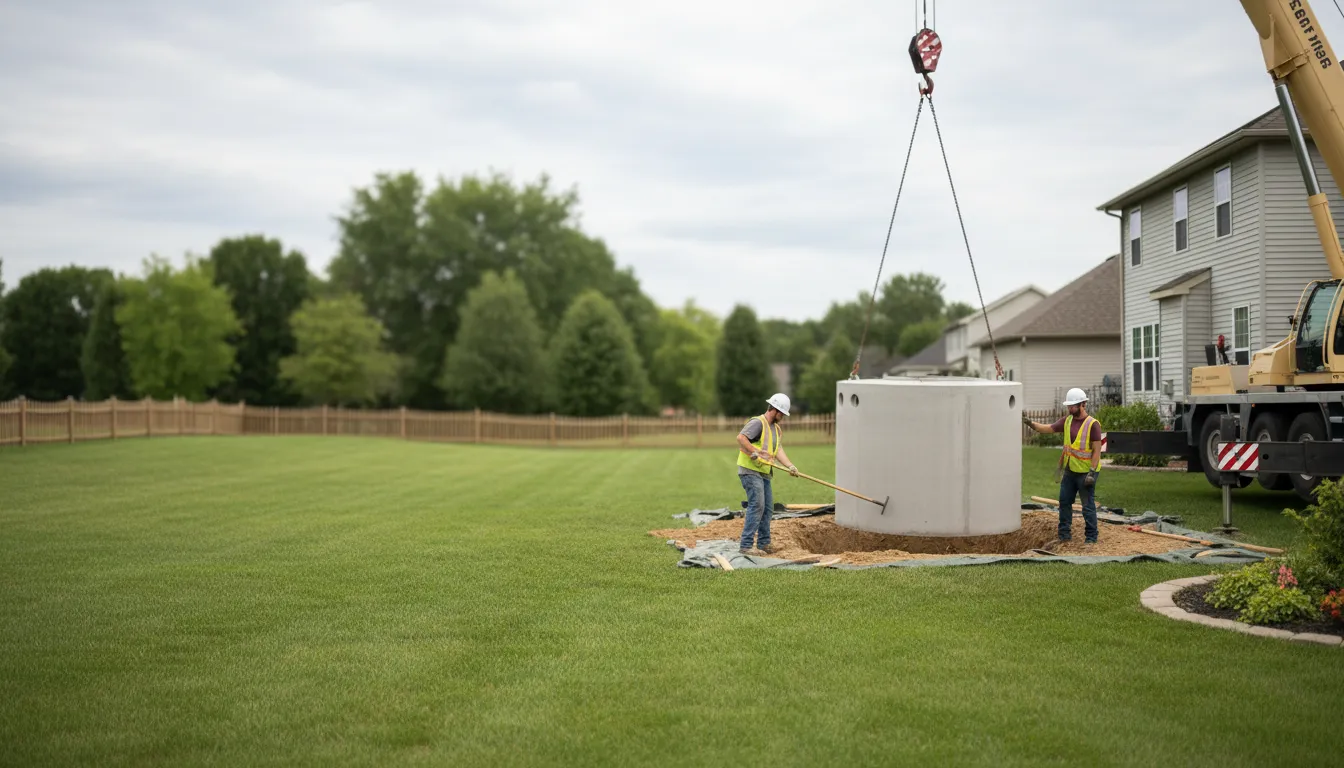
Find the Best Septic Tank Installation & Replacement Contractors for Your Business
No obligation • Fast responses • Nationwide coverage

Why you can trust Septic Spot
Septic Spot is a leading United States resource for understanding and comparing septic services. Our editors review providers using consistent criteria and verify key business details. Listings and scores are independent, and companies cannot pay to influence our content.
Search providers near you
Top Septic Tank Installation & Replacement Contractors in Buffalo, New York Ranked
Installing or replacing a septic system is a significant home infrastructure project that ensures the safe and legal treatment of household wastewater. For Buffalo and Erie County homeowners, this process is governed by specific state and county health codes to protect public health and the environment. This guide explains the key steps, regulations, and costs involved in septic system installation and replacement locally, helping you understand what to expect and how to connect with qualified professionals for your project.
Just In Time Septic and Site Construction
Buffalo, NY
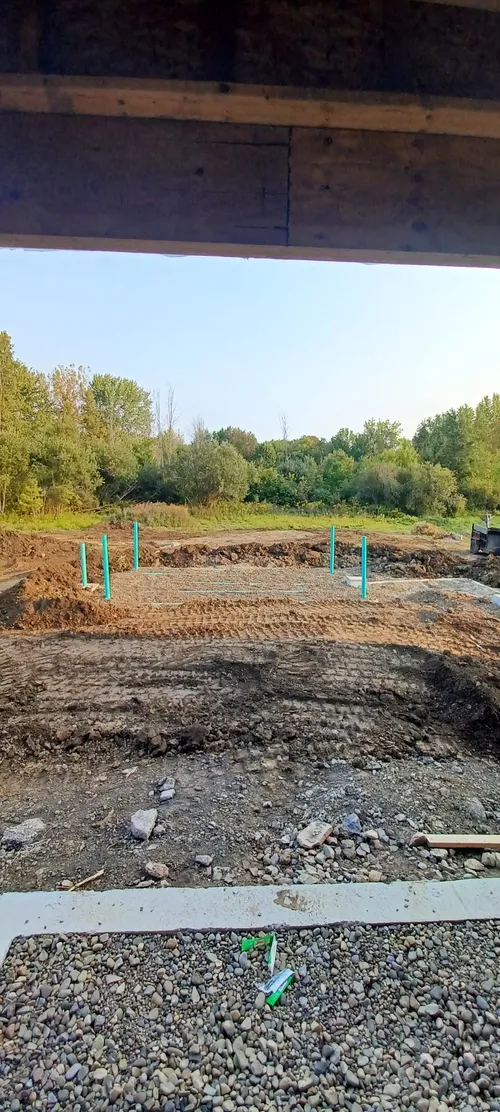
Just In Time Septic and Site Construction is a septic system repair and installation company based in Buffalo, NY. They offer sewer and septic services across several Western New York communities including Orchard Park, Ellicottville, Hamburg, Springville, East Aurora, and Eden. With over 15 years of experience, they handle septic tank replacements and sewer system repairs such as clearing clogs and backups.
Macken Services, Inc.
Buffalo, NY
Macken Services, Inc. is a family-owned septic service provider based in Buffalo, NY, offering a full range of septic system solutions for residential and commercial customers. Since 1968, they have specialized in septic tank pumping, inspections, repairs, installations, and maintenance, including grease trap services. Their expertise includes leach field repair and sand filtration installation to maintain system efficiency and prevent costly issues. Macken Services serves Buffalo and surrounding areas, including Lancaster and Erie County, with decades of experience in septic system care.
Understanding the Permit Process in Erie County
Before any digging begins, you must secure the proper approvals. In Erie County, all new installations and full system replacements require a Construction Permit for an Onsite Wastewater Treatment System from the Erie County Department of Health (ECDOH). This is a non-negotiable first step mandated by New York State Health Code (10 NYCRR Part 75) 1.
The permit application process involves several key components:
- Professional Design: You must hire a New York State-licensed professional engineer or a certified wastewater treatment system designer to create detailed site plans for your system.
- Application Submission: The completed application, engineering plans, and a $300 fee are submitted to the ECDOH for review 2.
- System Failure Protocol: If you are replacing a failed system, the ECDOH will typically conduct a site visit and provide specifications for the required replacement system.
The Critical Role of Site Evaluation & Soil Testing
A successful septic system design hinges on the property's soil conditions. A percolation (perc) test is a required part of the site evaluation to determine the soil's absorption rate. This test informs the size and design of the crucial drain field. The results must be obtained before your engineer finalizes the design plans, as they directly impact the system's engineering and the permit approval.
Installation Steps & Mandatory Inspections
Once you have your permit, the physical installation can proceed. This should always be performed by a licensed and experienced installer familiar with Erie County's specific codes. The process is closely monitored through mandatory inspections to ensure compliance with the approved plans.
Key inspection points include 3 4:
- Pre-Installation: Verification that the site preparation matches the plan.
- During Construction: Your hired professional engineer or designer is responsible for inspecting the work at critical stages, such as tank placement, structural integrity, and drainfield material installation.
- Final Approval: Upon completion, the engineer must submit a signed Final Construction Compliance document to the ECDOH. Only after reviewing this will the health department issue a "Completed Works Approval," officially closing the permit 5.
Cost Factors for Septic Systems in the Buffalo Area
The cost of a septic system in Western New York varies widely based on system type, site conditions, and tank size. It's important to budget for the entire project, not just the tank.
- Septic Tank Only: The tank itself can range from $500 to $2,500, with price depending on its capacity (e.g., 1,000 to 1,500 gallons for a typical home) 6 7.
- Complete System Installation: The total cost for a standard residential septic system, including the tank, drain field, labor, and permitting, often falls between $3,615 and $12,408 8 9. In the Buffalo region, challenging site conditions like poor soil, high water tables, or steep slopes can push costs toward or above the higher end of this range 8 10.
- Replacement Projects: Replacing a failed system involves all the same costs as a new installation, including new permit fees, design work, and excavation.
Find the perfect septic tank installation & replacement contractors for your needs
Get personalized recommendations and expert advice
Choosing the Right Professional Team
Given the regulatory complexity, assembling the right team is essential. You will need two key professionals:
- A NY-licensed professional engineer or certified designer to handle the site evaluation, design, and regulatory inspections.
- A licensed and insured installation contractor with proven experience installing systems that pass Erie County's compliance inspections.
Always verify licenses and ask for references from recent projects in the county. A reputable installer will be transparent about the process and comfortable working alongside your design professional.
Navigating System Replacement
System failure-often signaled by slow drains, soggy yard patches, or sewage backups-requires immediate action. Contact the ECDOH, who will guide you through the replacement protocol. You cannot simply repair a failed system; it must be replaced according to current codes, which may differ from those in place when the original system was installed. This often means the replacement process mirrors a new installation, starting with a new permit application and site evaluation.
Long-Term Considerations After Installation
After your new onsite wastewater system is approved, proper maintenance is key to its longevity. While installation sets the foundation, regular pumping (typically every 3-5 years) and careful water usage will protect your investment. Keep your system's "as-built" plans in a safe place for future reference, as they will be needed for any future property work or maintenance.
Frequently asked questions
Sources
Footnotes
-
Individual Private On-Site Sewage Disposal Systems - UpCodes - https://up.codes/s/individual-private-on-site-sewage-disposal-systems ↩
-
Septic and Onsite Wastewater Systems | Environmental Health - https://www3.erie.gov/envhealth/septic-and-onsite-wastewater-systems ↩
-
Septic Tank Installation Requirements | Angi - https://www.angi.com/articles/complete-septic-installation-checklist.htm ↩
-
How to Know if You Need a Septic System Permit - Pippin Home Designs - https://www.pippinhomedesigns.com/septic-system-permit/ ↩
-
erie county department of health onsite wastewater treatment ... - https://www3.erie.gov/envhealth/sites/www3.erie.gov.envhealth/files/2023-03/phedpinstructions.pdf ↩
-
Residential Septic Tank Pricing | Homeowner's Guide to Costs - https://www.ntotank.com/blog/residential-septic-tank-pricing ↩
-
How Much Does a Septic Tank Cost? - NerdWallet - https://www.nerdwallet.com/home-ownership/home-improvement/learn/septic-tank-cost ↩
-
How Much Does a Septic System Cost in 2025? What to Expect - https://sewertechli.com/how-much-does-a-septic-system-cost/ ↩ ↩2
-
Septic System Installation Costs: Budgeting Tips for Home - https://smartsepticpros.com/blog/septic-system-installation/ ↩
-
How Much Does a Septic System Cost? - https://septic-service-texas.com/how-much-does-a-septic-system-cost/ ↩