Find the Best Septic Tank Installation & Replacement Contractors for Your Business
No obligation • Fast responses • Nationwide coverage

Why you can trust Septic Spot
Septic Spot is a leading United States resource for understanding and comparing septic services. Our editors review providers using consistent criteria and verify key business details. Listings and scores are independent, and companies cannot pay to influence our content.
Search providers near you
Top Septic Tank Installation & Replacement Contractors in Midwest City, Oklahoma Ranked
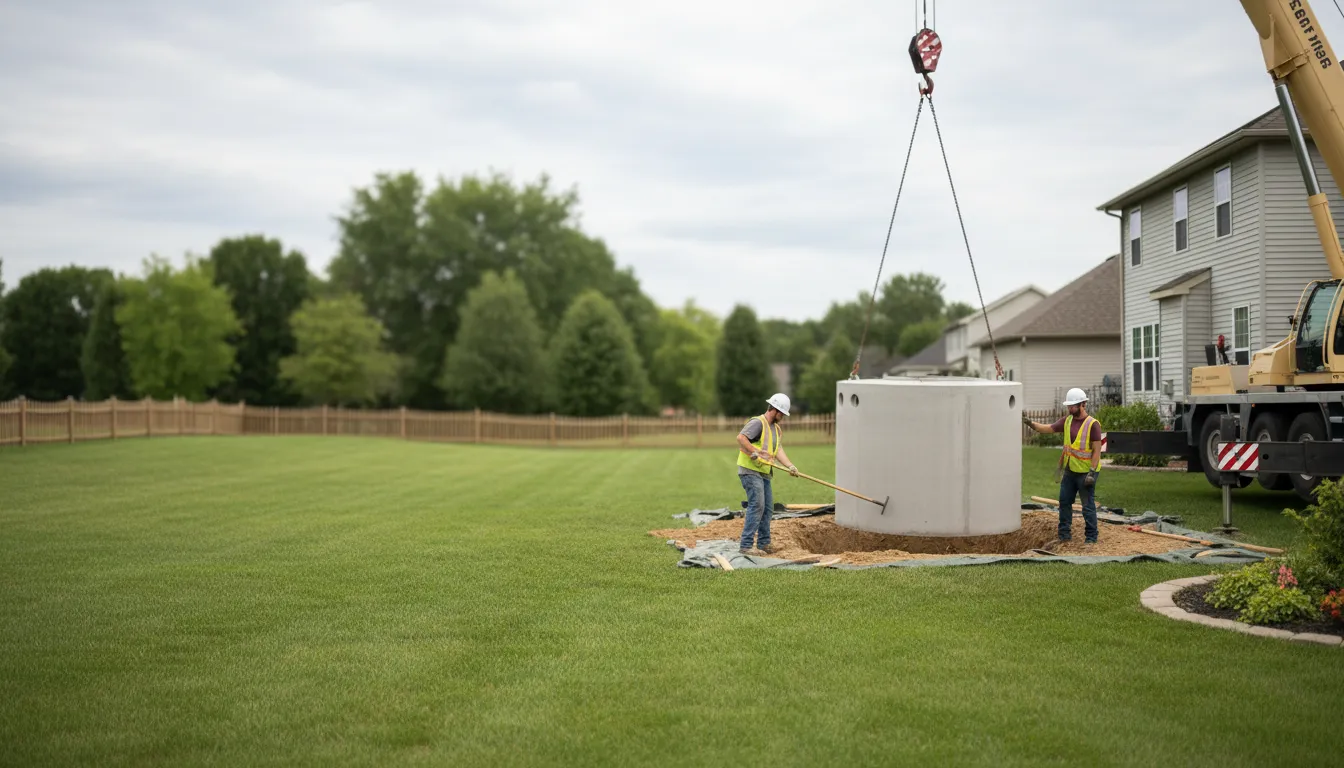
Installing or replacing a septic system is a significant investment in your property's long-term functionality and environmental health. For homes in Midwest City not connected to municipal sewer lines, a properly designed and permitted septic system is essential for safely managing household wastewater. This guide explains the key steps, costs, and regulations for septic tank installation and replacement in the Midwest City area, helping you understand the process and connect with qualified local professionals.
Sprague's Backhoe
1035 County Street 2982, Blanchard, OK 73010
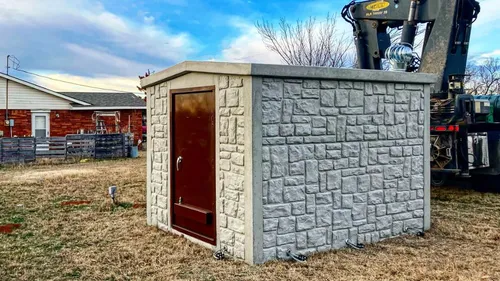
Sprague's Backhoe is a locally owned contractor based near Oklahoma City, OK, specializing in storm shelter installation, septic system installation, and excavation services. They install above ground storm shelters statewide and below ground shelters within 30 miles of Bridge Creek, including Oklahoma City and surrounding communities. The company is DEQ certified for septic system installations and handles projects from soil testing to final inspection. With over 20 years of experience, Sprague's Backhoe offers concrete storm shelters that meet FEMA guidelines for EF5 tornado protection and provides excavation and demolition services for residential and commercial properties.
Dependable Septic Service
1411 N Morgan Rd, Tuttle, OK 73089
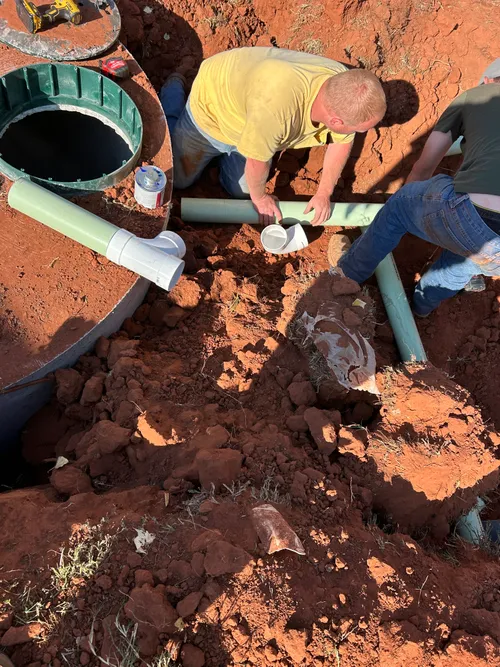
Dependable Septic Service is a family-owned company providing septic tank pumping, cleaning, and repair services in Oklahoma City, OK. They specialize in both conventional and aerobic septic systems, offering certified and bonded installation and maintenance for residential and commercial properties. With over 10 years of experience, they handle septic emergencies and provide lateral line repair and cleaning to ensure system efficiency and longevity. The company offers 24/7 emergency services to address unexpected septic issues promptly.
Firestorm Septics & Shelters
6114 US-177, Shawnee, OK 74804
Firestorm Septics & Shelters is a septic system and storm shelter company based in Oklahoma City, OK. They provide septic tank pumping, inspection, repair, installation, and drain field services, along with storm shelter installation. The company is known for handling septic system issues such as lateral line installation and aerobic system repairs. As a locally owned and veteran-owned business, Firestorm Septics & Shelters has built a reputation for thorough work and clear communication. They also offer after-hours service and quick response times, including weekend work when needed.
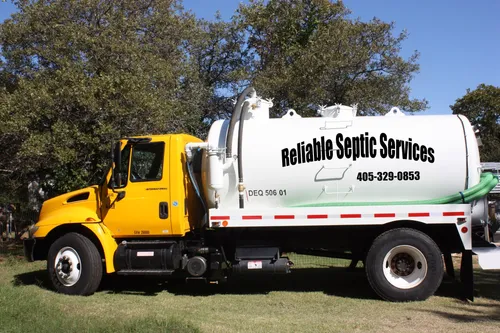
Reliable Septic Services
110 84th Ave SE, Norman, OK 73026
Reliable Septic Services is a family-owned business serving Oklahoma City, OK, with over 15 years of experience in septic system installation, maintenance, and repair. They provide a full range of septic services including pumping, inspections, emergency repairs, and site preparation using modern equipment. The company offers after-hours and weekend appointments to accommodate urgent needs and supports customers with a 2-year labor warranty and price matching on written competitor quotes.
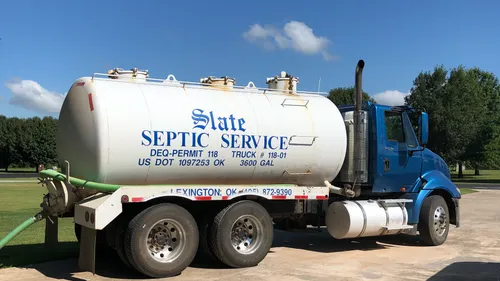
Slate's Septic Services
13400 Banner Rd, Lexington, OK 73051
Slate's Septic Services provides residential and commercial septic system installation, repair, and pumping in Oklahoma City, OK. They offer custom backhoe work, aerobic systems, lagoon maintenance, and storm shelter installation. The company emphasizes proper septic system maintenance to protect the environment and extend system life. Established in 1972, Slate's Septic Services brings over 40 years of experience to their work. They serve clients across Cleveland and McClain counties, including Norman, Noble, Slaughterville, Lexington, and Purcell.
Understanding Septic System Basics
A septic system is an on-site wastewater treatment structure. The most common type is a conventional septic system, which includes a watertight tank where solids settle and begin to decompose, and a drain field (or leach field) where the clarified liquid is dispersed into the soil for final treatment. In Midwest City and across Oklahoma, the type of system you can install is primarily determined by your property's soil conditions and size. Understanding whether you need a conventional system or a more advanced aerobic treatment unit is the first critical step in the planning process.
Oklahoma and Local Regulations
All septic system installations and major replacements in Oklahoma are regulated by the Oklahoma Department of Environmental Quality (DEQ). It is illegal to construct, modify, or repair a system without first obtaining the proper permit from the DEQ. This state-level oversight ensures systems are designed to protect groundwater-a crucial resource-and public health. The regulations cover everything from system design and setbacks to installer certification and mandatory inspections.
Key Permit Steps
Before any digging begins, you or your licensed installer must submit DEQ Form 641-575, the "Request for Authorization/Permit to Construct," along with detailed site plans 1. These plans are typically prepared by a state-certified installer or a professional engineer. The permit fee is approximately $500 and is often bundled into the total quote from your installation contractor. Securing this permit is non-negotiable and is the official starting point for your project.
Required Setbacks
Your system must be located entirely on your property and adhere to strict distance requirements from other features. Common setbacks include being at least 75 feet from water wells, 10 feet from property lines, and 20 feet from buildings or structures 2. These rules are designed to prevent contamination and allow for future maintenance or repairs. A professional site evaluation will confirm your property can accommodate these spatial requirements.
The Critical Role of Soil Testing
The single most important factor determining your system's design and cost is your soil's ability to absorb and treat wastewater, known as its percolation rate or "perc" rate. Oklahoma soils, which often contain heavy clay, may drain poorly, limiting the options for a conventional drain field.
The Percolation Test
A qualified professional must conduct a formal soil investigation. This involves excavating test pits or borings to examine soil layers and texture, and often conducting a percolation test where water is introduced to a hole to measure its absorption rate 3. This test determines the soil's suitability and dictates the size and type of drain field required. The cost for professional soil and perc testing in the Midwest City area generally ranges from $350 to $550.
System Types Based on Soil
- Conventional System: Suitable for properties with good, permeable soil. This is often the most cost-effective option.
- Alternative Systems: Required for poor-draining soils, high groundwater, or small lots. These include:
- Aerobic Treatment Systems (ATS): Use oxygen to break down waste more efficiently, producing a higher-quality effluent that can be sprayed over a smaller area.
- Low-Pressure Dose (LPD) Systems: Use a pump to distribute effluent evenly across a drain field.
- Evapotranspiration (ET) Systems: Rely on sun and plants to evaporate and absorb wastewater, used in specific conditions.
Find the perfect septic tank installation & replacement contractors for your needs
Get personalized recommendations and expert advice
Installation Process and Timeline
Once permits are secured and the system is designed, the physical installation begins. This process is methodical and involves several key stages where DEQ inspections are mandatory.
- Site Preparation: The installation area is cleared and excavated.
- Tank and Field Installation: The septic tank (often concrete or plastic) is set, and the distribution lines for the drain field are laid in prepared trenches filled with specific gravel or chambers.
- Pre-Cover Inspection: This is a critical milestone. Before the tank and drain field are backfilled with soil, your licensed installer must notify the DEQ for an inspection. An inspector will verify the components are installed correctly according to the approved plans.
- Backfilling and Final Connection: After passing inspection, the system is covered. The plumbing from your house is connected to the inlet of the tank.
- Final Approval: The installer must submit a completion report to the DEQ within 10 days of finishing the work. Keeping a copy of this report for your property records is essential.
From initial soil testing to final approval, the entire process for a new septic system installation can take several weeks to a few months, depending on permit processing times, soil conditions, and contractor scheduling.
Cost Breakdown for Midwest City
The total cost for a new septic system installation or a full system replacement varies widely based on system type, soil conditions, and property characteristics. Here is a general cost framework based on Oklahoma data 4 5:
- Conventional Septic System: $3,000 - $4,000. This is the baseline for properties with ideal soil and sufficient space.
- Aerobic Treatment System (ATS): $5,500 - $8,000+. Commonly needed in the region due to clay soils, these systems have higher upfront and ongoing maintenance costs.
- Low-Pressure Dose (LPD) System: $4,500 - $5,000.
- Other Alternative Systems (e.g., ET): $4,000 - $12,000, depending on complexity.
Additional Cost Factors:
- Soil/Perc Testing: $350 - $550 6.
- DEQ Permit Fee: ~$500.
- Design/Engineering Fees: If required for complex sites.
- Excavation and Site Work: Can increase with rocky soil or difficult access.
- Annual Maintenance: Aerobic systems require routine servicing contracts. All systems require periodic tank pumping, which costs $400 - $700 per service in the area 7 8.
Choosing a Licensed Installer
Selecting the right contractor is paramount. In Oklahoma, individuals who install, repair, or alter septic systems must be licensed by the DEQ 9. Always verify a contractor's license status. A reputable, certified installer will:
- Handle the permit application and site plan preparation.
- Understand local soil conditions and DEQ expectations.
- Obtain all necessary pre-cover inspections.
- Provide a detailed, written contract outlining the scope of work, system specifications, timeline, and total cost.
- Offer guidance on long-term care and maintenance for your specific system type.
Long-Term Maintenance and Care
A new septic system is a long-term asset that requires proper care. Routine maintenance, primarily regular tank pumping every 3-5 years, is essential to prevent solids from overflowing into the drain field and causing a costly failure. Be mindful of what goes down your drains, conserve water to avoid overloading the system, and protect your drain field by not driving or building over it. For aerobic systems, adhere strictly to the manufacturer's and installer's maintenance schedule, which includes regular inspections and servicing of electrical components and aerators.
Frequently asked questions
Sources
Footnotes
-
chapter 641. individual and small public on-site sewage ... - https://oklahoma.gov/content/dam/ok/en/deq/documents/deqmainresources/641.pdf ↩
-
Basic Septic System Rules for Oklahoma - https://extension.okstate.edu/fact-sheets/print-publications/pss/basic-septic-system-rules-for-oklahoma-pss-2918.pdf ↩
-
Perc Testing and Soil Testing - What You Need to Know - https://buildingadvisor.com/buying-land/septic-systems/soil-and-perc-testing/ ↩
-
Land Buyers' Septic System Guide for Oklahoma - https://extension.okstate.edu/fact-sheets/land-buyers-septic-system-guide-for-oklahoma.html ↩
-
Land Buyers' Septic System Guide for Oklahoma - https://extension.okstate.edu/fact-sheets/print-publications/l/land-buyers-septic-system-guide-for-oklahoma-l-430.pdf ↩
-
How Much Does a Perc Test Cost? [2026 Data] | Angi - https://www.angi.com/articles/perc-test-cost.htm ↩
-
How Much Does a Septic System Cost in Oklahoma? - https://www.cycloneseptics.com/how-much-does-a-septic-system-cost-in-oklahoma/ ↩
-
What is the cost of drilling a 140' water well and ... - Facebook - https://www.facebook.com/groups/2302264926705768/posts/3687664561499124/ ↩
-
Oklahoma Septic License & Certification | 2024 Contractor Guide - https://www.servicetitan.com/licensing/septic/oklahoma ↩