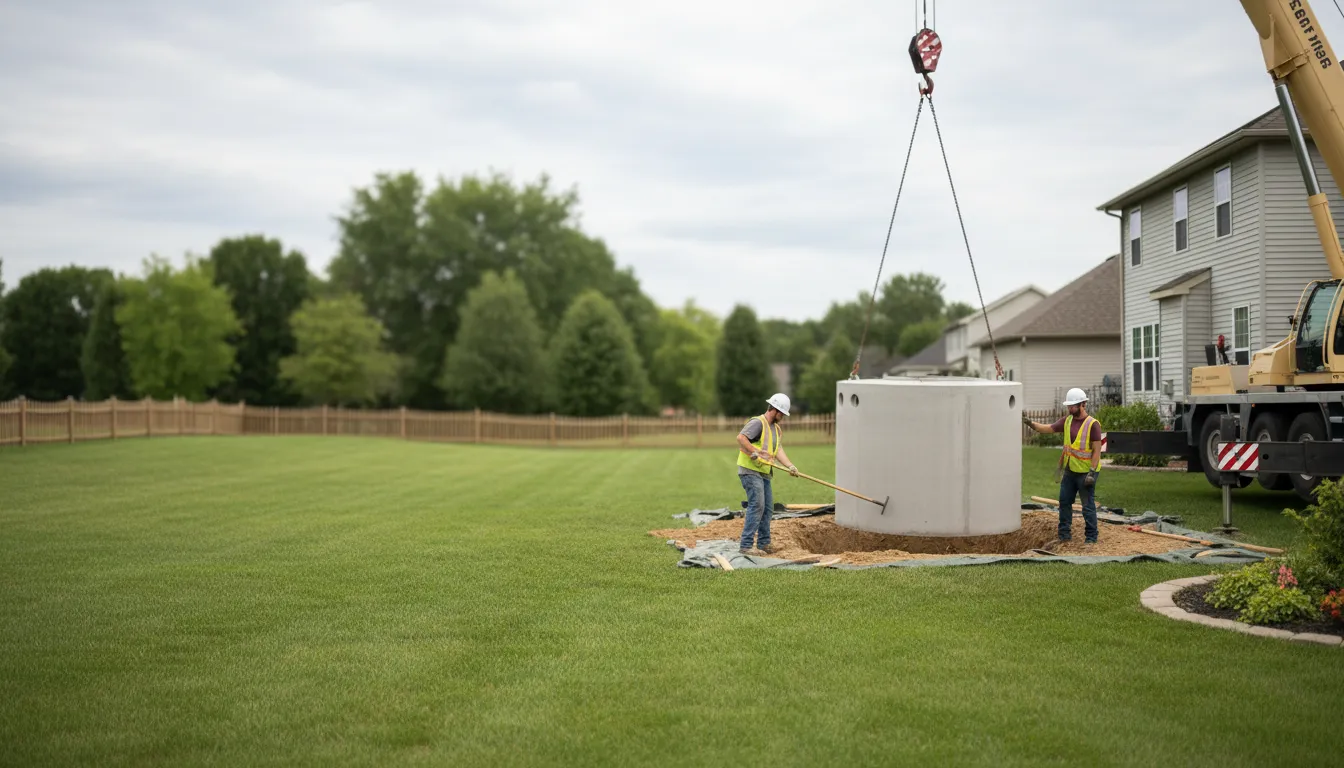
Find the Best Septic Tank Installation & Replacement Contractors for Your Business
No obligation • Fast responses • Nationwide coverage

Why you can trust Septic Spot
Septic Spot is a leading United States resource for understanding and comparing septic services. Our editors review providers using consistent criteria and verify key business details. Listings and scores are independent, and companies cannot pay to influence our content.
Search providers near you
Top Septic Tank Installation & Replacement Contractors in Tulsa, Oklahoma Ranked
Installing or replacing a septic system is a significant investment in your property's long-term health and value. In Tulsa, this process is governed by specific state and local regulations designed to protect groundwater and public health. Whether you're building a new home, replacing a failing system, or upgrading an existing one, understanding the steps, costs, and requirements is crucial. This guide provides a detailed overview of the septic system installation and replacement process in Tulsa, helping you navigate the journey from soil testing to final inspection.
ClearFlow Septic
16855 S Memorial Dr, Bixby, OK 74008
ClearFlow Septic is a septic service provider based in Tulsa, OK, serving residential and commercial clients in Tulsa and nearby cities including Bixby, Glenpool, and Broken Arrow. They offer a full range of septic services such as system installation, repairs, pumping, inspections, and sewer line services. ClearFlow Septic specializes in both conventional and aerobic septic systems, which are suited for properties with challenging soil conditions. Their team is skilled in handling routine maintenance as well as complex septic system issues to ensure efficient operation and compliance with local regulations.
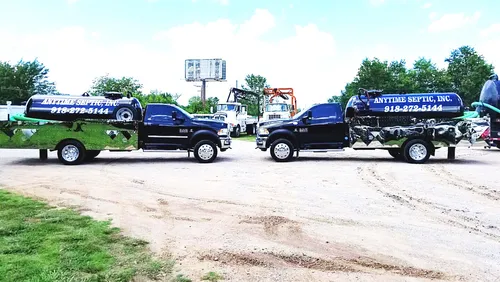
Anytime Septic, Inc.
13800 E 92nd Ct N, Owasso, OK 74055
Anytime Septic, Inc. is a septic service provider located in Tulsa, OK, serving the local community with a range of septic system solutions. They offer septic tank pumping, system repairs, tank installation, and drain field repair or replacement. The company is equipped to handle hydro jetting and maintenance for aerobic and subsurface systems. Anytime Septic is available 24/7, 365 days a year to address septic concerns promptly. They also support their community through charitable initiatives and provide a mobile app for easy service scheduling and record keeping.
Martin Septic OK LLC
29184 S 4170 Rd, Inola, OK 74036
Martin Septic OK LLC is a family-owned septic service provider based in Tulsa, OK, offering septic tank installation, pumping, maintenance, and repair services. With over 15 years of construction experience, they serve homeowners across Northeast Oklahoma, including Tulsa and surrounding areas. Their capabilities include professional septic system design and installation, as well as expert repairs using quality materials to ensure system health and longevity. The company is fully licensed and insured, emphasizing a personalized approach and attention to detail.
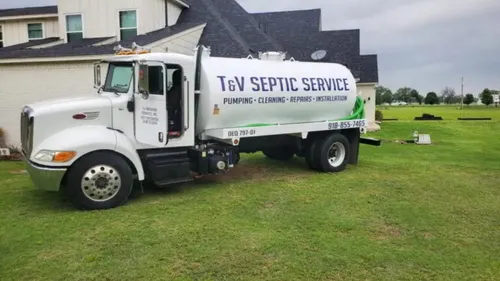
T&V Backhoe & Septic Services
Tulsa, OK
T&V Backhoe & Septic Services is based in Collinsville, OK, and serves Tulsa and nearby communities including Owasso, Claremore, and Skiatook. Since 1996, they have provided septic system repair and septic tank installation for both residential and commercial properties. Their capabilities include building and installing various types of septic and wastewater treatment systems. The company also has extensive experience with backhoe and trackhoe work for footings and utilities.

Anytime Septic, Inc. Collinsville
15609 N 137 E Ave, Collinsville, OK 74021
Anytime Septic, Inc. Collinsville provides septic tank pumping, installation, cleaning, and lateral line repair services in Tulsa, OK. The company offers 24/7 emergency response to septic issues, ensuring timely assistance whenever needed. Their experienced team handles septic system maintenance and installations tailored to customer needs. Established as part of Anytime Home Services Inc., they serve the local community with a commitment to reliable septic solutions and convenient service coordination through their mobile app.
Understanding Tulsa's Septic System Requirements
Before a shovel hits the ground, you must navigate Oklahoma's regulatory landscape. The Oklahoma Department of Environmental Quality (DEQ) oversees all on-site sewage treatment systems. A new septic system installation or a major replacement is not a simple DIY project; it requires state authorization and professional expertise. The cornerstone of this process is obtaining a "Request for Authorization/Permit to Construct" (DEQ Form 641-575), which must be submitted to the local DEQ office 1 2. This permit typically costs around $500.
Regulations are detailed in the Oklahoma Administrative Code 252:641, which sets design standards for tanks, drain fields, and all system components 3 4. Crucially, the law requires that the system be installed by a DEQ-certified installer 5. Hiring a certified professional ensures the work meets code, which is vital for passing inspections and protecting your investment.
The Critical First Step: Soil Evaluation
The type of septic system your property can support is determined almost entirely by the soil. Tulsa's clay-heavy soils often present drainage challenges, making this step non-negotiable. A certified professional must conduct either a soil percolation (perc) test or a more comprehensive soil profile description.
- Percolation Test: Measures how quickly water drains through a soil sample.
- Soil Profile: Involves digging a deep pit to examine soil layers, texture, and depth to bedrock or water table.
This evaluation determines the soil's absorption rate, which dictates the size and type of system required. In Tulsa, where soils often drain poorly, more advanced systems like aerobic treatment units (ATUs) are frequently necessary. The cost for this essential testing in the Tulsa area generally ranges from $350 to $550, though it can vary from $228 to $858 depending on the property's complexity.
System Design & Site Planning
With soil data in hand, a DEQ-certified designer or installer will create a system design that complies with all regulations. A key part of this phase is ensuring proper setbacks-mandatory distances the system must be from other features. Common Oklahoma setbacks include 6:
- 75 feet from water wells.
- 10 feet from property lines.
- 15 feet from foundation drains.
- 50 feet from streams or lakes.
The design will specify whether a conventional gravity system, an aerobic treatment system, or an alternative system (like drip irrigation or low-pressure dosing) is required based on your soil's capabilities and property layout.
Types of Septic Systems Used in Tulsa
Not all septic systems are created equal. The right choice depends on your soil, lot size, and budget.
- Conventional Gravity System: The most basic type, relying on gravity to move effluent from the tank to a drain field. It's the most affordable option but is only suitable for properties with well-draining soil. In Tulsa, this is less common. Estimated installation cost: $3,000 - $4,000.
- Aerobic Treatment System (ATS): An electrically powered system that injects oxygen into the treatment tank, allowing bacteria to break down waste more efficiently. This is often required in Tulsa due to poor soil conditions. It produces a higher quality effluent, allowing for a smaller drain field. Estimated installation cost: $5,500 - $6,000+ 7.
- Alternative Systems (Drip/Low-Pressure): These systems use pumps to distribute effluent more evenly across a drain field or through shallow drip tubing. They are useful for properties with high water tables, shallow soil, or space constraints. Estimated installation cost: $4,500 - $8,000.
Find the perfect septic tank installation & replacement contractors for your needs
Get personalized recommendations and expert advice
The Installation & Inspection Process
Once the permit is approved, the certified installer can begin construction. The process follows a strict sequence with mandatory DEQ inspections at critical points 8:
- Site Inspection: A DEQ representative may visit to verify the proposed location and setbacks.
- Pre-Cover Inspection: This is the most important inspection. After the tank and drain field trenches are installed but before any backfilling occurs, the DEQ must inspect the components for proper placement, construction, and connection.
- Final Inspection: After the system is fully installed and covered, a final inspection ensures everything is complete and operational.
Failing to call for the pre-cover inspection can result in being required to excavate the system for viewing, leading to significant extra cost and delay 9.
Cost Breakdown for Septic System Installation
The total cost for a new septic system installation in Tulsa is highly variable. Here's a typical breakdown based on available data:
- Soil Testing/Profile: $350 - $550 10
- DEQ Permit Fee: ~$500
- System Installation (Materials & Labor):
- Conventional System: $3,000 - $4,000
- Aerobic System: $5,500 - $6,000+
- Alternative System: $4,500 - $8,000
- Annual Maintenance (ATS): Required for aerobic systems, involving regular servicing contracts.
- Future Pumping: All tanks require pumping every 3-5 years at a cost of roughly $400 - $700 per service 11.
Total project costs can easily range from $4,000 for a simple conventional system on ideal land to over $12,000 for a complex aerobic or alternative system on challenging terrain 12.
When is Septic System Replacement Needed?
Replacement follows the same permit and installation process as a new install. Signs you may need a full system replacement include:
- Persistent sewage backups or surfacing effluent in the yard.
- Foul odors around the tank or drain field.
- Lush, soggy grass over the drain field even in dry weather.
- Failed system inspection during a property sale.
- Changes in water use that overload an old, undersized system.
Sometimes, a failing drain field can be repaired or expanded, but often, a completely new system designed to modern standards is the most reliable solution.
Maintaining Your New Septic Investment
Proper maintenance protects your investment. For conventional systems, this primarily means regular pumping and mindful water use. For the aerobic systems common in Tulsa, maintenance is more involved and typically requires a quarterly or semi-annual service contract with a licensed provider to inspect mechanical components, check chlorine tablets, and ensure the system is operating correctly. Regardless of type, avoiding flushing non-biodegradables, chemicals, and excessive grease will extend your system's life.
Frequently asked questions
Sources
Footnotes
-
Basic Septic System Rules for Oklahoma - https://extension.okstate.edu/fact-sheets/basic-septic-system-rules-for-oklahoma.html ↩
-
Oklahoma Septic License & Certification | 2024 Contractor Guide - https://www.servicetitan.com/licensing/septic/oklahoma ↩
-
chapter 641. individual and small public on-site sewage ... - https://oklahoma.gov/content/dam/ok/en/deq/documents/deqmainresources/641.pdf ↩
-
Okla. Admin. Code § 252:641-7-3 - Design | State Regulations - https://www.law.cornell.edu/regulations/oklahoma/OAC-252-641-7-3 ↩
-
Oklahoma Septic License & Certification | 2024 Contractor Guide - https://www.servicetitan.com/licensing/septic/oklahoma ↩
-
Land Buyers' Septic System Guide for Oklahoma - https://extension.okstate.edu/fact-sheets/land-buyers-septic-system-guide-for-oklahoma.html ↩
-
Aerobic and Conventional Septic Systems in Northeast ... - https://jtserviceco.com/aerobic-and-conventional-septic-systems-in-northeast-oklahoma/ ↩
-
Septic System Install Timeline | RCI Septic Service - https://www.rciseptic.com/complete-step-by-step-timeline-septic-system-installation-from-permit-to-finish ↩
-
Sewage Treatment - Oklahoma.gov - https://oklahoma.gov/deq/divisions/ecls/on-site-sewage-programs/sewage-treatment.html ↩
-
Soil Testing in Tulsa, OK - Costs 03 / 2026 - Homeyou - https://www.homeyou.com/ok/soil-testing-tulsa-costs ↩
-
Our Process - https://kessenvironmental.com/our-process/ ↩
-
How Much Does a Septic System Cost in Oklahoma? - https://www.cycloneseptics.com/how-much-does-a-septic-system-cost-in-oklahoma/ ↩