
Find the Best Septic Tank Installation & Replacement Contractors for Your Business
No obligation • Fast responses • Nationwide coverage

Why you can trust Septic Spot
Septic Spot is a leading United States resource for understanding and comparing septic services. Our editors review providers using consistent criteria and verify key business details. Listings and scores are independent, and companies cannot pay to influence our content.
Search providers near you
Top Septic Tank Installation & Replacement Contractors in Oklahoma City, Oklahoma Ranked
Installing or replacing a septic system is a significant investment in your property's long-term functionality and environmental health. For homes and businesses in Oklahoma City not connected to municipal sewer lines, a properly designed and permitted septic system is essential for safe wastewater treatment. This guide explains the key steps, regulations, and costs involved in septic system installation and replacement in the Oklahoma City area, helping you navigate the process and connect with qualified local professionals.
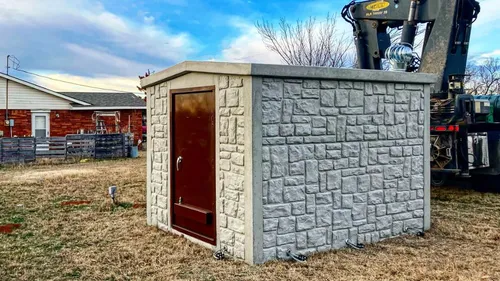
Sprague's Backhoe
1035 County Street 2982, Blanchard, OK 73010
Sprague's Backhoe is a locally owned contractor based near Oklahoma City, OK, specializing in storm shelter installation, septic system installation, and excavation services. They install above ground storm shelters statewide and below ground shelters within 30 miles of Bridge Creek, including Oklahoma City and surrounding communities. The company is DEQ certified for septic system installations and handles projects from soil testing to final inspection. With over 20 years of experience, Sprague's Backhoe offers concrete storm shelters that meet FEMA guidelines for EF5 tornado protection and provides excavation and demolition services for residential and commercial properties.
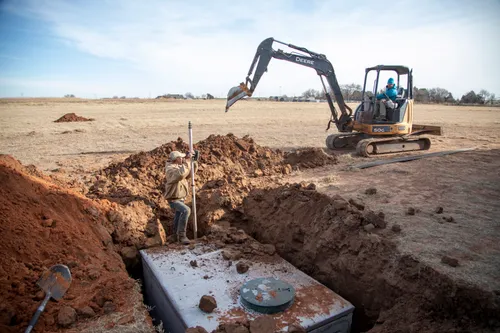
Cyclone Septic & Plumbing
11600 OK-33, Guthrie, OK 73044
Cyclone Septic & Plumbing is a family-owned business serving Oklahoma City, OK, and nearby areas including Guthrie, Edmond, and Piedmont. Since 2016, they have provided septic tank pumping, installation, inspection, and aerobic maintenance services. The company also offers drain cleaning, water heater installation and repair, and expert installation of storm shelters designed for safety during severe weather. Cyclone Septic & Plumbing participates actively in the Oklahoma Onsite Wastewater Association, supporting industry standards and regulations.
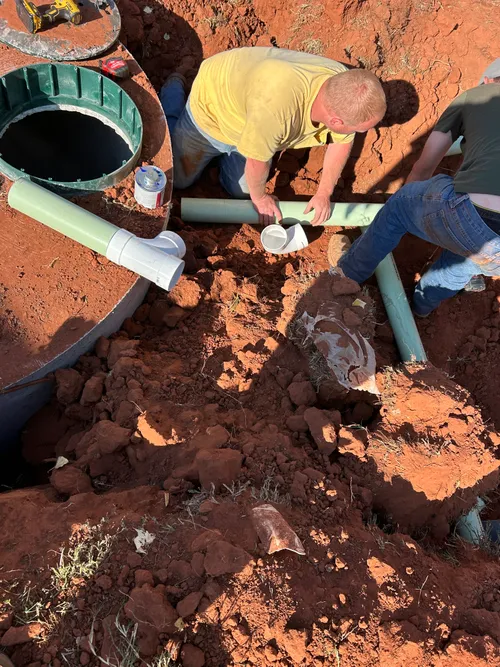
Dependable Septic Service
1411 N Morgan Rd, Tuttle, OK 73089
Dependable Septic Service is a family-owned company providing septic tank pumping, cleaning, and repair services in Oklahoma City, OK. They specialize in both conventional and aerobic septic systems, offering certified and bonded installation and maintenance for residential and commercial properties. With over 10 years of experience, they handle septic emergencies and provide lateral line repair and cleaning to ensure system efficiency and longevity. The company offers 24/7 emergency services to address unexpected septic issues promptly.
Firestorm Septics & Shelters
6114 US-177, Shawnee, OK 74804
Firestorm Septics & Shelters is a septic system and storm shelter company based in Oklahoma City, OK. They provide septic tank pumping, inspection, repair, installation, and drain field services, along with storm shelter installation. The company is known for handling septic system issues such as lateral line installation and aerobic system repairs. As a locally owned and veteran-owned business, Firestorm Septics & Shelters has built a reputation for thorough work and clear communication. They also offer after-hours service and quick response times, including weekend work when needed.
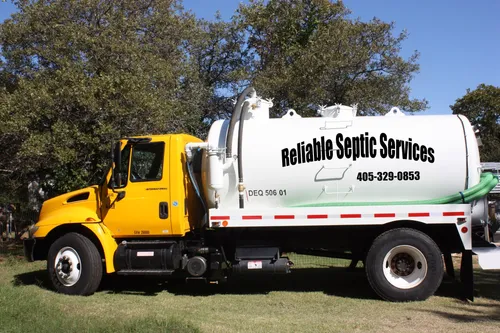
Reliable Septic Services
110 84th Ave SE, Norman, OK 73026
Reliable Septic Services is a family-owned business serving Oklahoma City, OK, with over 15 years of experience in septic system installation, maintenance, and repair. They provide a full range of septic services including pumping, inspections, emergency repairs, and site preparation using modern equipment. The company offers after-hours and weekend appointments to accommodate urgent needs and supports customers with a 2-year labor warranty and price matching on written competitor quotes.
Understanding Septic System Basics
A septic system, or on-site wastewater treatment system, is a self-contained underground structure that treats household sewage from bathrooms, kitchens, and laundry. The most common type is a conventional system, which includes a septic tank and a soil absorption field (drain field). Wastewater flows from the home into the tank, where solids settle and begin to decompose. The liquid effluent then discharges into a series of perforated pipes buried in the drain field, where the soil provides final treatment.
In Oklahoma City, all such systems are regulated by the Oklahoma Department of Environmental Quality (DEQ). The DEQ ensures installations protect groundwater and public health by enforcing specific design, permitting, and construction standards 1. Whether you're building a new home, replacing a failing system, or upgrading an existing one, understanding these requirements is the first critical step.
The Regulatory Process: Permits and Approvals
You cannot legally begin any new septic tank installation or major replacement in Oklahoma City without first obtaining the proper authorization from the DEQ. The process is designed to verify that your property is suitable and that the proposed system meets all safety codes.
Key Permit Requirements:
- Application: You must submit a "Request for Authorization/Permit to Construct" (DEQ Form 641-575) and have it approved before any work begins.
- Site Ownership: The system must be installed on the property owner's land.
- Lot Size: Minimum lot sizes are generally 0.5 acres if served by public water and 0.75 acres if using a private well 2 3.
- Setback Distances: Systems must adhere to strict separation distances from water wells, property lines, buildings, and other sensitive areas 4.
Critical First Step: The Site and Soil Evaluation
The most important factor determining the type and design of your septic system is your property's soil. Oklahoma's DEQ requires a professional evaluation to assess the soil's texture, structure, and ability to treat wastewater.
Types of Soil Tests:
- Soil Profile Description: This is the primary required test. A certified soil profiler or DEQ Environmental Specialist excavates a pit to a depth of 24-36 inches to examine soil layers, texture, and the presence of limiting conditions like bedrock or a high water table.
- Percolation Test: While a soil profile is standard, a percolation ("perc") test may also be required. This test measures how quickly water drains through the soil, which is critical for sizing the drain field 5 6.
The cost for a professional soil profile test in the Oklahoma City area typically ranges from $350 to $550. The results of this evaluation directly determine which types of septic systems your property can support.
Types of Septic Systems for Oklahoma City Properties
Not all properties can support a conventional gravity-fed system. Based on your soil evaluation, you may need a specialized system. Here are common types installed in the region:
- Conventional System: The most basic and often least expensive option, suitable for properties with deep, permeable soil and a low water table. Estimated cost: $3,000 - $4,000.
- Low-Pressure Dose (LPD) System: Used when the soil or site layout isn't ideal for gravity distribution. A pump tank and dosing chamber evenly distribute effluent across the drain field. Estimated cost: $4,500 - $5,000.
- Aerobic Treatment Unit (ATU): An advanced system that uses oxygen to break down waste more efficiently, often required for poor soils or smaller lots. The treated effluent can be dispersed via spray or drip irrigation. Estimated cost: $5,500 - $8,000+.
- Evapotranspiration/Absorption (ET/A) System: Designed for areas with shallow soil or impermeable layers. It relies on evaporation and plant uptake to dispose of effluent. Estimated cost: $4,000 - $12,000.
Find the perfect septic tank installation & replacement contractors for your needs
Get personalized recommendations and expert advice
The Installation Process: From Start to Finish
Working with a DEQ-certified installer is not just recommended-it's required for most steps. Here's a typical timeline:
- Site Evaluation & Design: After the soil test, a system designer or engineer creates plans specific to your property.
- Permit Submission & Approval: Your certified installer will typically handle submitting the design and application to the DEQ for the permit, which carries a fee of approximately $500 7.
- Pre-Construction Notice: Your installer must notify the local DEQ office before breaking ground.
- Construction & Installation: The certified installer excavates, places the tank and piping, and constructs the drain field according to the approved plans.
- Final Inspection: Upon completion, the installer must submit a final report to the local DEQ office within 10 working days. A DEQ inspector may also visit the site.
When is Septic System Replacement Necessary?
Understanding when a full system replacement is needed can prevent property damage and environmental hazards. Common triggers include:
- System Failure: Signs include sewage backing up into household drains, soggy ground or standing water over the drain field, and foul odors.
- Home Expansion: If you renovate and increase the number of bedrooms in your home, the septic system must be evaluated and potentially upgraded or replaced to handle the increased wastewater flow 8.
- Property Sale/Purchase: During a real estate transaction, a failing or inadequate system must often be replaced to satisfy lenders and comply with regulations 9.
Cost Considerations for Installation and Replacement
The total cost for a new septic system in Oklahoma City is highly variable. Beyond the soil test ($350-$550) and permit fee (~$500), the major cost is the system itself and the labor to install it 10. As noted above, prices can range from $3,000 for a basic conventional system to $12,000 or more for complex aerobic or ET systems 10 11. Factors influencing final cost include:
- System type and size (based on home bedroom count).
- Property accessibility and terrain.
- Depth of excavation required.
- Local labor rates.
Always obtain detailed, written estimates from multiple certified installers. The lowest bid may not include all necessary components or meet the highest standards of workmanship.
Choosing a Certified Installer in Oklahoma City
Your installer is your most important partner in this process. In Oklahoma, individuals who install, repair, or alter septic systems must be certified by the DEQ. When vetting potential contractors:
- Verify their DEQ certification is current.
- Ask for references from recent jobs in your area.
- Ensure they will handle the permit application and inspections.
- Confirm what is included in their quoted price (tank, piping, gravel, labor, etc.).
A reputable professional will guide you through each step, ensure compliance with all codes, and install a system designed for long-term reliability.
Frequently asked questions
Sources
Disclaimer: Regulations and costs are subject to change. This information is for guidance only. Always confirm current requirements with the Oklahoma DEQ or a certified septic system installer for your specific project.
Footnotes
-
On-Site Sewage Programs - https://oklahoma.gov/deq/divisions/ecls/on-site-sewage-programs.html ↩
-
chapter 641. individual and small public on-site sewage ... - https://oklahoma.gov/content/dam/ok/en/deq/documents/deqmainresources/641.pdf ↩
-
Basic Septic System Rules for Oklahoma - https://extension.okstate.edu/fact-sheets/print-publications/pss/basic-septic-system-rules-for-oklahoma-pss-2918.pdf ↩
-
Septic System Basics for Home Builders | Oklahoma State University - https://extension.okstate.edu/fact-sheets/septic-system-basics-for-home-builders.html ↩
-
New Septic System Installations - https://reddirtseptic.com/new-septic-installations/ ↩
-
Okla. Admin. Code § 252:641-3-2 - Soil Percolation test - https://www.law.cornell.edu/regulations/oklahoma/OAC-252-641-3-2 ↩
-
Oklahoma Septic License & Certification | 2024 Contractor Guide - https://www.servicetitan.com/licensing/septic/oklahoma ↩
-
Basic Septic System Rules for Oklahoma - https://extension.okstate.edu/fact-sheets/basic-septic-system-rules-for-oklahoma.html ↩
-
Septic System Basics for Realtors | Oklahoma State University - https://extension.okstate.edu/fact-sheets/septic-system-basics-for-realtors.html ↩
-
How Much Does a Septic System Cost in Oklahoma? - https://www.cycloneseptics.com/how-much-does-a-septic-system-cost-in-oklahoma/ ↩ ↩2
-
Land Buyers' Septic System Guide for Oklahoma - https://extension.okstate.edu/fact-sheets/land-buyers-septic-system-guide-for-oklahoma.html ↩