
Find the Best Septic Tank Installation & Replacement Contractors for Your Business
No obligation • Fast responses • Nationwide coverage

Why you can trust Septic Spot
Septic Spot is a leading United States resource for understanding and comparing septic services. Our editors review providers using consistent criteria and verify key business details. Listings and scores are independent, and companies cannot pay to influence our content.
Search providers near you
Best Septic Tank Installation & Replacement Contractors in Pennsylvania Ranked
Installing or replacing a septic system is a significant investment in your Pennsylvania property's long-term health and value. This process is strictly regulated by the state to protect public health and water quality, requiring permits, specific designs, and professional installation. Understanding the requirements, costs, and steps involved is crucial for a successful project. This guide provides the essential information you need to navigate the process and connect with qualified local professionals for your installation or replacement needs.

Revelation Plumbing
120 Seville Ave, Pittsburgh, PA 15214
Revelation Plumbing is a family-owned plumbing company serving Pittsburgh, PA, and surrounding areas. They specialize in septic tank inspection, repair, and installation, as well as drain field repair and septic pump services. The company is known for its expertise in trenchless sewer lining, allowing repairs without extensive excavation. Revelation Plumbing holds NASSCO certification and offers emergency plumbing services, including same-day response for urgent issues. Their team is licensed and insured, providing professional solutions tailored to local plumbing needs.
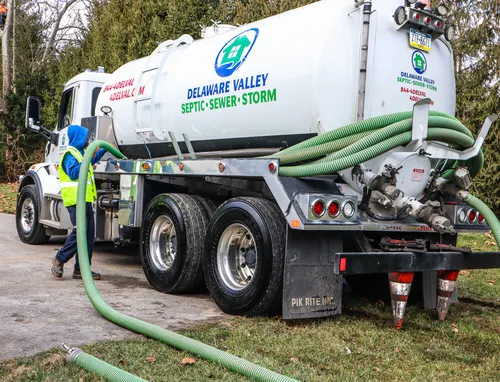
Delaware Valley Septic, Sewer & Storm
504 Eagle Rd STE B, Springfield, PA 19064
Delaware Valley Septic, Sewer & Storm is a family-run business serving Philadelphia, PA, and the surrounding Delaware Valley area. Since 1986, they have provided septic system installation, repair, and maintenance services, including sewer and storm water management. Their expertise covers a wide range of septic systems such as traditional in-ground, sand mound, at-grade, drip irrigation, micro-mound, and pressure dose systems. They serve Chester, Delaware, Montgomery, and Philadelphia counties, offering comprehensive solutions to maintain and improve septic and sewer system performance. The company emphasizes long-term partnerships with homeowners and provides reliable repairs and regular maintenance to extend system lifespan.

Septix
455 Texas Rd, Easton, PA 18042
Septix is a septic tank pumping, inspection, repair, and installation company based in Allentown, PA. They offer comprehensive septic system services, including emergency response for alarms and backups. Septix provides 24/7 emergency services to address urgent septic problems promptly. Customers can schedule consultations to diagnose issues and receive repair or replacement solutions.
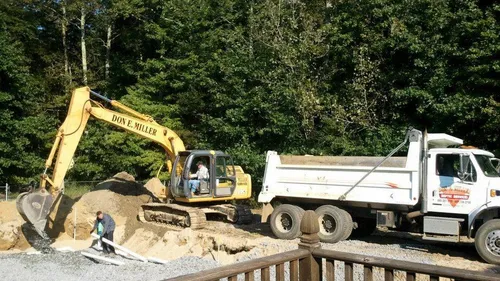
Don E Miller Septic Service Inc & Donny's Potty's
362 Meany Rd, North Hanover, NJ 08562
Don E Miller Septic Service Inc & Donny's Potty's is a family-owned septic service provider based near Philadelphia, PA. They offer a wide range of septic system services including pumping, inspections, repairs, and installations, as well as portable toilet rentals for residential, commercial, and municipal customers. The company has been serving the North Hanover Township area and surroundings since 1963, providing expertise in maintaining and installing various septic system components such as dosing pumps, grease traps, and effluent filters.

Decker Septic
29 Constitution Dr, Vincentown, NJ 08088
Decker Septic is a septic system service provider based near Philadelphia, PA. They offer a range of services including septic tank pumping, inspections, repairs, installations, and drain field replacement. The company is experienced in handling septic pump repairs and replacements, as well as managing system components like collars and manhole covers to prevent flooding issues. Customers have noted their thorough approach to septic system replacement and maintenance, including assistance with engineering and county approvals. Decker Septic is known for working within tight timelines and maintaining property condition during their work.
Pennsylvania's Regulatory Framework
In Pennsylvania, all septic system work is governed by state law under 25 Pa. Code Chapter 73, "Standards For Onlot Sewage Treatment Facilities". The Department of Environmental Protection (DEP) oversees the program, but administration is local. You cannot legally begin any installation, alteration, or repair without first obtaining a permit from your municipality's Sewage Enforcement Officer (SEO).
The SEO is a certified professional responsible for reviewing site and soil data, approving system designs, and conducting mandatory inspections. This local oversight ensures your system is built to state code and is suitable for your specific property conditions.
The Permit Process: Your First Step
The permitting process is non-negotiable and must be your starting point. A permit is typically valid for three years from the date of issuance, giving you adequate time to complete the project 1.
- Site Evaluation and Soil Testing: Before any design can be created, a site evaluation must be conducted. This almost always includes a percolation (perc) test, which determines how quickly water drains through your soil. The results dictate the type of system you can install (e.g., conventional gravity system, pressure-dosed system, or alternative spray irrigation system) and the size of the required drain field.
- Submit Application and Design: A licensed installer or site evaluator will prepare a formal system design based on the soil test results and your home's specifications. This design plan is submitted to the local SEO as part of the permit application 2 3.
- Permit Issuance: Once the SEO approves the design, a permit is issued. Only then can excavation and installation begin.
Sizing Your Septic System Correctly
Sizing is not a guesswork exercise; it's a calculation defined by regulation. The system has two main components that are sized independently: the septic tank and the soil absorption area (drain field).
- Septic Tank Capacity: State law sets a minimum liquid capacity for septic tanks. For a new home, the minimum is typically 900 gallons 4. However, standard practice is to size based on the number of bedrooms, as this estimates daily wastewater flow. A common standard is 1,000 to 1,500 gallons for a typical family home. Specifically, a 3-bedroom home requires at least a 900-gallon tank, with capacity increasing for each additional bedroom 4.
- Drain Field Sizing: This is more complex and is directly tied to your soil's absorption rate from the perc test. Poorer-draining soils require a larger drain field to adequately treat the wastewater. The sizing is calculated in square feet of trench or bed area and is a critical part of the SEO-approved design.
The Installation & Replacement Process
Whether you're building a new home or replacing a failing system, the physical installation follows a structured sequence.
- Excavation: The installer will excavate holes for the septic tank and the trenches or bed for the drain field.
- Tank Placement: The septic tank (typically concrete, plastic, or fiberglass) is set into the ground and leveled. All inlet and outlet pipes are connected.
- Drain Field Construction: Piping (perforated for gravity systems, solid for pressure-dosed systems) is laid in the excavated trenches. The trenches are then filled with specific gravel and soil materials.
- Final Inspection: This is a critical milestone. Before the tank or drain field is backfilled with soil, the SEO must perform an inspection. They verify the installation matches the approved design, that components are properly placed, and that all connections are sound. Failing to get this inspection can result in being forced to dig up the system for inspection, at your expense 5 6.
- Backfilling and Restoration: Once the SEO approves the installation, the contractor can backfill the excavations and restore your yard.
Find the perfect septic tank installation & replacement contractors for your needs
Get personalized recommendations and expert advice
Understanding the Costs Involved
Costs for septic work in Pennsylvania vary widely based on system type, soil conditions, site accessibility, and local labor rates. It's important to get multiple detailed quotes from licensed installers.
- System Replacement or New Installation: This is a major project. As noted in industry guides, a full system replacement or new installation often lands in the low five figures, with a typical range from $10,000 to $25,000 or more. Complex systems for difficult sites can exceed this.
- Repairs: Repair costs depend on the issue. Replacing a damaged drainfield pipe may cost a few hundred dollars, while addressing a compromised tank or partial drain field failure can run into the thousands.
- Pumping and Maintenance: Routine pumping every 3-5 years is essential for system longevity and typically costs between $250 and $600 7 8. This is a minor cost compared to the price of neglect.
Maintaining Your New System
A properly installed system can last decades with proper care. Maintenance is your responsibility as a homeowner.
- Pump Regularly: Schedule septic tank pumping every 3 to 5 years. This removes solids that cannot break down and prevents them from clogging the drain field.
- Inspect Annually: Have a professional inspect the tank, baffles, and drain field area annually for signs of trouble, such as effluent surfacing or overly lush grass over the field.
- Conserve Water and Mind What You Flush: Excessive water use can hydraulically overload the system. Only flush human waste and toilet paper. Avoid chemicals, grease, wipes (even "flushable" ones), and other solids.
Choosing a Qualified Installer
Your installer is a key partner. Look for a contractor with:
- Pennsylvania Licensure: Verify they hold the appropriate state and local licenses.
- Proven Experience: Ask for references and examples of past installations in your area.
- Knowledge of Local Regulations: They should be familiar with your township's specific SEO and processes.
- Detailed, Written Quotes: A professional quote should itemize costs for excavation, tank, piping, gravel, labor, and permit coordination.
Frequently asked questions
Sources
Footnotes
-
Request Water and Septic Installation and Modifications to Your ... - https://www.pa.gov/services/dcnr/request-water-and-septic-installation-and-modifications-to-your-state-forest-leased-campsite ↩
-
25 Pa. Code Chapter 73. Standards For Onlot Sewage Treatment Facilities - https://www.pacodeandbulletin.gov/Display/pacode?file=/secure/pacode/data/025/chapter73/chap73toc.html ↩
-
Finding the Right Size Septic Tank for Your Home: A Homeowner's Guide - https://aosseptics.com/finding-the-right-size-septic-tank-for-your-home-a-homeowners-guide/ ↩
-
25 Pa. Code § 73.31. Standards for septic tanks. - https://www.pacodeandbulletin.gov/Display/pacode?file=/secure/pacode/data/025/chapter73/s73.31.html&d=reduce ↩ ↩2
-
Onlot Sewage Program - Home Buyer's / Builders Guide - DEP - https://www.dep.state.pa.us/dep/deputate/watermgt/wqp/wqp_wm/FACTS/pa1607.htm ↩
-
The Ultimate Guide to Septic System Installation - SeptiqAssure - https://www.septiqassure.com/post/the-ultimate-guide-to-septic-system-installation ↩
-
Septic Systems | Department of Environmental Protection | Commonwealth of Pennsylvania - https://www.pa.gov/agencies/dep/residents/my-water/septic-systems ↩
-
Septic Maintenance Berks County: Expert Care & Cost Guide - https://thomasbechtoldteam.com/blog/septic-system-care-for-rural-homes-in-berks-county ↩