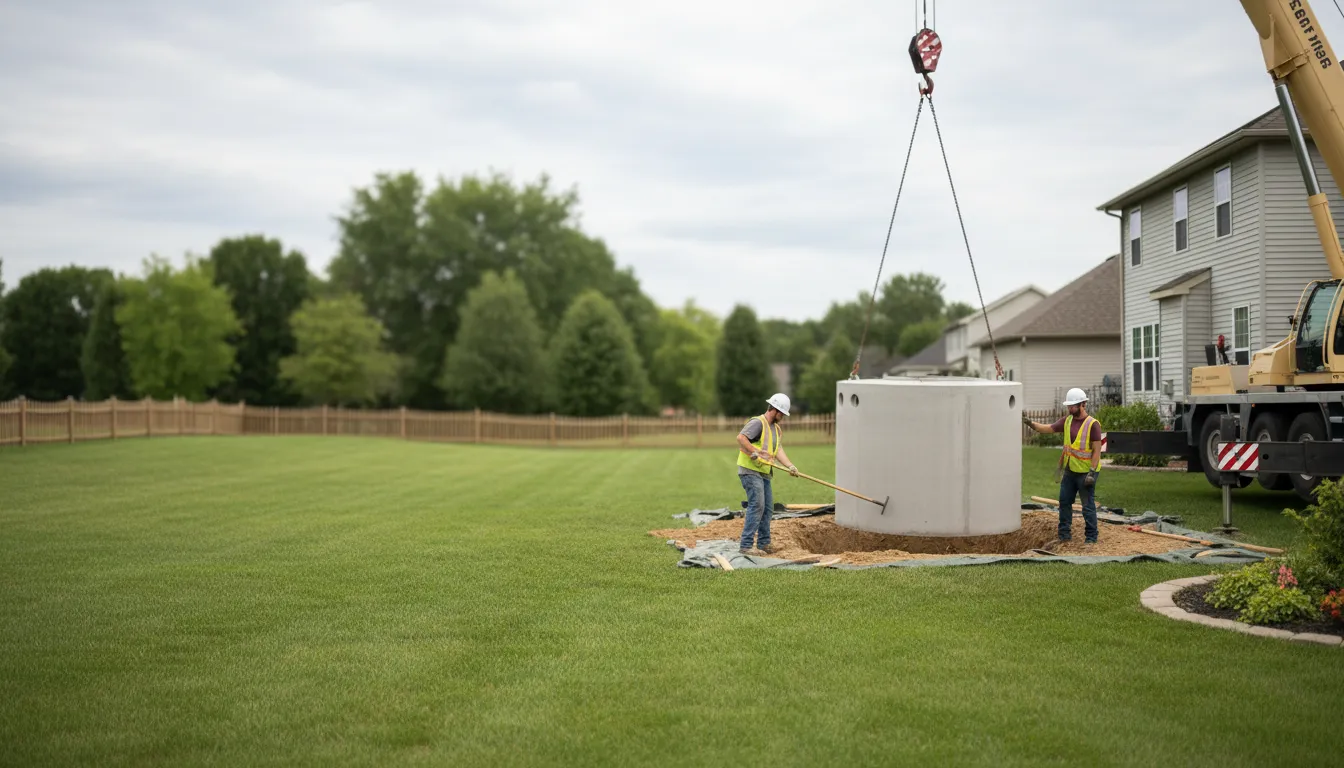
Find the Best Septic Tank Installation & Replacement Contractors for Your Business
No obligation • Fast responses • Nationwide coverage

Why you can trust Septic Spot
Septic Spot is a leading United States resource for understanding and comparing septic services. Our editors review providers using consistent criteria and verify key business details. Listings and scores are independent, and companies cannot pay to influence our content.
Search providers near you
Top Septic Tank Installation & Replacement Contractors in Philadelphia, Pennsylvania Ranked
Installing or replacing a septic system is a significant investment in your property's long-term functionality and environmental health. For homes in Philadelphia and the surrounding areas not connected to municipal sewer lines, a properly designed and permitted septic system is essential for safely managing household wastewater. This guide explains the local process, costs, and key considerations for septic tank installation and replacement, helping you understand what to expect and how to connect with qualified professionals for your project.
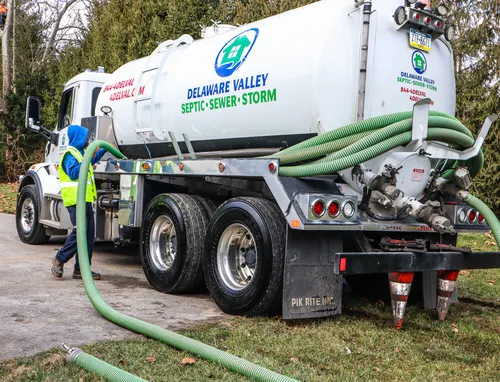
Delaware Valley Septic, Sewer & Storm
504 Eagle Rd STE B, Springfield, PA 19064
Delaware Valley Septic, Sewer & Storm is a family-run business serving Philadelphia, PA, and the surrounding Delaware Valley area. Since 1986, they have provided septic system installation, repair, and maintenance services, including sewer and storm water management. Their expertise covers a wide range of septic systems such as traditional in-ground, sand mound, at-grade, drip irrigation, micro-mound, and pressure dose systems. They serve Chester, Delaware, Montgomery, and Philadelphia counties, offering comprehensive solutions to maintain and improve septic and sewer system performance. The company emphasizes long-term partnerships with homeowners and provides reliable repairs and regular maintenance to extend system lifespan.
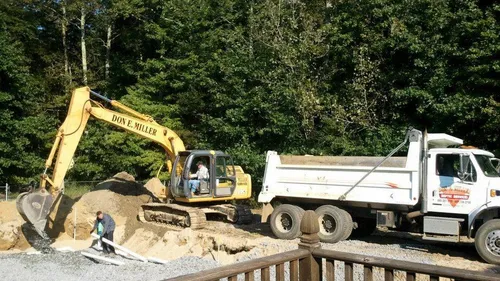
Don E Miller Septic Service Inc & Donny's Potty's
362 Meany Rd, North Hanover, NJ 08562
Don E Miller Septic Service Inc & Donny's Potty's is a family-owned septic service provider based near Philadelphia, PA. They offer a wide range of septic system services including pumping, inspections, repairs, and installations, as well as portable toilet rentals for residential, commercial, and municipal customers. The company has been serving the North Hanover Township area and surroundings since 1963, providing expertise in maintaining and installing various septic system components such as dosing pumps, grease traps, and effluent filters.

Decker Septic
29 Constitution Dr, Vincentown, NJ 08088
Decker Septic is a septic system service provider based near Philadelphia, PA. They offer a range of services including septic tank pumping, inspections, repairs, installations, and drain field replacement. The company is experienced in handling septic pump repairs and replacements, as well as managing system components like collars and manhole covers to prevent flooding issues. Customers have noted their thorough approach to septic system replacement and maintenance, including assistance with engineering and county approvals. Decker Septic is known for working within tight timelines and maintaining property condition during their work.
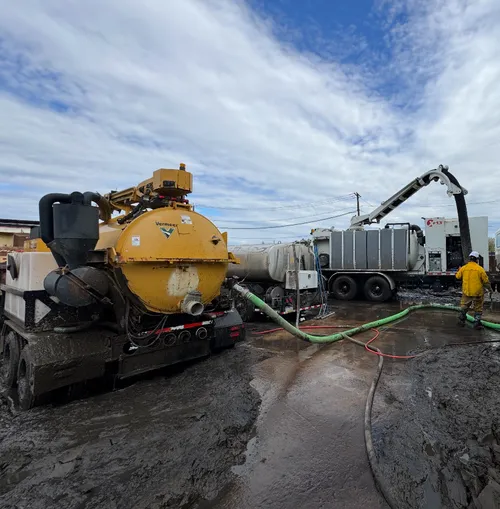
John's Septic & Excavation
Philadelphia, PA
John's Septic & Excavation provides septic system installations, repairs, and inspections along with site excavation services in Philadelphia, PA. They serve residential and commercial properties throughout Southeastern Pennsylvania, including Montgomery, Chester, Berks, Bucks, and Delaware Counties. The company specializes in engineered septic system installations compliant with current regulations and offers hydro excavation and stormwater system solutions. Their approach emphasizes proper site preparation and engineered wastewater systems designed for long-term use.

Jack Donnelly Construction LLC
920 Hunt Blvd, Atco, NJ 08004
Jack Donnelly Construction LLC is a family-owned company based near Philadelphia, PA, specializing in septic system design, installation, and repair. They also offer excavation, demolition, and equipment rental services. The company serves residential and commercial clients across South Jersey, including Camden, Burlington, Gloucester, and Atlantic counties. Established in 1976, Jack Donnelly Construction LLC brings over 40 years of experience to their work and provides emergency services as part of their offerings.
Understanding Septic Systems in Pennsylvania
A septic system, or on-lot sewage disposal system, is a self-contained wastewater treatment solution for individual properties. In Pennsylvania, these systems are regulated under Act 537, which sets the standards for design, permitting, and installation to protect public health and water quality. The system typically consists of a septic tank, which separates solids from liquids, and a drainfield (or leach field), where the treated liquid effluent is dispersed into the soil for final purification. When planning a new installation or a full system replacement, understanding the state and local requirements is the first critical step.
The Philadelphia-Area Permit Process
You cannot simply hire a contractor and start digging. All septic system installations and replacements in Pennsylvania require a permit issued by the local Sewage Enforcement Officer (SEO). This official reviews your site and system plans to ensure compliance with state regulations.
- Application and Design Submission: The process begins with submitting a permit application and a detailed system design to your local SEO. This design must be prepared by a qualified professional, such as a septic system installer, engineer, or soil scientist.
- Review Timeline: By law, the SEO must review the submitted design and issue an approval or denial within seven business days 1.
- Key Permit Factors: The SEO's review will focus on the proposed system's size, type, and its suitability for your specific property. The system design must account for the number of bedrooms in the home (which estimates daily wastewater flow) and the results of mandatory soil testing.
Mandatory Site and Soil Evaluation
Before a permit is granted, your property must undergo rigorous testing to prove it can support a septic system. This evaluation determines the soil's ability to absorb and treat wastewater.
- Deep Probe Test: This initial test involves digging several holes to examine the soil profile down to the proposed depth of the system. It checks for limiting factors like bedrock, a high seasonal water table, or unsuitable soil types.
- Percolation Test: If the deep probe is satisfactory, a percolation (perc) test is conducted. This measures how quickly water drains through the soil. Regulations require six or more test holes, typically 6 to 10 inches in diameter, dug to the depth of the proposed absorption area 2. The results directly determine the size of the drainfield needed.
- Testing Costs: The cost for these essential tests averages between $750 and $1,900, though more complex sites requiring machine-dug holes can see costs up to $3,000.
System Sizing and Types
Choosing the right septic system depends on your household size, soil conditions, and budget.
- Sizing Requirements: Pennsylvania bases septic tank capacity on the number of bedrooms. For example, a standard three-bedroom home requires a tank with a minimum capacity of 900 gallons 3. Larger homes require correspondingly larger tanks.
- Conventional Gravity Systems: These are the most common and least expensive type, suitable for properties with deep, permeable soil and a low water table. They rely on gravity to move effluent from the tank to the drainfield.
- Advanced Treatment Systems: For sites with poor soil, high groundwater, or limited space, alternative systems like aerobic treatment units (ATUs) or mound systems may be necessary. These systems provide additional treatment before effluent reaches the soil and are required to meet stricter environmental standards.
Find the perfect septic tank installation & replacement contractors for your needs
Get personalized recommendations and expert advice
Cost Breakdown for Installation and Replacement
The total cost of a septic system project in the Philadelphia area varies widely based on system type, soil conditions, and property accessibility.
- Conventional System Installation: For a standard gravity-fed system on a suitable site, homeowners can expect costs generally ranging from $3,000 to $8,000.
- Advanced System Installation: When site conditions require an aerobic treatment unit or other engineered solution, costs rise significantly, often between $10,000 and $20,000.
- Additional Project Costs: Remember to factor in the costs for site surveying ($330-$900), soil testing ($750-$3,000), and the permit fees themselves 4 5. Nationally, the total average project cost is around $8,000, with a typical range from $3,615 to $12,408 6.
The Installation and Inspection Timeline
Once permits are secured, the physical installation can begin. A reputable contractor will handle the excavation, tank placement, piping, and drainfield construction.
- Excavation and Tank Setting: The hole for the septic tank and the trenches for the drainfield are dug.
- System Assembly: The tank is set, connected to the home's main waste line and to the distribution box for the drainfield. The drainfield trenches are filled with gravel and perforated pipes.
- Final Inspection: This is a crucial, legally required step. The SEO must inspect the fully installed but still uncovered system before the contractor backfills the excavations 7. Passing this inspection is mandatory for the system to be approved for use.
- Backfilling and Restoration: After passing inspection, the contractor backfills the holes and trenches and restores the landscape as agreed.
Maintaining Your New System
A new septic system is a long-term asset that requires proper care. To protect your investment and avoid premature failure or replacement:
- Regular Pumping: Have the septic tank pumped by a licensed professional every 3 to 5 years to remove accumulated solids 8.
- Water Conservation: Spread out water use and fix leaks to avoid overloading the system.
- Mind What You Flush: Only human waste and toilet paper should go down the drain. Avoid chemicals, grease, diapers, and wipes (even those labeled "flushable").
- Protect the Drainfield: Never drive or park vehicles over the drainfield, and avoid planting trees or deep-rooted shrubs nearby.
Frequently asked questions
Sources
Footnotes
-
Onlot Sewage Program - Home Buyer's / Builders Guide - DEP - https://www.dep.state.pa.us/dep/deputate/watermgt/wqp/wqp_wm/FACTS/pa1607.htm ↩
-
25 Pa. Code § 73.15. Percolation tests. - https://www.pacodeandbulletin.gov/Display/pacode?file=/secure/pacode/data/025/chapter73/s73.15.html&d=reduce ↩
-
ACT 537: UNDERSTANDING SEPTIC SYSTEMS - GreenPort - https://greenport.pa.gov/elibrary/PDFProvider.ashx?action=PDFStream&docID=5303&chksum=&revision=3&docName=ACT+537%3A+UNDERSTANDING+SEPTIC+SYSTEMS&nativeExt=pdf&PromptToSave=False&Size=210363&ViewerMode=2&overlay=0 ↩
-
Cost to Install a Septic System in Philadelphia [2026 Data] - https://www.angi.com/articles/what-does-it-cost-install-septic-system/pa/philadelphia ↩
-
How Much Does a Perc Test Cost? [2026 Data] | Angi - https://www.angi.com/articles/perc-test-cost.htm ↩
-
How Much Does a Septic Tank Cost? - NerdWallet - https://www.nerdwallet.com/home-ownership/home-improvement/learn/septic-tank-cost ↩
-
What are the standard procedures and guidelines for septic system testing? | Carroll Valley, PA - https://www.carrollvalley.org/codes-enforcement-zoning/faq/what-are-standard-procedures-and-guidelines-septic-system-testing ↩
-
Septic Systems | Department of Environmental Protection | Commonwealth of Pennsylvania - https://www.pa.gov/agencies/dep/residents/my-water/septic-systems ↩