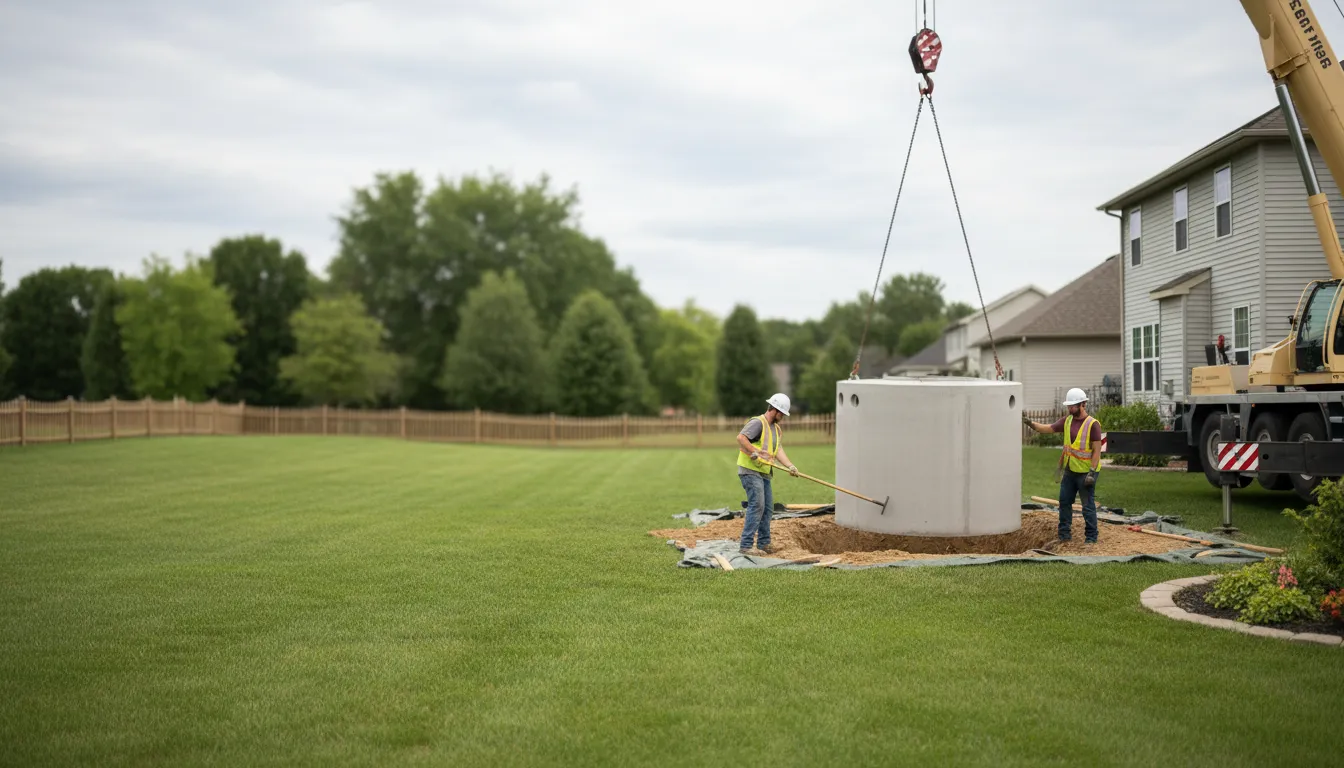
Find the Best Septic Tank Installation & Replacement Contractors for Your Business
No obligation • Fast responses • Nationwide coverage

Why you can trust Septic Spot
Septic Spot is a leading United States resource for understanding and comparing septic services. Our editors review providers using consistent criteria and verify key business details. Listings and scores are independent, and companies cannot pay to influence our content.
Search providers near you
Best Septic Tank Installation & Replacement Contractors in South Carolina Ranked
Installing or replacing a septic system is a significant investment in your South Carolina property's long-term functionality and environmental health. A properly designed and permitted system protects groundwater, prevents costly failures, and ensures your home's wastewater is managed safely. This guide outlines the essential steps, regulations, and costs involved in septic system work in South Carolina, helping you navigate the process from permit to final inspection with confidence.
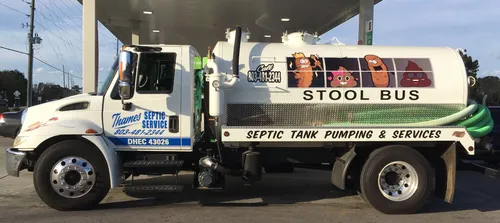
Thames Lawn Care, Pressure Washing, & Septic Service
870 Twin Lakes Dr, Sumter, SC 29154
Thames Lawn Care, Pressure Washing, & Septic Service is located in Columbia, SC, offering a variety of outdoor and septic services. They provide septic tank pumping, septic tank installation, and drain line installation alongside lawn care and pressure washing. Their septic services include routine and emergency pumping to maintain system function. Thames Lawn Care also handles landscaping projects such as sod installation, irrigation systems, and pest control.
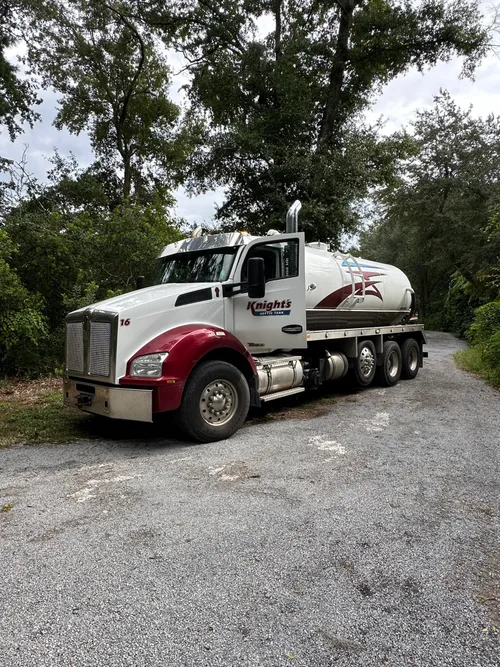
Knights Septic Tank Services
288 Hodge Rd, Summerville, SC 29483
Knights Septic Tank Services has been serving Charleston, SC, and the surrounding Lowcountry area since 1969. The company offers a full range of septic services including pumping, inspection, installation, and repair for both residential and commercial clients. They also manufacture precast concrete septic tanks and grease traps through their specialized divisions. Their licensed engineers and technicians bring over 30 years of combined experience to each project. Knights Septic Tank Services operates pump trucks seven days a week by appointment to accommodate customer needs.
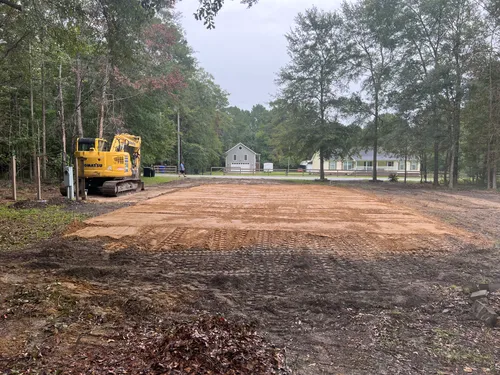
Palmetto Site Solutions, LLC
Charleston, SC
Palmetto Site Solutions, LLC is a family-owned septic company serving Charleston, SC, and nearby areas including Summerville and Moncks Corner. They provide a full range of septic system services such as engineered design, installation, inspection, and repairs. With over 10 years of experience, the company is licensed, insured, and certified by the South Carolina Department of Environmental Services (SCDES). They specialize in Tier 3 septic systems and manage projects from initial design through final inspection.
FJ Rabon Construction
250 Kinard Rd, Lugoff, SC 29078
FJ Rabon Construction is a family-owned business based near Columbia, SC, offering septic tank installation, repair, and pumping services. With over 40 years of experience, they serve residents in Kershaw and Richland counties, providing septic system maintenance and portable toilet rentals. The company is fully licensed and bonded, equipped to handle projects of various sizes with proper expertise and equipment.

PLD Outdoors
Columbia, SC
PLD Outdoors is an outdoor services company based near Columbia, SC, specializing in septic system installation and repair along with irrigation, drainage, and pest control. They offer a range of outdoor solutions including septic services that comply with regulatory standards, as well as stormwater control and landscape lighting. Founded in 1999 as Palmetto Landscape Development, the family-owned business brings over 25 years of experience and holds certifications in septic systems and stormwater management, reflecting their expertise and commitment to safety and professionalism.
Understanding South Carolina Septic System Regulations
All septic system installations and replacements in South Carolina are regulated by the South Carolina Department of Environmental Services (SCDES, formerly DHEC). State law requires a Permit to Construct before any work begins, and the system must be installed by a licensed contractor. The primary goal of these regulations is to protect public health and the state's water resources by ensuring systems are appropriately sited and built to handle household wastewater effectively.
The permitting process is designed to verify that your property can support a septic system. Key factors evaluated include soil type, slope, and the depth to the seasonal high water table. These elements determine the system's design and the size of the drain field. It's illegal to install a system without this permit, and doing so can result in enforcement actions, fines, and the requirement to remove a non-compliant system.
The Permit Application Process
The first formal step is applying for a Permit to Construct from SCDES. This permit is valid for five years from the date of issuance.
- Submit an Application: Homeowners or their authorized agents (like a licensed installer) must submit a D-1740 application form, typically online through SCDES's ePermitting portal. A $150 non-refundable application fee is required 1 2.
- Provide Supporting Documents: You must include a copy of the property plat or deed that clearly shows the proposed installation location and all relevant setbacks.
- Schedule a Site Evaluation: After application submission, an SCDES inspector will visit the property to conduct a formal site evaluation. This inspection assesses soil conditions, topography, and potential constraints to determine the suitability and design requirements for the septic system.
Working with Licensed Installers
South Carolina law mandates that only contractors licensed by SCDES can install or replace septic systems 3. Installers hold different license tiers (Tier 2 or Tier 3) based on their training and the complexity of systems they are authorized to build 3. Hiring a licensed professional is crucial because they:
- Understand state and local codes.
- Can pull permits on your behalf.
- Ensure the installation matches the approved design.
- Schedule and coordinate the required inspections.
Before hiring, verify the contractor's license is current with SCDES. A reputable installer will guide you through the entire process, from the initial site assessment to the final paperwork.
System Sizing and Design Fundamentals
Septic systems are not one-size-fits-all. Sizing is based on the estimated daily wastewater flow from the home. A common design standard uses 1.5 times the peak daily flow for calculations. For residential systems, the number of bedrooms is a primary factor, as it estimates the home's occupancy.
- Tank Capacity: A standard three-bedroom home in South Carolina typically requires a 1,000-gallon septic tank, though this can vary based on specific site conditions and local regulations 4. Larger tanks are needed for homes with more bedrooms or certain water-using appliances.
- System Components: A conventional system consists of two main parts: the septic tank, where solids settle and begin to break down, and the drain field (or soil absorption field), where treated liquid effluent is dispersed into the soil for final purification 5 6.
- Setback Requirements: State regulations enforce minimum distances between system components and other features. Common setbacks include at least 5 feet from buildings and property lines, 75 feet from private drinking water wells, and 75 feet from streams, lakes, or other surface waters 7 8. These protect structures and water sources from potential contamination.
Find the perfect septic tank installation & replacement contractors for your needs
Get personalized recommendations and expert advice
Inspections and Final Approval
Inspections ensure the installation complies with the approved permit. There are typically two key inspections:
- Pre-Installation Check: Many licensed installers will perform their own check of the site and staked-out system layout before excavation begins.
- Final Inspection: This is the official inspection conducted by the SCDES (or county) inspector after the system is fully installed but before it is backfilled. The installer must notify the department to schedule this inspection.
Upon passing the final inspection, the installer must submit a Final Inspection Form (DES 4432) to SCDES within two business days 9. Only after this form is received and approved will the department issue a Permit to Operate, officially authorizing you to use the new system.
Cost Considerations for Installation and Replacement
Costs for septic system work in South Carolina vary widely based on system type, size, and site complexity.
- Standard Conventional System: For a typical gravity-fed system on a favorable site, homeowners can expect costs in the range of $3,000 to $5,000.
- Complex or Large Systems: Properties with poor soil, high water tables, or limited space may require advanced treatment systems (like aerobic treatment units) or large engineered drain fields. These systems can cost $15,000 to $25,000 or more 10 11.
- Replacement Costs: Replacing a failed system involves the same costs as a new installation, plus the expense of excavating and disposing of the old system. The new system must meet current codes, not the codes in effect when the original was installed.
- Tank-Only Costs: The septic tank itself is a portion of the total cost. A 1,000-gallon concrete tank may cost between $500 and $900, with price increasing by $50-$150 per additional 100 gallons of capacity 12 13.
Factors influencing cost include accessibility for heavy equipment, soil type (sandy soil is easier to excavate than clay), local labor rates, and the need for pumps or other mechanical components.
Special Considerations for System Replacement
If you are replacing a failing system, the process has specific requirements:
- New Permit Required: You must obtain a new Permit to Construct for the replacement system.
- Current Code Compliance: The replacement system must be designed and installed to meet all current SCDES regulations, which are often more stringent than those in place when the original system was built.
- Replacement Area: As part of the permit, you are generally required to identify and reserve a "replacement area" on your property. This is a space, typically equal to 50% of the original drain field size, that is suitable for future expansion or a new drain field if the primary area fails 14 15. This planning is crucial for the long-term viability of your property's wastewater treatment.
Frequently asked questions
Sources
Footnotes
-
Septic Tanks - Residential, Single Home Builder | South Carolina Department of Environmental Services - https://des.sc.gov/permits-regulations/septic-tanks/permits-licenses/septic-tanks-residential-single-home-builder ↩
-
Be Septic Safe: How to Apply for a South Carolina Septic Permit | Home & Garden Information Center - https://hgic.clemson.edu/factsheet/be-septic-safe-how-to-apply-for-a-south-carolina-septic-permit/ ↩
-
Licensing for Septic System Installers | South Carolina Department ... - https://des.sc.gov/permits-regulations/septic-tanks/licensing-septic-system-installers ↩ ↩2
-
What Size Septic Tank Do I Need - https://www.ntotank.com/blog/what-size-septic-tank-do-i-need ↩
-
Understanding Greenville Septic Installation Regulations - https://cantrellstreelandmanagement.com/understanding-greenville-septic-installation-regulations/ ↩
-
S.C. Code Regs. § 61-56.201 - Minimum Requirements for Onsite Wastewater System Primary Treatment | State Regulations | US Law - https://www.law.cornell.edu/regulations/south-carolina/R-61-56.201 ↩
-
Before You Buy Land | South Carolina Department of Environmental ... - https://des.sc.gov/permits-regulations/septic-tanks/homeowner-resources/you-buy-land ↩
-
Septic - South Carolina Department of Environmental Services - https://des.sc.gov/taxonomy/term/561 ↩
-
Septic Tanks - Regulation, Forms, Fact Sheets | South Carolina Department of Environmental Services - https://des.sc.gov/permits-regulations/septic-tanks/septic-tanks-regulation-forms-fact-sheets ↩
-
Frequently Asked Questions - Collins Septic Tank Service Inc - https://www.collinssepticsc.com/faqs ↩
-
Septic Tanks: A Comprehensive Guide for Homeowners - https://www.thisoldhouse.com/plumbing/septic-tanks ↩
-
Residential Septic Tank Pricing | Homeowner's Guide to Costs - https://www.ntotank.com/blog/residential-septic-tank-pricing ↩
-
Understanding the Costs of Septic Tank Installation and Repair - https://mathisandsonsseptic.com/mathis-sons-septic-blog-orlando-fl/understanding-the-costs-of-septic-tank-installation-and-repair/ ↩
-
Site Inspections | South Carolina Department of Environmental ... - https://des.sc.gov/permits-regulations/septic-tanks/homeowner-resources/site-inspections ↩
-
Septic Tanks - Commercial Builder | South Carolina Department of ... - https://des.sc.gov/permits-regulations/septic-tanks/permits-licenses/septic-tanks-commercial-builder ↩