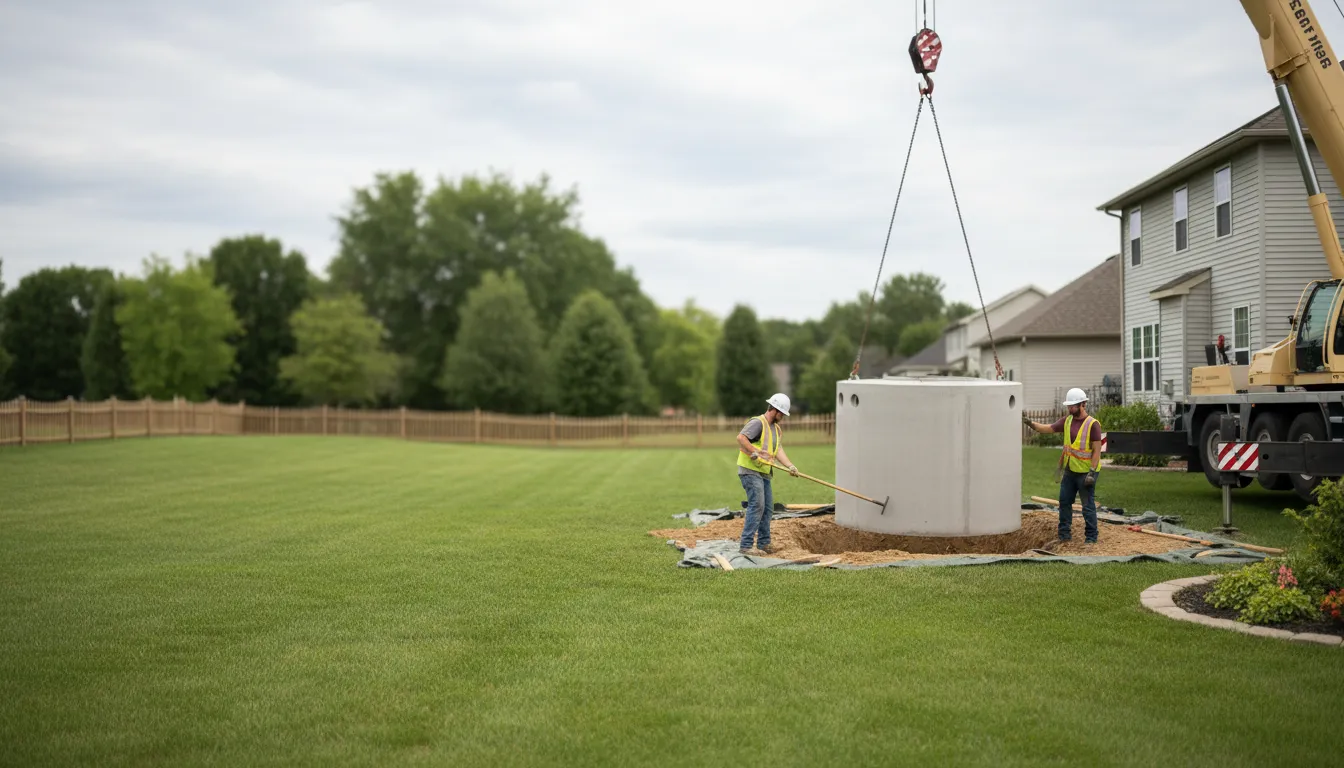
Find the Best Septic Tank Installation & Replacement Contractors for Your Business
No obligation • Fast responses • Nationwide coverage

Why you can trust Septic Spot
Septic Spot is a leading United States resource for understanding and comparing septic services. Our editors review providers using consistent criteria and verify key business details. Listings and scores are independent, and companies cannot pay to influence our content.
Search providers near you
Top Septic Tank Installation & Replacement Contractors in Charleston, South Carolina Ranked
Installing or replacing a septic system is a significant investment in your property's long-term functionality and environmental health. In Charleston, this process is strictly regulated by the state to protect our unique coastal ecosystem and groundwater. Understanding the permitting process, local requirements, and how to find qualified professionals is essential for a successful project. This guide provides the key information you need to navigate septic system work in Charleston and connect with licensed local installers.
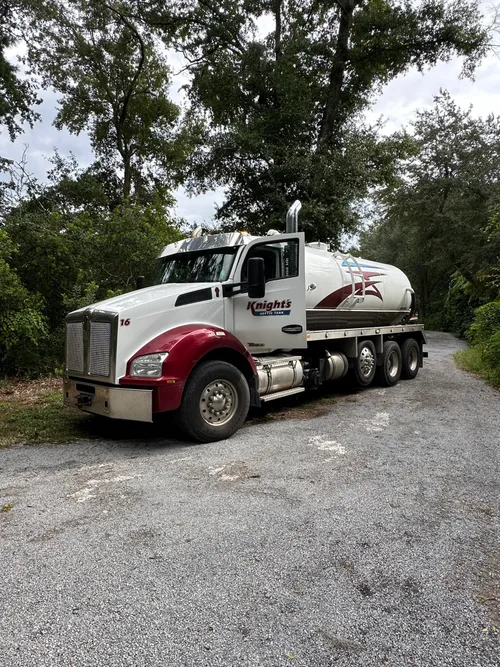
Knights Septic Tank Services
288 Hodge Rd, Summerville, SC 29483
Knights Septic Tank Services has been serving Charleston, SC, and the surrounding Lowcountry area since 1969. The company offers a full range of septic services including pumping, inspection, installation, and repair for both residential and commercial clients. They also manufacture precast concrete septic tanks and grease traps through their specialized divisions. Their licensed engineers and technicians bring over 30 years of combined experience to each project. Knights Septic Tank Services operates pump trucks seven days a week by appointment to accommodate customer needs.
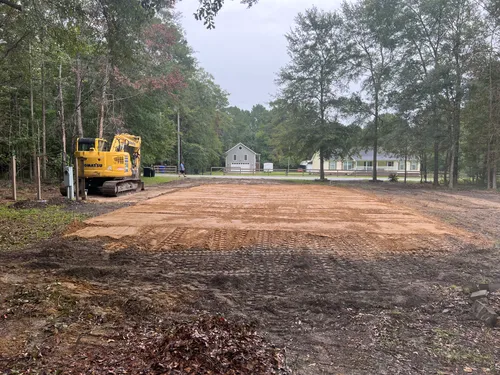
Palmetto Site Solutions, LLC
Charleston, SC
Palmetto Site Solutions, LLC is a family-owned septic company serving Charleston, SC, and nearby areas including Summerville and Moncks Corner. They provide a full range of septic system services such as engineered design, installation, inspection, and repairs. With over 10 years of experience, the company is licensed, insured, and certified by the South Carolina Department of Environmental Services (SCDES). They specialize in Tier 3 septic systems and manage projects from initial design through final inspection.
A-1 Septic Tank Service
1717 Pineview Rd, Charleston, SC 29407
A-1 Septic Tank Service provides septic tank pumping, installation, and repair services in Charleston, SC. The company offers tailored septic solutions with a focus on professional installation and maintenance. With years of experience, A-1 Septic Tank Service is equipped to handle various septic system needs to support residential and commercial properties.
Understanding Charleston's Septic System Regulations
All septic system installations and replacements in Charleston must be approved by the South Carolina Department of Environmental Services (SCDES, formerly DHEC). This state agency oversees every step, from initial site evaluation to final inspection. The regulatory framework is designed to ensure that wastewater is treated properly in our region's often challenging soil conditions, which can include high water tables and poor drainage. Failing to obtain the proper permit will prevent you from legally occupying a new building or repairing an existing failed system 1.
The cornerstone of the process is the Permit to Construct. This permit is valid for five years and is required before any installation work can begin. The path to obtaining this permit involves several specific steps, each designed to verify that your property can safely support an onsite wastewater treatment system.
The Permit Application Process
Navigating the permit process is the first critical task for any septic tank installation or replacement project.
Step 1: Submit Your Application You must submit an Onsite Wastewater System Application (Form D-1740) online through the SCDES portal. This application requires a $150 non-refundable fee 2. As part of the submission, you need to provide a detailed site map, plat, or deed that clearly shows your property boundaries and the proposed locations of the house and any wells 3.
Step 2: The Site Evaluation After receiving your application, an SCDES inspector will schedule a visit to your property. This is not a traditional percolation ("perc") test. SCDES has moved away from that method in favor of a more comprehensive soil evaluation 4. The inspector will assess soil type, texture, structure, drainage characteristics, slope, and-critically for coastal Charleston-the depth to the seasonal high water table 5. This evaluation determines the soil's natural ability to treat and disperse wastewater and dictates what type of system design will be approved.
Step 3: Permit Approval & System Design Once the site is deemed suitable, SCDES will issue the Permit to Construct. This permit will specify the approved system type and design parameters based on the site evaluation findings. For many properties in the Lowcountry, standard gravity-fed systems may not be sufficient. It's common for engineered systems, which include pumps, advanced treatment components, or specialized drain fields, to be required to overcome site constraints like high groundwater or dense soil.
Key Requirements and Considerations for Charleston Properties
Setback Distances State regulations mandate minimum separation distances to protect water sources and structures. Your septic system must be located at least:
- 75 feet from a private well.
- 100 feet from a public well.
- 25 feet from drainage ditches or surface water.
- 5 feet from property lines or buildings.
These setbacks are non-negotiable and must be factored into your property planning, especially on smaller lots common in some Charleston-area communities.
System Types and Costs The cost of a septic system in Charleston can vary widely based on the system type required by the site evaluation.
- Conventional Systems: For sites with ideal conditions, a standard gravity-fed system might cost between $3,000 and $5,000 6.
- Engineered Systems: Due to the prevalent soil and water table conditions in the coastal region, more complex engineered septic systems are frequently necessary. These systems, which may include pumps, pressure distribution, or aerobic treatment units, can significantly increase the installation cost, potentially reaching $10,000 to $20,000 or more for larger homes (e.g., 5+ bedrooms) 7.
The Importance of Professional Installation South Carolina law requires that septic systems be installed by a licensed and bonded professional. Attempting a DIY installation is not only illegal but also poses serious risks of system failure and environmental contamination. A licensed installer understands the local codes, will pull the necessary permits, and knows how to properly construct the system according to the approved design. Some highly qualified, top-tier installers are even authorized by SCDES to perform their own inspections on the systems they install.
Find the perfect septic tank installation & replacement contractors for your needs
Get personalized recommendations and expert advice
The Installation and Inspection Timeline
Once you have your Permit to Construct and have hired a licensed installer, the physical work can begin. Your installer will handle the excavation, tank placement, and construction of the drain field according to the approved plans.
The Final Inspection This is a crucial milestone. Before the installed system is covered with soil, your installer must notify SCDES that it is ready for inspection. A state inspector (or the installer's own certified inspector, if they have that designation) will visit the site to verify that the installation matches the permitted design and meets all state standards 8. The system cannot be covered and put into use until it passes this final inspection. Only after passing does your system receive final approval for operation.
Maintaining Your New Septic System
A properly installed system is just the beginning. Protecting your investment requires regular maintenance. This includes having the septic tank pumped every 3-5 years by a licensed pumper, conserving water to avoid overloading the drain field, and avoiding flushing harmful chemicals or non-biodegradable materials. In Charleston's sensitive environment, a failing septic system can contribute to nutrient pollution in local waterways, making proper care an environmental responsibility as well 9.
Planning for Land Purchase or New Construction
If you are buying vacant land in the Charleston area with the intent to build, verifying septic suitability should be one of your first due diligence steps. Do not assume a parcel can support a standard system. Engage a licensed installer or soil evaluator early to conduct a preliminary review of the property's potential. The SCDES site evaluation is the definitive test, but a professional opinion beforehand can save you from purchasing unbuildable land 10.
Frequently asked questions
Sources
Footnotes
-
Septic - South Carolina Department of Environmental Services - https://des.sc.gov/taxonomy/term/561 ↩
-
Septic Tanks - Residential, Single Home Builder | South Carolina Department of Environmental Services - https://des.sc.gov/permits-regulations/septic-tanks/permits-licenses/septic-tanks-residential-single-home-builder ↩
-
Site Inspections | South Carolina Department of Environmental Services - https://des.sc.gov/permits-regulations/septic-tanks/homeowner-resources/site-inspections ↩
-
What is a PERC Test and Should You Get One in SC? - https://wecorooter.com/what-is-a-perc-test-and-should-you-get-one-in-sc/ ↩
-
Septic Tanks - Frequently Asked Questions | South Carolina Department of Environmental Services - https://des.sc.gov/permits-regulations/septic-tanks/homeowner-resources/septic-tanks-frequently-asked-questions ↩
-
Frequently Asked Questions - Collins Septic Tank Service Inc - https://www.collinssepticsc.com/faqs ↩
-
Engineered Septic System Design: A Complete Guide - https://landperc.com/engineered-septic-system-design/ ↩
-
Licensing for Septic System Installers | South Carolina Department ... - https://des.sc.gov/permits-regulations/septic-tanks/licensing-septic-system-installers ↩
-
Septic Tanks: A Hidden Menace - https://charlestonwaterkeeper.org/2024/09/septic-tanks-a-hidden-menace/ ↩
-
Before You Buy Land | South Carolina Department of Environmental ... - https://des.sc.gov/permits-regulations/septic-tanks/homeowner-resources/you-buy-land ↩