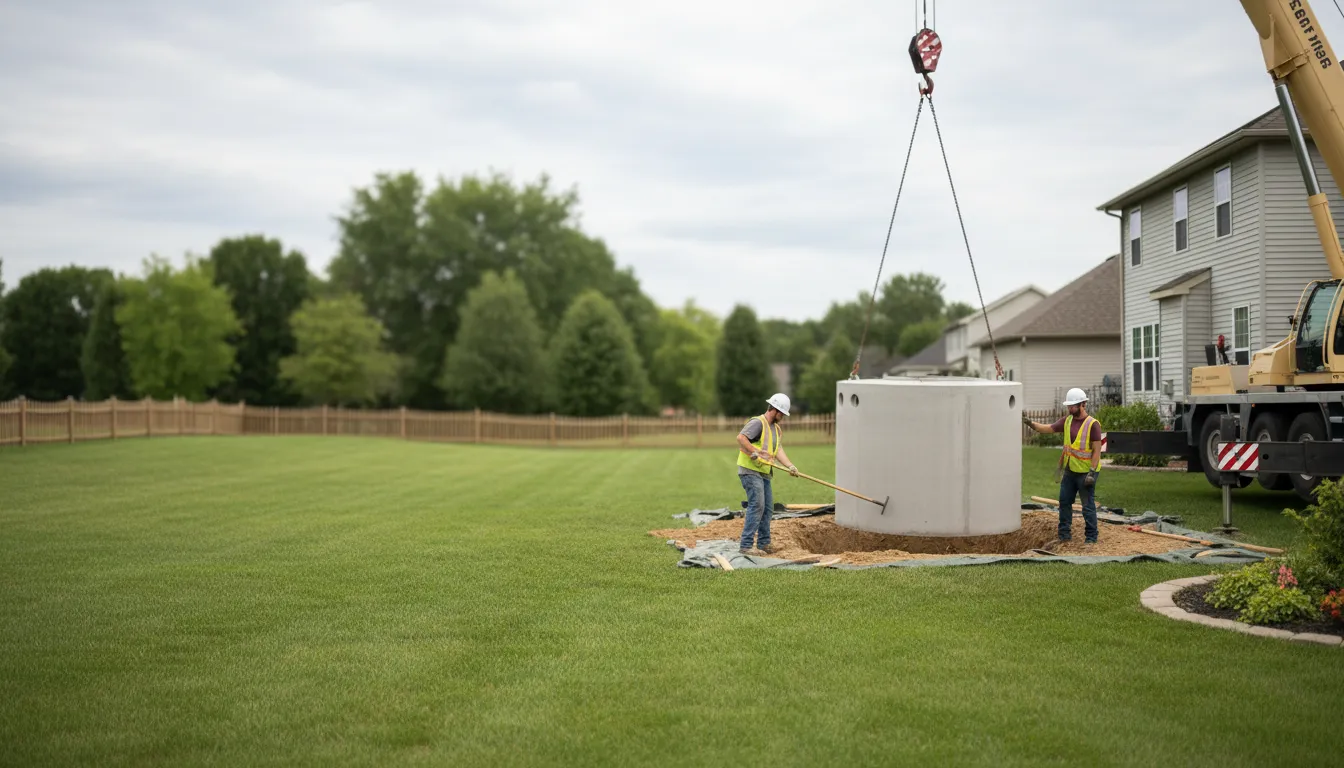
Find the Best Septic Tank Installation & Replacement Contractors for Your Business
No obligation • Fast responses • Nationwide coverage

Why you can trust Septic Spot
Septic Spot is a leading United States resource for understanding and comparing septic services. Our editors review providers using consistent criteria and verify key business details. Listings and scores are independent, and companies cannot pay to influence our content.
Search providers near you
Top Septic Tank Installation & Replacement Contractors in Columbia, South Carolina Ranked
Installing or replacing a septic system is a significant project for any Columbia homeowner, requiring careful planning and adherence to specific state and local regulations. This process involves securing permits, passing site evaluations, and working with licensed professionals to ensure a safe, functional, and environmentally sound wastewater treatment system on your property. Understanding the steps, costs, and requirements can help you navigate this essential home infrastructure project confidently and find qualified local specialists to handle the work.
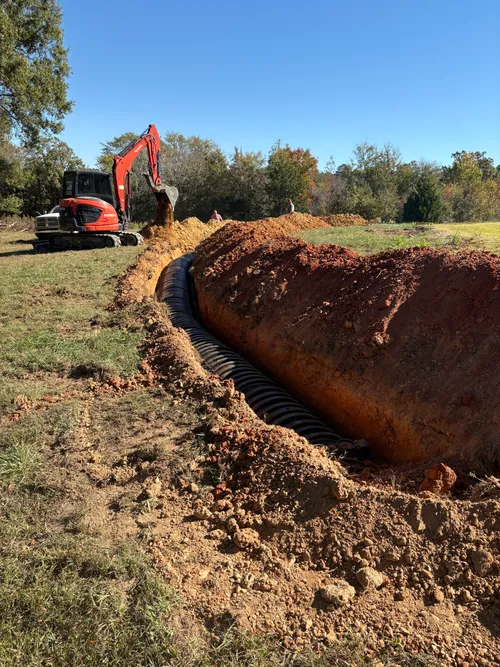
Skipper's Septic Service LLC
444 Clinton Church Rd, Salley, SC 29137
Skipper's Septic Service LLC provides septic system installation, maintenance, repair, and inspections for residential and commercial properties in Augusta, GA. Their services include septic tank pumping, drain field repair and replacement, grease trap installation and cleaning, and well installation. The company handles everything from site evaluation to final installation, ensuring compliance with local and state regulations. They also offer septic system inspections for home buyers and sellers. Skipper's Septic Service LLC has years of experience and provides emergency septic services.
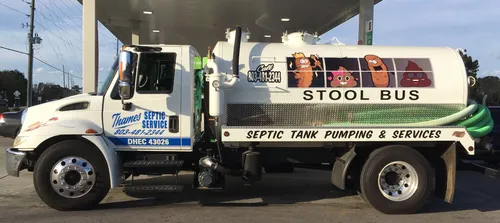
Thames Lawn Care, Pressure Washing, & Septic Service
870 Twin Lakes Dr, Sumter, SC 29154
Thames Lawn Care, Pressure Washing, & Septic Service is located in Columbia, SC, offering a variety of outdoor and septic services. They provide septic tank pumping, septic tank installation, and drain line installation alongside lawn care and pressure washing. Their septic services include routine and emergency pumping to maintain system function. Thames Lawn Care also handles landscaping projects such as sod installation, irrigation systems, and pest control.
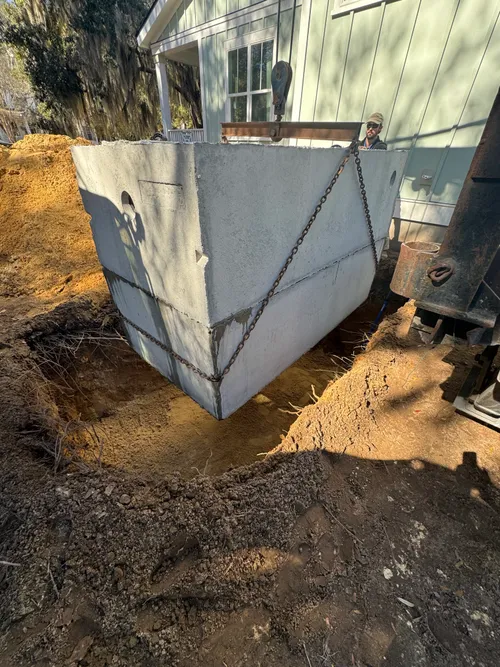
Longleaf Property Solutions LLC
2430 Old Belleville Rd, St Matthews, SC 29135
Longleaf Property Solutions LLC provides septic tank pumping, inspection, repair, and installation services in Augusta, GA. They also offer comprehensive land clearing, grading, and excavation services tailored for residential projects. With over 10 years of experience, the company handles septic system installation and replacement, including site leveling and drainage grading to ensure proper system function and compliance.
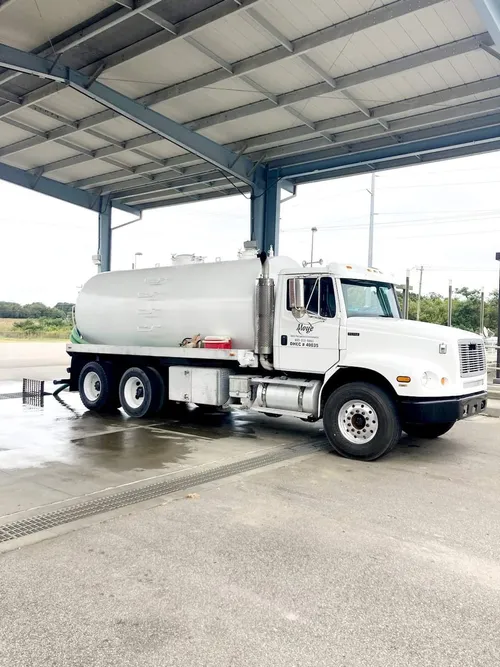
Moye Septic & Environmental, LLC
2144 Long Trail Dr, Hopkins, SC 29061
Moye Septic & Environmental, LLC is a family-owned company providing septic tank pumping, repair, and installation services. Based near Augusta, GA, they serve the communities of Richland and Lexington County, focusing on septic and environmental needs. The company offers routine maintenance, emergency repairs, and full system installations, drawing on years of experience in the industry. They emphasize building strong client relationships and understanding local challenges to support homes and businesses effectively.
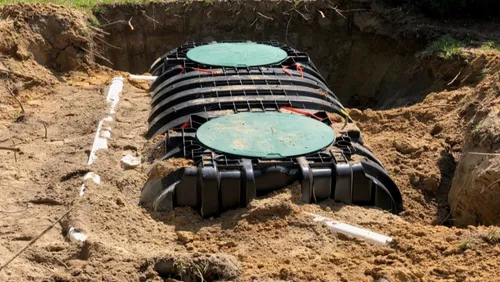
C.E. Taylor & Son Inc
128 Taylor Ln, Lexington, SC 29073
C.E. Taylor & Son Inc is a full-service septic tank company serving Augusta, GA. They provide residential and commercial septic tank pumping, inspection, repair, installation, and maintenance. Their services include drain field repair or replacement, grease trap pumping, high-pressure jetting, and sewer line repairs. With decades of experience, they use current techniques and quality products to address various septic system issues. The company is also available for emergency septic tank services.
Understanding the Regulatory Process in South Carolina
In Columbia and throughout South Carolina, all new septic system installations and replacements are regulated by the South Carolina Department of Environmental Services (SCDES, formerly DHEC). The agency's primary goal is to protect public health and groundwater by ensuring systems are properly sited and constructed. You cannot legally begin digging or installing any component without first obtaining the proper permits from SCDES.
The journey starts with an application. For a standard residential system, you or your chosen contractor must submit an Onsite Wastewater System Application (Form D-1740) online to SCDES1. This application requires details about your property and proposed system, and must be accompanied by a site plan or plat. There is a non-refundable application fee, which is currently $1501.
The Critical Site Evaluation
Once your application is received, the most crucial regulatory step occurs: the SCDES site evaluation. A state inspector will visit your property to assess its suitability for a conventional septic drain field. This evaluation determines the soil's ability to absorb and treat wastewater, which directly influences the system's design and location.
It's important to note that SCDES generally does not use traditional percolation (perc) tests, where water is poured into a hole and the drain rate is timed2 3. Instead, inspectors perform a visual and manual assessment of the soil profile in test pits to classify soil types, identify seasonal water tables, and check for restrictive layers like hardpan or rock2. This method is considered more reliable for determining long-term acceptance rates. In some cases, particularly for larger properties or complex sites, a homeowner may choose to hire a private soil scientist or engineer to conduct a more detailed deep-hole analysis to inform their planning3 4.
The inspector will also verify the proposed location meets all setback requirements from property lines, wells, water bodies, and buildings. If the site passes evaluation, SCDES will issue a Permit to Construct, which is valid for five years. This permit specifies the approved system type, tank size, and exact location for the drain field.
Working with a Licensed Septic Contractor
South Carolina law requires that all septic systems be installed by a state-licensed installer 5. There are two tiers of licensure: Tier 1 installers are qualified for standard conventional systems, while Tier 2 installers are certified for more complex alternative and advanced treatment systems6. Hiring a licensed professional is non-negotiable-they understand the code, can help navigate the permit process, and their work is required to pass inspection.
A reputable installer will handle the heavy lifting after the permit is secured. This includes site preparation (clearing and grading), excavating the hole for the septic tank (typically concrete or plastic), and constructing the drain field according to the permit's engineered design 7. The installation must match the permit specifications exactly in terms of tank capacity, trench depth, distribution line length, and aggregate materials.
Find the perfect septic tank installation & replacement contractors for your needs
Get personalized recommendations and expert advice
The Installation & Inspection Phases
The physical installation is a coordinated effort between your contractor and the SCDES inspector. A key milestone is the pre-cover inspection8. Before the tank and drain field trenches are backfilled with soil, the installer must notify SCDES. An inspector will visit to verify that the installed components-tank placement, pipe layout, gravel bed depth-precisely match the approved design on the permit. This is your last chance to correct any issues easily.
Only after the system passes this pre-cover inspection can it be buried9. Once the inspector signs off, they will issue the final approval, allowing the system to be placed into operation. Keeping a copy of this approval with your property records is essential for future real estate transactions.
Cost Considerations for Columbia Homeowners
The cost of a new septic system in the Columbia area can vary widely based on soil conditions, lot size, and home size. For a standard 1,000-gallon system serving a typical three-bedroom home on suitable soil, homeowners can generally expect the complete installation to range from $3,000 to $5,00010 11. This range typically includes the permit fee, tank, drain field, and labor.
Several factors can push costs significantly higher:
- Home/Bedroom Count: Larger homes (more than three bedrooms) require larger tanks and more extensive drain fields to handle the increased wastewater flow.
- Soil and Site Challenges: Poorly draining soil, high water tables, or small lots often necessitate more expensive alternative system designs, such as low-pressure dose or aerobic treatment units (ATUs).
- System Replacement: Replacing a failed system follows the same permit process as a new installation. Additional costs may arise from removing the old tank and dealing with the original failure's cause.
It's wise to obtain multiple detailed quotes from licensed installers. A thorough quote should break down costs for the permit application, tank, drain field materials, labor, and any required engineering.
Planning for a System Replacement
Septic systems have a finite lifespan, typically 20-40 years. Signs you may need a septic tank replacement or a full system replacement include frequent backups, soggy ground or foul odors in the drain field area, and unusually green grass over the field. If your system is malfunctioning, you must apply for a new Permit to Construct-repairing a failing drain field usually requires a new permit and installation.
The replacement process mirrors a new installation: application, site evaluation (which may be streamlined if the existing system location is still suitable), permitting, and installation by a licensed contractor12. Proactive replacement before catastrophic failure is almost always less stressful and costly than an emergency repair.
Maintaining Your New Investment
After your new onsite wastewater system is installed, proper maintenance is key to its longevity. This includes having the tank pumped every 3-5 years by a licensed pumper, conserving water to avoid overloading the drain field, and avoiding flushing harmful chemicals or non-biodegradable materials. A well-maintained system is a long-term asset that protects your property value and the local environment.
Disclaimer: Regulations and fees are subject to change. Always verify the most current requirements directly with the South Carolina Department of Environmental Services (SCDES) or consult with a licensed professional before beginning any project13.
Frequently asked questions
Sources
Footnotes
-
Septic Tanks - Residential, Single Home Builder | South Carolina Department of Environmental Services - https://des.sc.gov/permits-regulations/septic-tanks/permits-licenses/septic-tanks-residential-single-home-builder ↩ ↩2
-
Septic Tanks - Frequently Asked Questions | South Carolina Department of Environmental Services - https://des.sc.gov/permits-regulations/septic-tanks/homeowner-resources/septic-tanks-frequently-asked-questions ↩ ↩2
-
What is a PERC Test and Should You Get One in SC? - https://wecorooter.com/what-is-a-perc-test-and-should-you-get-one-in-sc/ ↩ ↩2
-
What Is A Perc Test & When Do You Need One? - https://www.fortunebuilders.com/p/perc-test/ ↩
-
Licensing for Septic System Installers | South Carolina Department ... - https://des.sc.gov/permits-regulations/septic-tanks/licensing-septic-system-installers ↩
-
Become Licensed Septic Installer in South Carolina - Onsite Wastewater Professionals - https://www.owpnc.com/south-carolina ↩
-
S.C. Code Regs. § 61-56.201 - Minimum Requirements for Onsite Wastewater System Primary Treatment | State Regulations | US Law - https://www.law.cornell.edu/regulations/south-carolina/R-61-56.201 ↩
-
Be Septic Safe: How to Apply for a South Carolina Septic Permit - https://hgic.clemson.edu/factsheet/be-septic-safe-how-to-apply-for-a-south-carolina-septic-permit/ ↩
-
South Carolina Septic Tank Regulations - https://www.septicconnection.com/south-carolina-septic-tank-regulations ↩
-
Frequently Asked Questions - Collins Septic Tank Service Inc - https://www.collinssepticsc.com/faqs ↩
-
"Understanding the True Cost: Comparing Septic System Costs and Septic Tank Prices" - https://www.soiltestandseptic.com/post/septic-tank-prices-and-septic-system-installation-costs ↩
-
Site Inspections | South Carolina Department of Environmental Services - https://des.sc.gov/permits-regulations/septic-tanks/homeowner-resources/site-inspections ↩
-
Residential Septic Tank Pricing | Homeowner's Guide to Costs - https://www.ntotank.com/blog/residential-septic-tank-pricing ↩