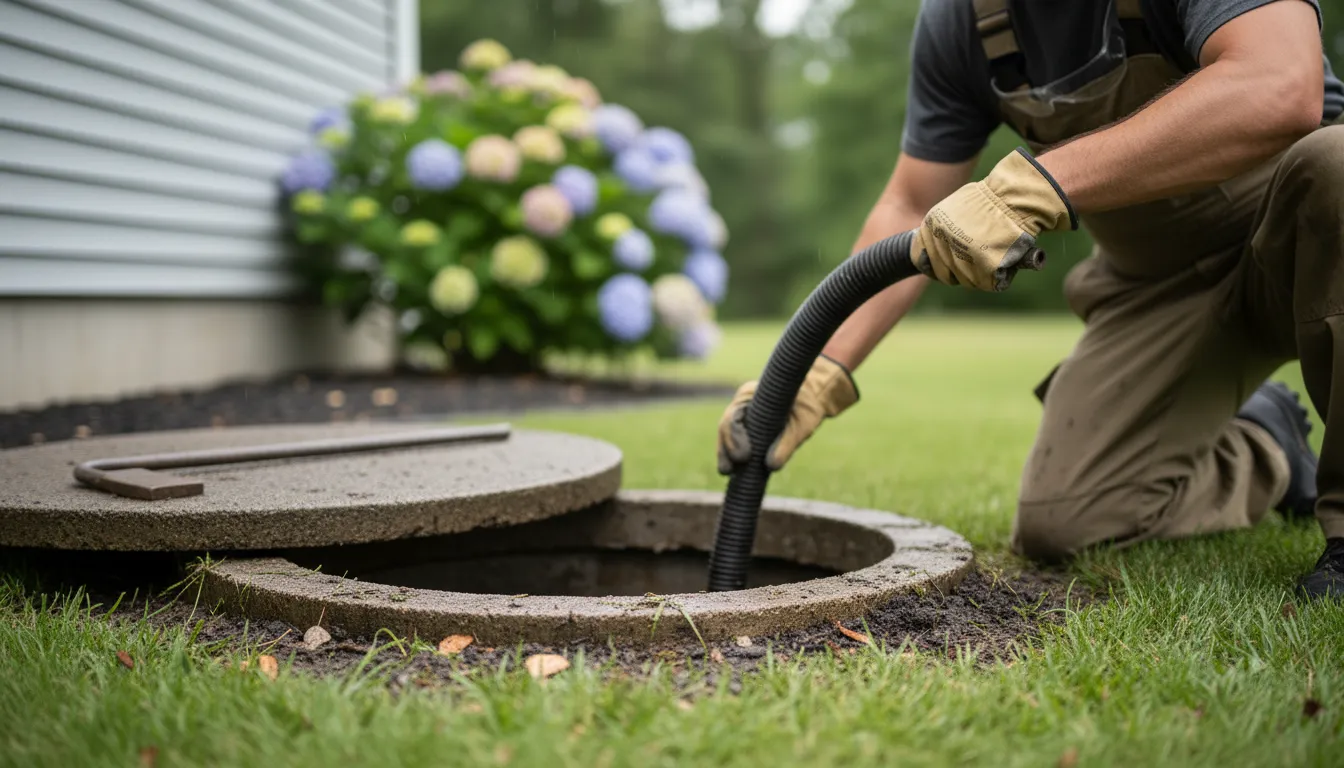
Find the Best Septic Tank Pumping Contractors for Your Business
No obligation • Fast responses • Nationwide coverage

Why you can trust Septic Spot
Septic Spot is a leading United States resource for understanding and comparing septic services. Our editors review providers using consistent criteria and verify key business details. Listings and scores are independent, and companies cannot pay to influence our content.
Search providers near you
Best Septic Tank Pumping Contractors in Colorado Ranked
Maintaining your septic system is a critical responsibility for Colorado homeowners. Regular septic tank pumping and inspection are essential to protect your property value, ensure public health, and comply with state and county regulations. This guide provides clear, practical information on how septic service works in Colorado, including local rules, typical costs, and maintenance best practices. Use this resource to understand your responsibilities and find qualified local professionals to keep your system functioning properly.
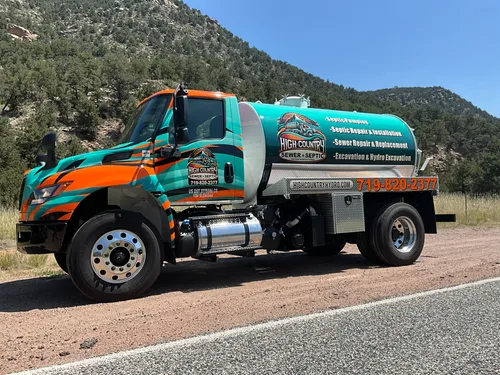
High Country Sewer & Septic
1895 Main St, Colorado Springs, CO 80911
High Country Sewer & Septic is a family-owned business serving Colorado Springs, CO, and the surrounding Front Range area. They offer comprehensive septic services including tank pumping, inspections, installations, repairs, and drain field restoration. The company manages all aspects of septic system care, from permits and inspections to excavation and settling checks, ensuring a streamlined process without the need for multiple contractors. With over 14 years of experience, they understand the unique challenges posed by local soil and elevation conditions. Their work is backed by five-year warranties and $2 million in insurance coverage. Same-day estimates and owner involvement on every project provide added assurance. They also offer after-hours communication to support emergency needs.
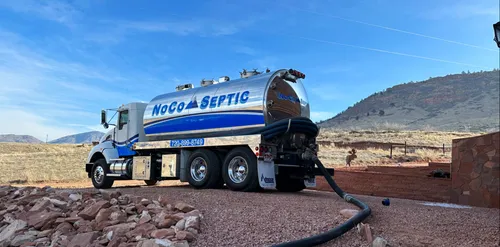
NoCo Septic & Excavation
Greeley, CO
NoCo Septic & Excavation is a septic tank pumping, repair, and installation company based in Greeley, CO. Serving Boulder County and surrounding areas, they offer expert septic services with a focus on quality and customer information. Established in 2016, the company brings experience from water treatment and public works to ensure dependable septic solutions.
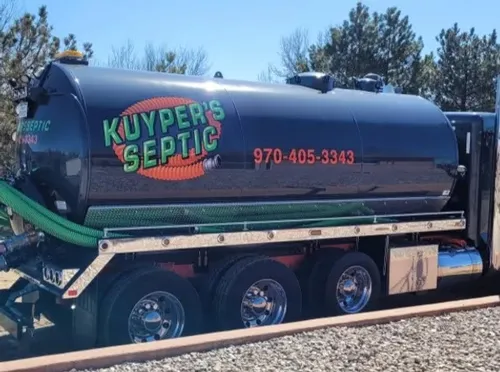
Kuyper's Septic
Fort Collins, CO
Kuyper's Septic is a family-owned business providing septic pumping and inspection services in Fort Collins, CO, and the Northern Front Range. Since 2014, they have offered thorough septic tank cleaning and system inspections, including the removal of solids and water. Their skilled team supports clients throughout the entire septic project process, emphasizing integrity and quality work.
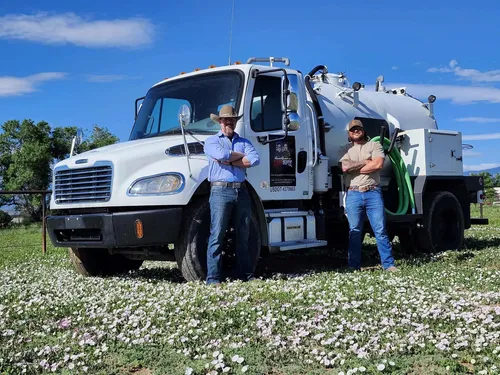
Super Septic Brothers LLC
Colorado Springs, CO
Super Septic Brothers LLC is a family and veteran-owned business based in Colorado Springs, CO. They provide septic tank pumping, certified inspections, portable toilet rentals, and specialized black water tank pumping for RVs. The company also offers potable water delivery across Southern Colorado, including Pueblo West, Fremont County, and Teller County. Licensed and insured, Super Septic Brothers serves residential, agricultural, and commercial clients with a focus on affordability and integrity. They provide 24/7 emergency service and have a background in military and law enforcement.
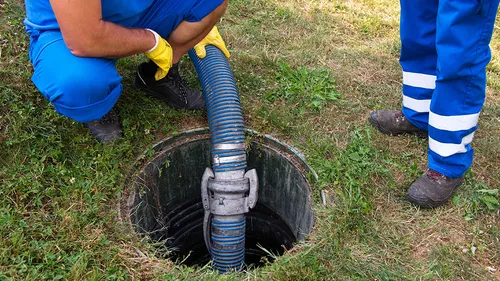
Ley Septic LLC
174 Granada Way, Pine, CO 80470
Ley Septic LLC provides septic tank pumping and inspection services in Denver, CO. They focus on routine maintenance to prevent backups, extend system lifespan, and ensure compliance with local regulations. Their process includes thorough inspections, safe pumping with advanced equipment, and detailed reporting to keep septic systems functioning properly. The company emphasizes professional handling of septic waste and offers personalized maintenance recommendations to protect homes and businesses.
Understanding Colorado Septic System Regulations
In Colorado, septic system maintenance is governed by state and local health department rules designed to protect groundwater and public health. The primary regulation is Regulation 43, which mandates that all onsite wastewater treatment systems be properly maintained. Failure to do so can result in system failure, environmental contamination, and costly fines.
Most Colorado counties have specific requirements that go beyond the state minimums. A key regulation in many areas, including Douglas and Jefferson Counties, is the Use Permit requirement for property sales. Before a home can be sold, the septic system must be inspected and pumped by a licensed contractor, and a permit must be issued certifying the system is in good working order. This makes regular maintenance not just a good practice, but a necessity for preserving your property's marketability.
How Often Should You Pump Your Septic Tank in Colorado?
The standard recommendation for most Colorado households is to pump the septic tank every 3 to 5 years. However, this is a general guideline. Your specific pumping schedule depends on several factors:
- Tank Size: Larger tanks hold more solids and require less frequent pumping.
- Household Size: More people generate more wastewater and solid waste.
- Overall Water Usage: High water consumption from laundry, long showers, or leaky fixtures fills the tank faster.
Jefferson County provides a helpful chart to illustrate how these factors interact 1:
- 1,000-Gallon Tank: 1-2 occupants may pump every 6 years, while 6+ occupants may need yearly service.
- 1,500-Gallon Tank: 1-2 occupants may pump every 8 years, while 6+ occupants may need service every 2 years.
Some counties enforce stricter timelines. For example, Douglas County and Jefferson County often require pumping and inspection every 4 years to maintain compliance. The only way to know for sure is to have a professional measure the sludge and scum layers in your tank. A common rule is to pump when the solid sludge layer is within 12 inches of the outlet tee.
The Homeowner's Responsibility: More Than Just Pumping
As a Colorado homeowner with a septic system, the ultimate responsibility for its operation and maintenance falls on you 2. Key duties include:
- Knowing Your System: You must know the location of your septic tank, distribution box, and drainfield. Keep a sketch or map for future reference.
- Providing Access: You are responsible for uncovering the tank's access lids for service. Installing risers (which bring the access lids to ground level) is highly recommended, as it makes future service easier and cheaper for you and the technician.
- Practicing Smart Use: What goes down your drains directly impacts your system's health.
- DO NOT FLUSH: Grease, oils, coffee grounds, diapers, wipes (even "flushable" ones), feminine hygiene products, cigarettes, cat litter, and harsh chemicals like paint thinner or bleach.
- CONSERVE WATER: Spread out laundry loads, fix leaky faucets and toilets promptly, and consider installing high-efficiency fixtures.
- Protecting the Drainfield: Never drive or park vehicles over the drainfield. Avoid planting trees or deep-rooted shrubs nearby, as roots can clog and damage pipes.
Find the perfect septic tank pumping contractors for your needs
Get personalized recommendations and expert advice
What to Expect: The Pumping and Inspection Process
A professional septic service involves more than just removing waste. A thorough job includes:
Inspection: A licensed professional will inspect the tank for cracks, leaks, and the condition of inlet/outlet baffles or tees 3. They will measure sludge and scum levels to determine if pumping is needed and assess the overall health of the system.
Pumping: Using a large tank truck, the technician will pump out all the solids and liquids from the tank. It's crucial to pump through the main access port, not the inspection pipe, to ensure all sludge is removed from the bottom.
Reporting: After service, you should receive a report detailing the work performed, the condition of your system, any issues found, and recommendations for future maintenance. Keep this report for your records, especially if you plan to sell your home.
Cost of Septic Services in Colorado
Costs can vary based on your location, tank size, and how easy it is to access the tank lids. Here's a general breakdown for Colorado:
- Pumping Only: Approximately $200 to $300+.
- Inspection Only: Approximately $150 to $350.
- Combined Pumping & Inspection: A typical bundled service ranges from $400 to $500 4 5 6.
Important Notes on Cost:
- Mountain Properties: If you live in a remote or mountainous area (e.g., near Bailey), expect to pay more due to travel and accessibility challenges.
- Access Issues: If your tank lids are buried and not equipped with risers, you may be charged an additional fee for the labor required to locate and dig them up.
- Repairs: While standard pumping is relatively affordable, neglecting maintenance can lead to repairs costing thousands of dollars for drainfield replacement or tank repair 7.
Red Flags: Signs You Need Service Immediately
Don't wait for your scheduled maintenance if you notice any of these warning signs. Contact a professional right away if you see:
- Sewage backups in your home's drains or toilets.
- Slow-draining sinks, tubs, or showers.
- Gurgling sounds coming from your plumbing.
- Unpleasant odors around the septic tank or drainfield area.
- Unusually bright green, spongy grass or standing water (puddles) over the drainfield, especially when it hasn't rained 8.
Addressing these issues promptly can prevent a full system failure, which is a much more expensive and disruptive problem.
Preparing for a Property Sale in Colorado
If you're selling your home, septic system compliance is a major step. You will likely need to obtain a Use Permit from your local health department. The process generally involves:
- Hiring a licensed contractor to perform a full inspection and pump the tank.
- The contractor files the necessary paperwork with the county.
- The county issues the permit, which is often required to close the sale.
Having your maintenance records and a recent inspection report can streamline this process and provide confidence to potential buyers.
Frequently asked questions
Sources
Footnotes
-
Pumping the Tank | Jefferson County, CO - https://www.jeffco.us/2397/Pumping-the-Tank ↩
-
Your Septic System is Your Responsibility! - Northeast Health District - https://northeasthealthdistrict.org/wp-content/uploads/2023/05/homeowner_guide_long.pdf ↩
-
Homeowner's Guide to Septic Systems - https://www.co.hendricks.in.us/egov/apps/document/center.egov?view=item;id=270 ↩
-
Homeowners Guide to Septic Systems Brochure - Elbert County - https://www.elbertcounty-co.gov/DocumentCenter/View/1394/Septic-Smart--Homeowners-guide ↩
-
Use Permits & Inspections - Colorado Septic Maintenance & Repair - https://www.cosepticmr.com/post/use-permits-inspections ↩
-
Septic Tanks Requirements for Property Sales - https://www.coinspection.com/colorado-inspection-services/maintenance-resources/septic-systems/septic-tanks-requirements-for-property-sales/ ↩
-
Septic System FAQs - Douglas County - https://www.douglas.co.us/health-department/septic-system-faqs/ ↩
-
How often to pump a mountain septic system near Bailey? - https://www.facebook.com/groups/1093900048063200/posts/1851590308960833/ ↩